
The global landscape of entertainment is a vast and varied terrain, with countless activities vying for our attention. Among the most enduring and universally captivating are sports. From the roar of a stadium crowd to the quiet tension of a strategic play, the drama, athleticism, and sheer competitive spirit of sports have a profound ability to unite and inspire people across cultures and continents. But when we talk about what truly captures the world’s gaze, which sports rise to the top in terms of viewership? This question delves into the intersection of human passion, technological dissemination, and the powerful branding that transforms athletic contests into global phenomena.

The Power of Global Reach: Understanding Sports Popularity
The sheer scale of viewership for any sport is a testament to its ability to transcend geographical boundaries and resonate with diverse audiences. This phenomenon is not accidental; it’s a complex interplay of factors, many of which are amplified by modern technology and sophisticated branding strategies. Understanding why certain sports dominate the global viewership charts requires us to look beyond just the game itself and consider the infrastructure, marketing, and accessibility that propel them onto the world stage.
The Role of Technology in Global Spectatorship
Technology has been a revolutionary force in democratizing access to sports and amplifying their reach. What was once confined to local arenas and printed newspaper reports is now instantly broadcast to billions.
Streaming and Digital Platforms: The New Stadiums
The advent of high-speed internet and the proliferation of smart devices have fundamentally altered how we consume sports. Streaming services, from dedicated sports broadcasters like ESPN+ and DAZN to broader platforms like YouTube and Amazon Prime Video, have made it easier than ever for fans to tune into live events, replays, and exclusive content. This accessibility has been crucial in building and sustaining global fan bases. For instance, a football (soccer) match in the English Premier League can be watched by fans in virtually every country, thanks to these digital channels. The convenience of watching on a smartphone during a commute or on a smart TV at home has broadened the appeal, drawing in casual viewers who might not have the time or inclination to attend live events.
Social Media and Fan Engagement: Building Communities
Social media platforms have become indispensable tools for sports organizations and athletes to connect with their fans. Platforms like Twitter, Instagram, and TikTok aren’t just for broadcasting scores; they are arenas for real-time commentary, behind-the-scenes glimpses, and direct interaction between athletes and their followers. This fosters a sense of community and personal connection, transforming passive viewers into active participants in the sports narrative. Hashtags related to major tournaments or star players trend globally, creating virtual watch parties and discussions that span continents. This digital buzz contributes significantly to the overall popularity and ongoing engagement with a sport.
Advanced Broadcasting and Immersive Experiences
Technological advancements in broadcasting have also elevated the viewing experience. High-definition and ultra-high-definition (4K, 8K) visuals, advanced camera angles, instant replays with slow-motion capabilities, and even virtual reality (VR) or augmented reality (AR) overlays are becoming increasingly common. These innovations offer fans a more immersive and engaging way to follow the action, making the viewing experience as compelling as being in the stadium. For a sport like Formula 1, the ability to virtually experience the speed and strategy from the driver’s perspective, enabled by onboard cameras and sophisticated graphics, is a game-changer for attracting and retaining viewers.
The Business of Sport: Branding and Monetization
Beyond the thrill of competition, the most watched sports are also incredibly successful businesses. Their popularity is meticulously cultivated through powerful branding, strategic marketing, and effective monetization strategies.
Crafting Global Icons: The Power of Personal Branding
At the heart of any popular sport are its star athletes. These individuals become global icons, their personal brands transcending their athletic achievements. Athletes like Lionel Messi, LeBron James, and Serena Williams are recognizable names worldwide, not just for their skills but for their endorsements, their philanthropic efforts, and their online presence. The careful cultivation of these personal brands, often guided by professional marketing teams and sports agencies, creates aspirational figures that draw in new fans and maintain the loyalty of existing ones. Their stories, struggles, and triumphs become part of the sport’s broader narrative.
Building Legacies: Corporate Identity and League Branding
Sports leagues and organizations themselves invest heavily in building a strong corporate identity. Think of the iconic logos of the NFL, NBA, or the Olympics. These are not just symbols; they represent a promise of quality, entertainment, and a certain standard of competition. Major sporting events are meticulously marketed as global spectacles. The branding of the FIFA World Cup, for example, involves extensive campaigns that build anticipation, create memorable mascots, and establish a consistent visual identity that resonates across cultures. This consistent and compelling branding ensures that the sport is perceived as a high-value entertainment product.
Monetizing the Spectacle: Sponsorships, Media Rights, and Merchandise
The immense viewership of top sports translates into significant revenue streams, which are then reinvested into further marketing and development, creating a virtuous cycle. Sponsorship deals are a cornerstone of this financial ecosystem. Global brands vie for visibility during major sporting events, associating themselves with the prestige and reach of popular sports. Media rights for major leagues and tournaments are sold for billions of dollars, ensuring that these events are broadcast widely and profitably. Furthermore, merchandise, from replica jerseys to collectibles, represents another significant revenue stream and a tangible way for fans to connect with their favorite teams and athletes. The financial success of a sport is intrinsically linked to its viewership, and vice versa.
The Reigning Champions: Unveiling the Most Watched Sports
While the factors influencing popularity are diverse, a few sports consistently emerge at the pinnacle of global viewership. Their reach is a testament to their inherent appeal, coupled with effective global dissemination and robust branding.
Football (Soccer): The Undisputed Global King
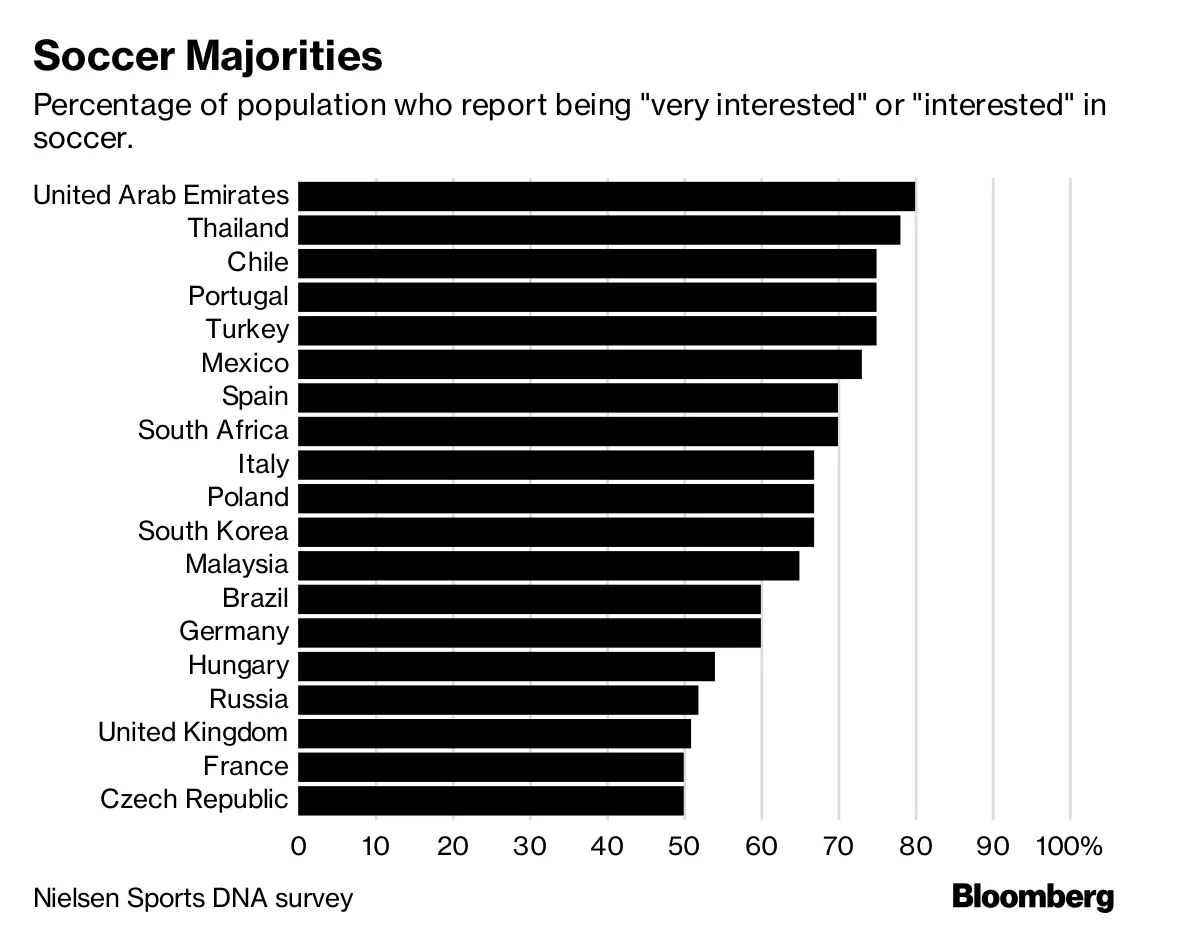
It comes as no surprise to many that Football (Soccer) reigns supreme as the most watched sport in the world. With an estimated 3.5 billion fans, its reach is unparalleled. This popularity is deeply rooted in its simplicity, accessibility, and the sheer passion it ignites.

A Universal Language
Football’s appeal lies in its straightforward rules and the minimal equipment required to play, making it accessible to people of all socioeconomic backgrounds in virtually every corner of the globe. From the sprawling favelas of Brazil to the urban centers of Europe, a ball and a patch of ground are often all that’s needed to start a game. This universal accessibility has fostered a deeply ingrained cultural connection with the sport in many nations, where it is more than just a game; it’s a significant part of national identity and social life.
The FIFA World Cup: A Global Unifier
The pinnacle of football’s global appeal is undoubtedly the FIFA World Cup. Held every four years, this tournament captivates billions, with the final match alone drawing an audience that can exceed 1.1 billion viewers worldwide. The event transcends sports, becoming a cultural phenomenon that unites nations in a shared quest for glory. The intense rivalries, the national pride, and the sheer drama of the competition make it an unmissable event for football fans and even casual observers.
Club Football’s Dominance
Beyond international competitions, club football boasts immense popularity. Leagues like the English Premier League, Spain’s La Liga, and Italy’s Serie A have massive global followings, thanks to their high level of skill, compelling narratives, and extensive media coverage. The UEFA Champions League, featuring the elite clubs of Europe, is another titan of viewership, attracting hundreds of millions of fans who tune in to witness the highest level of club competition. The continuous cycle of league play, cup competitions, and continental tournaments ensures that football is a constant presence in the lives of its fans.
Cricket: A Global Phenomenon with Deep Roots
While often perceived as more regional in its popularity, Cricket commands a truly staggering global audience, estimated at around 2.5 billion fans. Its dominance is particularly strong in the Indian subcontinent, Australia, the United Kingdom, and parts of Africa and the Caribbean, making it a sport with significant international influence.
The Passion of South Asia
The sheer population of countries like India, Pakistan, Bangladesh, and Sri Lanka means that even a niche interest can translate into massive viewership figures. In these regions, cricket is a religion, deeply interwoven with the cultural fabric. Major tournaments like the ICC Cricket World Cup and the ICC T20 World Cup draw enormous audiences, often exceeding hundreds of millions for key matches. The Indian Premier League (IPL) has emerged as one of the most lucrative and watched sports leagues globally, leveraging celebrity endorsements, high production values, and intense competition to captivate audiences.
Evolution and Modernization
Cricket has evolved significantly, with the introduction of shorter formats like Twenty20 (T20) making the game more fast-paced and accessible to a wider audience, including those who might find the traditional Test match format too long. This modernization has been crucial in maintaining and growing its appeal in the face of competition from other sports. The strategic marketing and broadcasting of cricket matches, particularly in its most popular regions, have further solidified its position as a global spectator sport.
Basketball: An American Import with Global Reach
Basketball has witnessed a remarkable surge in global popularity over the past few decades, now estimated to have around 2.2 billion fans. While its roots are firmly planted in the United States, its appeal has spread like wildfire across continents.
The NBA’s International Strategy
The National Basketball Association (NBA) has been incredibly effective in its international expansion strategy. By marketing its stars as global icons and actively promoting the league in key international markets, the NBA has built a massive and dedicated fan base. Players like Michael Jordan, Kobe Bryant, and LeBron James have become household names worldwide, transcending the sport and influencing popular culture. The league’s commitment to broadcasting games globally, coupled with engaging social media content and international tours, has made basketball a truly global phenomenon.
Growing Popularity Worldwide
Beyond the NBA, basketball is experiencing significant growth in other regions, particularly in Europe, Asia, and Africa. Domestic leagues are gaining traction, and international competitions like the FIBA Basketball World Cup are attracting increasing attention. The dynamic, fast-paced nature of basketball makes it an exciting sport to watch, and its relative simplicity in terms of rules allows for easy understanding by new audiences. The emergence of international talent within the NBA also helps to connect with fans in their home countries.
Emerging Sports and Future Trends
While football, cricket, and basketball hold the top spots, the landscape of sports viewership is constantly evolving. Technological innovations, shifting cultural preferences, and new marketing approaches continue to shape what audiences tune in to watch.
The Rise of Esports and Digital Sports
The burgeoning world of Esports represents a significant shift in the sports entertainment landscape. Professional video gaming tournaments, featuring popular titles like League of Legends, Dota 2, and Counter-Strike: Global Offensive, now attract millions of viewers, rivaling traditional sports events. These competitions are heavily reliant on digital platforms for broadcasting and fan engagement, mirroring the trends seen in traditional sports but with an even greater emphasis on online communities and accessibility. Esports is not just a niche interest; it’s a rapidly growing industry with significant financial backing, professional teams, and celebrity endorsements, indicating its long-term potential.
The Growing Appeal of Combat Sports and Motorsports
Combat sports, such as boxing and mixed martial arts (MMA), continue to draw substantial global audiences, particularly for major bouts and championship fights. The raw athleticism, individual narratives, and dramatic showdowns inherent in these sports create compelling viewing experiences. Similarly, motorsports, especially Formula 1 and MotoGP, have seen a resurgence in popularity, driven by technological advancements in broadcasting that offer immersive perspectives and by sophisticated marketing that builds dramatic rivalries and highlights technological innovation. The strategic branding of these events as high-octane spectacles further enhances their appeal to a global audience.
The future of sports viewership is undoubtedly tied to its ability to adapt to technological advancements, leverage digital platforms for engagement, and continue to build compelling narratives around athletes and competitions. As new sports emerge and existing ones evolve, the definition of “most watched” will continue to be a dynamic and fascinating metric to track.
aViewFromTheCave is a participant in the Amazon Services LLC Associates Program, an affiliate advertising program designed to provide a means for sites to earn advertising fees by advertising and linking to Amazon.com. Amazon, the Amazon logo, AmazonSupply, and the AmazonSupply logo are trademarks of Amazon.com, Inc. or its affiliates. As an Amazon Associate we earn affiliate commissions from qualifying purchases.