
In the medical world, there is an old adage: “When you hear hoofbeats, think horses, not zebras.” For decades, this principle has guided diagnostic reasoning, encouraging clinicians to focus on common ailments rather than obscure ones. However, for patients suffering from the world’s most rare cancers—defined generally as those affecting fewer than 6 in 100,000 people—this “horse-centric” approach has often led to tragic delays.
Fortunately, we are entering an era where the “zebras” of the oncology world are no longer invisible. Through the lens of cutting-edge technology, the landscape of rare cancer diagnosis and treatment is being fundamentally rewritten. From the implementation of artificial intelligence in pathology to the use of quantum computing in drug discovery, technology is bridging the gap that rare cancers have occupied for centuries.
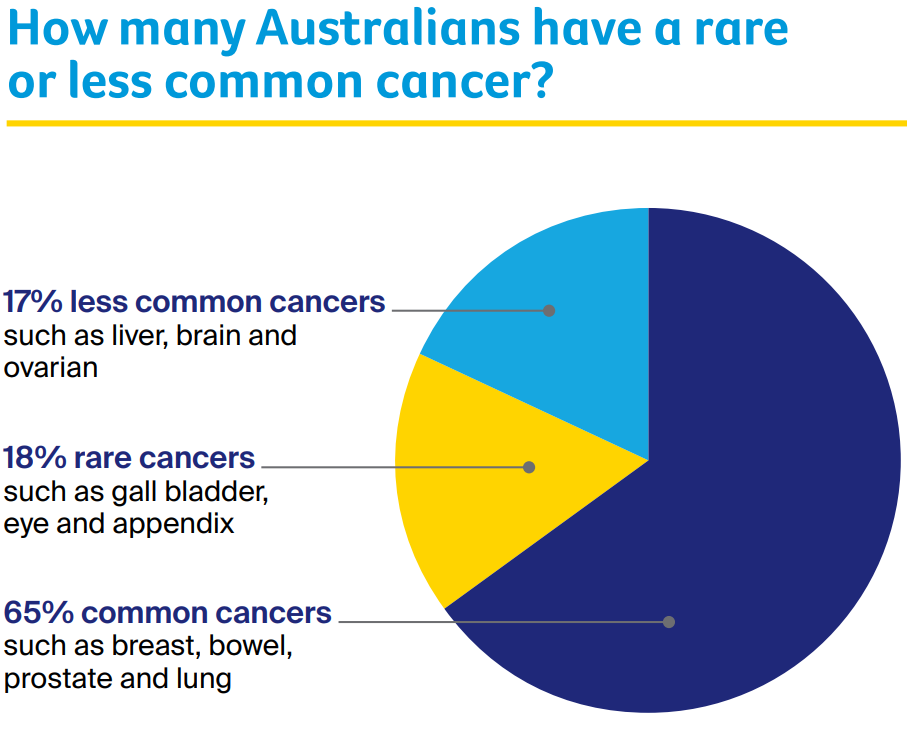
The Diagnostic Challenge: Why Rare Cancers Need High-Tech Solutions
Rare cancers, such as Merkel cell carcinoma, chordoma, or various types of soft tissue sarcomas, present a unique set of challenges that traditional medicine is ill-equipped to handle. The primary hurdle is the sheer lack of data. Because these conditions occur so infrequently, a single oncologist might go an entire career without seeing a specific type of rare tumor. This is where technology steps in to democratize expertise and standardize detection.
The Data Scarcity Problem and Big Data Analytics
In common cancers like breast or lung cancer, researchers have access to millions of data points, allowing for robust clinical trials and clear treatment protocols. Rare cancers suffer from a fragmented data landscape. Modern Big Data platforms are now being used to aggregate these “small data” sets from around the world. By using specialized databases and cloud-based repositories, researchers can pool genomic and clinical information from disparate hospitals in different countries, creating a “critical mass” of data that allows for meaningful analysis.
Digital Pathology and AI-Enhanced Image Recognition
The traditional method of identifying a cancer involves a pathologist looking at a tissue slide under a microscope. With rare cancers, the morphology of the cells can be incredibly deceptive. Digital pathology—the process of converting physical slides into high-resolution digital files—allows these images to be analyzed by AI algorithms. These algorithms, trained on vast libraries of both common and rare tissue samples, can identify subtle cellular patterns that are invisible to the human eye. This ensures that a patient in a rural clinic can receive a diagnosis with the same level of accuracy as one at a premier research institution.
Artificial Intelligence and the Identification of Rare Malignancies
Artificial Intelligence (AI) is the most transformative force in modern oncology, particularly for the most rare cancers. While human intuition is limited by experience, AI is limited only by the information it can process. For rare cancers, where the symptoms are often non-specific and the progression is unpredictable, AI acts as an early-warning system.
Machine Learning Algorithms in Predictive Oncology
Machine learning (ML) models are currently being developed to sift through electronic health records (EHRs) to find “hidden” rare cancer patients. By analyzing combinations of symptoms, lab results, and imaging reports that might seem unrelated to a human doctor, ML can flag patients who may be in the early stages of a rare malignancy like ocular melanoma or Waldenström macroglobulinemia. This shift from reactive to predictive oncology is vital for rare cancers, which are often diagnosed only after they have reached an advanced stage.
Natural Language Processing (NLP) in Clinical Documentation
Much of the valuable information about rare cancers is buried in “unstructured data”—the notes doctors write during consultations or the descriptions in pathology reports. Natural Language Processing (NLP) is a branch of AI that allows computers to “read” and understand this text. By deploying NLP tools across global medical networks, researchers can identify trends in how rare cancers present and how they respond to off-label treatments, effectively turning every patient’s journey into a data point for future success.
Genomic Sequencing: The Technological Blueprint for Precision Medicine

The most significant technological breakthrough for rare cancers has been the maturation of Next-Generation Sequencing (NGS). In the past, cancers were categorized by where they started in the body (the organ of origin). Today, technology allows us to look at the “code” of the tumor itself.
Next-Generation Sequencing (NGS) and Its Role
For many rare cancers, the site of the tumor is less important than the genetic mutation driving its growth. NGS technology allows scientists to sequence the entire genome of a rare tumor quickly and affordably. This has led to the discovery that some rare cancers share the same genetic “drivers” as more common ones. For example, a rare salivary gland cancer might share a mutation with a common type of breast cancer, allowing doctors to use existing, effective tech-driven therapies for the rare condition. This “basket trial” approach, powered by genomic sequencing, is a game-changer for patients with no standard of care.
Cloud Computing for Large-Scale Genomic Data
A single human genome produces a massive amount of data, and a tumor genome is even more complex. Analyzing this data requires immense computational power. Cloud computing platforms like AWS and Google Cloud have created dedicated environments for genomic processing. These platforms allow researchers to run complex simulations of how a rare tumor might react to different chemical compounds, significantly shortening the timeline for drug discovery and personalized treatment planning.
The Rise of Health-Tech Ecosystems and Virtual Tumor Boards
Because rare cancers are so infrequent, the expertise required to treat them is often concentrated in a handful of global centers. Technology is dismantling these geographical barriers, ensuring that a patient’s zip code does not determine their survival rate.
Telemedicine and Global Collaboration Tools
The evolution of high-speed telecommunications has enabled the “Virtual Tumor Board.” This is a digital forum where surgeons, oncologists, radiologists, and geneticists from around the world can meet via secure video conferencing to discuss a single patient’s case. Using integrated software that allows for real-time viewing of imaging and pathology, these global experts can collaborate on a treatment plan for a rare cancer that none of them could have managed as effectively in isolation.
Patient-Led Tech Platforms and Decentralized Clinical Trials
One of the biggest hurdles in rare cancer research is finding enough patients for a clinical trial. Technology has empowered patients to become their own advocates through specialized online platforms. These “Patient-Powered Research Networks” allow individuals with the same rare cancer to find each other, share data, and alert one another to new trials. Furthermore, “decentralized clinical trials” (DCTs) use wearable tech and remote monitoring apps to allow patients to participate in research from their own homes, eliminating the need to travel to a distant city and dramatically increasing the enrollment rates for rare cancer studies.
Future Horizons: Nanotechnology and Synthetic Biology
As we look toward the future, the technology being developed for rare cancers is becoming increasingly sophisticated, moving from the macro level of hospital systems down to the nano level of the human cell.
Nanobots and Targeted Drug Delivery
For many rare cancers, traditional chemotherapy is too “blunt” an instrument, often causing more harm than good. Nanotechnology offers a “smart” alternative. Scientists are developing nanoparticles and microscopic “nanobots” programmed to seek out specific biomarkers found only on rare cancer cells. These tiny machines can deliver high doses of medication directly to the tumor, sparing healthy tissue and significantly reducing side effects. This level of precision is particularly crucial for rare cancers located in sensitive areas, such as the brain or spinal cord.

The Integration of Quantum Computing in Drug Discovery
The most exciting frontier is the application of quantum computing. Traditional computers struggle with the complexity of molecular folding and chemical interactions. Quantum computers, however, can simulate these processes with ease. In the context of rare cancers, where pharmaceutical companies are often hesitant to invest due to the small market size, quantum computing can drastically lower the cost and risk of drug development. By virtually testing millions of compounds against a rare cancer’s molecular profile in a matter of days, this technology could unlock cures that were previously deemed “unprofitable” or too complex to discover.
In conclusion, while the most rare cancers remain a formidable challenge to global health, the rapid advancement of technology is providing a new sense of hope. By leveraging AI, genomics, and global connectivity, we are turning the “zebras” of medicine into a well-mapped and treatable landscape. The future of oncology is not just about treating the many; it is about using the highest levels of technological innovation to ensure that no patient, no matter how rare their condition, is left behind.
aViewFromTheCave is a participant in the Amazon Services LLC Associates Program, an affiliate advertising program designed to provide a means for sites to earn advertising fees by advertising and linking to Amazon.com. Amazon, the Amazon logo, AmazonSupply, and the AmazonSupply logo are trademarks of Amazon.com, Inc. or its affiliates. As an Amazon Associate we earn affiliate commissions from qualifying purchases.