
The allure of exquisite craftsmanship, rare materials, and unparalleled artistry often drives the creation of luxury goods that transcend mere utility and enter the realm of high finance. Among these coveted items, footwear has emerged as a surprising yet potent symbol of extreme wealth and status. While the average consumer might associate expensive shoes with designer labels and premium leather, the pinnacle of footwear expense reaches astronomical figures, driven by factors that extend far beyond brand name alone. This exploration delves into the world of the most expensive shoes, examining the financial underpinnings that justify their extraordinary price tags and the market forces that dictate their value.
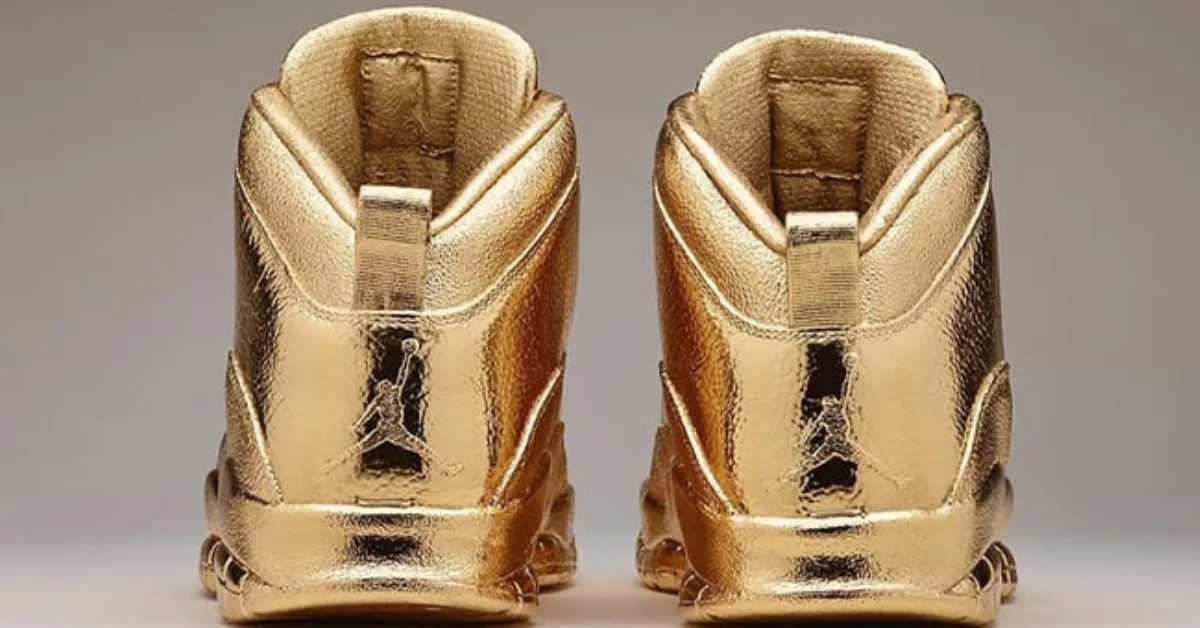
The Economics of Exclusivity: Beyond the Price Tag
The concept of an “expensive shoe” can be subjective, but when we talk about the most expensive, we are venturing into territory defined by meticulously calculated exclusivity, historical significance, and the sheer audacity of their creation. These aren’t shoes bought off the rack, even from the most prestigious boutiques. They are often one-of-a-kind pieces, commissioned works, or items steeped in provenance that imbue them with a value that far surpasses their material cost.
The Intrinsic Value of Rarity and Craftsmanship
At the heart of any exceptionally priced item lies its inherent rarity. This can manifest in several ways within the footwear domain. Firstly, the materials themselves can be incredibly scarce and costly. Think of diamonds, precious metals, and exotic leathers sourced from endangered or difficult-to-obtain animals. The more difficult and risky the acquisition of these materials, the higher their baseline cost.
Beyond the materials, the sheer labor and expertise involved in their creation are paramount. Imagine hours, even months, of painstaking hand-stitching by master artisans, each with decades of experience. These are not factories churning out thousands of pairs; these are ateliers where each shoe is a testament to individual skill and dedication. The investment in such human capital, combined with the time required, naturally inflates the price. For instance, the process of embedding thousands of diamonds, each meticulously cut and polished, into a shoe demands an incredibly specialized skillset and a significant time commitment from gem setters and shoemakers working in tandem.
The Role of Design and Artistic Vision
Often, the most expensive shoes are not just footwear; they are wearable art. Designers at the forefront of haute couture and luxury goods recognize the potential for shoes to be a canvas for their creative vision. This artistic input, often backed by years of training and a reputation for innovation, adds another layer to the economic equation. The conceptualization, sketching, prototyping, and iterative refinement of a truly unique design require significant creative capital.
Furthermore, the integration of non-traditional elements, such as intricate embroidery, bespoke embellishments, or even miniature sculptures, elevates a shoe from a functional item to a statement piece. These artistic flourishes often require collaborations with other skilled artisans, such as jewelers, embroiderers, or sculptors, further increasing the complexity and cost of production. The value here is not just in the physical object but in the artistic narrative and the designer’s legacy.
Unpacking the Factors Driving Astronomical Shoe Prices
When we look at the shoes that regularly top the lists of the most expensive in the world, a few recurring themes emerge, all contributing to their stratospheric valuations. These factors combine to create a product so exclusive and desirable that its price becomes a secondary consideration for a select, ultra-wealthy clientele.
Historical Significance and Provenance
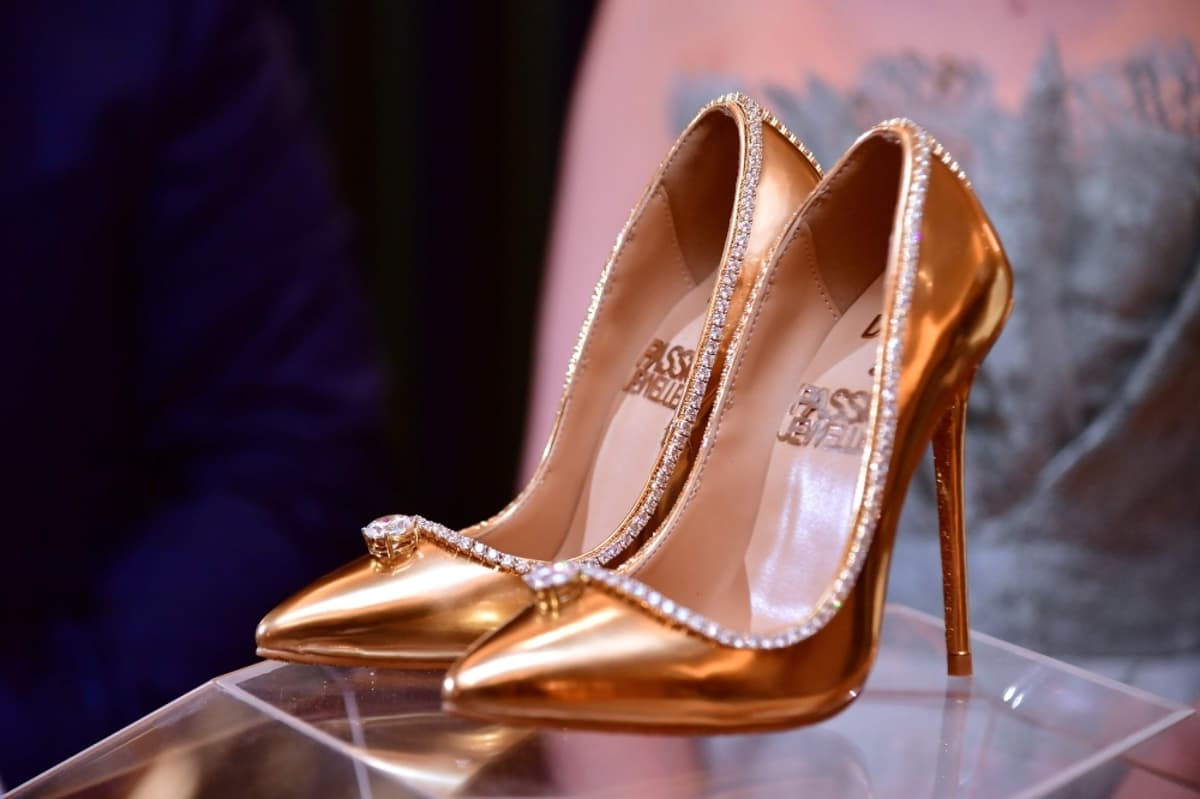
One of the most potent drivers of extreme value in any collectible, including shoes, is provenance – the history and origin of the item. Shoes that have been worn by royalty, legendary athletes, iconic celebrities, or have played a significant role in historical events can command astronomical sums at auction or through private sales. This is not about the intrinsic value of the materials but about the intangible value derived from association.
Consider shoes that were part of a famous performance, a pivotal sporting victory, or belonged to a monarch. These items become imbued with a narrative that transcends their physical form. Collectors are not just buying a pair of shoes; they are buying a piece of history, a tangible connection to a person or event that has shaped the world. The scarcity of such items, coupled with the intense desire of collectors to own a piece of that history, creates a market where prices can soar far beyond any conventional valuation. The story behind the shoe becomes as valuable, if not more so, than the shoe itself.
The Psychology of Ultra-Luxury and Status Signaling
The ultra-luxury market operates on a different set of principles than the mainstream. For the ultra-high-net-worth individual, extreme expense is often not about practicality but about signaling. The most expensive shoes in the world are not merely purchased for their comfort or durability; they are acquired as potent symbols of wealth, status, and discernment.
Owning such an item communicates an individual’s ability to access the rarest, most exquisite, and often the most exclusive products available. It’s a form of conspicuous consumption that differentiates them from the rest of the populace. The psychological impact of owning something that very few, if any, others can, is a significant part of its perceived value. This isn’t about utility; it’s about belonging to an elite echelon, a club whose membership is signaled by such extraordinary possessions. The social currency derived from owning these items is a powerful motivator, driving demand and justifying the immense price tags.
Investing in Footwear: A New Frontier for High-Net-Worth Individuals?
While not a conventional investment class for the average person, the market for the most expensive shoes is increasingly attracting the attention of sophisticated investors and collectors who understand the nuances of value appreciation in unique luxury goods.
The Appreciating Asset: Collectibles and Investment Potential
For certain meticulously crafted and historically significant shoes, the potential for appreciation exists. Unlike mass-produced luxury goods that may depreciate over time, bespoke, one-of-a-kind, or historically important footwear can become highly sought-after collectibles. Their value can increase due to factors such as the growing scarcity of original examples, the increasing wealth of potential buyers, and the enduring appeal of the stories and craftsmanship they represent.
These aren’t investments made with the expectation of regular dividends or quick returns. Instead, they are long-term plays, akin to investing in fine art or rare vintage cars. The acquisition is often driven by a passion for the item, with the hope that its value will grow over time, providing a significant return on investment when eventually sold. The discerning eye of a collector who understands the market dynamics and can identify truly exceptional pieces is crucial for success in this niche.

Navigating the Market: Due Diligence and Expert Valuation
Engaging with the market for the world’s most expensive shoes requires a significant degree of due diligence and often the guidance of experts. Authenticity, condition, provenance, and rarity are all critical factors that influence a shoe’s market value. Buyers must be aware of the potential for fakes or misrepresentations and should seek appraisals from reputable sources.
Auction houses specializing in luxury goods, established dealers in rare collectibles, and expert appraisers can provide invaluable insights and facilitate transactions. Understanding the history of similar items, their past sales records, and the current market demand is essential for making informed decisions. For those entering this space, education and expert advice are not just beneficial; they are a necessity to avoid costly mistakes and to identify opportunities for genuine investment. The world of incredibly expensive shoes is a fascinating intersection of art, history, craftsmanship, and high finance, offering a glimpse into the extreme end of luxury consumerism and investment.
aViewFromTheCave is a participant in the Amazon Services LLC Associates Program, an affiliate advertising program designed to provide a means for sites to earn advertising fees by advertising and linking to Amazon.com. Amazon, the Amazon logo, AmazonSupply, and the AmazonSupply logo are trademarks of Amazon.com, Inc. or its affiliates. As an Amazon Associate we earn affiliate commissions from qualifying purchases.