
Navigating the landscape of mortgage interest rates can feel like deciphering a complex financial code. For most individuals, a mortgage represents the single largest financial commitment of their lives, making the interest rate a critical determinant of affordability and long-term cost. Understanding what drives these rates, how they are calculated, and strategies for securing the most favorable terms is paramount for any prospective homeowner or those considering refinancing.
Understanding the Dynamics of Mortgage Interest Rates
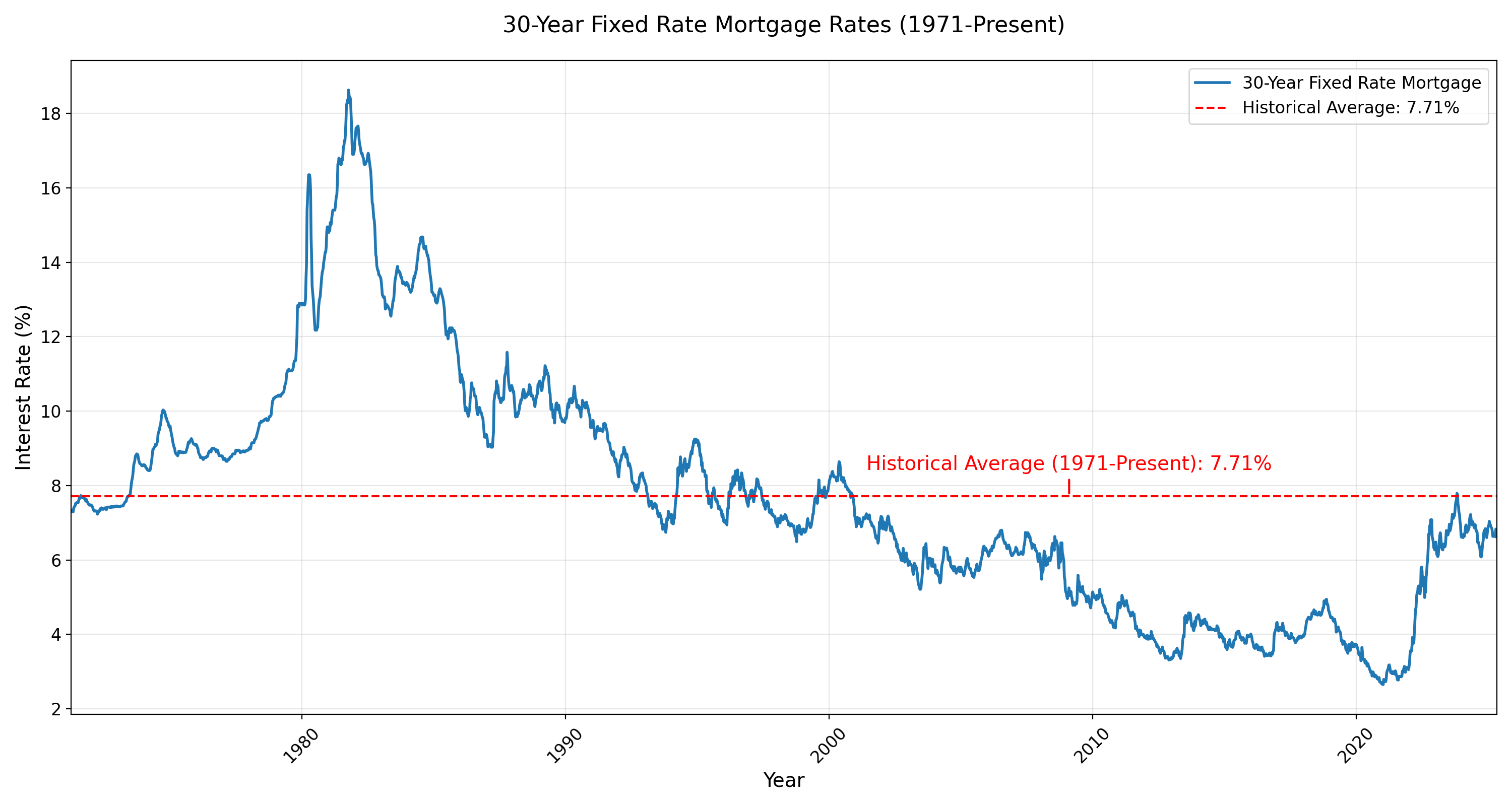
Mortgage interest rates are not static figures; they fluctuate daily, sometimes hourly, in response to a myriad of economic forces. These rates represent the cost of borrowing money to purchase a home, expressed as a percentage of the loan amount. The difference of even a quarter of a percentage point can translate into tens of thousands of dollars over the lifetime of a 30-year mortgage.
Fixed-Rate vs. Adjustable-Rate Mortgages (ARMs)
The primary distinction in mortgage products lies between fixed-rate and adjustable-rate mortgages.
- Fixed-Rate Mortgages: These loans maintain the same interest rate for the entire duration of the loan term, typically 15 or 30 years. This predictability offers stability, allowing homeowners to budget with certainty, knowing their principal and interest payment will not change. They are particularly attractive in environments where interest rates are expected to rise or for borrowers who prioritize long-term financial stability.
- Adjustable-Rate Mortgages (ARMs): ARMs, conversely, feature an initial fixed interest rate for a specific period (e.g., 3, 5, 7, or 10 years), after which the rate adjusts periodically based on an underlying index plus a margin. While ARMs often start with a lower interest rate than fixed-rate mortgages, offering a lower initial monthly payment, they introduce the risk of significant payment increases if interest rates climb. ARMs typically come with caps that limit how much the interest rate can change in a single adjustment period and over the life of the loan. They might be suitable for buyers who plan to sell or refinance before the fixed period ends, or those who anticipate a future increase in their income.
Key Factors Influencing Rate Fluctuations
Several macroeconomic indicators and monetary policies play a pivotal role in shaping mortgage interest rates.
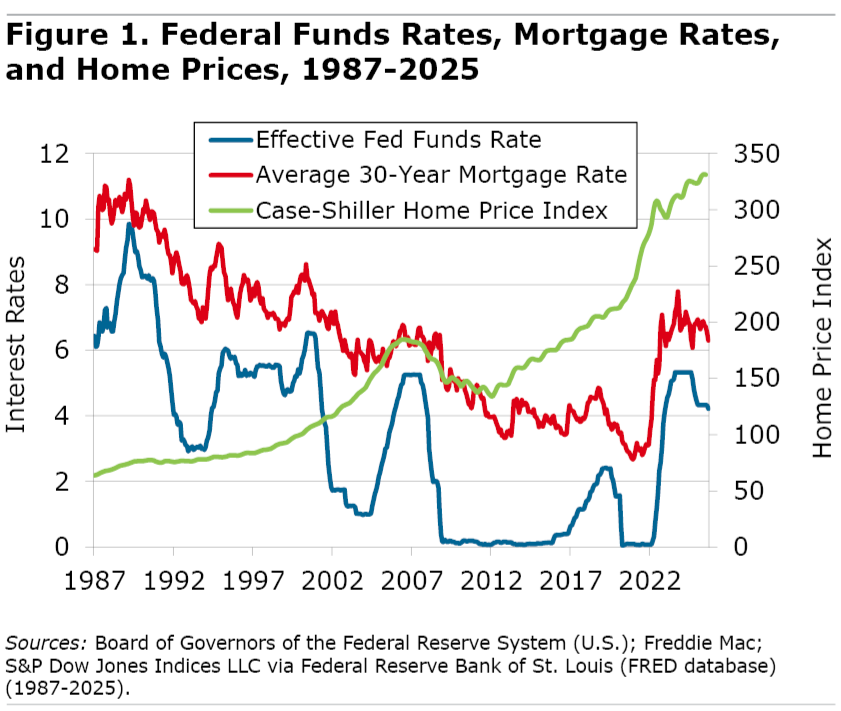
- The Federal Reserve’s Monetary Policy: While the Federal Reserve does not directly set mortgage rates, its actions significantly influence them. By raising or lowering the federal funds rate – the target rate for overnight lending between banks – the Fed impacts the broader cost of money in the economy. This, in turn, influences the rates on consumer loans, including mortgages. When the Fed signals a tighter monetary policy to combat inflation, mortgage rates typically rise. Conversely, an accommodative policy designed to stimulate economic growth often leads to lower rates.
- Inflation: Inflation erodes the purchasing power of money. Lenders factor in inflation when setting rates to ensure the real return on their loans remains positive. High inflation generally leads to higher interest rates as lenders seek to protect their future earnings from devaluation.
- Economic Growth and Employment: A robust economy, characterized by strong GDP growth and low unemployment, often correlates with higher interest rates. This is because economic expansion can fuel inflation, and demand for credit tends to increase, allowing lenders to charge more. Conversely, economic slowdowns or recessions often see central banks lowering rates to stimulate activity, which can translate to lower mortgage rates.
- Housing Market Demand: The simple law of supply and demand also plays a role. In periods of high housing demand, lenders may be able to charge slightly higher rates due to the sheer volume of borrowers. However, this factor is typically secondary to broader economic forces.
- Bond Market Performance: Mortgage rates are closely tied to the yields on U.S. Treasury bonds, particularly the 10-year Treasury note. Mortgage-backed securities (MBS) compete with Treasuries for investor dollars. When Treasury yields rise, MBS must offer higher yields (and thus higher mortgage rates) to remain attractive to investors.
How Mortgage Lenders Determine Your Rate
While macroeconomic factors set the overall market trend for interest rates, individual lenders also assess specific aspects of a borrower’s financial profile to determine the personalized rate offered. This is where your financial health truly comes into play.
Your Credit Score: The Cornerstone
Your credit score is arguably the most significant factor lenders consider. It reflects your history of borrowing and repaying debt, serving as a powerful indicator of your creditworthiness. A higher credit score (typically FICO scores above 740-760) signals to lenders that you are a lower-risk borrower, making you eligible for the most competitive interest rates. Conversely, a lower credit score indicates a higher risk, often resulting in a higher interest rate to compensate the lender for that perceived risk.
Debt-to-Income (DTI) Ratio and Loan-to-Value (LTV) Ratio
- Debt-to-Income (DTI) Ratio: This ratio compares your total monthly debt payments (including the prospective mortgage payment) to your gross monthly income. Lenders use DTI to assess your ability to manage monthly payments. A lower DTI ratio (typically below 43%) indicates you have more disposable income to cover your mortgage, making you a less risky borrower and potentially qualifying you for better rates.
- Loan-to-Value (LTV) Ratio: LTV compares the amount of the loan to the appraised value of the home. It is calculated by dividing the loan amount by the home’s value. A lower LTV ratio, which means you’ve made a larger down payment, reduces the lender’s risk. For instance, a 20% down payment results in an 80% LTV, which generally secures a more favorable interest rate than a loan with a 5% down payment (95% LTV).
Loan Term and Type
The length of your mortgage term also impacts the interest rate. Shorter-term loans (e.g., 15-year fixed) typically carry lower interest rates than longer-term loans (e.g., 30-year fixed). This is because lenders are exposed to risk for a shorter period on a 15-year mortgage. The type of loan also matters: conventional loans, FHA loans, VA loans, and USDA loans each have different qualifying criteria and risk profiles, which can influence the rates offered.
Down Payment Size
A larger down payment directly translates to a lower loan-to-value (LTV) ratio, which is favorable to lenders. When you put down more money upfront, you reduce the amount you need to borrow, lessening the lender’s risk in case of default. This reduced risk often results in access to lower interest rates. Additionally, a substantial down payment (typically 20% or more) can help you avoid private mortgage insurance (PMI), which adds to your monthly housing costs.
Strategies for Securing the Best Possible Rate
Given the significant financial implications, actively pursuing the best available mortgage interest rate is a wise financial move.
Improving Your Financial Profile
Before applying for a mortgage, take proactive steps to strengthen your financial standing.
- Boost Your Credit Score: Pay bills on time, reduce existing credit card balances, avoid opening new lines of credit, and correct any errors on your credit report.
- Reduce Your DTI Ratio: Pay down existing debts, such as credit card balances, personal loans, or auto loans. This demonstrates greater financial capacity to handle mortgage payments.
- Save for a Larger Down Payment: The more you can put down, the lower your LTV will be, often leading to better rates and potentially avoiding PMI.
Shopping Around for Lenders
One of the most effective strategies is to compare offers from multiple lenders. Don’t simply go with the first quote you receive. Apply with at least three to five different lenders, including traditional banks, credit unions, and online mortgage brokers. Each lender has different overheads, risk appetites, and product offerings, meaning the rates and fees they quote can vary significantly. Be transparent with lenders that you are comparing offers; they may be willing to match or beat a competitor’s rate to earn your business.
Considering Mortgage Points
Mortgage points, also known as discount points, are fees paid directly to the lender at closing in exchange for a lower interest rate over the life of the loan. One point typically equals 1% of the loan amount.
- Discount Points: These reduce your interest rate. If you plan to stay in your home for a long time, buying down your rate with points can save you money in the long run. Calculate the breakeven point to determine if it’s financially beneficial.
- Origination Points: These are fees charged by the lender for processing the loan, not for reducing the interest rate. They are part of the overall closing costs. Understanding the distinction is crucial when comparing loan estimates.
Locking In Your Rate
Once you’ve found a favorable interest rate, consider “locking” it in. A rate lock guarantees that the interest rate offered by the lender will remain the same for a specified period (e.g., 30, 45, or 60 days) while your loan application is processed. This protects you from potential rate increases between the time you apply and the time you close. However, be aware of “float-down” options, which allow you to take advantage of lower rates if they drop significantly after you’ve locked, though these often come with a fee.
The Impact of Interest Rates on Your Financial Future
The mortgage interest rate you secure has far-reaching implications beyond just your monthly payment; it shapes the total cost of your homeownership and your financial flexibility.
Monthly Payments and Total Cost of the Loan
Even a small difference in the interest rate can significantly alter your monthly mortgage payment and, more importantly, the total amount you pay back over the loan’s term. For example, on a $300,000 30-year fixed mortgage, a 0.5% difference in the interest rate could mean hundreds of dollars more or less per month, accumulating to tens of thousands of dollars over the life of the loan. This directly impacts your household budget and long-term wealth accumulation.
Refinancing Opportunities
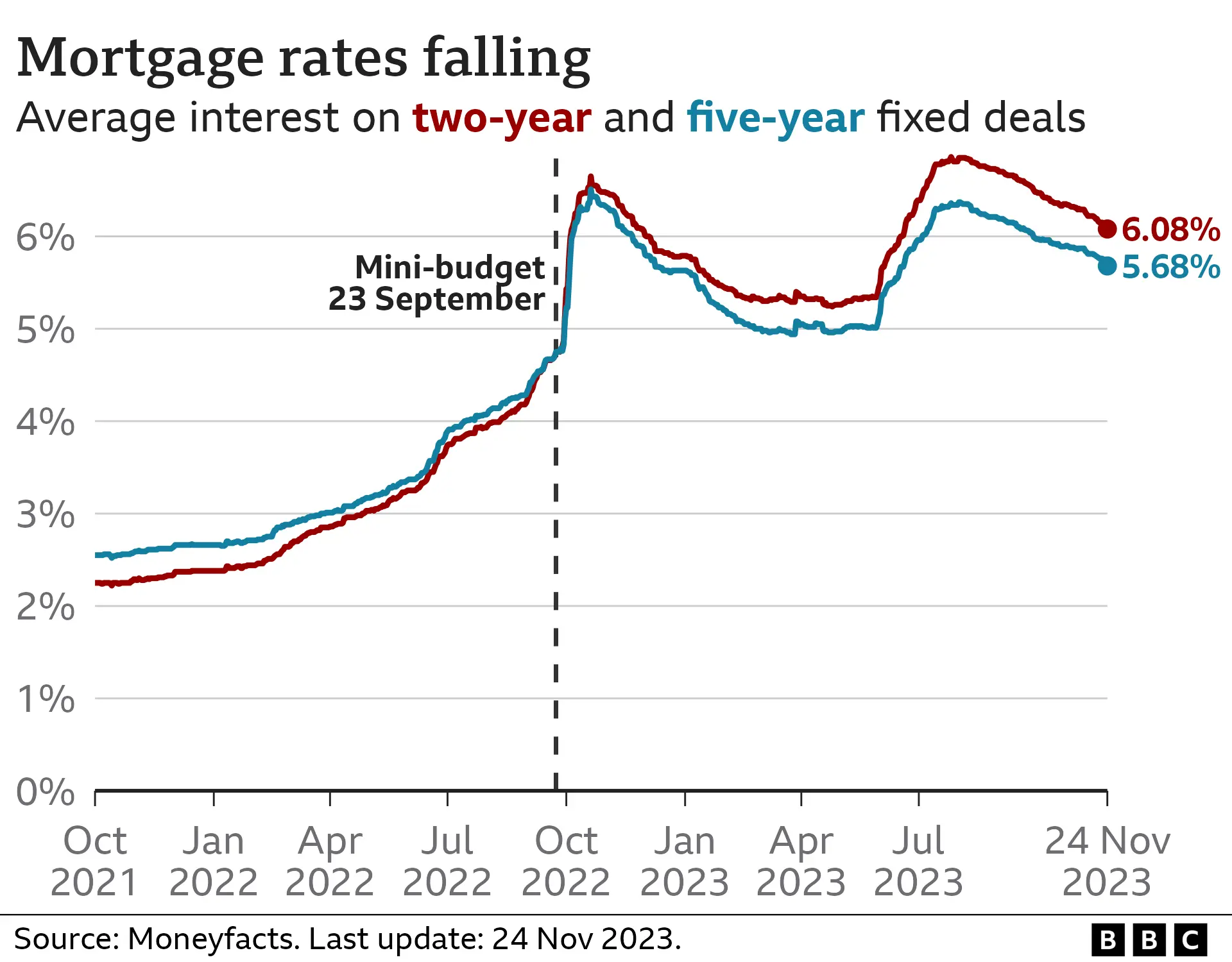
Understanding mortgage interest rates is crucial for identifying potential refinancing opportunities. If market rates drop significantly below your current mortgage rate, refinancing could allow you to secure a lower rate, reduce your monthly payments, shorten your loan term, or even tap into your home equity. Conversely, if rates rise, the window for advantageous refinancing may close, highlighting the importance of timely action.
Market Trends and Future Outlook
Staying informed about economic indicators and expert forecasts for interest rates empowers you to make strategic decisions. While predicting future rates with absolute certainty is impossible, understanding the broader economic climate – inflation trends, Fed policy signals, and employment data – can provide valuable insights. This knowledge allows you to anticipate potential shifts, whether it’s rushing to lock in a rate before an expected hike or holding out for a potential dip.
In essence, mortgage interest rates are a dynamic reflection of the broader economic environment and your individual financial health. By understanding their drivers, proactively managing your credit and finances, and diligently shopping for the best terms, you can position yourself to secure a mortgage that aligns with your financial goals and contributes positively to your long-term wealth.
aViewFromTheCave is a participant in the Amazon Services LLC Associates Program, an affiliate advertising program designed to provide a means for sites to earn advertising fees by advertising and linking to Amazon.com. Amazon, the Amazon logo, AmazonSupply, and the AmazonSupply logo are trademarks of Amazon.com, Inc. or its affiliates. As an Amazon Associate we earn affiliate commissions from qualifying purchases.