
The role of a Certified Nursing Assistant (CNA) is foundational to the healthcare system, serving as the frontline caregivers who provide essential support to patients in various settings, from hospitals and nursing homes to assisted living facilities and home care. Often referred to as nursing assistants, patient care technicians, or nurse aides, CNAs are the eyes, ears, and hands that directly assist individuals with their daily needs, ensuring their comfort, safety, and well-being. While traditionally viewed through the lens of direct patient care, the modern CNA role is increasingly multifaceted, requiring a blend of compassion, technical proficiency, and an understanding of broader professional and financial landscapes. In an era shaped by rapid technological advancements, evolving brand strategies in healthcare, and the ever-present considerations of financial management, the responsibilities of a CNA extend far beyond basic care, touching upon elements that resonate strongly with the principles of tech, branding, and personal finance.
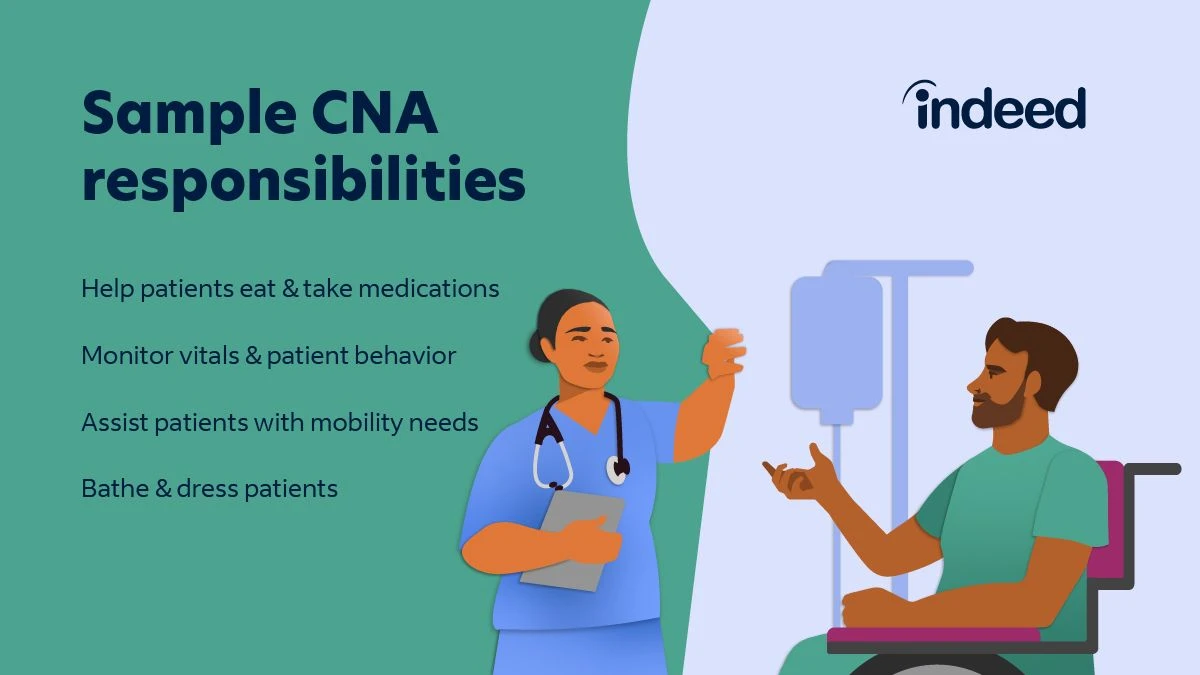
The Core of Care: Fundamental CNA Responsibilities in a Modern Context
At its heart, the CNA role is about direct patient interaction and support. These responsibilities are non-negotiable and form the bedrock of quality patient care, yet even these traditional duties are being influenced by contemporary trends.
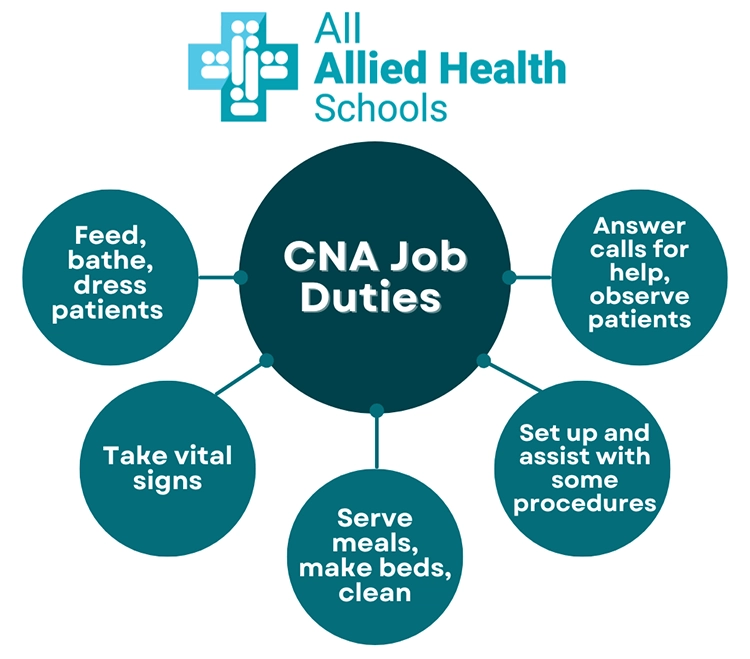
Direct Patient Care and Activities of Daily Living (ADLs)
The most visible aspect of a CNA’s job involves assisting patients with Activities of Daily Living (ADLs). These are the basic self-care tasks that individuals perform on a daily basis. CNAs are instrumental in maintaining patient dignity and promoting independence where possible.
- Personal Hygiene: This includes bathing, showering, oral care, hair care, nail care, and shaving. CNAs ensure patients are clean and comfortable, which is crucial for preventing infections and promoting self-esteem.
- Dressing and Grooming: Helping patients select appropriate clothing, get dressed, and maintain their appearance. This simple act can significantly impact a patient’s mood and overall well-being.
- Mobility and Positioning: Assisting patients with moving in and out of bed, transferring to wheelchairs, walking with assistance, and repositioning to prevent bedsores. Proper body mechanics are vital for both patient safety and the CNA’s own health.
- Feeding and Hydration: Helping patients eat and drink, ensuring they receive adequate nutrition and hydration, especially for those with difficulty swallowing or mobility issues. This often involves monitoring intake and output.
- Toileting and Incontinence Care: Assisting patients with using the restroom, bedpans, urinals, and providing perineal care. Managing incontinence products and maintaining skin integrity are critical tasks.
Tech Integration: Even in these fundamental tasks, technology plays an increasingly significant role. Smart beds with pressure sensors can alert CNAs to the need for repositioning. Digital scales and automated vital sign monitors streamline data collection. Patient communication apps can facilitate quick requests for assistance, reducing response times. Understanding and operating these gadgets and software tools is becoming an essential part of a CNA’s daily routine, improving efficiency and patient safety.
Brand Impact: How a CNA performs these duties directly impacts the “brand” of the healthcare facility. A CNA’s empathy, communication skills, and respectful approach during intimate care tasks contribute significantly to patient satisfaction and, by extension, the facility’s reputation and brand identity. Excellent care at this fundamental level translates into positive patient experiences, vital for a healthcare organization’s corporate identity and marketing efforts.
Health Monitoring, Documentation, and Reporting
CNAs are often the first to notice changes in a patient’s condition, making their observational skills invaluable. They are responsible for accurately collecting and reporting data that informs the broader care team.
- Vital Signs: Taking and recording temperature, pulse, respiration, and blood pressure. Understanding what constitutes a normal range and when to report abnormalities is crucial.
- Observing and Reporting Changes: Monitoring patients for changes in physical or mental status, such as altered consciousness, skin breakdown, pain levels, or unusual behaviors. Promptly reporting these observations to nurses or supervisors.
- Documentation: Accurately charting patient care activities, intake and output, vital signs, and any significant observations. This documentation forms part of the legal health record.
Tech Integration: Electronic Health Records (EHRs) have revolutionized documentation. CNAs are increasingly expected to be proficient in using these software systems to input data, retrieve patient information, and even communicate with other healthcare providers. Handheld digital devices for charting at the bedside enhance accuracy and real-time updates. Training on these digital security protocols is paramount to protect sensitive patient information.
Money Impact: Accurate and timely documentation is not just about patient care; it has significant financial implications. Proper charting supports billing and reimbursement processes, ensuring the facility is paid for the services rendered. Inaccurate or incomplete documentation can lead to denied claims, directly affecting the organization’s financial health.
Navigating the Modern Healthcare Landscape: Tech Integration for CNAs
The digital transformation sweeping across industries has profoundly impacted healthcare, and CNAs are at the forefront of adopting new technologies to enhance care delivery and efficiency.
Leveraging Digital Tools for Efficiency and Communication
Modern healthcare environments rely heavily on digital solutions to manage operations and improve patient outcomes. CNAs are key users of these systems.
- Electronic Health Records (EHRs/EMRs): Beyond basic charting, CNAs use EHRs to access patient care plans, dietary restrictions, allergy lists, and medication schedules (though medication administration is typically for nurses). Proficiency in navigating these complex systems is a core skill.
- Patient Communication Platforms: Many facilities use secure messaging apps or integrated communication systems to allow CNAs to quickly relay information to nurses, doctors, and other team members, or even to communicate directly with patients/families (under supervision).
- Scheduling and Task Management Software: Digital systems manage CNA assignments, shift schedules, and patient care tasks, helping to optimize workflow and productivity.
- Telehealth and Remote Monitoring: While more often managed by nurses, CNAs may be involved in setting up or assisting patients with remote monitoring devices, ensuring they are correctly applied and data is transmitted. As telehealth expands, CNAs may find themselves assisting with virtual patient check-ins.
Tech Implications: This reliance on technology requires CNAs to develop strong digital literacy skills. They must be comfortable with various apps, gadgets, and software interfaces. Understanding basic troubleshooting for medical devices and ensuring digital security for patient data are increasingly important competencies. Continuous learning about new AI tools and digital solutions designed to assist care staff is crucial for staying relevant and effective.
Understanding and Utilizing Medical Technology
From basic assistive devices to advanced monitoring equipment, CNAs interact with a range of medical technologies daily.
- Assistive Devices: Utilizing mechanical lifts, specialized beds, wheelchairs, walkers, and other equipment designed to aid patient mobility and safety.
- Diagnostic and Monitoring Equipment: Operating basic glucose meters, pulse oximeters, and bladder scanners, and understanding the readings.
- Smart Wearables: In some settings, CNAs may assist patients with wearable devices that track vital signs, sleep patterns, or activity levels, providing continuous data for the care team.
Tech Implications: Training on the safe and effective use of these gadgets is vital. CNAs must not only operate them but also understand their purpose and how they contribute to patient care. This elevates the CNA role beyond manual labor to one requiring a degree of technical acumen and an understanding of the underlying technology trends in healthcare.
Building a Professional Persona: The “Brand” of a CNA
In healthcare, “brand” isn’t just about a logo; it’s about reputation, trust, and the consistent delivery of quality care. A CNA’s individual professionalism directly contributes to this broader brand identity.
Personal Branding in Patient Care
A CNA’s interaction with patients, families, and colleagues shapes their personal brand—an invisible but powerful asset that influences career progression and patient trust.
- Empathy and Compassion: These are hallmarks of a great CNA. Demonstrating genuine care and understanding builds trust and rapport, making patients feel valued and comfortable.
- Effective Communication: Clear, respectful, and patient communication is essential. This includes active listening, explaining procedures simply, and communicating observations accurately to the nursing team.
- Professionalism and Ethics: Adhering to ethical guidelines, maintaining patient confidentiality (a key aspect of digital security in tech), and demonstrating a responsible and respectful demeanor are critical for building a strong professional reputation.
- Reliability and Teamwork: Being punctual, dependable, and a good team player enhances a CNA’s reputation among colleagues and supervisors, contributing to a positive work environment.
Brand Impact: A strong personal brand for a CNA not only benefits their individual career but also significantly impacts the corporate identity of their employer. Patients often associate the quality of care with the individual CNA they interact with most frequently. High-performing CNAs enhance patient satisfaction scores, which are increasingly tied to a facility’s overall rating and financial viability (money aspect). Their reputation directly influences marketing and public perception of the healthcare organization.
Corporate Identity and Team Dynamics
CNAs are representatives of their healthcare facility, and their actions reflect upon the organization’s brand.
- Representing the Facility: Every interaction a CNA has contributes to how patients, families, and the community perceive the healthcare institution. A positive experience reinforces the facility’s brand strategy.
- Inter-departmental Collaboration: Working effectively with nurses, doctors, therapists, and other staff members is crucial. Seamless teamwork ensures coordinated care and enhances the overall patient experience, strengthening the facility’s reputation as a cohesive care provider.
- Adherence to Standards: Following facility policies, procedures, and brand guidelines (e.g., uniform standards, communication protocols) ensures consistency in care delivery and reinforces the corporate identity.
Brand Impact: Healthcare organizations invest heavily in building a positive brand reputation, which attracts patients, skilled staff, and financial backing. CNAs, through their direct patient contact, are powerful brand ambassadors. Case studies of exceptional patient care, often driven by the dedication of CNAs, can be leveraged in marketing efforts to highlight the quality and compassion of a facility.
Financial Acumen and Career Growth: The “Money” Aspect for CNAs
While direct care is paramount, understanding the financial landscape of healthcare and managing personal finances are increasingly relevant for CNAs, impacting both their individual prosperity and their contribution to the organization’s economic health.
Understanding Healthcare Economics and Resource Management
Healthcare is a business, and CNAs play a role in its financial efficiency, often without realizing it.
- Cost-Effective Care: CNAs contribute by judiciously using supplies, preventing waste, and understanding the financial implications of their actions. For example, using appropriate amounts of personal protective equipment (PPE) or managing linens efficiently helps control operational costs.
- Supply Management: Being aware of supply levels and proper inventory practices can prevent shortages or overstocking, both of which have financial impacts.
- Preventing Readmissions: High-quality care from CNAs, particularly in areas like patient education and mobility, can help prevent complications that lead to costly hospital readmissions, which are increasingly penalized by insurance providers.
Money Impact: While CNAs don’t directly handle billing, their detailed documentation (tech aspect) ensures services are accurately recorded for reimbursement. Their efficient use of resources directly affects a facility’s budget and profitability. Understanding these financial tools and how their role contributes to the economic viability of their workplace can foster a greater sense of ownership and responsibility.
Personal Financial Planning and Career Advancement
For CNAs, “money” also relates to their personal financial well-being and career trajectory.
- Salary and Benefits: Understanding typical CNA salary ranges, negotiating fair compensation, and evaluating benefits packages (health insurance, retirement plans) are critical for personal financial planning.
- Continuing Education and Certifications: Investing in further education (e.g., specialized certifications in geriatrics, dementia care, or phlebotomy) can lead to higher-paying roles and career advancement opportunities. This is an investment in personal branding and future earnings.
- Career Pathways: Many CNAs use the role as a stepping stone to become Licensed Practical Nurses (LPNs) or Registered Nurses (RNs). Strategic financial planning for tuition and living expenses during further studies is essential.
- Online Income and Side Hustles: Leveraging CNA skills for online income is less common but possible for experienced individuals. This could include creating educational content about patient care best practices, participating in online surveys for healthcare insights, or exploring private duty care independently (which involves managing one’s own business finance). Side hustles related to caregiving outside traditional employment can supplement income.
- Financial Tools and Personal Finance: Budgeting, saving, investing for retirement, and managing debt are crucial for CNAs, just like any other professional. Accessing financial literacy resources, some of which are available as apps or online tutorials (tech aspect), can empower CNAs to make informed financial decisions.
Money Impact: Proactive financial planning allows CNAs to build wealth, achieve financial stability, and invest in their professional development, which in turn can lead to higher earning potential. Understanding avenues for online income or side hustles related to their expertise offers additional financial flexibility and entrepreneurial opportunities.

Conclusion
The role of a Certified Nursing Assistant is far more dynamic and influential than often perceived. Beyond the direct, compassionate care that remains its core, modern CNAs operate within a complex ecosystem shaped by technology, brand perception, and financial realities. They are not merely caregivers but active participants in the digital transformation of healthcare, brand ambassadors for their institutions, and individuals with burgeoning opportunities for personal and financial growth. By embracing continuous learning in tech, cultivating a strong professional brand, and developing astute financial awareness, CNAs can not only excel in their vital roles but also shape a robust and rewarding future for themselves and the healthcare industry as a whole.
aViewFromTheCave is a participant in the Amazon Services LLC Associates Program, an affiliate advertising program designed to provide a means for sites to earn advertising fees by advertising and linking to Amazon.com. Amazon, the Amazon logo, AmazonSupply, and the AmazonSupply logo are trademarks of Amazon.com, Inc. or its affiliates. As an Amazon Associate we earn affiliate commissions from qualifying purchases.