
Understanding the current state of interest rates is more than just a matter of curiosity; it is a fundamental pillar of sound financial planning. Whether you are looking to purchase a first home, expand a business, or simply maximize the returns on your hard-earned savings, the prevailing interest rate environment dictates the “cost of money.” In recent years, we have transitioned from a decade of historically low rates into a more volatile, higher-rate era. This shift has profound implications for every corner of the economy, from the strength of the dollar to the monthly payments on a standard credit card.
Understanding the Landscape: The Different Types of Interest Rates
When people ask, “What are the interest rates today?” they are often referring to a specific product, such as a mortgage or a savings account. However, interest rates do not exist in a vacuum; they are part of a complex ecosystem influenced heavily by central bank policy.
The Federal Funds Rate: The North Star of Finance
At the heart of the U.S. financial system is the Federal Funds Rate, set by the Federal Open Market Committee (FOMC). This is the interest rate at which commercial banks lend to one another overnight. While the average consumer does not borrow at this rate, it serves as the benchmark for almost all other interest rates. When the Fed raises this rate to combat inflation, the cost of borrowing for banks increases, which eventually trickles down to the consumer in the form of higher rates for loans.
Mortgage Rates: The Cost of Homeownership
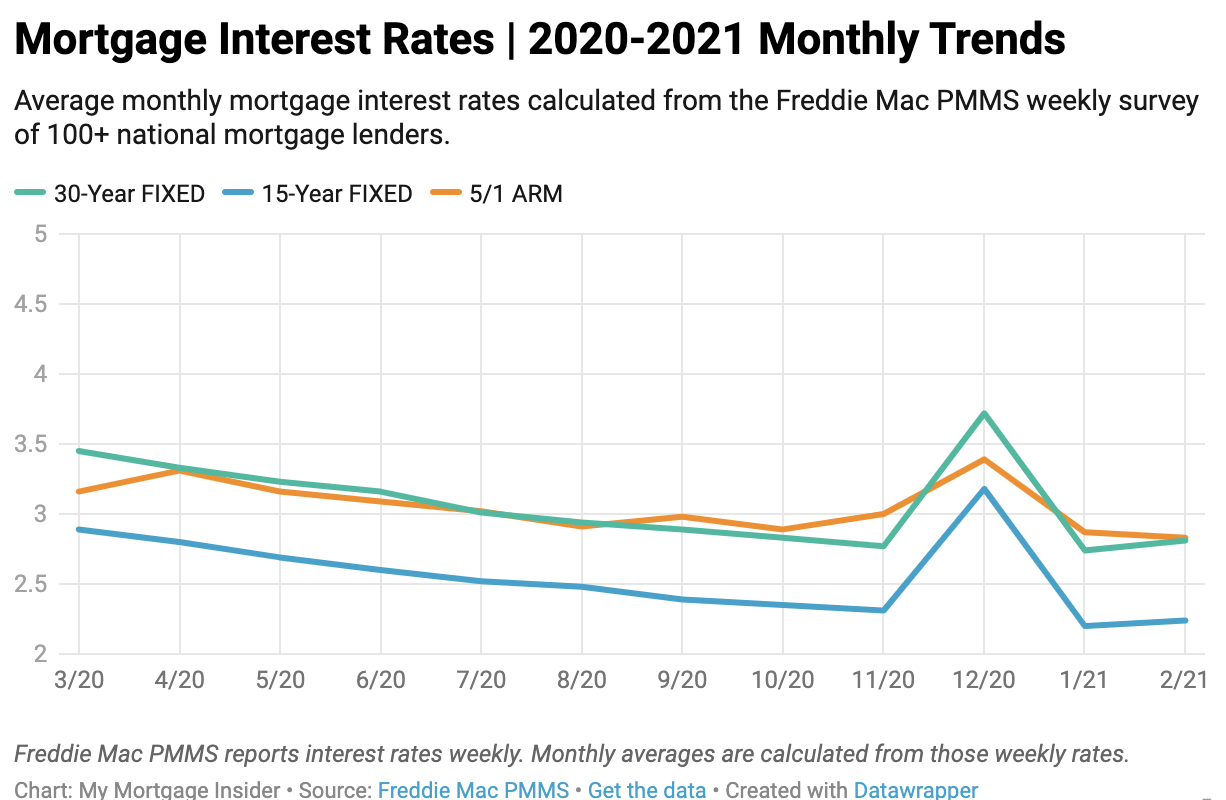
Mortgage rates are perhaps the most closely watched indicators for the average American. Unlike the federal funds rate, long-term mortgage rates (like the 30-year fixed-rate mortgage) are more closely tied to the yield on the 10-year Treasury note. Today’s mortgage rates reflect a balance between investor expectations of future inflation and the current health of the housing market. In a high-rate environment, buyers often see their purchasing power diminished, leading to a cooling effect on home prices.
Consumer Credit and Personal Loan Rates
From auto loans to personal lines of credit, consumer interest rates are typically “prime-plus.” This means they are based on the Prime Rate (usually 3% above the Federal Funds Rate) plus a margin based on the borrower’s creditworthiness. Today, credit card Annual Percentage Rates (APRs) are at near-record highs, making it more expensive than ever to carry a balance. Conversely, personal loan rates remain competitive for those with excellent credit scores, as lenders vie for high-quality borrowers.
The Macroeconomic Drivers: Why Rates Fluctuate
Interest rates are not static; they are the primary tool used by the government to manage economic cycles. Understanding the “why” behind today’s rates requires a look at the broader economic picture.
Inflation and the Consumer Price Index (CPI)
The primary driver of interest rate hikes over the last two years has been inflation. When the prices of goods and services rise too quickly, the purchasing power of the currency erodes. To counter this, the Federal Reserve raises interest rates to “cool” the economy. Higher borrowing costs mean consumers spend less and businesses invest more cautiously, which eventually slows down price increases. Today’s rates are a direct reflection of the Fed’s ongoing battle to bring inflation back down to its 2% target.
Employment Data and Economic Resilience
The Fed operates under a “dual mandate”: to maintain stable prices and to promote maximum sustainable employment. If the job market remains exceptionally strong—with low unemployment and high wage growth—the Fed often feels empowered to keep interest rates higher for longer. They do this to ensure that the economy doesn’t “overheat.” Consequently, monthly jobs reports are high-stakes events that can cause immediate fluctuations in market-based interest rates.
The Role of Treasury Yields and Investor Sentiment
While the Fed sets short-term policy, the bond market influences long-term rates. Investors buy and sell government debt (Treasury bonds) based on their outlook for the economy. If investors fear a recession, they may flock to the safety of bonds, driving yields down. If they expect growth and inflation, yields—and subsequently mortgage rates—tend to rise. Today’s rate environment is heavily influenced by this tug-of-war between those predicting a “soft landing” and those bracing for a downturn.

How Today’s Rates Impact Your Personal Finances
The prevailing interest rates act as a double-edged sword. While they make borrowing more expensive, they also provide opportunities for savers that haven’t existed for over a decade.
Maximizing Returns on Savings and CDs
For the first time in a generation, “cash is no longer trash.” High-yield savings accounts (HYSAs) and Certificates of Deposit (CDs) are currently offering yields that significantly outpace the rates seen in the 2010s. For a conservative investor, locking in a 4% or 5% rate on a one-year CD can provide a guaranteed return that rivals the historical average of the stock market, but with zero risk to the principal. Today’s environment rewards those who are proactive about moving their money out of traditional, low-interest big-bank accounts and into digital-first financial institutions.
The Strategy for Managing High-Interest Debt
With credit card APRs hovering between 20% and 25%, the cost of debt is a major headwind for many households. In this rate environment, debt annhilation strategies like the “Avalanche Method” (paying off the highest interest rate debt first) are mathematically superior. Consumers are also looking toward debt consolidation loans. Even if a personal loan carries a 10% interest rate, it is still a massive improvement over a 24% credit card rate, allowing the borrower to pay down the principal faster.
The Shift in Investment Allocation
Higher interest rates change the way professional and retail investors value assets. When you can get a “risk-free” return of 5% from a Treasury bill, you demand a much higher potential return from risky assets like tech stocks or real estate. This is why we often see volatility in the stock market when rate hikes are announced. For the individual investor, today’s rates mean it might be time to rebalance portfolios, perhaps increasing the weight of fixed-income assets that now offer meaningful income.
Strategic Planning for a Changing Rate Environment
Navigating today’s interest rates requires a forward-looking strategy. We are no longer in an era where you can assume rates will stay low forever; agility is now the key to financial success.
To Refinance or Wait?
Many homeowners who purchased houses during the era of 3% mortgages are currently “locked in,” hesitant to move and take on a 6% or 7% rate. However, for those who bought recently at the peak of the rate cycle, the question is when to refinance. The general rule of thumb is that if you can lower your rate by at least 0.75% to 1%, and you plan to stay in the home for several years, a refinance may be worth the closing costs. Monitoring the daily movement of the 10-year Treasury is essential for timing this move.
Fixed vs. Variable Rates: Making the Right Choice
In a rising rate environment, fixed-rate loans are almost always preferable because they protect the borrower from future increases. However, if the market consensus is that rates have peaked and will likely fall in the next 12 to 18 months, an Adjustable-Rate Mortgage (ARM) or a variable-rate business loan might actually be a strategic gamble. Borrowers must weigh the lower initial “teaser” rate against the risk that rates could stay “higher for longer.”
The Importance of Credit Score Maintenance
In a high-rate world, the “spread” between what a borrower with a 640 credit score pays versus a borrower with a 760 credit score becomes massive. On a $400,000 mortgage, that difference can amount to hundreds of dollars a month and hundreds of thousands of dollars over the life of the loan. Today, more than ever, the most effective way to “lower” your interest rate is to optimize your credit profile by reducing utilization and ensuring perfect payment history.

Conclusion: Adapting to the New Normal
“What are the interest rates today?” is a question that requires a multifaceted answer. While the era of “free money” is behind us, the current landscape offers a more balanced environment for the disciplined financial actor. Higher rates act as a filter, rewarding savers, demanding efficiency from businesses, and requiring home buyers to be more calculated in their purchases.
By staying informed about Federal Reserve policy, understanding the mechanics of inflation, and actively managing both debt and savings, you can navigate these fluctuations with confidence. The goal is not to fear high rates, but to understand how to position your capital to take advantage of the yields they offer while minimizing the costs they impose. In the world of finance, knowledge of interest rates is the ultimate currency.
aViewFromTheCave is a participant in the Amazon Services LLC Associates Program, an affiliate advertising program designed to provide a means for sites to earn advertising fees by advertising and linking to Amazon.com. Amazon, the Amazon logo, AmazonSupply, and the AmazonSupply logo are trademarks of Amazon.com, Inc. or its affiliates. As an Amazon Associate we earn affiliate commissions from qualifying purchases.