
When planning a trip—whether for business or leisure—one of the most significant variables in your travel budget is the cost of transportation. For many, renting a vehicle is a logistical necessity, yet the question “how much is a car rental?” rarely has a simple answer. From a personal finance perspective, car rental pricing is a complex ecosystem influenced by dynamic algorithms, hidden fees, and insurance considerations.
To manage your money effectively, you must look beyond the “sticker price” advertised on travel aggregators. Understanding the financial mechanics of car rentals allows you to allocate your capital more efficiently, ensuring that transportation costs do not cannibalize your overall travel ROI.
1. Decoding the Base Rate: The Foundation of Your Rental Budget
The base rate is the starting point of any rental agreement, but it is rarely the final amount you see on your credit card statement. This figure represents the cost of the vehicle itself, excluding taxes, fees, and optional protections. In the world of personal finance, treating the base rate as the total cost is a common budgeting error.
The Impact of Vehicle Class on Your Bottom Line
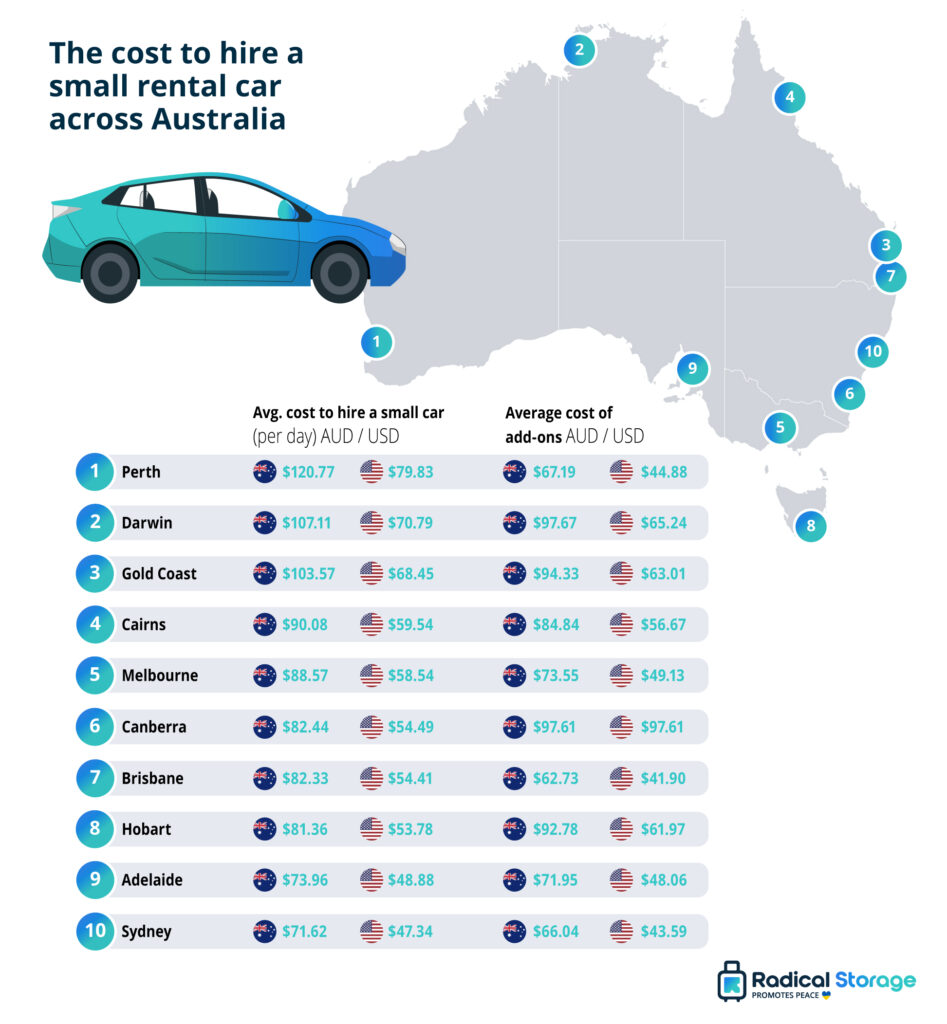
The most immediate factor affecting the base rate is the vehicle class. Economy and compact cars are the “budget” options, often priced between $35 and $60 per day. As you move into intermediate, full-size, or luxury categories, the price climbs exponentially. From a financial planning standpoint, it is essential to assess your actual needs versus your wants. While a luxury SUV offers prestige, the marginal utility often does not justify the 50–100% price premium for a standard solo traveler or couple.
Daily vs. Weekly Rates: The “Bulk” Discount
Car rental agencies utilize a pricing model that rewards longer commitments. Frequently, renting a car for five days costs nearly the same as renting it for seven days due to “weekly rate” structures. When calculating your expenses, check if extending your rental by a day might actually lower the daily average or trigger a lower flat weekly fee. This is a strategic move for those looking to maximize their travel dollar.
Seasonal Fluctuations and Dynamic Pricing
Much like airline tickets and hotel rooms, car rental prices are subject to the laws of supply and demand. During peak holiday seasons or major local events (like a Super Bowl or a massive tech conference), prices can triple. To protect your finances, booking several months in advance is a standard “Money” move. Most major agencies allow for “Pay Later” reservations that can be canceled without penalty, allowing you to lock in a lower rate and re-check for price drops as the date approaches.
2. The “Hidden” Costs: Navigating Fees and Surcharges
In financial terms, “leakage” refers to small, often unnoticed expenses that erode your budget. Car rentals are notorious for these. To accurately answer how much a car rental costs, you must account for the secondary charges that the industry relies on for profit margins.
Airport vs. Off-Site Pick-up Fees
The convenience of picking up a car directly at the airport terminal comes at a steep price. “Concession recovery fees” and airport surcharges can add 10% to 30% to your total bill. For the budget-conscious traveler, taking a short rideshare or public transit to an off-site rental location (often located just a few miles away) can result in hundreds of dollars in savings over a week-long trip.
Underage Driver Surcharges and Additional Driver Fees
For travelers under the age of 25, the financial burden of renting a car increases significantly. Most agencies levy a “Young Driver Surcharge,” which can range from $20 to $50 per day. This is a risk-mitigation fee from the agency’s perspective, but it is a major expense for the renter. Similarly, adding a second driver often incurs a daily fee. Some memberships, such as AAA or certain corporate programs, waive these fees, offering a direct path to cost avoidance.
Fuel Policies: Pre-paid vs. Refill
Agencies often offer a “Pre-paid Fuel” option, allowing you to return the car empty. While this sounds convenient, it is rarely the most cost-effective choice. You are charged for a full tank at the agency’s set price—which may be higher than local gas station averages—and you receive no refund for any fuel left in the tank. To optimize your spending, always opt to “Refill Yourself” and ensure you top off the tank within a five-mile radius of the return location.
3. Insurance and Protection: Managing Risk Without Overspending

Perhaps the most confusing aspect of car rental costs is the “Protection Products” offered at the counter. These can easily double the daily cost of your rental. From a financial management perspective, the goal is to ensure you are fully covered without paying for redundant insurance.
Collision Damage Waiver (CDW) and Loss Damage Waiver (LDW)
The CDW/LDW is not technically insurance; it is a contractual waiver where the rental company agrees not to hold you financially responsible for damage to the vehicle. These waivers often cost $20 to $40 per day. Before agreeing to this, check your personal auto insurance policy. Many comprehensive policies extend coverage to rental vehicles, making the agency’s waiver a redundant and unnecessary expense.
Leveraging Credit Card Benefits
Many “Money” savvy travelers utilize high-end travel credit cards (such as those from Chase, Amex, or Capital One) that offer primary or secondary rental car insurance as a built-in perk. If your card offers primary coverage, you can confidently decline the rental agency’s CDW/LDW. This single benefit can save you hundreds of dollars on a single trip, effectively paying for the card’s annual fee in one go.
Liability Coverage and Personal Accident Insurance
While CDW covers the car, Liability covers damage to others, and Personal Accident Insurance (PAI) covers your medical costs. Again, check your existing umbrellas. Your homeowners or renters insurance, combined with your health insurance and personal auto liability, likely already provides these protections. Paying for them again at the rental counter is a classic example of inefficient capital allocation.
4. Strategic Savings: Financial Tools and Tactics
To get the best “ROI” on your transportation spend, you should employ specific financial strategies used by frequent travelers and business professionals.
Membership Discounts and Loyalty Programs
Joining a rental car loyalty program is free and provides immediate financial benefits. Beyond the ability to skip the counter (saving time, which is money), members often get access to exclusive discounted rates. Furthermore, memberships like AAA, AARP, or Costco Travel offer pre-negotiated rates that frequently beat any “public” price. Costco, in particular, is often cited in personal finance circles as one of the most consistent ways to find the lowest total price, as it includes a second driver for free.
The Timing Factor: When to Book and Re-book
The “Money” approach to car rentals is never “set it and forget it.” Use price-tracking tools or simply check the rates manually once a week after booking. If the price drops, you can cancel your original “Pay Later” reservation and re-book at the lower rate. This strategy requires zero capital and can lead to significant savings.
Avoiding Luxury Traps and Upsells
The rental counter is a high-pressure sales environment. Agents are often incentivized to upsell you to a “premium” vehicle or a GPS navigation system. In the age of smartphones, paying $15 a day for a GPS unit is a poor financial decision. Similarly, unless you have a specific functional need for a larger vehicle, stick to the class you booked. If the agency is out of your booked class, they are required to upgrade you for free—so sometimes, booking the cheapest car can result in a “free” luxury experience.
5. Business Finance: Car Rentals as a Deductible Expense
For entrepreneurs, freelancers, and corporate employees, the question of “how much is a car rental” also involves tax strategy. Understanding how to categorize these costs can lead to significant tax savings at the end of the fiscal year.
Tax Implications for Entrepreneurs and Freelancers
If you are renting a car for a business trip, the entire cost—including the base rate, fees, gas, and even parking—is generally tax-deductible as a business expense. This effectively reduces the “true cost” of the rental by your marginal tax rate. It is imperative to keep meticulous records and receipts. Using a dedicated business credit card for these expenses simplifies the accounting process and ensures you don’t miss out on these deductions.
Managing Corporate Travel Budgets
For those managing a team or a small business, setting a clear car rental policy is vital for maintaining healthy cash flow. Implementing a policy that mandates “Intermediate” class or lower, and requires the use of corporate discount codes, can reduce company-wide travel overhead by 15–20%. By standardizing how car rentals are booked, businesses can better predict monthly expenditures and manage their bottom line.

Conclusion
“How much is a car rental?” is a question that requires a multi-faceted financial answer. By understanding the base rate, identifying hidden fees, auditing your insurance needs, and leveraging tax strategies, you can transform a necessary expense into a well-managed part of your financial plan. Whether you are a solo traveler looking to save on a weekend getaway or a business owner optimizing corporate travel, the key to success lies in the details. Smart budgeting isn’t about spending the least—it’s about getting the most value for every dollar spent.
aViewFromTheCave is a participant in the Amazon Services LLC Associates Program, an affiliate advertising program designed to provide a means for sites to earn advertising fees by advertising and linking to Amazon.com. Amazon, the Amazon logo, AmazonSupply, and the AmazonSupply logo are trademarks of Amazon.com, Inc. or its affiliates. As an Amazon Associate we earn affiliate commissions from qualifying purchases.