
The landscape of American real estate has undergone a seismic shift over the last few years. For nearly a decade, prospective homeowners enjoyed a “goldilocks” era of historically low borrowing costs, culminating in the sub-3% mortgage rates seen during the early 2020s. However, as the global economy pivoted to combat surging inflation, the era of “easy money” came to an end. Today, understanding what home interest rates are right now requires more than just looking at a daily ticker; it requires a deep dive into macroeconomic policy, personal financial health, and strategic market timing.
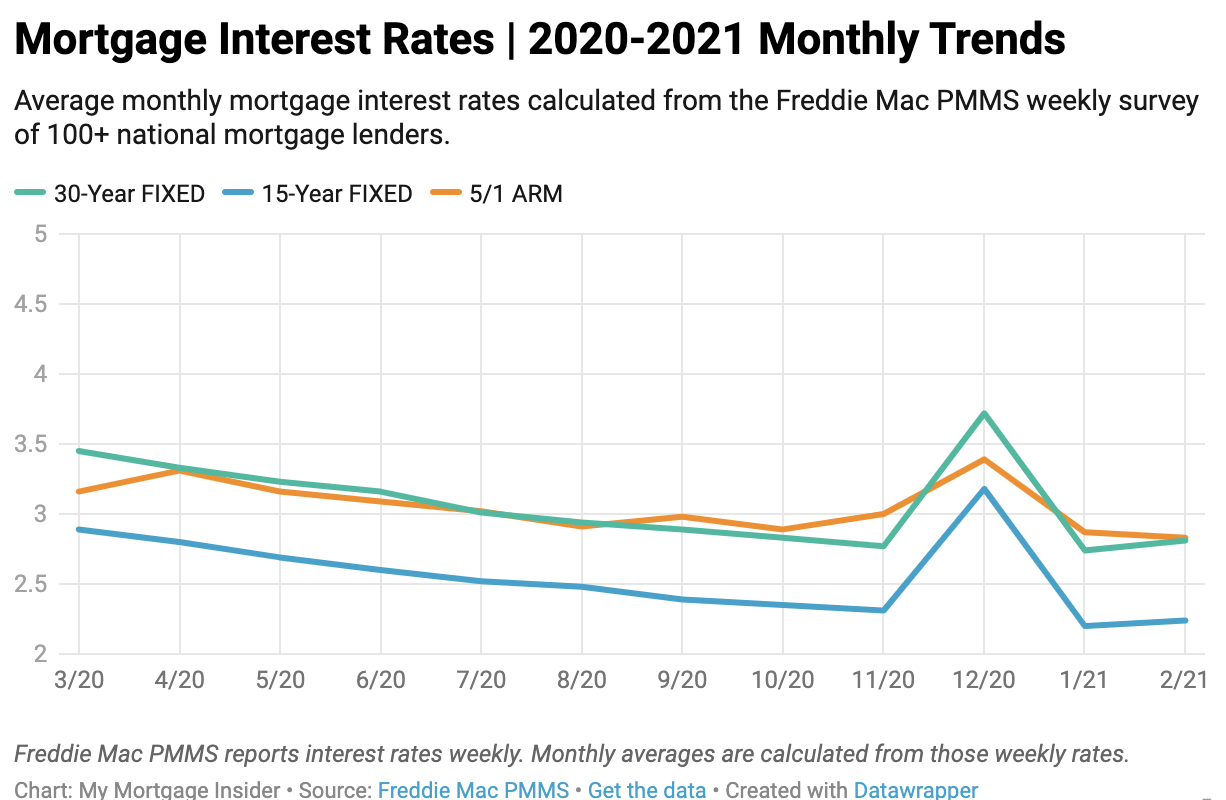
In the current financial climate, mortgage rates have stabilized at levels significantly higher than their pandemic-era lows, yet they remain moderate when viewed through a long-term historical lens. For the modern investor or homebuyer, the question is no longer just “how low can they go?” but rather “how can I navigate this environment to build long-term wealth?”
Understanding the Current Economic Climate and Mortgage Rate Drivers
To understand where home interest rates sit today, one must look at the engines driving the global economy. Mortgage rates are not set in a vacuum; they are the result of a complex interplay between government policy, investor sentiment, and inflationary pressures.
The Role of the Federal Reserve and Monetary Policy
While the Federal Reserve does not directly set mortgage rates, its influence is absolute. The Fed sets the “federal funds rate,” which is the interest rate banks charge each other for overnight loans. When the Fed raises this rate to cool an overheating economy or combat inflation, the cost of borrowing increases across the board.
Lenders respond to these hikes by raising the interest rates on consumer products, including mortgages. Currently, the Fed has maintained a “higher for longer” stance to ensure inflation returns to its 2% target. This policy has effectively put a floor under mortgage rates, preventing them from returning to the ultra-low levels seen in 2021.
Inflation and the 10-Year Treasury Yield
A more direct barometer for home interest rates is the 10-year Treasury bond yield. Mortgage-backed securities (MBS) compete with Treasury bonds for investor dollars. When inflation is high, investors demand higher yields on bonds to maintain their purchasing power. As Treasury yields rise, mortgage rates typically follow suit.
Currently, the “spread”—the difference between the 10-year Treasury yield and the average 30-year fixed mortgage—is wider than historical averages. This indicates that lenders are pricing in extra risk due to market volatility and uncertainty regarding the future of the economy.
Comparing Different Mortgage Products in Today’s Market
Not all home interest rates are created equal. Depending on your financial goals and the length of time you plan to keep the property, different loan products offer varying interest rate structures.
The Stability of 15-Year and 30-Year Fixed-Rate Mortgages
The 30-year fixed-rate mortgage remains the most popular choice for American homeowners. It offers the security of a consistent monthly payment for three decades. Currently, these rates are hovering in the 6.5% to 7.5% range, depending on the week and the lender.
For those who can afford a higher monthly payment, the 15-year fixed-rate mortgage is an excellent wealth-building tool. Because the lender takes on risk for a shorter period, the interest rate is typically 0.50% to 1.0% lower than the 30-year option. Over the life of the loan, the interest savings can amount to hundreds of thousands of dollars, making it a favorite for disciplined personal finance enthusiasts.
Adjusting for Volatility with ARMs (Adjustable-Rate Mortgages)
In a high-rate environment, Adjustable-Rate Mortgages (ARMs) often see a resurgence in popularity. An ARM typically offers a lower “teaser” rate for an initial period (such as 5, 7, or 10 years) before adjusting annually based on market indices.
Right now, many buyers are utilizing 5/1 or 7/1 ARMs to secure a rate that is significantly lower than the standard 30-year fixed rate. The strategy here is often “buy now, refinance later.” If you expect rates to drop within the next five years, an ARM can provide immediate relief on monthly cash flow, though it carries the risk of rates being even higher when the adjustment period begins.
Government-Backed Loans: FHA, VA, and USDA Options
For many first-time buyers or veterans, government-backed loans offer a path to homeownership with interest rates that are often more competitive than conventional loans. FHA loans, for instance, are designed for those with lower credit scores and offer rates that are frequently lower than conventional counterparts, though they require mandatory mortgage insurance premiums (MIP). VA loans for veterans often provide the lowest rates on the market with the added benefit of no down payment.
Factors That Influence Your Individual Interest Rate
When you see a “headline rate” in the news, it is usually an average based on a “prime” borrower—someone with a massive down payment and a perfect credit score. Your personal financial profile will determine the specific rate a lender offers you.
The Power of the Credit Score in Securing Competitive Rates
In the world of money, your credit score is your reputation. Lenders use tiered pricing based on FICO scores. A borrower with a score of 800 might be offered a rate of 6.6%, while someone with a 640 might see 7.8% for the exact same house. Over 30 years, that 1.2% difference can result in an extra $100,000 in interest payments on a mid-sized home. Improving your credit score by even 20 points before applying for a mortgage is one of the highest-ROI activities you can perform in your personal finance journey.
Debt-to-Income Ratio and Financial Stability
Lenders also look closely at your Debt-to-Income (DTI) ratio. This is the percentage of your gross monthly income that goes toward paying debts. A high DTI suggests you are “stretched thin,” and lenders may charge a higher interest rate to compensate for the perceived risk of default. Keeping your DTI below 36% is generally considered the “sweet spot” for securing the best possible financial terms.
Down Payments and Loan-to-Value Considerations
The “Loan-to-Value” (LTV) ratio is the amount you are borrowing compared to the value of the home. A 20% down payment (80% LTV) is the traditional benchmark. If you put down less, you are seen as a higher-risk borrower. Not only will you likely pay a higher interest rate, but you will also be required to pay Private Mortgage Insurance (PMI), which adds to your effective monthly interest cost.
Strategies for Navigating High-Rate Environments
While current rates are higher than many would like, there are several financial strategies you can employ to mitigate the impact on your wallet.
The Concept of “Date the Rate, Marry the House”
A popular mantra in the current real estate market is “Date the Rate, Marry the House.” This philosophy suggests that if you find the right property at the right price, you should move forward despite high interest rates. The logic is that you can always refinance the mortgage (the “date”) when rates eventually drop, but you cannot change the purchase price of the home (the “marriage”). This is particularly relevant if the high-rate environment has caused a dip in home prices or decreased competition from other buyers.
Buying Down the Rate: Points and Lender Credits
“Discount points” allow you to pay an upfront fee to “buy down” your interest rate. One point typically costs 1% of the loan amount and lowers your interest rate by approximately 0.25%.
- When it makes sense: If you plan on staying in the home for a long time (7+ years), the monthly savings will eventually surpass the initial cost of the points.
- When it doesn’t: If you plan to refinance or move in 2-3 years, you won’t reach the “break-even point,” and you’ll have wasted that upfront capital.
Improving Your Financial Profile Before Applying
Sometimes the best move is to wait three to six months to optimize your financial standing. This involves paying down high-interest credit card debt, avoiding new credit inquiries (like car loans), and ensuring your employment history is stable. In a market where a fraction of a percentage point matters, these incremental improvements can save you thousands.
The Outlook for 2024 and Beyond
Predicting interest rates is a notoriously difficult task, even for the world’s top economists. However, by looking at current data, we can make educated assumptions about the future of the mortgage market.
Market Forecasts and Economic Indicators to Watch
Most analysts expect mortgage rates to remain relatively stable or slightly decline as inflation continues to cool. If the labor market remains strong but inflation hits the Fed’s 2% target, we may see a series of small rate cuts. However, a “return to 3%” is highly unlikely in the foreseeable future. The market is currently adjusting to a “new normal” where 5.5% to 6.5% is considered a “good” rate.

When Does Refinancing Make Sense?
For those who bought a home in the last year at the peak of the rate cycle, refinancing is a topic of constant discussion. The general rule of thumb is that a refinance makes sense if you can lower your rate by at least 0.75% to 1% and plan to stay in the home long enough to recoup the closing costs. As rates fluctuate, staying in close contact with a financial advisor or mortgage broker is essential to catch the window when a refinance becomes mathematically advantageous.
In conclusion, while home interest rates right now are higher than the historic lows of the recent past, they are a manageable part of a broader financial strategy. By understanding the mechanics of the market, optimizing your personal credit profile, and choosing the right loan product, you can still achieve homeownership and build significant equity in the years to come. In the world of money, knowledge is the best hedge against volatility.
aViewFromTheCave is a participant in the Amazon Services LLC Associates Program, an affiliate advertising program designed to provide a means for sites to earn advertising fees by advertising and linking to Amazon.com. Amazon, the Amazon logo, AmazonSupply, and the AmazonSupply logo are trademarks of Amazon.com, Inc. or its affiliates. As an Amazon Associate we earn affiliate commissions from qualifying purchases.