
The gastrocnemius muscle, often recognized as the prominent, two-headed powerhouse of the human calf, has long been a subject of fascination for anatomists. However, in the modern era, it has become a focal point for a different group of experts: software engineers, data scientists, and hardware innovators. To understand the gastrocnemius in the 21st century is to understand the intersection of human biology and cutting-edge technology. From wearable sensors that track muscle fatigue to AI-driven diagnostic tools that predict injury, the “calf muscle” is no longer just a biological component—it is a data point in the vast ecosystem of sports technology and biomechanical engineering.
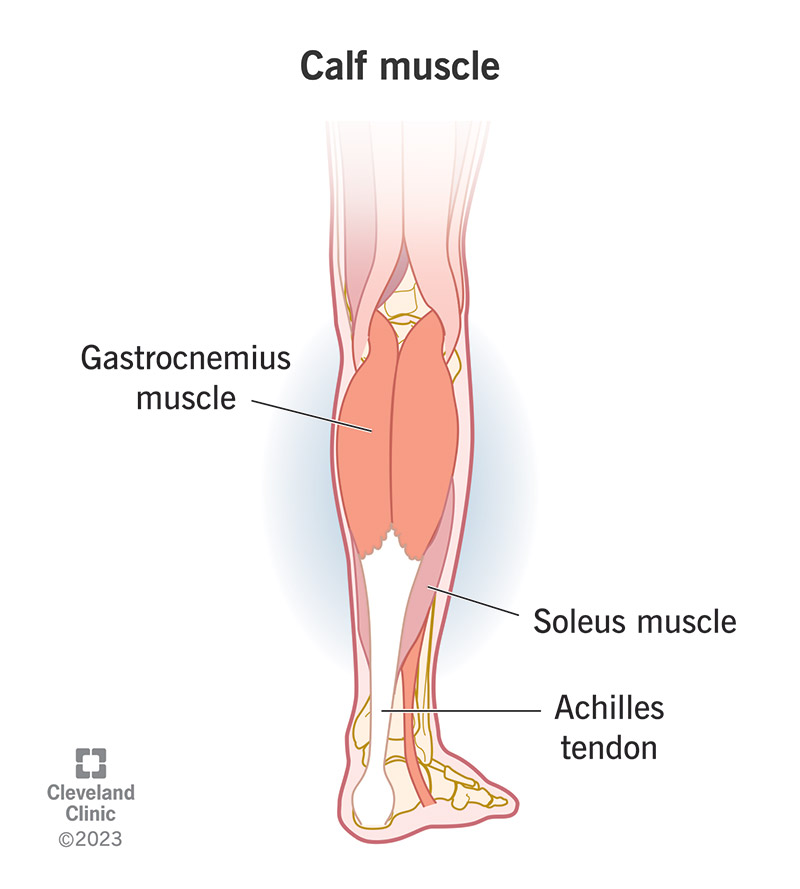
Decoding Biomechanics: Tech-Driven Insights into the Gastrocnemius
The gastrocnemius is essential for plantar flexion of the foot and flexion of the knee, making it the primary driver behind walking, running, and jumping. Historically, studying these movements required invasive procedures or static observations. Today, technology allows us to visualize the gastrocnemius in motion with unprecedented precision.
Computer Vision and Dynamic Movement Analysis
Computer vision (CV) has revolutionized how we understand the gastrocnemius’s role in locomotion. High-speed cameras paired with sophisticated CV algorithms can now track the expansion and contraction of the calf muscles in real-time without the need for physical markers. By analyzing the “optical flow” of the skin’s surface, software can estimate the force production of the gastrocnemius during a vertical jump or a sprint. This technology is being integrated into professional training facilities to identify “micro-limps” or subtle imbalances between the medial and lateral heads of the muscle that the human eye would miss.
Surface Electromyography (sEMG) Integration
Surface Electromyography has transitioned from the laboratory to the field. Modern sEMG sensors are now wireless, miniaturized, and capable of streaming data directly to a cloud-based dashboard. By placing these sensors over the gastrocnemius, tech platforms can measure the electrical activity produced by the muscle fibers. This data is critical for understanding “neuromuscular efficiency”—how hard the brain has to work to activate the calf muscles. For tech developers, the challenge lies in filtering out the “noise” of movement to provide athletes with a clean signal of muscle engagement.
Wearable Technology: Monitoring the Gastrocnemius in Real-Time
The consumer electronics market has seen a surge in specialized wearables that move beyond the wrist and onto the lower limbs. These devices are designed specifically to monitor the health and performance of the gastrocnemius and its synergy with the Achilles tendon.
Smart Compression Gear and Embedded Sensors
The next frontier of wearables is “smart apparel.” Companies are now embedding conductive fibers and flexible pressure sensors directly into compression socks and leggings. These garments monitor the gastrocnemius’s muscle volume changes—an indicator of blood flow and swelling. For long-distance runners, this tech provides a “fatigue score.” When the sensors detect that the gastrocnemius is no longer firing at its optimal frequency, the connected app sends a haptic alert to the user’s smartwatch, suggesting a change in gait or a rest period to prevent strain.
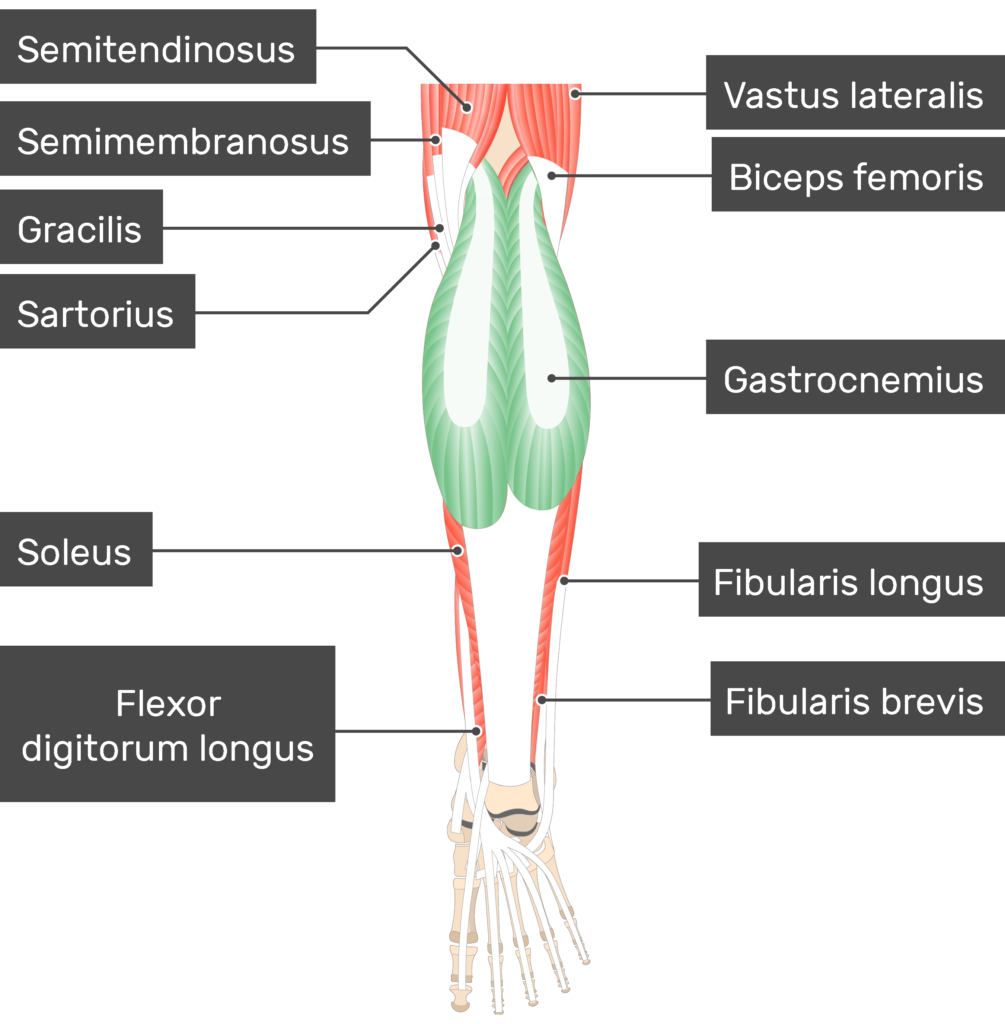
Inertial Measurement Units (IMUs) and Gait Optimization
Inertial Measurement Units, which combine accelerometers, gyroscopes, and magnetometers, are being used to map the “strike pattern” of the foot. Since the gastrocnemius is heavily involved in the “push-off” phase of the gait cycle, IMUs placed on the footwear or ankle can deduce the workload being placed on the calf. Tech startups are using this data to create “Digital Twins” of an athlete’s lower body, allowing coaches to run simulations on how different footwear designs or terrain types will impact the gastrocnemius’s longevity over a competitive season.
AI and Machine Learning in Injury Prevention and Recovery
The gastrocnemius is prone to tears and strains, particularly in high-intensity sports. Technology is shifting the paradigm from reactive treatment to proactive prevention through the power of Machine Learning (ML).
Predictive Modeling for Muscle Strain
Machine Learning models are now being trained on vast datasets of biomechanical movements and injury histories. By feeding an AI the data from an athlete’s daily workouts—including gastrocnemius load, sleep quality, and heart rate variability—the software can identify patterns that precede a muscle tear. These “predictive analytics” tools are becoming standard in the NBA and European football leagues. If the ML model detects that the gastrocnemius is exhibiting signs of “over-stiffening” or asynchronous firing, it flags the player as high-risk, allowing for immediate intervention.
Personalized Recovery Algorithms and Virtual Physical Therapy
Once an injury occurs, tech-driven recovery platforms take over. AI-powered apps now use the camera on a smartphone to guide patients through calf-strengthening exercises. These apps use “pose estimation” tech to ensure that the patient is engaging the gastrocnemius correctly and not compensating with the soleus or hamstrings. The software adjusts the difficulty of the regimen in real-time based on the user’s range of motion, effectively providing a personalized, data-driven physical therapy experience that was previously only available in elite clinics.
The Future of Augmentation: Robotics and the Gastrocnemius
Perhaps the most exciting tech application involving the gastrocnemius is in the fields of robotics and prosthetics. Engineers are no longer just studying the muscle; they are attempting to replicate and enhance its function.
Biomimetic Actuators and Bionic Limbs
For individuals with lower-limb amputations, replicating the function of the gastrocnemius is the “holy grail” of prosthetic design. Modern bionic legs use biomimetic actuators—motors that mimic the elastic energy storage and explosive power of the human calf. These robotic limbs use sensors to “feel” the ground and AI to determine how much torque the artificial gastrocnemius needs to provide for a natural step. The goal is to create a seamless interface between the user’s nervous system and the robotic muscle, allowing for intuitive control.

Exoskeletons and Human Augmentation
Exoskeleton technology is moving into the industrial and military sectors, focusing heavily on the gastrocnemius’s role in endurance. “Soft exosuits” use cable-driven systems to provide a “boost” to the calf muscles during heavy lifting or long marches. By offloading a percentage of the work from the biological gastrocnemius to the mechanical system, these tech suits reduce metabolic cost and muscle fatigue. This allows workers to perform tasks for longer periods with a significantly lower risk of musculoskeletal disorders, marking a new era where technology and human anatomy work in a hybrid, high-efficiency partnership.
The gastrocnemius muscle, while a biological marvel, is now a cornerstone of the health-tech revolution. Through computer vision, wearable sensors, AI, and robotics, we are gaining a deeper understanding of this complex muscle than ever before. As technology continues to evolve, the line between biological function and digital optimization will continue to blur, leading to a future where our muscles are not just part of our bodies, but integrated components of a sophisticated, tech-enabled human experience.
aViewFromTheCave is a participant in the Amazon Services LLC Associates Program, an affiliate advertising program designed to provide a means for sites to earn advertising fees by advertising and linking to Amazon.com. Amazon, the Amazon logo, AmazonSupply, and the AmazonSupply logo are trademarks of Amazon.com, Inc. or its affiliates. As an Amazon Associate we earn affiliate commissions from qualifying purchases.