
In the dynamic landscape of modern commerce, brands are under unprecedented scrutiny. Stakeholders, from consumers to employees and investors, demand more than just products or services; they expect ethical conduct, transparency, and a clear demonstration of values. Navigating this complex environment often requires a flexible yet principled approach to decision-making, where rigid rulebooks can fall short in unique or unforeseen circumstances. This is where the core tenets of situation ethics, originally a theological and philosophical framework, offer profound insights for brand strategy, corporate identity, and ethical marketing.
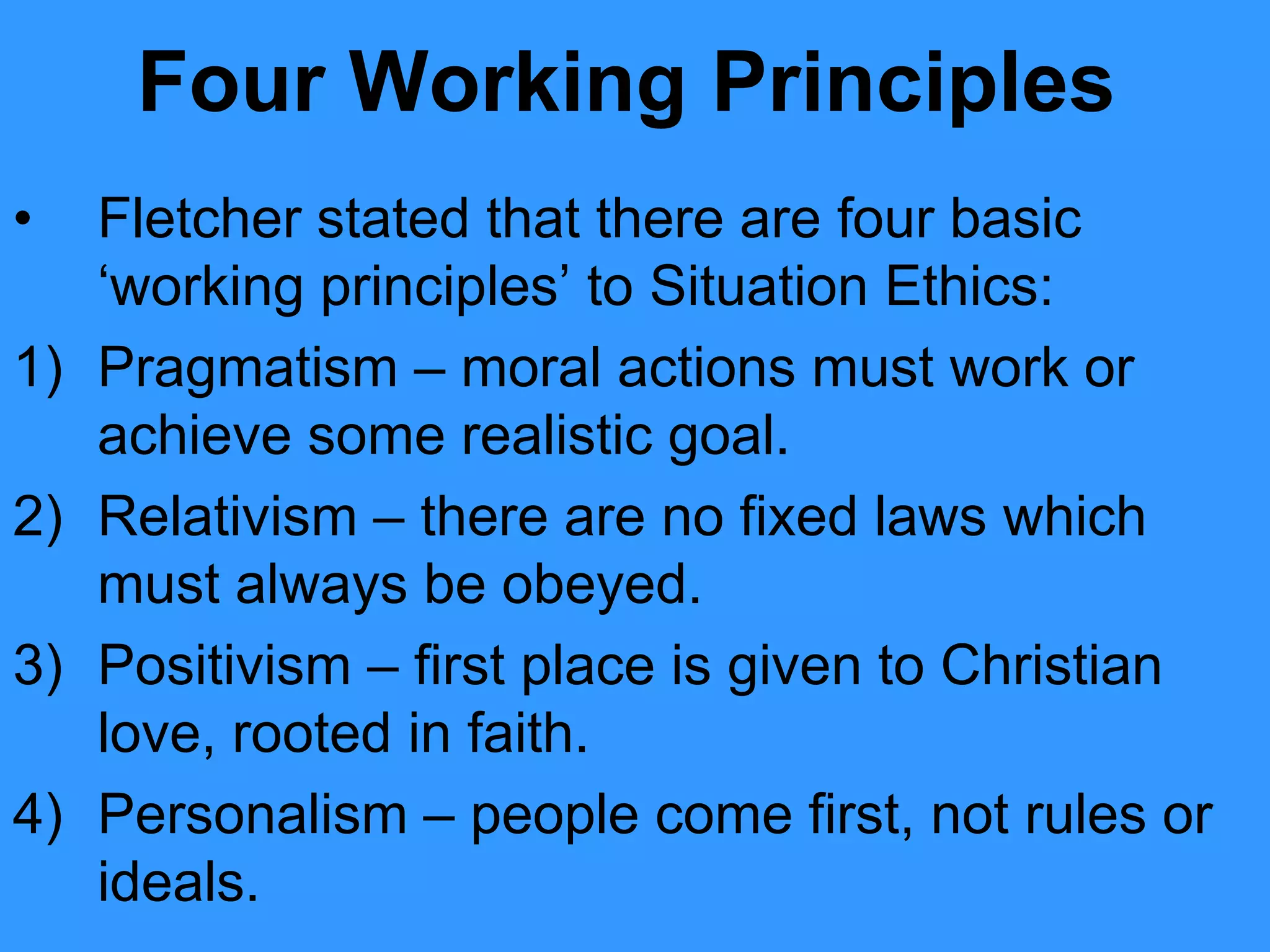
Situation ethics posits that the most ethical course of action is not dictated by universal laws, but by the specific context of a situation, with the ultimate guiding principle being love (agape). While its origins are distinct, its “working principles” provide a valuable lens through which brands can evaluate their actions, build trust, and maintain relevance. These principles move brands beyond a mere compliance mindset towards a more proactive and empathetic ethical stance, shaping a robust and resilient corporate identity.
Pragmatism: The Efficacy of Ethical Action
The first working principle of situation ethics is pragmatism. This principle emphasizes that for an action to be considered ethically sound, it must be practical and effective in achieving a loving outcome. For brands, this translates into a focus on the tangible impact of their ethical decisions. It’s not enough to merely intend to do good; the brand’s actions must demonstrably work in practice to benefit its stakeholders and align with its stated values.
Measurable Impact in Brand Reputation
In brand strategy, pragmatism demands that ethical initiatives are not just performative but result-oriented. Consider a brand facing a supply chain ethical dilemma. A pragmatic approach isn’t simply about issuing a press release condemning poor labor practices; it involves actively engaging with suppliers, implementing rigorous auditing processes, and investing in sustainable improvements that genuinely uplift working conditions. The success of this strategy is measured by real, verifiable changes and the subsequent positive reinforcement of the brand’s reputation for responsibility. If an ethical policy, however well-intentioned, fails to produce a beneficial outcome or even causes unintended harm, it falls short of pragmatic ethical action.
Crisis Management and Brand Resilience
During a brand crisis, pragmatism becomes paramount. Brands must react with solutions that are not only morally defensible but also effective in mitigating damage, restoring trust, and protecting the community affected. This means moving beyond generic apologies to taking decisive, practical steps—like product recalls, compensation, or immediate policy changes—that address the root cause and demonstrate genuine accountability. A pragmatic brand understands that its long-term resilience is built on actions that tangibly resolve issues and reaffirm its commitment to its stakeholders, rather than simply adhering to a pre-written crisis communication plan that might not fit the unique situation.
Relativism: Contextualizing Brand Responsibility
The second principle, relativism, asserts that there are no absolute, universal rules that apply irrespective of context; what is right depends on the specific situation. For brands operating in a globalized, diverse, and rapidly evolving world, this principle is crucial for navigating cultural nuances, market sensitivities, and emerging ethical challenges. It encourages a flexible and adaptive approach to corporate responsibility and marketing ethics.
Global Marketing and Cultural Sensitivity
Brands expanding into international markets must embody relativism in their marketing and corporate identity. What is considered appropriate, humorous, or even ethical in one culture may be offensive or misunderstood in another. A relativist brand approach dictates that marketing campaigns, product designs, and communication strategies must be carefully tailored to the local cultural, social, and political context. This isn’t about abandoning core values but about expressing them in ways that are locally relevant and respectful, thereby building genuine connections rather than inadvertently causing alienation or backlash. For example, advertising standards for body image, environmental claims, or even product ingredients often vary significantly by region, requiring a flexible, context-aware ethical framework.
Evolving Social Norms and Brand Relevance
Social norms and ethical expectations are constantly shifting. What was acceptable marketing practice a decade ago might now be seen as insensitive or exploitative. Relativism allows a brand to remain relevant and ethical by adapting its policies and practices in response to evolving societal values. This includes issues like diversity and inclusion, sustainability, data privacy, and labor practices. A brand that rigidly adheres to outdated rules without considering the present social context risks alienating its audience and damaging its reputation. Instead, it must continuously reassess its ethical framework against the backdrop of current societal expectations, demonstrating a commitment to progress and responsible corporate citizenship.

Positivism: Committing to Core Brand Values
Positivism, the third principle, posits that ethics are chosen rather than discovered; one must actively choose to believe in love as the ultimate good. In the context of brand strategy, this translates into a brand’s conscious and deliberate commitment to its core values and its “ultimate good” – often expressed through its mission statement, vision, and corporate identity. It’s about an active affirmation of what the brand stands for, rather than merely complying with external regulations or industry norms.
The Foundation of Corporate Identity
A strong corporate identity is not merely a logo or a catchy slogan; it is the embodiment of a brand’s chosen ethical stance. Positivism encourages brands to proactively define their ethical “love” – whether it’s unwavering commitment to customer satisfaction, pioneering sustainable practices, fostering employee well-being, or contributing to community development. This chosen ethical foundation then informs every aspect of brand strategy, from product development and marketing to internal culture and external communications. It’s an active declaration of intent that shapes the brand’s character and purpose. Without this positive affirmation of core values, a brand risks appearing inconsistent, lacking integrity, and struggling to build deep trust with its audience.
Driving Ethical Innovation and Leadership
For brands, embracing positivism means taking leadership in ethical innovation. Rather than waiting for regulations to compel action, a positive brand actively seeks out opportunities to exceed expectations and set new industry benchmarks for ethical conduct. This could involve pioneering fair trade practices, investing in renewable energy, or developing privacy-enhancing technologies long before they become legal requirements. Such proactive commitment is not just about compliance; it’s about defining the brand’s identity as a responsible innovator and a force for positive change. This ethical leadership becomes a powerful differentiator, attracting talent, loyal customers, and discerning investors who share similar values.
Personalism: Prioritizing Stakeholder Well-being
The final working principle of situation ethics is personalism, which places human beings and their well-being at the center of all ethical considerations, rather than abstract rules or inanimate objects. For brands, this means that ethical decisions must always prioritize the impact on people – customers, employees, communities, and the broader society – over mere profit maximization or adherence to impersonal policies.
Customer-Centric Ethical Practices
Personalism in brand strategy manifests as a deep commitment to customer well-being and genuine human connection. This goes beyond excellent customer service; it involves designing products and services with the user’s ultimate benefit and safety in mind, ensuring transparent communication, protecting personal data, and responding to customer feedback with empathy and integrity. A personalist brand understands that its relationship with customers is built on trust and mutual respect, not just transactions. This ethical focus on the individual strengthens brand loyalty and advocacy, as customers feel genuinely valued and heard.
Employee Experience and Corporate Culture
Internally, personalism dictates that a brand’s corporate culture prioritizes the dignity, growth, and well-being of its employees. This involves fostering a fair, inclusive, and supportive work environment, offering equitable pay and benefits, promoting work-life balance, and investing in employee development. When a brand treats its employees with personalism, they become authentic ambassadors for its values, further reinforcing its corporate identity. This creates a virtuous cycle where a positive internal culture translates into better customer service, higher quality products, and a stronger, more attractive brand overall. Ignoring the human element within its own organization fundamentally undermines a brand’s claim to ethical conduct.
Conclusion: An Agile Ethical Framework for Modern Brands
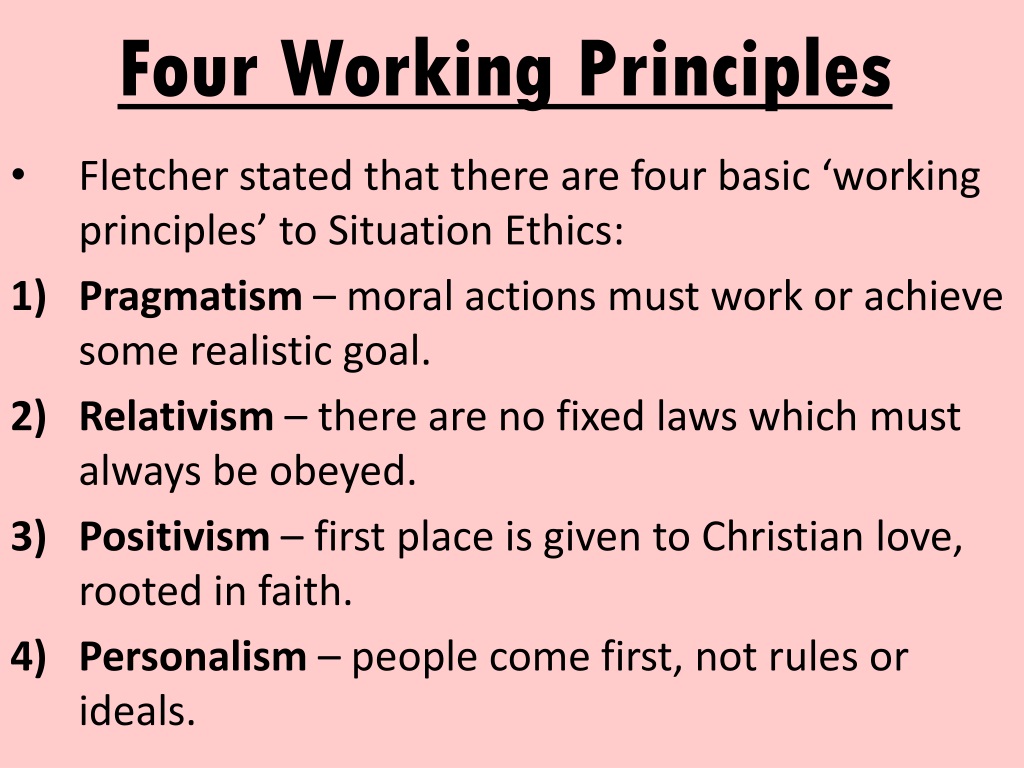
The four working principles of situation ethics—pragmatism, relativism, positivism, and personalism—offer a robust yet agile ethical framework for brands navigating the complexities of the 21st century. By embracing pragmatism, brands ensure their ethical actions have tangible positive impacts. Through relativism, they adapt their responsibility to diverse contexts and evolving norms. With positivism, they actively choose and commit to their core values, defining their unique corporate identity. Finally, personalism ensures that all ethical decisions are centered on the well-being of people.
In an era where authenticity and purpose drive consumer choice, brands that integrate these principles into their strategy are not merely avoiding pitfalls; they are actively building resilient reputations, fostering deep stakeholder trust, and establishing themselves as leaders in ethical conduct. This dynamic approach allows brands to remain ethical, relevant, and respected, regardless of the challenges they encounter.
aViewFromTheCave is a participant in the Amazon Services LLC Associates Program, an affiliate advertising program designed to provide a means for sites to earn advertising fees by advertising and linking to Amazon.com. Amazon, the Amazon logo, AmazonSupply, and the AmazonSupply logo are trademarks of Amazon.com, Inc. or its affiliates. As an Amazon Associate we earn affiliate commissions from qualifying purchases.