
The lifecycle of a product, much like any living organism, is a journey marked by distinct phases. From its nascent beginnings to its eventual fade, understanding these stages is paramount for businesses aiming for sustained success, especially in the dynamic realms of technology, branding, and finance. Whether you’re launching a groundbreaking AI tool, refining a corporate identity, or seeking to maximize investment returns, grasping the product life cycle (PLC) provides a strategic roadmap for decision-making.
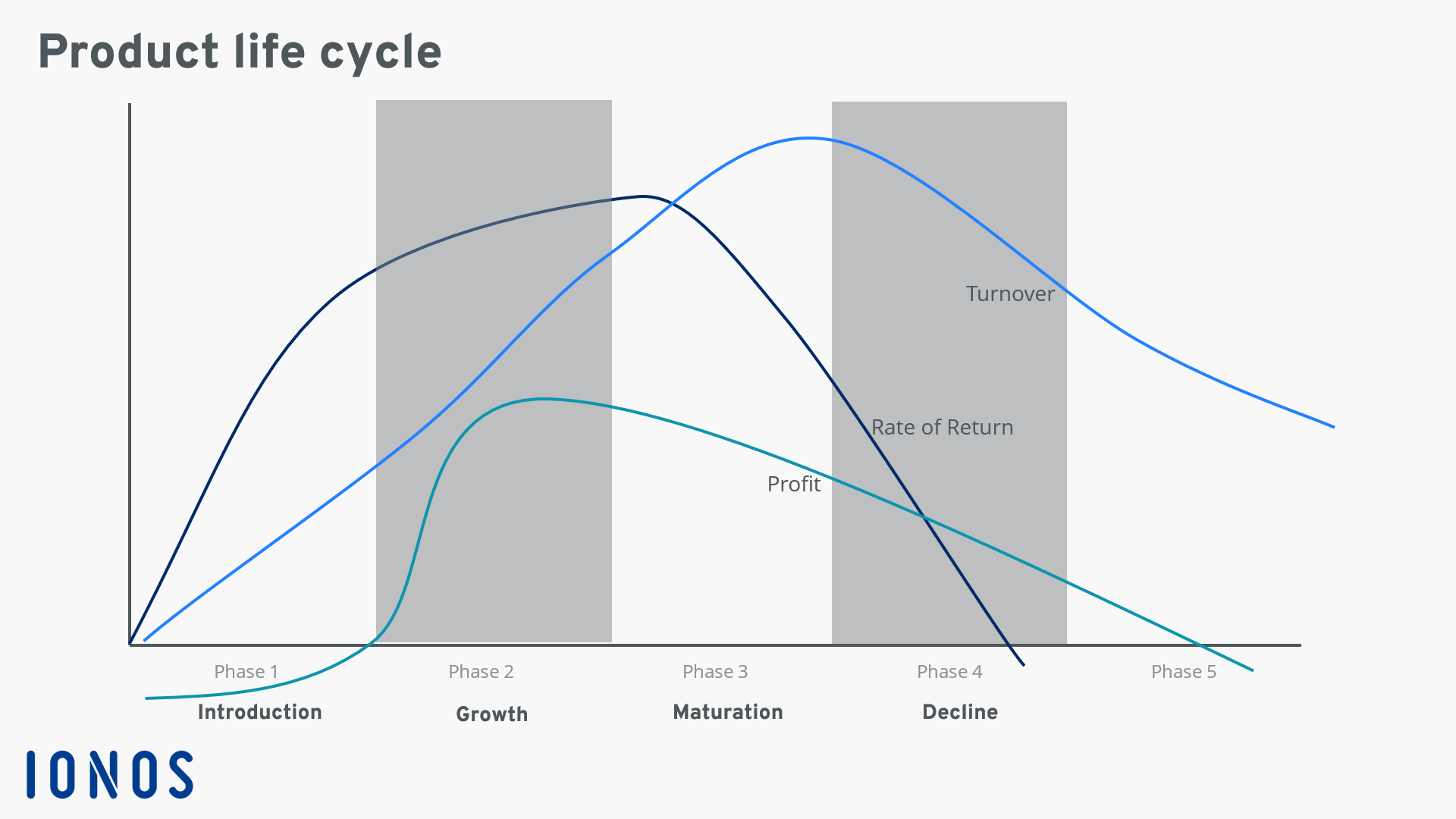
The product life cycle is a fundamental concept in marketing and business strategy, outlining the progression of a product from its introduction into the market to its eventual withdrawal. While the exact duration and characteristics of each stage can vary significantly depending on the industry, product type, and market conditions, the core framework remains consistent. Most models identify four primary stages: Introduction, Growth, Maturity, and Decline.
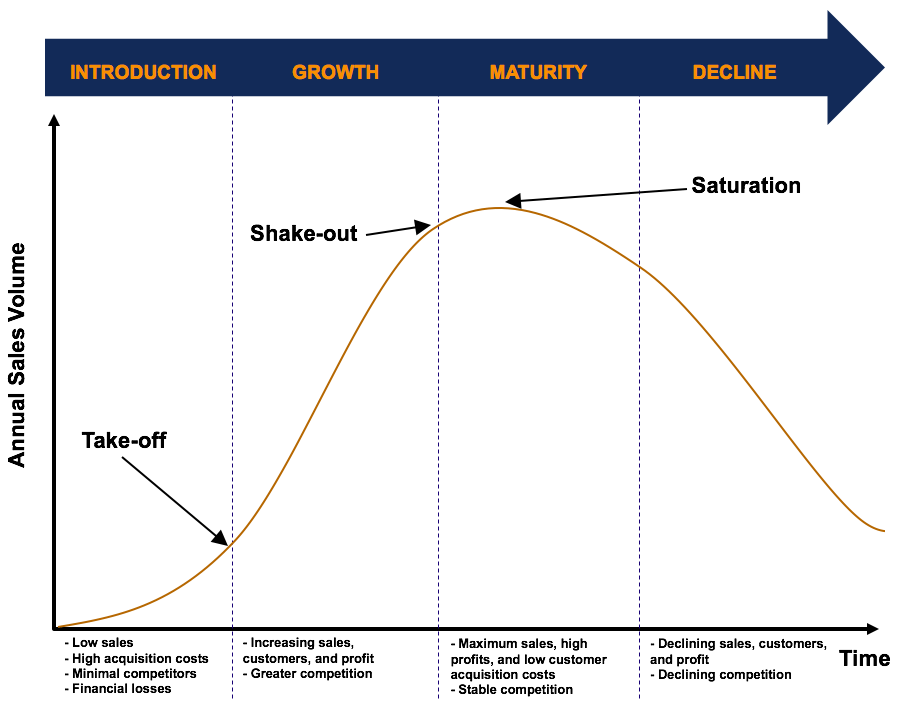
This article will delve into each of these four crucial stages, examining their defining features, the strategic considerations for businesses operating within them, and how they intersect with the core pillars of technology, brand, and money.
The Four Stages of the Product Life Cycle
1. Introduction: The Birth of Innovation
The introduction stage is where a new product makes its debut in the market. This is a period of high risk and significant investment, often characterized by limited awareness and slow sales growth. The primary goal during this phase is to establish a market presence and build initial customer adoption.
Key Characteristics of the Introduction Stage:
- Low Sales Volume: Few customers are aware of the product, and early adopters are the primary buyers.
- High Costs: Significant expenses are incurred in research and development, product design, manufacturing setup, and initial marketing efforts.
- Limited Competition: As the product is novel, direct competitors are usually scarce. However, indirect substitutes or alternative solutions might exist.
- Focus on Awareness: Marketing efforts are concentrated on educating potential customers about the product’s existence, its features, and its benefits.
- Potential for Losses: Due to high costs and low sales, profitability is often negative or very low.
Strategic Imperatives for the Introduction Stage:
From a Technology perspective, this stage is all about proving the concept and ensuring the product functions as intended. For software, this might involve extensive beta testing and bug fixing. For gadgets, it’s about robust prototyping and initial production runs. The focus is on innovation and delivering a viable solution to a market need.
In terms of Brand, the introduction stage is about crafting a compelling narrative and establishing a unique identity. This involves clear messaging about what the product is, who it’s for, and why it’s different. Early brand perception is critical, as it lays the foundation for future recognition and loyalty. This might involve securing positive early reviews from tech influencers or showcasing the innovative spirit behind the product.
From a Money perspective, the introduction stage demands significant upfront capital. This could come from venture capital, angel investors, or internal company funds. The financial strategy revolves around managing cash flow carefully, securing necessary funding, and planning for a long-term return on investment. Pricing strategies are often carefully considered, balancing the need to recoup development costs with the desire to attract initial customers. Freemium models for software or introductory pricing for hardware are common tactics.
2. Growth: Gaining Momentum and Market Share
The growth stage is when the product starts gaining traction in the market. Awareness increases, sales begin to rise rapidly, and the product gains wider acceptance. This is a period of intense focus on scaling operations and outmaneuvering emerging competitors.
Key Characteristics of the Growth Stage:
- Rapidly Increasing Sales: Customer demand escalates as more people become aware of and adopt the product.
- Rising Profits: As sales volume increases and economies of scale begin to take effect, profitability starts to improve significantly.
- Emergence of Competition: Competitors, noticing the product’s success, begin to enter the market with similar offerings.
- Focus on Market Penetration: Marketing efforts shift towards building brand preference and capturing market share.
- Product Improvements: Companies often introduce new features or variations to appeal to a broader customer base and differentiate from competitors.
Strategic Imperatives for the Growth Stage:
Technology plays a crucial role in sustaining growth. This might involve optimizing software performance, enhancing gadget features, or expanding the functionality of AI tools. The focus shifts from mere viability to superior performance and user experience. Companies also need to consider scalability – ensuring their technology can handle increasing demand without compromising quality.
For Brand, the growth stage is about solidifying market position and building strong brand loyalty. Marketing becomes more aggressive, aiming to capture market share from competitors. This is the time to invest in advertising, public relations, and customer relationship management to foster repeat purchases and positive word-of-mouth. Case studies demonstrating the product’s success become invaluable marketing tools.
Money management during growth is about reinvesting profits to fuel further expansion. This could involve increasing production capacity, investing in larger marketing campaigns, or expanding distribution channels. Pricing might remain stable or gradually decrease slightly as production costs fall. The financial goal is to maximize profitability while simultaneously securing a dominant market position.
3. Maturity: Reaching Peak Performance and Facing Saturation
The maturity stage represents the peak of the product’s life cycle. Sales growth slows down and eventually plateaus as the market becomes saturated. Competition is fierce, and companies often resort to aggressive tactics to maintain their market share and profitability.
Key Characteristics of the Maturity Stage:
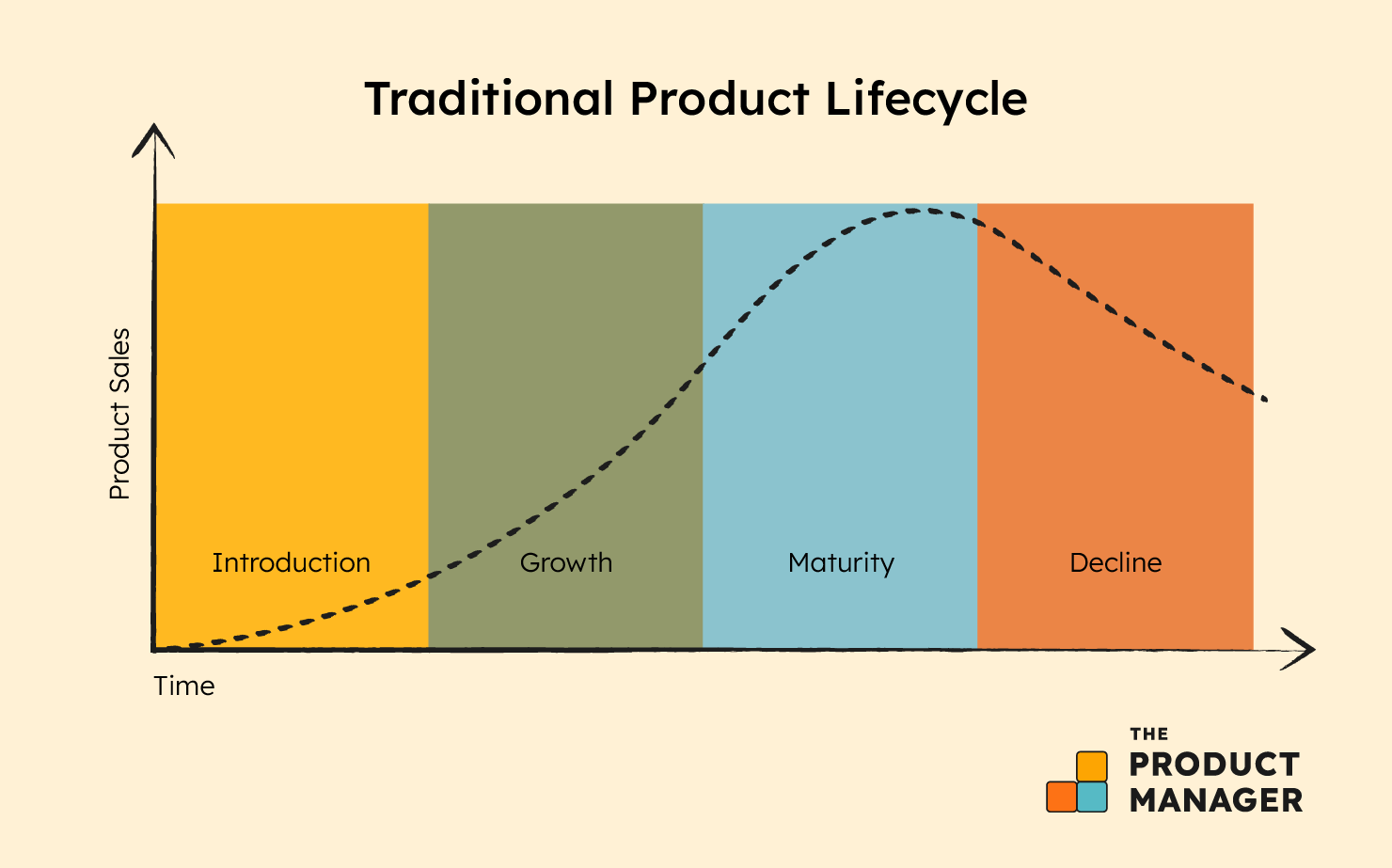
- Peak Sales, Slowing Growth: Sales reach their highest point but begin to level off.
- Stabilizing Profits: Profits remain high but may start to decline due to increased competition and price pressures.
- Intense Competition: Many competitors offer similar products, leading to price wars and aggressive marketing.
- Focus on Differentiation and Retention: Companies strive to differentiate their products through minor improvements, value-added services, or loyalty programs.
- Market Saturation: Most potential customers have already purchased the product, making it difficult to attract new buyers.
Strategic Imperatives for the Maturity Stage:
In Technology, this stage often involves incremental improvements and cost optimization. For software, it might mean bug fixes, performance enhancements, and integration with other platforms. For hardware, it could be redesigns or the introduction of “pro” versions. The focus is on maintaining relevance and offering better value to existing customers. AI tools might be refined for specific industry applications, adding niche value.
Brand strategy during maturity centers on reinforcement and customer retention. Companies aim to build strong brand loyalty through excellent customer service, loyalty programs, and continuous engagement. This is where robust corporate identity and a strong reputation become crucial differentiators. Marketing may shift from broad awareness campaigns to targeted promotions and appeals to brand advocates.
Money in the maturity stage requires careful management of costs and pricing strategies. Companies may engage in price reductions to remain competitive, impacting profit margins. Investments might shift towards efficiency improvements and marketing initiatives aimed at retaining existing customers rather than acquiring new ones. Diversification or the development of complementary products might be considered to extend revenue streams.
4. Decline: Facing the Inevitable Fade
The decline stage is the final phase, where sales and profits begin to fall consistently. This can be due to several factors, including changing consumer preferences, technological obsolescence, or increased competition from newer, more innovative products.
Key Characteristics of the Decline Stage:
- Falling Sales and Profits: Demand for the product decreases, leading to lower revenue and profitability.
- Decreasing Competition: Some competitors may exit the market as it becomes less profitable.
- Focus on Cost Reduction: Companies aim to minimize expenses associated with the product.
- Potential for Product Withdrawal: The company may decide to discontinue the product altogether.
Strategic Imperatives for the Decline Stage:
From a Technology standpoint, the product may be nearing its end of life. Investments in further development are usually minimal. Companies might focus on maintaining existing functionality or supporting existing users for a defined period. For AI tools, this might mean phasing out older models as newer, more advanced versions become available.
For Brand, the decline stage requires careful management of the product’s legacy. This might involve a phased withdrawal to minimize disruption or a decision to sell off the product line to another company. The goal is to protect the overall brand reputation while exiting a declining market.
Money in the decline stage is about maximizing any remaining revenue and minimizing losses. This could involve aggressive price reductions to clear inventory, focusing only on the most profitable customer segments, or divesting the product line. Financial decisions are geared towards extracting any remaining value and freeing up resources for new ventures.
Navigating the Product Life Cycle with Technology, Brand, and Money
Successfully navigating the product life cycle is not a matter of chance; it’s a result of strategic planning and execution across the key pillars of a business: technology, brand, and money.
The Interplay of Technology and Product Lifecycle
Technology is often the engine that drives products through their life cycle. In the Introduction stage, revolutionary technology is paramount. The breakthrough AI algorithm, the innovative software architecture, or the novel hardware design is what captures initial attention. As the product moves into Growth, technology focuses on scaling, reliability, and adding features that enhance user experience. During Maturity, technology becomes about optimization, cost reduction, and incremental enhancements that keep the product competitive. In Decline, technology may simply focus on maintenance or be superseded by entirely new innovations. The ability to adapt and evolve technological capabilities is directly tied to a product’s longevity and success.
Building and Protecting Your Brand Across the Stages
Brand is the emotional connection consumers have with a product. In the Introduction stage, a strong brand story and clear value proposition are essential for gaining initial traction. During Growth, brand building focuses on establishing preference and loyalty, often through consistent messaging and positive customer experiences. The Maturity stage is a critical test for brand strength; robust branding can help a product weather intense competition and price wars, fostering customer loyalty. In Decline, managing the brand’s legacy and ensuring a dignified exit is vital to protect the overall corporate reputation. A well-managed brand can extend the life of a product or smooth its transition out of the market.
Financial Strategies for Each Product Life Cycle Stage
Money, or financial management, is the lifeblood that sustains a product through its journey. The Introduction stage requires significant investment with uncertain returns, necessitating careful capital management and investor relations. Growth demands reinvestment of profits to fuel expansion and capture market share. Maturity calls for optimizing profitability through cost control and strategic pricing, often involving difficult decisions to maintain margins. In Decline, the focus shifts to minimizing losses and extracting any residual value, often involving divestment or liquidation. A robust financial strategy, tailored to the specific demands of each stage, is indispensable for sustained business success.
Conclusion: A Continuous Cycle of Strategy and Adaptation
Understanding the four stages of the product life cycle – Introduction, Growth, Maturity, and Decline – is not merely an academic exercise; it’s a practical imperative for any business operating in today’s competitive landscape. From the initial spark of technological innovation to the eventual withdrawal from the market, each stage presents unique challenges and opportunities.
By strategically aligning efforts in technology, brand building, and financial management, businesses can not only survive but thrive throughout a product’s journey. The ability to adapt, innovate, and respond to market shifts is what distinguishes fleeting successes from enduring legacies. As industries evolve at an unprecedented pace, a deep comprehension and agile application of the product life cycle framework are more critical than ever for achieving sustainable growth and profitability.
aViewFromTheCave is a participant in the Amazon Services LLC Associates Program, an affiliate advertising program designed to provide a means for sites to earn advertising fees by advertising and linking to Amazon.com. Amazon, the Amazon logo, AmazonSupply, and the AmazonSupply logo are trademarks of Amazon.com, Inc. or its affiliates. As an Amazon Associate we earn affiliate commissions from qualifying purchases.