
For anyone looking to dive into the world of online selling, establish a side hustle, or expand an existing e-commerce business, understanding the financial landscape of platforms like eBay is paramount. While eBay offers unparalleled reach to millions of potential buyers globally, this access comes with a structure of fees that, if not properly understood and managed, can significantly erode profitability. From the moment an item is listed to the final successful transaction, various costs are incurred. Navigating these charges effectively is not just about avoiding surprises; it’s a fundamental aspect of sound financial planning for any eBay seller, directly impacting pricing strategies, budgeting, and ultimately, the net income derived from your online ventures.
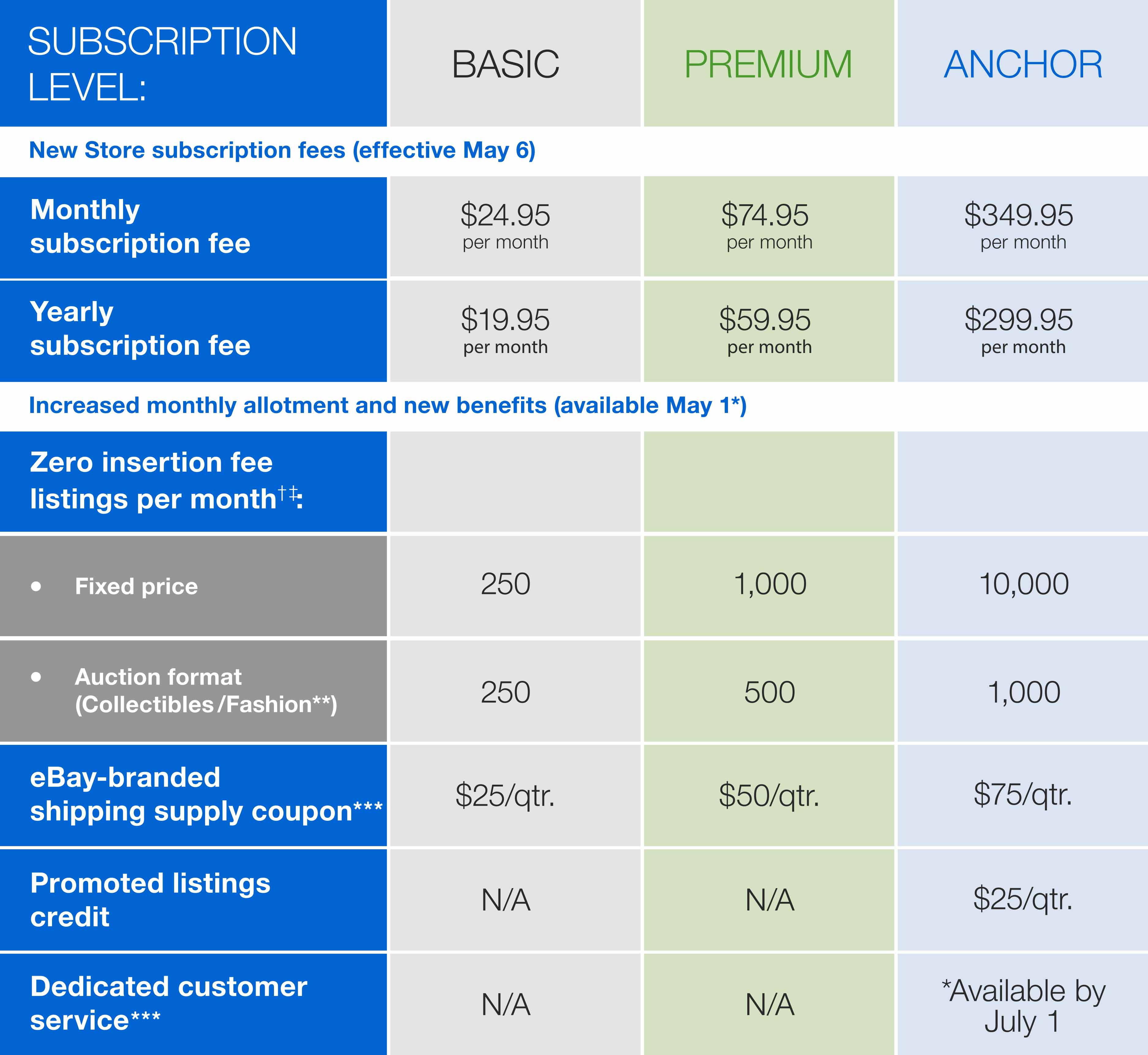
This comprehensive guide delves into the intricate world of eBay fees, dissecting each component from a financial perspective. We’ll explore how these fees are calculated, their impact on your bottom line, and crucial strategies to minimize costs and maximize your financial returns. Whether you’re a casual seller clearing out your attic or a seasoned business owner, a deep understanding of eBay’s fee structure is indispensable for sustainable financial success in the competitive online marketplace.
Deconstructing eBay’s Fee Structure: A Financial Overview
eBay’s fee model is multi-faceted, designed to cover the costs of maintaining its vast platform, marketing services, and secure transaction processing. For a financially savvy seller, categorizing and understanding each type of fee is the first step toward accurate profit forecasting and cost control.
Insertion Fees: The Cost of Listing
Insertion fees are the charges incurred simply for listing an item on eBay. Think of them as the “rent” for your virtual storefront space for each product. While eBay offers a number of “free” listings each month (the exact number varies by category, seller type, and current promotions), exceeding this quota triggers an insertion fee per listing. These fees are generally non-refundable, even if your item doesn’t sell.
From a financial planning standpoint, it’s crucial to factor these potential costs into your inventory management and listing strategy. Listing too many low-value items that don’t sell can lead to accumulated insertion fees that quickly diminish the profitability of your overall operation. Understanding your free listing allowance and strategically utilizing it, perhaps by prioritizing higher-value items or bundling lower-value ones, is a key financial optimization tactic. For business sellers, eBay Store subscriptions often come with a significantly higher number of free listings, making the subscription a financially sound investment if your volume of listings justifies it.
Final Value Fees: The Price of Success
Arguably the most significant fee for most sellers, the final value fee is eBay’s commission on a successful sale. This fee is calculated as a percentage of the total sale amount, which includes the item price, shipping charges, and any sales tax collected by eBay. The percentage varies considerably depending on the item category, with some categories incurring higher rates than others due to market dynamics or operational costs.
The financial implications of final value fees are profound. They are directly proportional to your sales revenue, meaning higher sales translate to higher fees. This necessitates careful pricing strategies. Simply setting a price that covers your item cost and shipping isn’t enough; you must bake in the final value fee to ensure a healthy profit margin. Overlooking this can lead to situations where a seemingly successful sale actually results in a loss after all fees are accounted for. For instance, if you sell an item for $100 with a 12% final value fee, $12 immediately goes to eBay, reducing your gross revenue to $88 before other costs. Accurately estimating these fees during your pricing process is essential for calculating your true net profit.
Payment Processing Fees: The Transactional Overhead
With eBay’s shift to Managed Payments, which processes transactions directly, sellers no longer deal with separate PayPal fees for most transactions. Instead, eBay incorporates a payment processing component into its fee structure. This typically manifests as a slightly higher overall final value fee percentage, or a combination of a percentage and a fixed per-order amount.
From a financial perspective, this streamlines the cost calculation, as sellers receive their payouts directly from eBay, net of all applicable fees. This integration simplifies financial reconciliation and cash flow management, as you no longer need to track separate fee deductions from different service providers. However, it’s still a distinct cost component that must be recognized. Understanding that a portion of the combined final value fee covers the cost of securely processing payments, handling refunds, and managing chargebacks helps sellers appreciate the value provided, even as they account for the direct financial impact on their revenue.
Optional Listing Upgrades: Strategic Investments or Unnecessary Expenses?
eBay offers various optional listing upgrades designed to enhance visibility and attract more buyers, such as bold titles, subtitles, gallery plus, or international site visibility. Each of these upgrades comes with an additional fee.
Financially, these upgrades represent a critical decision point. Are they strategic investments that will yield a higher return on investment (ROI) through increased sales and higher selling prices, or are they unnecessary expenses that will simply eat into your profit margins? For high-value, unique, or competitive items, an upgrade might be a worthwhile investment to ensure your listing stands out. For common, low-margin items, these fees can quickly make a listing unprofitable. A prudent financial approach involves testing different upgrade options, tracking their effectiveness, and calculating the ROI to determine if the additional cost justifies the potential increase in sales or selling price. This data-driven approach ensures that every dollar spent on upgrades is a calculated financial decision, not just an arbitrary expense.
Understanding the Impact of Fees on Profitability and Online Income
The true measure of success for any online seller isn’t just gross sales, but net profit. eBay fees, while a necessary cost of doing business, are a primary determinant of this net figure, directly influencing a seller’s personal finance and overall online income.
Calculating Net Profit: Beyond the Sale Price
Many new sellers make the mistake of only considering the item’s cost and sale price. However, a comprehensive net profit calculation must deduct all associated eBay fees, shipping costs (if not passed entirely to the buyer), packaging materials, and any other overheads.
Net Profit = Sale Price – (Item Cost + Insertion Fees + Final Value Fees + Payment Processing Component + Optional Upgrade Fees + Shipping Costs + Packaging Costs)
A detailed understanding and application of this formula are crucial for accurately assessing the financial viability of selling any item. Without it, a seller might incorrectly assume profitability, only to find their bank account dwindling. For side hustlers, this calculation is essential for understanding their true hourly earnings, while for businesses, it directly impacts their financial statements and shareholder value.
The Role of Fees in Pricing Strategy
eBay fees fundamentally shape your pricing strategy. You cannot simply price an item based on market value or your desired profit margin without considering the fees that will be deducted. Effective pricing requires backward calculation:
- Determine your desired net profit.
- Add your item cost and estimated shipping/packaging costs.
- Calculate the final value fee percentage based on this sum (this might require iteration if the fee includes a fixed component).
- Add any potential insertion fees or optional upgrade costs.
- The sum of these components will give you your optimal selling price.
This strategic pricing ensures that every sale contributes positively to your online income and financial goals. Undervaluing items can lead to a high volume of sales with low or no profit, an unsustainable financial model. Overvaluing can lead to fewer sales, tying up capital in unsold inventory. The sweet spot is achieved through diligent financial analysis of the fee structure.
Accounting for Fees in Business Planning and Budgeting
For serious online businesses, eBay fees must be a line item in their financial statements and operating budget. Consistent tracking of these expenses allows for accurate forecasting, cash flow management, and performance analysis. Fluctuations in fee structures, sales volume, or product mix can significantly impact these costs.
Integrating fee estimation into your budget helps prevent cash flow shocks. For example, knowing that a significant portion of sales revenue will go towards fees allows a business to correctly budget for inventory replenishment, marketing, and other operational expenses. For individuals pursuing eBay as a primary source of online income, treating fees as a critical business expense ensures that their personal finance planning is built on realistic expectations of net earnings.
Strategies for Minimizing eBay Fees and Maximizing Financial Returns
Proactive management of eBay fees is a cornerstone of smart financial stewardship for any online seller. There are several actionable strategies to reduce these costs, thereby enhancing your overall profitability and increasing your online income.
Leveraging eBay Stores for Reduced Costs
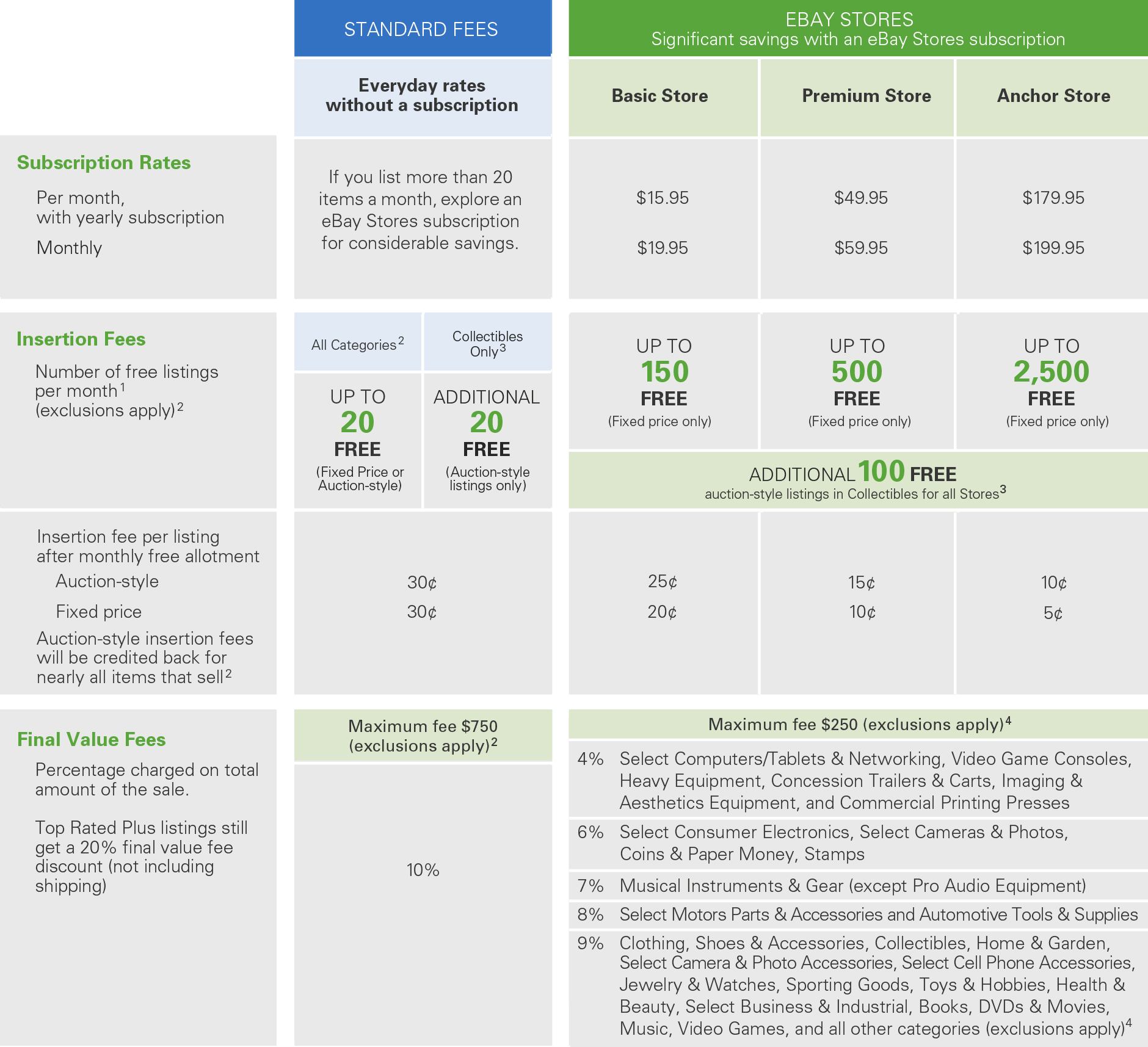
For sellers with a consistent volume of listings or sales, an eBay Store subscription can be a financially advantageous investment. Store subscribers typically receive a significantly higher number of free insertion fee listings each month, and often benefit from lower final value fee percentages in certain categories.
From a financial perspective, the monthly subscription fee for an eBay Store needs to be weighed against the cumulative savings from reduced insertion and final value fees. If your listing volume or sales value exceeds a certain threshold, the store subscription quickly pays for itself, turning into a net saving. It’s an economy of scale play: the more you sell, the more beneficial a store subscription becomes. This strategy is critical for business finance, helping to convert a variable cost (per-listing fees) into a more predictable fixed cost (monthly subscription), which aids in budgeting and forecasting.
Optimizing Listing Practices to Avoid Unnecessary Fees
Mindful listing habits can directly translate into fee savings.
- Utilize Free Listings: Always prioritize using your free monthly listing allowance before incurring insertion fees.
- Bundle Items: Instead of listing multiple low-value items separately (each potentially incurring an insertion fee), bundle them into a single, higher-value listing. This also saves on individual shipping costs.
- Accurate Categorization: Listing items in the correct category is crucial, as final value fees vary by category. Mis-categorization might lead to higher fees or even listing removal.
- Manage Unsold Items: Be proactive in ending listings for items that are clearly not selling. Repeatedly relisting an item that doesn’t sell will incur multiple insertion fees without any revenue to offset them.
These practices contribute directly to a healthier bottom line by preventing unnecessary expenditures, allowing a greater portion of sales revenue to convert into personal or business income.
Strategic Use of Promotions and Discounts
While offering promotions and discounts might seem counterintuitive to minimizing fees (as they reduce the sale price, on which fees are based), strategic application can lead to increased sales volume, which can lead to overall higher net profits. For instance, offering a “buy one, get one 50% off” might reduce the average sale price per item, but if it significantly increases your total sales, the increased volume could outweigh the slight reduction in per-item profit margin.
Furthermore, running promotions can help move stagnant inventory, freeing up capital and reducing the risk of items becoming unsellable. From a financial management standpoint, carefully planned promotions are investments in sales velocity and inventory turnover, which are crucial for maintaining healthy cash flow and maximizing long-term financial returns.
Understanding eBay’s Managed Payments for Fee Clarity
The transition to eBay Managed Payments has simplified the fee structure by consolidating various charges into a single deduction from the sale proceeds. For sellers, this means payouts are received net of all eBay fees. This simplification improves financial clarity, as you no longer need to reconcile payments from one source and fees from another.
Sellers should regularly review their “Payments” tab in My eBay, which provides detailed breakdowns of sales, fees, shipping labels, and payouts. This transparency is invaluable for financial tracking, allowing sellers to easily see how much they are paying in fees and how this impacts their final take-home amount. Regular review of these statements is a key financial discipline for ensuring accuracy and identifying any discrepancies or areas for optimization.
Beyond the Numbers: Broader Financial Implications for eBay Sellers
While direct fees are the most obvious financial concern, selling on eBay has broader financial implications that extend to taxation, inventory management, and long-term business growth.
Tax Implications of Selling on eBay
Any income generated from selling on eBay, whether as a casual seller or a full-fledged business, is subject to taxation. This is a critical aspect of personal and business finance often overlooked by new sellers. eBay provides 1099-K forms to sellers who meet certain thresholds (which have been subject to recent changes, so staying updated is vital).
Sellers must keep meticulous records of all income and expenses, including eBay fees, shipping costs, and cost of goods sold, to accurately calculate their taxable income. Failing to account for these expenses can lead to an overestimation of profits and, consequently, an overpayment of taxes. Consulting with a tax professional specializing in online sales is a wise financial investment for anyone earning significant income through eBay.
Inventory Management and Cash Flow
eBay fees are intrinsically linked to inventory management and cash flow. Capital tied up in unsold inventory is not just a lost opportunity; it’s a liability, especially if that inventory incurs repeated insertion fees. Efficient inventory turnover ensures that capital is constantly recycled, generating new sales and profits.
A slow-moving inventory can strain cash flow, particularly when fees are still being incurred on listings that aren’t selling. Strategic use of promotions, adjusting prices, or even donating/liquidating unsellable items can be financially prudent decisions to free up capital and reduce ongoing fee liabilities. This proactive approach to inventory directly impacts a seller’s financial health and sustainability.
Reinvesting Profits for Sustainable Growth
For many eBay sellers, especially those with a business mindset, a portion of the net profit should be strategically reinvested. This could involve purchasing higher-quality inventory, investing in better photography equipment, upgrading to an eBay Store subscription, or even professional development to enhance selling skills.
The ability to reinvest profits hinges entirely on understanding and managing fees. If fees are too high, or not properly accounted for, the “net profit” available for reinvestment shrinks, hindering growth potential. A robust financial strategy ensures that the business generates sufficient profit, after all fees and expenses, to fuel its own expansion and secure long-term financial viability.
The Evolving Landscape of eBay Fees: Staying Financially Agile
The online marketplace is dynamic, and eBay’s fee structure is not static. Policies and percentages can change, categories can be reclassified, and new features might come with new costs or opportunities for savings. Financial agility is key to sustained success.
Keeping Up with Policy Updates
eBay regularly communicates changes to its fee structure and policies. Savvy sellers make it a habit to review these announcements promptly. Ignoring updates can lead to unexpected charges or missed opportunities for fee reduction. Subscribing to eBay’s seller newsletters and regularly checking the seller hub for news are simple yet critical financial practices.
Analyzing Fee Structures Across Different Categories
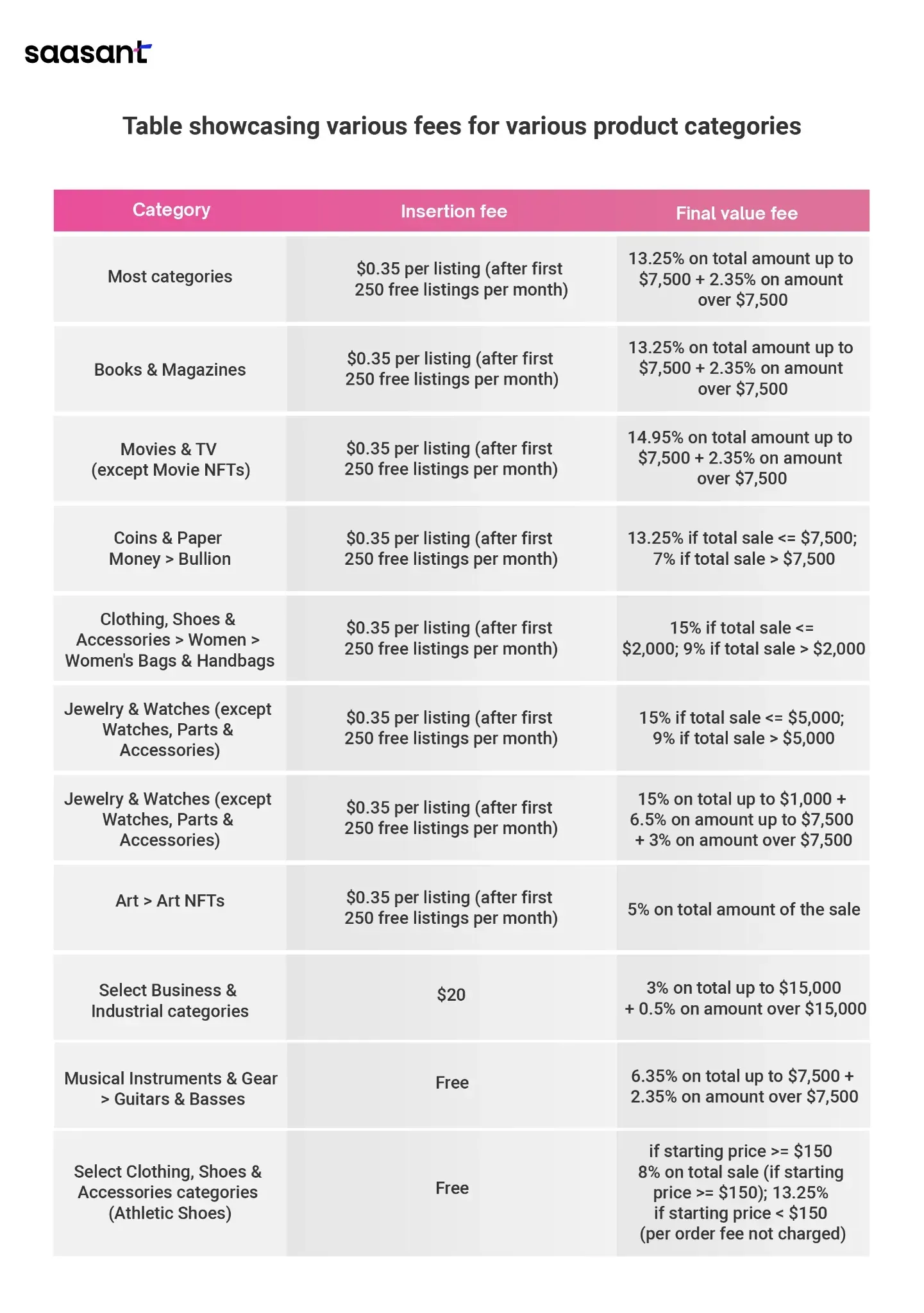
Not all product categories on eBay are created equal in terms of fees. Sellers might find that certain categories offer better profit margins due to lower final value fees, or higher free listing allowances. Diversifying inventory across categories with favorable fee structures, or specializing in such niches, can be a financially sound strategy. Regular analysis of category-specific fee rates ensures that your product mix is optimized for maximum profitability.
Comparing Costs with Alternative Platforms
While this article focuses on eBay, a comprehensive financial strategy for online selling often involves evaluating alternative platforms. Periodically comparing eBay’s total fee structure (including insertion, final value, and payment processing components) against competitors like Amazon, Etsy, or specialized marketplaces can help you determine the most financially efficient channels for your products. This market intelligence is invaluable for making informed decisions about where to allocate your inventory and marketing efforts, ensuring you maintain a competitive edge and optimize your overall online income streams.
In conclusion, understanding “what are the fees for eBay” is far more than just knowing a list of charges. It’s about developing a robust financial literacy that empowers sellers to price accurately, budget effectively, minimize costs, and ultimately, maximize their online income and achieve their personal and business financial goals within the dynamic ecosystem of e-commerce.
aViewFromTheCave is a participant in the Amazon Services LLC Associates Program, an affiliate advertising program designed to provide a means for sites to earn advertising fees by advertising and linking to Amazon.com. Amazon, the Amazon logo, AmazonSupply, and the AmazonSupply logo are trademarks of Amazon.com, Inc. or its affiliates. As an Amazon Associate we earn affiliate commissions from qualifying purchases.