
Relocating to a new city or country involves a complex web of logistical and financial considerations. For pet owners, one of the most significant line items in a moving budget is pet transport. Whether you are moving for a new job, retiring abroad, or simply transitioning to a new lifestyle, understanding the financial architecture of pet relocation is essential for sound personal financial planning.
The cost of pet transport is rarely a flat fee. It is a variable expense influenced by distance, species, regulatory requirements, and the level of service required. This guide provides a deep dive into the financial aspects of pet transport, helping you navigate the costs, hidden fees, and budgeting strategies involved in safely moving your pets.
1. Breaking Down the Core Costs of Professional Pet Relocation
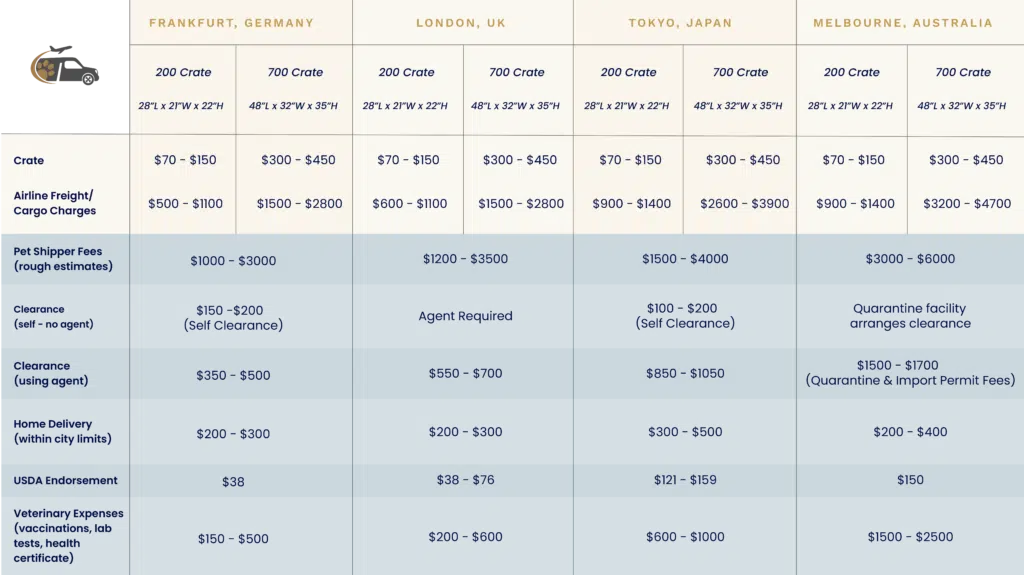
When analyzing the price of pet transport, it is helpful to categorize expenses into direct service fees and variable logistics costs. Depending on whether you choose a door-to-door service or a port-to-port arrangement, your base quote can fluctuate significantly.
Domestic vs. International Logistics
Domestic pet transport within the same country—particularly via ground transport—is the most budget-friendly option. For a cross-country move in the United States, ground transport can range from $500 to $1,500 depending on the distance and whether your pet is on a “private” or “shared” ride.
International relocation, however, is a different financial beast. The complexity of international air travel, customs brokerage, and varying import taxes can drive costs anywhere from $2,500 to over $10,000. For example, moving a large dog from New York to London involves transatlantic flight fees, which are often calculated by “volumetric weight” rather than actual weight, significantly increasing the price for larger breeds.
Mode of Transport: Air vs. Ground
The choice between air and ground transport is often dictated by distance, but it has a profound impact on your bottom line.
- Ground Transport: Generally priced per mile or via a flat zone-based fee. While slower, it avoids the high “fuel surcharges” associated with air travel.
- Air Travel: This includes the airfare for the pet (manifest cargo), which is typically much higher than a standard human ticket. Airlines charge based on the size of the crate; therefore, a Great Dane will cost exponentially more to fly than a Chihuahua.
Species, Size, and Breed Considerations
From a financial perspective, the “type” of pet is a major cost driver. Standard cats and small dogs are the most economical to move. However, “snub-nosed” (brachycephalic) breeds like Bulldogs or Persian cats often require specialized handling or specific airlines that permit their transport, leading to a “premium” service charge. Furthermore, exotic pets—such as birds or reptiles—may require CITES (Convention on International Trade in Endangered Species) permits, which carry their own administrative fees and specialized shipping requirements.
2. Indirect Expenses and Hidden Financial Obligations
When budgeting for pet transport, many owners overlook the “soft costs” that occur before the pet even leaves the house. These indirect expenses can add 20% to 40% to your total relocation budget.
Veterinary and Health Certification Fees
Every jurisdiction requires proof of health before a pet can enter. Locally, this might just be a rabies certificate. Internationally, the financial requirements escalate. You may need to pay for:
- ISO-compliant Microchipping: $50–$100.
- Blood Titer Tests: Especially for “rabies-free” destinations like Hawaii, Australia, or Japan, these tests can cost $400–$600 and must be sent to specific approved laboratories.
- USDA or Government Endorsements: In the U.S., a health certificate must be signed by a USDA-accredited vet and then sent to a USDA office for a formal seal. This involves both vet fees ($200–$500) and government processing fees.
Custom Crate Requirements
You cannot simply use a standard plastic carrier for professional transport. The International Air Transport Association (IATA) has strict guidelines for “Live Animal Regulations” (LAR). If your crate does not meet these specific dimensions—allowing the pet to stand, turn around, and lie down naturally—the airline will refuse boarding. Purchasing a high-quality, IATA-compliant wooden or heavy-duty plastic crate can cost between $150 and $500. For very large dogs, a custom-built wooden crate may be required, which can run upwards of $800.
Import Taxes, Duties, and Quarantine Fees
Some countries view the arrival of a pet as an import of “goods,” which may trigger VAT or import taxes based on the pet’s perceived value. Additionally, if you are moving to a country with strict biosecurity laws, your pet may be required to stay in a government-managed quarantine facility. For instance, quarantine stays in Australia or Singapore can cost thousands of dollars in boarding fees, mandatory vet exams, and specialized transport to and from the facility.
3. Financial Strategies for Budgeting Pet Transport
Managing the costs of pet relocation requires a proactive approach to financial planning. By understanding where you can save and where you shouldn’t skimp, you can optimize your moving budget.
DIY vs. Full-Service Professional Management
The most significant financial decision you will make is whether to handle the logistics yourself or hire a professional pet relocation firm.
- The DIY Route: You save on “agency fees” (which usually range from $500 to $2,000). However, you assume the financial risk of a mistake. If a document is missing or a crate is the wrong size, you may face last-minute boarding fees, flight change penalties, or even the cost of flying your pet back to the origin.
- Full-Service Management: While the upfront cost is higher, these firms provide “insurance” against logistical failure. They handle the flight bookings, vet coordination, and customs clearance, which can prevent costly delays.
Timing the Move for Cost Efficiency
Just as human airfare fluctuates, so does the cost of moving animals. Many airlines have “temperature restrictions.” During the height of summer or the depths of winter, many carriers will not accept pets in cargo for safety reasons. If you are forced to move during these times, you may have to resort to specialized “climate-controlled” ground transport or more expensive professional charters, which can double your costs. Planning your move during “shoulder seasons” (spring and autumn) is often the most cost-effective strategy.
Insurance and Risk Management
Is pet transport insurance worth the investment? From a business finance perspective, it is a hedge against catastrophic loss. While most transport companies have basic liability, it rarely covers the full “value” of the pet or the high cost of emergency veterinary care if an injury occurs during transit. Specialized pet transit insurance typically costs 1% to 3% of the declared value of the relocation and provides peace of mind that unexpected medical or logistical crises won’t break your budget.
4. The ROI of Professional Services: Is it Worth the Investment?
When looking at a $5,000 quote for moving a dog, many pet owners experience “sticker shock.” However, evaluating this through the lens of Return on Investment (ROI) and the “Time Value of Money” provides a clearer picture of the value.
Mitigating Costly Errors
The regulatory landscape for pet travel is a minefield. A single error on a health certificate can lead to a pet being denied entry at a border. In such a scenario, the owner is financially responsible for the pet’s immediate return flight or an extended (and expensive) stay in a bonded warehouse or quarantine facility. Professional transporters act as a financial safeguard against these high-stakes errors.
The Value of Personal Time and Productivity
For many professionals, the dozens of hours required to research airline policies, find IATA-approved crates, coordinate with government vets, and manage customs paperwork represent a significant “opportunity cost.” If your time is valued at a certain hourly rate, outsourcing these tasks to a specialist often pays for itself by allowing you to focus on your career transition or the other financial aspects of your move.
Peace of Mind as an Intangible Asset
While difficult to quantify on a balance sheet, the emotional well-being of the owner and the safety of the pet have an inherent value. High-quality pet transport services offer GPS tracking, regular photo updates, and 24/7 support. For many families, the reduction in stress and the assurance that their “furry family members” are being handled with professional care is worth the premium price tag.
In conclusion, pet transport services are a significant but necessary investment for the modern, mobile pet owner. By understanding the breakdown of domestic and international fees, accounting for hidden veterinary and regulatory costs, and strategically choosing between DIY and professional services, you can ensure that your pet’s relocation is both financially sound and physically safe. As with any major financial undertaking, the key to success lies in early research, meticulous budgeting, and a clear understanding of the value provided by professional expertise.
aViewFromTheCave is a participant in the Amazon Services LLC Associates Program, an affiliate advertising program designed to provide a means for sites to earn advertising fees by advertising and linking to Amazon.com. Amazon, the Amazon logo, AmazonSupply, and the AmazonSupply logo are trademarks of Amazon.com, Inc. or its affiliates. As an Amazon Associate we earn affiliate commissions from qualifying purchases.