
The landscape of global ideologies and belief systems can be understood through the lens of brand strategy, where foundational narratives, distinct messaging, community engagement models, and visual identities differentiate various organizations and movements. Christianity and Islam, two of the world’s largest religions, offer a compelling case study in comparative brand analysis. While their origins share common Abrahamic roots, their distinct evolutions have forged unique corporate identities, core messaging, and strategies for global influence and community building. Understanding these differences from a strategic branding perspective reveals not just theological distinctions, but also divergent approaches to organizational structure, audience engagement, and long-term brand sustainability.

Core Messaging and Brand Identity
At the heart of any successful brand lies its core message and the identity it projects. For Christianity and Islam, these elements are profoundly shaped by their foundational texts and their understanding of the divine.
Foundational Narratives and Unique Selling Propositions (USPs)
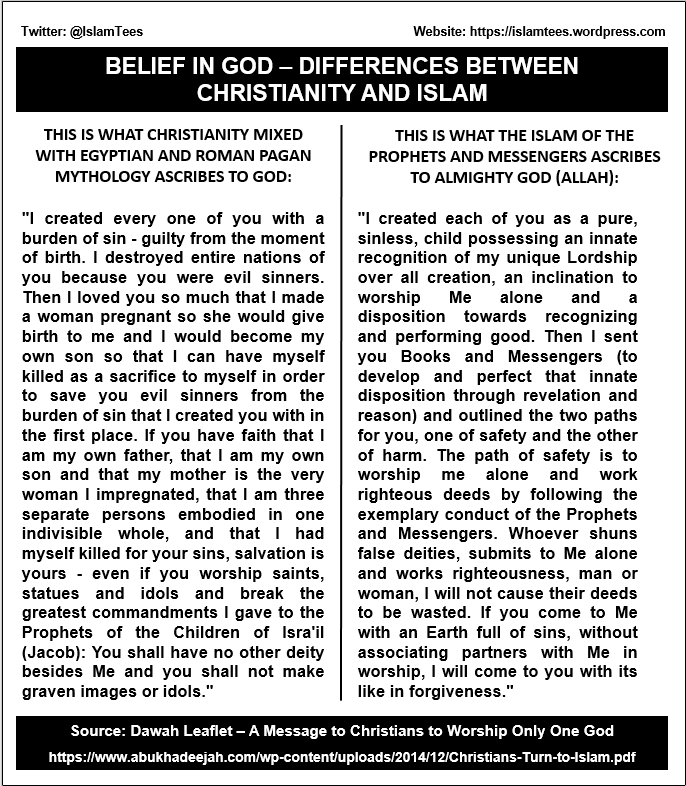
Christianity’s core brand narrative, encapsulated in the Bible (Old and New Testaments), revolves around the life, teachings, death, and resurrection of Jesus Christ. Its unique selling proposition (USP) centers on the concept of salvation through faith in Jesus as the Son of God, a divine sacrifice for humanity’s sins. The Trinitarian doctrine—God as Father, Son, and Holy Spirit—forms a central, defining pillar of Christian brand identity, emphasizing a relational and personal God accessible through Christ. This narrative offers a path to spiritual redemption and eternal life, a promise that resonates deeply with its global audience.
Islam’s brand identity, conversely, is built upon the Quran, believed to be the literal word of God (Allah) revealed to the Prophet Muhammad. Its primary USP is radical monotheism (Tawhid)—the absolute oneness and indivisibility of God. Islam emphasizes submission to the will of Allah (the literal meaning of “Islam”) as the sole path to righteousness and paradise. The prophethood of Muhammad, seen as the final prophet in a lineage including Abraham, Moses, and Jesus, is crucial to its narrative. This core messaging underscores a direct, unmediated relationship with God, guided by divine law as revealed in the Quran and elaborated in the Sunnah (the teachings and practices of Muhammad).
Divine Nature and Prophetic Authority as Core Brand Pillars
The understanding of divine nature constitutes a significant divergence in their corporate identities. Christianity’s Trinitarian concept positions God as three co-equal persons in one divine being. This complex theological framework is a key differentiator, influencing worship, iconography, and the very concept of divine-human interaction. Jesus Christ, central to this identity, is revered not merely as a prophet but as God incarnate, integral to the redemption story.
Islam, on the other hand, vehemently rejects the Trinitarian concept and any notion of God having partners or offspring. Allah is singular, unique, and transcendent, explicitly without physical form or human characteristics. This unwavering commitment to Tawhid is Islam’s most powerful and distinguishing brand pillar. Muhammad is revered as the ultimate messenger of God, his authority derived from his role in conveying the divine word, but he is strictly human, not divine. This difference shapes everything from religious art (aniconism in Islam) to theological discourse and the nature of reverence.
Salvation, Redemption, and Afterlife: Differentiated Customer Journeys
The path to spiritual fulfillment and the nature of the afterlife are also distinct “customer journeys” offered by these brands. In Christianity, salvation is largely achieved through God’s grace, typically accessed through faith in Jesus Christ, his atonement, and often through sacraments or good works as expressions of that faith. The emphasis is on forgiveness of sins and reconciliation with God, leading to eternal life in heaven.
Islam presents salvation as achieved through sincere submission to Allah, upholding His commands, and performing good deeds, which are weighed on the Day of Judgment. The “Five Pillars of Islam”—Shahada (declaration of faith), Salat (prayer), Zakat (charity), Sawm (fasting), and Hajj (pilgrimage)—are the actionable steps and core practices that define this journey. Paradise is described as a reward for the righteous, contingent upon one’s earthly actions and Allah’s mercy. This offers a clear, structured framework for adherents to follow.
Organizational Structure and Community Engagement
The way these religions structure their communities and engage their followers provides further insight into their differing brand strategies.
Leadership Models: Centralized vs. Decentralized Authority
Christianity, across its myriad denominations, exhibits a spectrum of organizational models. Catholicism, for instance, presents a highly centralized, hierarchical structure with the Pope as its supreme spiritual leader, offering a unified global brand image and consistent messaging. Other Christian traditions, such as Protestantism, are often more decentralized, with congregational or presbyterian structures, allowing for greater local autonomy and diverse interpretations of core doctrines. This allows for a broader market appeal but can sometimes lead to brand fragmentation.
Islam generally operates with a more decentralized leadership model, lacking a singular, universally recognized hierarchical authority figure akin to the Pope. While there are respected religious scholars, imams, and jurists, their authority is often regional or based on scholarly reputation rather than a unified global structure. Sunni Islam, comprising the vast majority of Muslims, emphasizes community consensus (ijma) and individual interpretation based on scholarly guidance. Shi’a Islam, while having a more defined clerical hierarchy (e.g., ayatollahs), still lacks a single global leader. This decentralized approach fosters local adaptability and cultural integration but requires strong adherence to core principles to maintain brand cohesion.
Rituals, Practices, and Community Building Strategies
Both religions employ distinct rituals and practices as critical components of their community engagement and brand reinforcement strategies. Christian practices often include communal worship services (e.g., Mass, liturgy, sermons), baptism, communion (Eucharist), and various sacraments. These rituals serve to bind believers, reinforce doctrinal messages, and provide a shared spiritual experience. The congregational model fosters strong local communities and social networks.
Islamic practices, codified in the Five Pillars, are highly visible and communal. Daily prayers (Salat) performed facing the Kaaba in Mecca, the communal fasting during Ramadan, and the pilgrimage to Mecca (Hajj) are powerful, unifying acts of devotion. These practices not only reinforce individual faith but also visibly demonstrate adherence to the global Muslim “umma” (community), creating a powerful sense of shared identity and belonging across diverse cultures. Friday congregational prayers are also pivotal for local community cohesion.
Sacred Texts as Brand Manuals and Guiding Principles
The Bible and the Quran function as comprehensive brand manuals, providing detailed guidelines for belief, ethics, and conduct. The Christian Bible, with its narrative arc from creation to apocalypse, offers diverse genres (history, poetry, law, prophecy, gospel, letters) that allow for varied engagement and interpretation. Its extensive historical and cultural context invites scholarly inquiry and personal reflection.
The Quran, viewed as the direct, unalterable word of God, emphasizes a more prescriptive and unified message. Its Arabic original is considered the sacred text, leading to a strong emphasis on linguistic precision and memorization. Alongside the Quran, the Hadith (sayings and actions of Prophet Muhammad) serves as an essential supplementary manual, offering practical examples and further elucidating Islamic principles. Both sets of texts ensure doctrinal consistency and guide adherents in all aspects of life, from personal morality to societal governance, functioning as comprehensive instruction sets for their respective brands.
Visual Identity, Symbols, and Global Reach
Visual identity and symbols play a crucial role in brand recognition and emotional connection. Both Christianity and Islam leverage these elements differently to cultivate their global presence.
Iconography and Architectural Branding
Christianity has historically embraced rich iconography, statuary, and artistic representations of Jesus, saints, and biblical scenes. The cross is its universally recognized symbol, immediately identifying its adherents and institutions. Churches, cathedrals, and basilicas often feature elaborate designs, stained glass, and decorative art, functioning as powerful architectural branding elements that convey history, grandeur, and spiritual focus. These visual cues are integral to the Christian aesthetic and narrative.
Islam, guided by aniconism (the avoidance of depicting sentient beings, especially God or prophets), has developed a distinct visual identity centered on calligraphy, geometric patterns, and arabesque designs. The crescent moon and star are widely associated with Islam, though they are not universal religious symbols. Mosques, characterized by domes, minarets, and intricate geometric tiling, serve as iconic architectural branding that communicate serenity, symmetry, and devotion. The aesthetic celebrates abstraction and divine unity, reinforcing core theological principles through design.
Global Footprint and Market Penetration Strategies
Both religions have achieved immense global reach through centuries of missionary work, migration, and cultural assimilation. Christianity, particularly through European colonial expansion and subsequent missionary movements, established a strong presence across continents, adapting its message to diverse local contexts. Its extensive network of charitable organizations, educational institutions, and healthcare providers often serve as critical points of contact and community engagement, broadening its societal impact beyond purely spiritual dimensions.
Islam’s expansion primarily occurred through conquest, trade, and dawah (invitation to Islam), spreading across North Africa, the Middle East, parts of Asia, and into Europe. Its emphasis on a universal brotherhood of believers (umma) transcends ethnic and national boundaries, fostering a unified global identity. The Hajj pilgrimage, bringing millions to Mecca annually, is a unique and powerful global gathering that reinforces community and shared purpose, acting as an unparalleled global branding event.
Ethical Frameworks and Societal Impact as Brand Values
A brand’s values, manifest in its ethical framework and societal contributions, are paramount to its long-term perception and relevance.
Moral Codes and Behavioral Guidelines
Christianity’s ethical framework is largely derived from the Ten Commandments, Jesus’ Sermon on the Mount (emphasizing love, forgiveness, and compassion), and the teachings of the Apostles. It prioritizes virtues such as charity, humility, justice, and self-sacrifice. While interpretations vary, the underlying message encourages believers to live lives reflective of Christ’s example, focusing on personal transformation and moral purity.
Islam’s ethical code is rooted in the Quran and the Sunnah, providing comprehensive guidance on personal conduct, family life, economic transactions, and governance. Key virtues include justice (adl), compassion (rahma), honesty, integrity, and generosity. The concept of halal (permissible) and haram (forbidden) extends to all aspects of life, offering a clear and detailed blueprint for moral living and societal order.
Social Responsibility and Community Contribution
Both religions have a profound history of social responsibility and community contribution. Christian organizations have been at the forefront of establishing hospitals, schools, orphanages, and disaster relief efforts globally, driven by the commandment to love one’s neighbor and care for the poor. This emphasis on practical service often forms a key part of Christian outreach and engagement.
Islam emphasizes zakat (obligatory charity) as one of its five pillars, institutionalizing wealth redistribution to support the needy, the poor, and other specified beneficiaries. Islamic principles also advocate for social justice, economic fairness, and community welfare. Waqf (endowments) have historically funded mosques, hospitals, schools, and infrastructure projects, demonstrating a deep-seated commitment to societal betterment. Both, in their own ways, exemplify brands with strong social missions embedded in their core values and practices, seeking to positively impact the world beyond spiritual tenets alone.
In conclusion, viewing Christianity and Islam through a strategic branding lens reveals not just their theological distinctions but also the nuanced ways they have cultivated unique identities, delivered core messages, structured their organizations, and engaged their global audiences. Their differences in foundational narratives, leadership models, visual aesthetics, and ethical frameworks highlight diverse strategies for maintaining relevance, fostering community, and shaping human civilization.
aViewFromTheCave is a participant in the Amazon Services LLC Associates Program, an affiliate advertising program designed to provide a means for sites to earn advertising fees by advertising and linking to Amazon.com. Amazon, the Amazon logo, AmazonSupply, and the AmazonSupply logo are trademarks of Amazon.com, Inc. or its affiliates. As an Amazon Associate we earn affiliate commissions from qualifying purchases.