
In the world of finance, few metrics hold as much gravity as the interest rate. Often described as the “price of money,” interest rates dictate the rhythm of the global economy, influencing everything from the cost of a morning cup of coffee to the monthly payment on a thirty-year mortgage. For the past several years, we have transitioned from a decade of historically low rates into a new era of “higher for longer” policy. Understanding where current interest rates stand—and more importantly, why they are there—is essential for any individual looking to safeguard their personal finances, optimize their investments, or navigate the complexities of the modern housing market.
The Engine of the Economy: Understanding the Federal Funds Rate
At the heart of the interest rate discussion is the Federal Funds Rate, set by the Federal Open Market Committee (FOMC). This is the rate at which commercial banks borrow and lend their excess reserves to each other overnight. While it may sound like a technicality of the banking system, it serves as the benchmark for virtually all other interest rates in the United States and significantly impacts global markets.
How the Federal Reserve Influences Borrowing Costs
When the Federal Reserve adjusts the federal funds rate, a domino effect ripples through the financial system. When the Fed raises rates, it becomes more expensive for banks to borrow money. To maintain their profit margins, banks pass these costs on to consumers and businesses by raising the rates on loans, credit cards, and mortgages. Conversely, when the Fed lowers rates, borrowing becomes cheaper, encouraging spending and investment to stimulate an ailing economy.
Currently, the Federal Reserve has maintained rates at a twenty-year high, a strategic move designed to cool down an overheating economy. By making it more expensive to borrow, the Fed intentionally slows down consumer spending and business expansion, which in turn reduces the demand for goods and services.
The Battle Against Inflation and the “Higher for Longer” Sentiment
The primary catalyst for the current high-interest-rate environment is the fight against inflation. Following the global pandemic, a combination of supply chain disruptions, unprecedented fiscal stimulus, and pent-up consumer demand sent inflation soaring to levels not seen since the early 1980s. The Federal Reserve’s primary mandate is price stability, and their weapon of choice is the interest rate.
The “higher for longer” sentiment refers to the central bank’s commitment to keeping rates elevated until inflation consistently returns to their 2% target. For investors and consumers, this means the era of “easy money”—where debt was almost free—is over for the foreseeable future. This shift requires a fundamental recalibration of financial strategies, moving away from high-leverage growth and toward capital preservation and yield.
Mortgage Rates and the Housing Market Outlook
For the average consumer, the most tangible impact of interest rate policy is felt in the housing market. Mortgage rates are not set directly by the Fed, but they are closely tied to the yield on the 10-year Treasury note, which reacts to the Fed’s signals.
Fixed vs. Variable Rates in a Volatile Market
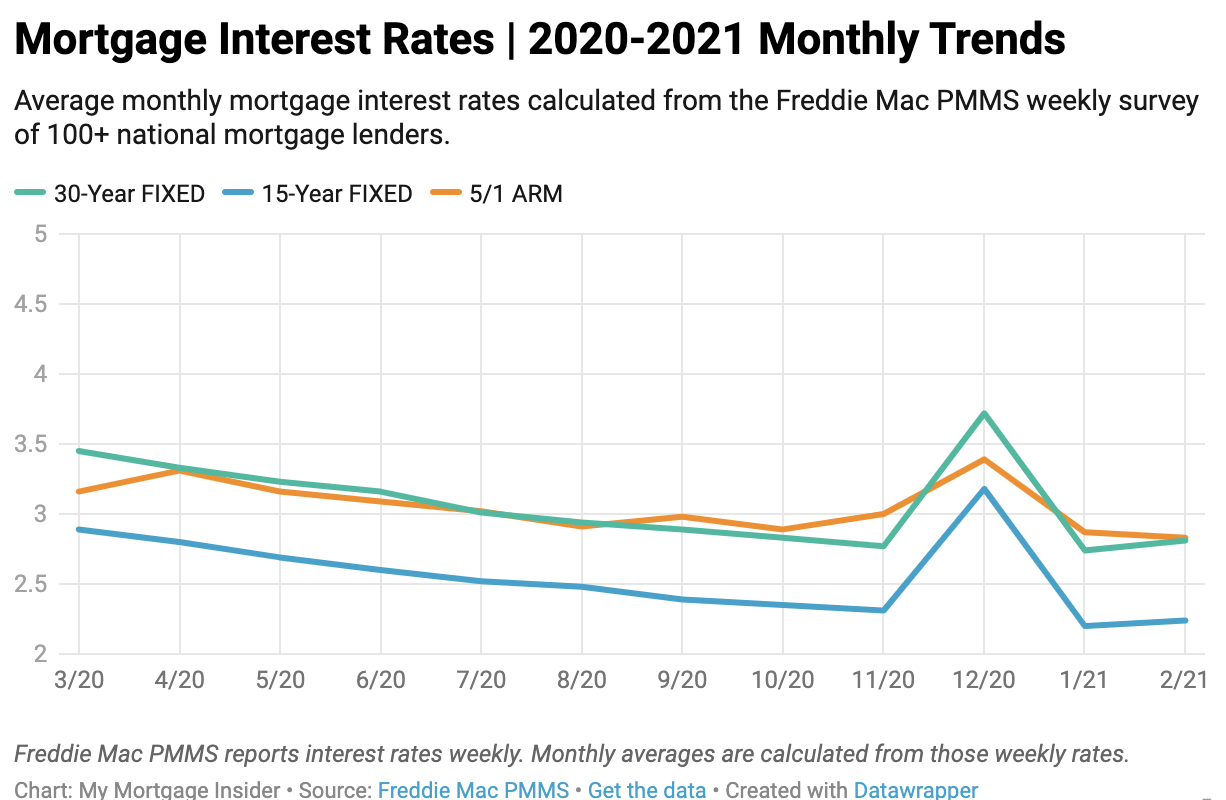
In the current environment, the 30-year fixed-rate mortgage—the gold standard of American homeownership—has seen significant volatility. While rates have retreated slightly from their absolute peaks, they remain substantially higher than the 3% range seen in 2021. This has created a “lock-in effect,” where current homeowners are reluctant to sell because they do not want to trade their low-interest mortgage for a new one at 6% or 7%.
Adjustable-rate mortgages (ARMs) have regained some popularity as a result. An ARM typically offers a lower initial interest rate for a set period (such as five or seven years) before adjusting based on market conditions. While this can offer temporary relief, it carries the risk of significantly higher payments in the future if rates do not decline as expected.
Strategies for Prospective Homebuyers Today
For those looking to enter the market now, the strategy has shifted from “finding the lowest price” to “managing the monthly carry.” Buyers are increasingly utilizing points—upfront fees paid to the lender to lower the interest rate—or seeking seller concessions to buy down their rates.
Furthermore, the “marry the house, date the rate” philosophy has become a common mantra. This suggests that if a buyer finds a home they love, they should purchase it now and plan to refinance the mortgage later if interest rates drop. However, this strategy assumes that rates will eventually fall and that the homeowner will have enough equity and a high enough credit score to qualify for a refinance in the future—a calculated risk that requires careful financial planning.
Maximizing Returns: Interest Rates and Personal Savings

While high interest rates are a burden for borrowers, they are a boon for savers. For nearly fifteen years, keeping money in a traditional savings account resulted in “real” losses, as the interest earned was far lower than the rate of inflation. Today, the script has flipped.
High-Yield Savings Accounts (HYSA) and Certificates of Deposit (CDs)
The rise in the federal funds rate has forced banks to compete for consumer deposits. This has led to the proliferation of High-Yield Savings Accounts (HYSAs), many of which now offer annual percentage yields (APYs) exceeding 4% or even 5%. For the first time in a generation, “cash” is a viable asset class that provides a meaningful return without market risk.
Certificates of Deposit (CDs) have also seen a resurgence. By “locking up” money for a specific term—ranging from a few months to several years—savers can guarantee a high rate of return even if the Federal Reserve decides to cut rates in the coming months. This is an excellent tool for individuals with short-term goals, such as saving for a wedding or a down payment on a home.
The Shift from Growth to Yield in Investment Portfolios
In a low-rate environment, investors are often forced into the stock market to find any semblance of a return, a phenomenon known as “TINA” (There Is No Alternative). With current rates where they are, there is now a very real alternative.
Conservative investors are moving capital into Treasury bonds and high-grade corporate bonds, which offer attractive yields with significantly less volatility than equities. For the personal investor, this means rebalancing portfolios to ensure they are taking advantage of these “risk-free” returns while protecting themselves against the potential downside of a slowing economy.
The Cost of Debt: Credit Cards and Personal Loans
While savers celebrate, those carrying high-interest debt are facing a mounting challenge. Most credit cards have variable interest rates tied to the prime rate, which moves in lockstep with the Federal Reserve’s decisions.
Managing High-Interest Debt in a Rising Rate Environment
The average credit card APR (Annual Percentage Rate) has climbed to record highs, often surpassing 20% or even 25%. At these levels, interest charges can quickly spiral out of control, making it nearly impossible to pay down the principal balance. The “minimum payment” trap is more dangerous now than ever before.
To combat this, financial experts recommend the “avalanche method”—prioritizing payments on the debt with the highest interest rate while maintaining minimum payments on others. It is also a critical time to review credit card statements and look for opportunities to switch to cards with 0% introductory APR periods on balance transfers, though these offers are becoming harder to find as banks tighten their lending standards.
Debt Consolidation as a Strategic Financial Move
For those with multiple high-interest obligations, a debt consolidation loan can be a lifesaver. By taking out a single personal loan at a fixed interest rate—which is typically much lower than a credit card rate—a borrower can pay off all their revolving debt and have a single, predictable monthly payment. However, this only works if the borrower addresses the spending habits that led to the debt in the first place; otherwise, they risk doubling their debt load.
Future Projections: What to Expect in the Coming Quarters
Predicting the future of interest rates is notoriously difficult, even for the most seasoned economists. However, by looking at specific economic indicators, we can form a logical projection of where we are headed.
Indicators to Watch: CPI, Labor Market, and GDP
The Fed is “data-dependent,” meaning their next move depends on three main factors:
- Consumer Price Index (CPI): If inflation continues to cool toward the 2% target, the pressure to keep rates high will dissipate.
- The Labor Market: If unemployment begins to rise significantly, the Fed may cut rates to prevent a deep recession, even if inflation isn’t perfectly at 2%.
- GDP Growth: Strong economic growth gives the Fed “room” to keep rates high. If the economy begins to contract, a rate cut becomes more likely to stimulate activity.

Building a Resilient Financial Strategy for Any Rate Environment
Regardless of whether rates go up, down, or stay the same, the key to financial success is resilience. This involves maintaining an emergency fund in a high-yield account, avoiding high-interest consumer debt, and staying diversified in investments.
Current interest rates are a tool used by policymakers to balance the scales of the economy. By staying informed and understanding the mechanics behind these numbers, you can move from being a passive observer of the economy to an active manager of your financial destiny. Whether you are looking to buy a home, save for retirement, or pay off debt, the “current” interest rate is not just a number—it is the foundation upon which your financial decisions should be built.
aViewFromTheCave is a participant in the Amazon Services LLC Associates Program, an affiliate advertising program designed to provide a means for sites to earn advertising fees by advertising and linking to Amazon.com. Amazon, the Amazon logo, AmazonSupply, and the AmazonSupply logo are trademarks of Amazon.com, Inc. or its affiliates. As an Amazon Associate we earn affiliate commissions from qualifying purchases.