
The landscape of auto financing has undergone a seismic shift over the last few years. For over a decade, consumers enjoyed historically low interest rates that made financing a vehicle relatively inexpensive. However, a combination of post-pandemic inflation, aggressive Federal Reserve rate hikes, and tightening credit standards has transformed the market. Understanding the current car loan rates is no longer just about finding a monthly payment that fits your budget; it is about navigating a complex financial environment where a few percentage points can mean thousands of dollars in interest over the life of the loan.
The Economic Drivers Behind Today’s Rates
To understand why car loan rates are currently hovering at decade-highs, one must look at the broader macroeconomic picture. The primary driver is the federal funds rate, set by the Federal Reserve. When the Fed raises rates to combat inflation, the cost of borrowing increases across the board—from credit cards and mortgages to auto loans.
Banks and credit unions must pay more to borrow money themselves, and these costs are passed directly to the consumer. Currently, the market is in a period of relative stabilization, but rates remain elevated compared to the 3% or 4% averages seen in 2019 and 2020. For a borrower with excellent credit, a new car loan might currently range between 6.5% and 8.5%, while used car rates are significantly higher, often starting at 9% and climbing well into the double digits.
The Impact of Liquidity and Lender Risk
Beyond the Federal Reserve, internal banking liquidity plays a crucial role. Following some volatility in the banking sector, many institutions have become more conservative with their lending portfolios. This means that even if the baseline interest rate stays flat, lenders might increase their “spread”—the margin they add on top of their costs—to account for the risk of default. In the current economy, where vehicle prices remain high and consumer debt is rising, lenders are scrutinizing applications more closely than they have in years.
Determinants of Your Individual Interest Rate
While national averages provide a benchmark, your specific rate is determined by a matrix of financial factors. In the world of personal finance, the “advertised rate” is often a “starting at” figure reserved for those with near-perfect financial profiles.
Credit Score Tiers
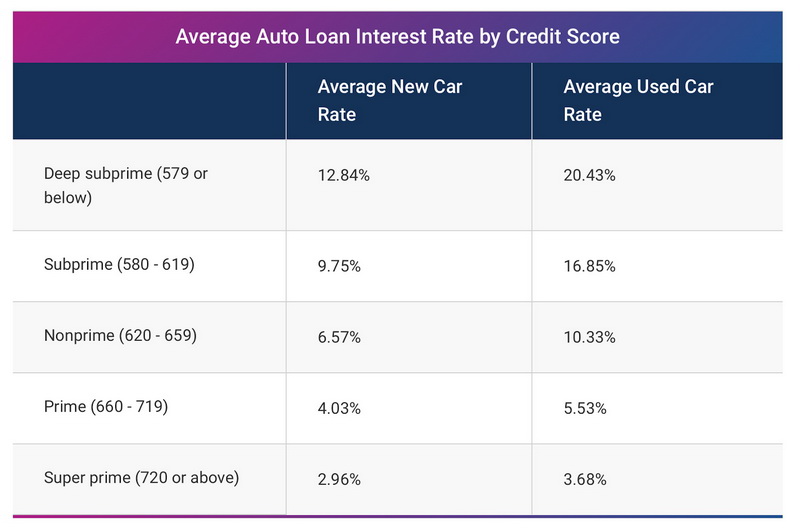
The most significant factor in your interest rate is your credit score. Lenders typically categorize borrowers into tiers:
-
Super Prime (781–850): These borrowers receive the lowest rates, often several percentage points below the national average.
-
Prime (661–780): Borrowers in this range still qualify for competitive rates but may see slightly higher costs than the top tier.
-
Nonprime (601–660): Rates begin to climb significantly here, as lenders view these borrowers as carrying moderate risk.
-
Subprime and Deep Subprime (Below 600): These categories face the most challenging environment, with rates often exceeding 15% to 20%.
New vs. Used Vehicle Financing
There is an inherent “risk premium” associated with used cars. Even though a used car has a lower purchase price, lenders charge higher interest rates because used vehicles are harder to value accurately and represent a higher risk of mechanical failure, which could lead to borrower default. Currently, the gap between new and used car rates is roughly 3% to 5%. If a new car loan is 7%, a used car loan for the same borrower might be 11%.
Loan Term Length
In an effort to keep monthly payments affordable as car prices rose, the industry saw a surge in long-term loans—72, 84, and even 96 months. From a wealth-building perspective, these are dangerous. Not only do longer terms usually carry higher interest rates, but they also significantly increase the total interest paid. Furthermore, because cars are depreciating assets, a long-term loan frequently results in “negative equity,” where the borrower owes more than the car is worth for a substantial portion of the loan term.
Comparing Lending Institutions
Where you choose to secure your financing can be just as important as your credit score. Not all lenders are created equal, and shopping around is the most effective way to lower your rate.
Credit Unions: The Consumer’s Best Ally
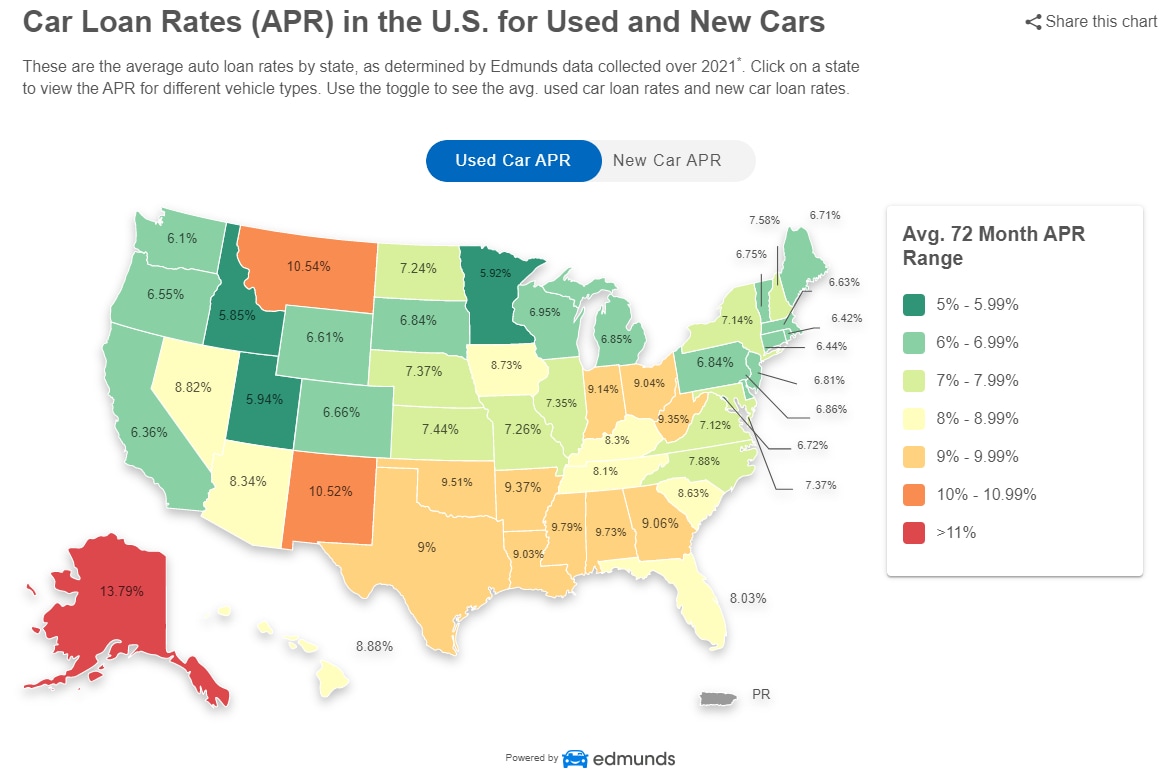
In the current high-rate environment, credit unions have consistently outperformed big banks. Because they are member-owned cooperatives, they often return profits to members in the form of lower interest rates and reduced fees. It is not uncommon to find a credit union offering a rate 1% to 2% lower than a commercial bank. For any serious car buyer, checking with a local credit union should be the first step in the financing process.
Captive Financing and Dealership Incentives
Captive lenders are the financing arms of the auto manufacturers themselves (e.g., Toyota Financial Services, Ford Credit). To move inventory, manufacturers often offer “subvented” rates—promotional financing like 0.9%, 1.9%, or 3.9% APR. These rates are not reflective of the market; they are marketing tools paid for by the manufacturer. While these are the best deals available, they are usually restricted to new cars and borrowers with Tier 1 credit.
Online Lenders and Fintechs
The rise of digital finance has introduced a variety of online-only lenders. These institutions often have lower overhead than traditional banks and use sophisticated algorithms to assess risk. They can be particularly useful for those looking to refinance an existing high-interest loan or for borrowers who need a quick, seamless pre-approval process before heading to the dealership.
Strategic Maneuvers to Secure the Best Financing
Securing a favorable car loan in today’s market requires a proactive rather than reactive approach. Many consumers make the mistake of waiting until they are in the dealership finance office to think about their loan, which puts them at a significant disadvantage.
The Power of Pre-Approval
Walking into a dealership with a pre-approval letter from a third-party lender is the ultimate leverage. It effectively turns you into a “cash buyer” in the eyes of the salesperson. If the dealership wants you to use their financing, they must beat the rate you already have. Without a pre-approval, the dealership is free to “markup” the interest rate—a practice where they find you a loan at 7% but tell you the best they could do was 9%, pocketing the difference as profit.
Optimizing Your Down Payment
With rates where they are, the “out-of-pocket” cost of borrowing is high. A substantial down payment—ideally 20%—serves two purposes. First, it reduces the principal balance, thereby reducing the total interest paid over time. Second, it improves your loan-to-value (LTV) ratio. Lenders are more likely to offer lower rates to borrowers who have significant “skin in the game,” as it reduces the lender’s risk if the vehicle needs to be repossessed and sold.
Improving Your Financial Profile Before Applying
If you aren’t in an immediate rush to buy, taking three to six months to polish your credit can save you thousands. Paying down high-interest credit card debt reduces your debt-to-income (DTI) ratio, a key metric lenders use to determine your ability to repay. Even a 30-point jump in your credit score can move you into a different pricing tier, potentially shaving 2% off your APR.
The Long-Term Financial Implications of Auto Debt
When discussing car loan rates, it is easy to get bogged down in the minutiae of monthly payments. However, the true cost of a car loan is found in the total interest paid and the opportunity cost of that capital.
Total Cost of Ownership
A $40,000 car financed at 8% over 72 months results in over $10,000 in interest payments alone. When you add in insurance, registration, maintenance, and the rapid depreciation of the vehicle, the car becomes a significant drag on net worth. In a high-rate environment, the financial “math” of buying a new car becomes much harder to justify. Personal finance experts often suggest the “20/4/10 rule”: Put 20% down, finance for no more than 4 years, and ensure total transportation costs (loan, insurance, fuel) do not exceed 10% of your gross income.
The Refinancing Option
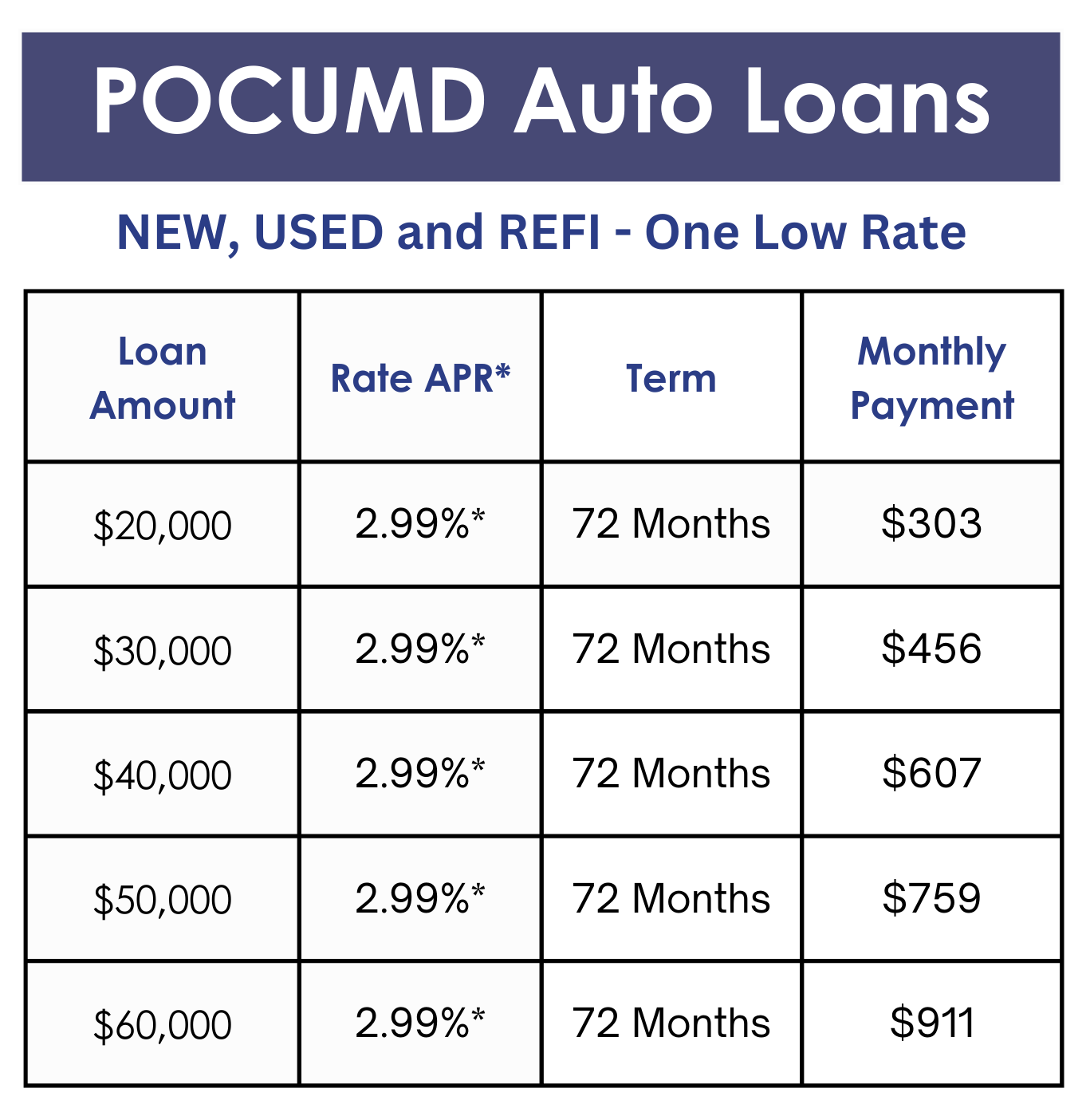
For those who were forced to take a high-interest loan out of necessity during the peak of the market, refinancing remains a viable exit strategy. If your credit score has improved or if market rates begin to decline in the coming year, you can replace your high-interest loan with a new one at a lower rate. This can significantly reduce your monthly overhead and total interest expense.
As the financial landscape continues to evolve, staying informed about current car loan rates is essential. By understanding the interplay between the economy, your personal credit profile, and the various types of lending institutions, you can make a strategic decision that protects your long-term financial health. In this market, the best loan is often the shortest one you can afford, secured at a rate you’ve fought to minimize through research and preparation.
aViewFromTheCave is a participant in the Amazon Services LLC Associates Program, an affiliate advertising program designed to provide a means for sites to earn advertising fees by advertising and linking to Amazon.com. Amazon, the Amazon logo, AmazonSupply, and the AmazonSupply logo are trademarks of Amazon.com, Inc. or its affiliates. As an Amazon Associate we earn affiliate commissions from qualifying purchases.