
The stock market is often viewed through a lens of complexity, characterized by flashing red and green numbers, fast-talking analysts, and intimidating jargon. However, at its core, the stock market is one of the most accessible and powerful tools for building long-term wealth. For a beginner, the question “How do I start?” is less about finding a secret formula for picking winning stocks and more about establishing a disciplined, strategic framework that aligns with personal financial goals.
Investing is the process of putting your money to work today to allow it to grow for the future. By purchasing shares of ownership in publicly traded companies, you participate in their growth and profitability. Over the long term, the stock market has historically provided returns that significantly outpace inflation, making it an essential component of a healthy financial plan.
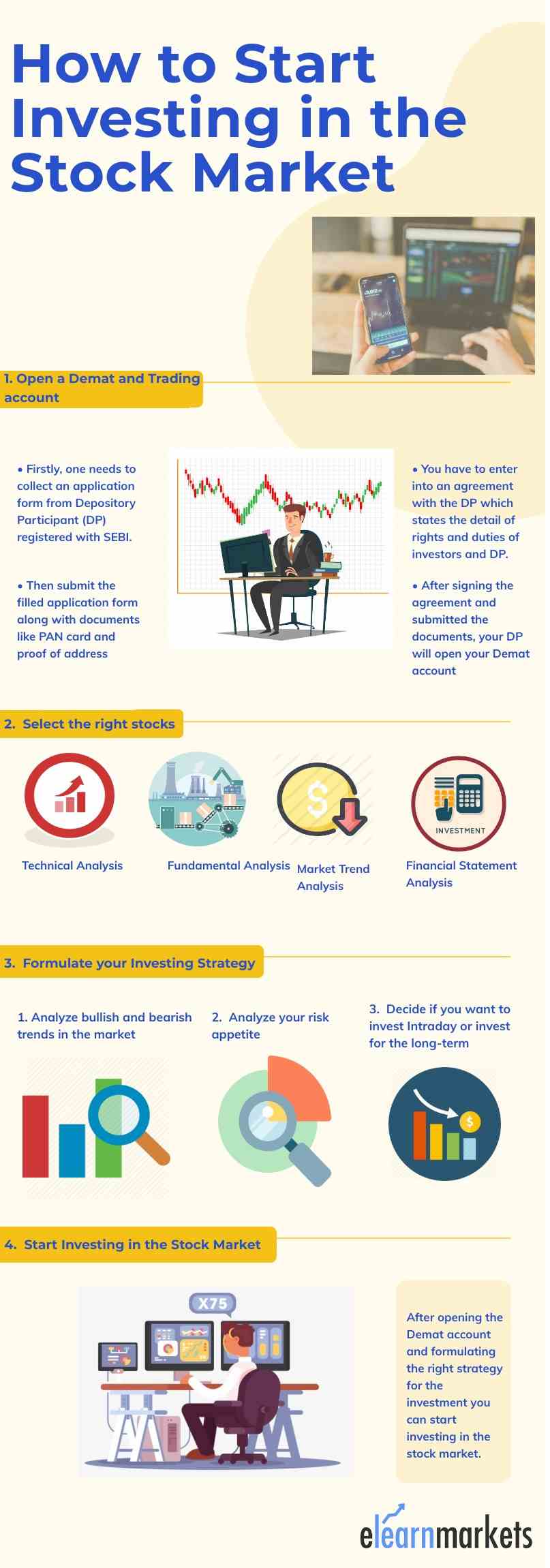
Preparing Your Financial Infrastructure
Before you purchase your first share, you must ensure your financial foundation is stable enough to support the inherent risks of the market. Investing is not a get-rich-quick scheme; it is a marathon that requires patience and a solid starting position.
Assessing Your Financial Health
The first step is to conduct a rigorous audit of your current finances. You should not invest money that you will need for basic living expenses or immediate needs. As a general rule, you should have an emergency fund—typically three to six months of living expenses—stored in a liquid, high-yield savings account. This ensures that if the market takes a temporary downturn, you are not forced to sell your investments at a loss to cover an unexpected car repair or medical bill.
Managing High-Interest Debt
It is mathematically counterproductive to invest in the stock market if you are carrying high-interest debt, such as credit card balances. If your credit card charges 20% interest and the stock market historically returns an average of 7% to 10% annually, you are effectively losing money by investing instead of paying down the debt. Clear your high-interest obligations first to maximize the impact of your future investments.
Defining Your Risk Tolerance
Risk tolerance is your emotional and financial ability to handle market volatility. Some investors are “aggressive,” willing to endure sharp drops in portfolio value for the potential of higher long-term gains. Others are “conservative,” preferring stability even if it means lower returns. Understanding where you sit on this spectrum dictates your asset allocation—the mix of stocks, bonds, and cash in your portfolio.
Navigating the Brokerage Landscape
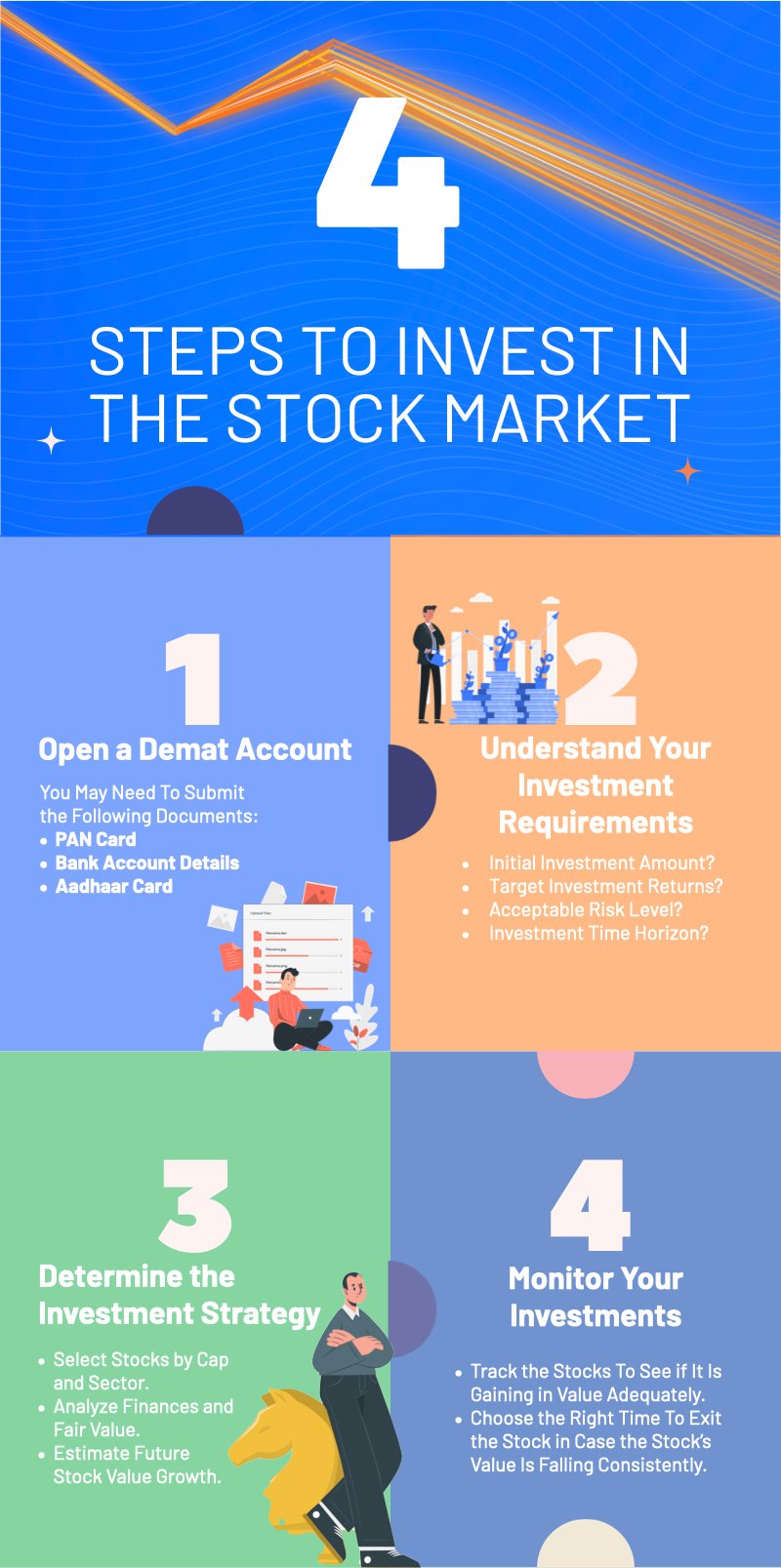
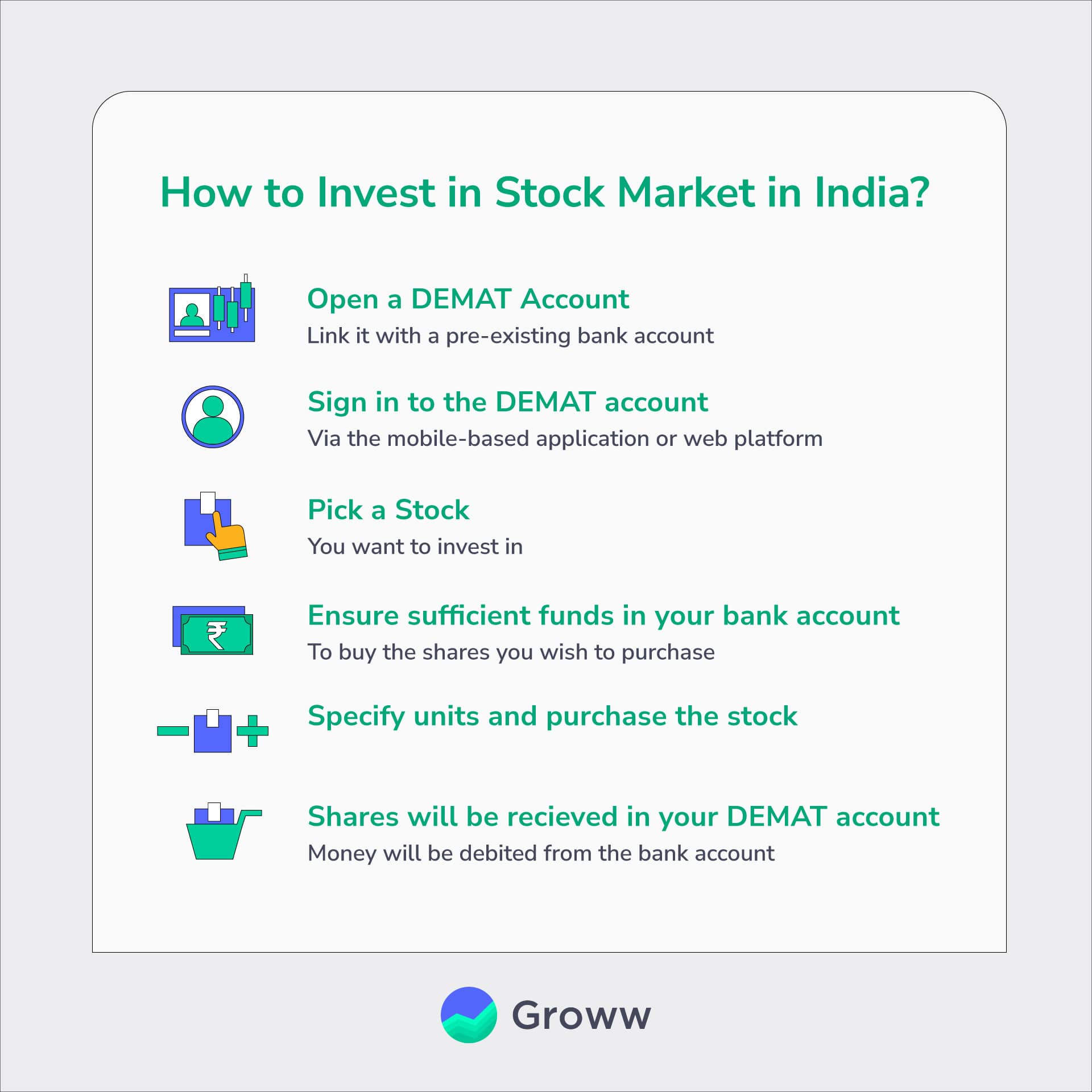
Once your finances are in order, you need a gateway to the market. This is done through a brokerage account. In the modern era, technology has democratized access, meaning you can open an account from your smartphone in minutes.
Choosing the Right Brokerage
When selecting a platform, consider fees, ease of use, and educational resources. Most major online brokerages now offer $0 commissions for stock and ETF trades. Look for features such as fractional shares, which allow you to buy a portion of a high-priced stock (like Amazon or Google) for as little as $1 or $5. This is particularly beneficial for beginners who may not have thousands of dollars to start with.
Understanding Account Types
Deciding where to hold your investments is just as important as deciding what to buy.
-
Individual Brokerage Accounts: These are taxable accounts. You can withdraw your money at any time, but you will owe taxes on any capital gains or dividends earned.
-
Retirement Accounts (IRAs): These offer significant tax advantages. A Traditional IRA may offer a tax deduction on contributions, while a Roth IRA allows for tax-free withdrawals in retirement. Because these are designed for long-term savings, there are usually penalties for withdrawing funds before age 59½.
-
Employer-Sponsored Plans: If your employer offers a 401(k) or 403(b) with a matching contribution, this should generally be your first priority. A company match is essentially a 100% return on your investment before the money even hits the market.
Robo-Advisors vs. Self-Directed Investing
If the idea of choosing individual stocks or funds feels overwhelming, a robo-advisor might be the right entry point. These platforms use algorithms to build and manage a diversified portfolio based on your risk tolerance and goals for a small fee. Conversely, if you prefer a “hands-on” approach, a self-directed brokerage account gives you total control over every transaction.
Building a Diversified Portfolio
The most common mistake beginners make is “putting all their eggs in one basket.” If you invest all your money in a single tech company and that company faces a scandal or a product failure, your entire savings could vanish. The antidote to this risk is diversification.
Individual Stocks vs. Funds
Buying individual stocks requires extensive research and the ability to read financial statements. For most beginners, the most efficient way to achieve diversification is through Exchange-Traded Funds (ETFs) or Mutual Funds. These funds act as a “bucket” of hundreds or even thousands of different stocks. When you buy one share of an S&P 500 ETF, you are instantly buying a small piece of the 500 largest publicly traded companies in the United States.
The Power of Index Funds
Index funds are a type of passive investment that aims to replicate the performance of a specific market benchmark. Because they aren’t managed by expensive fund managers trying to “beat the market,” they have incredibly low fees (expense ratios). Over long periods, the majority of professional fund managers fail to outperform the S&P 500, making low-cost index funds a statistically superior choice for the average investor.
Asset Allocation and Rebalancing
As you build your portfolio, you must decide how to distribute your capital across different sectors (Tech, Healthcare, Energy) and asset classes (Domestic stocks, International stocks, Bonds). A well-balanced portfolio might consist of 70% total stock market index funds, 20% international stock funds, and 10% bond funds. Over time, as some assets grow faster than others, your allocation will shift. Rebalancing is the practice of selling a bit of what has grown and buying more of what has lagged to return to your original, desired risk level.
Strategic Execution and Consistency
Starting is only half the battle; staying invested is where wealth is actually created. The stock market rewards consistency and time, not timing.
Dollar-Cost Averaging (DCA)
One of the most effective strategies for beginners is Dollar-Cost Averaging. This involves investing a fixed amount of money at regular intervals (e.g., $200 every payday), regardless of whether the market is up or down. When prices are high, your $200 buys fewer shares; when prices are low, your $200 buys more shares. This removes the emotional stress of trying to “time the bottom” and lowers your average cost per share over time.
The Magic of Compounding
Compounding is the process where your investment earnings are reinvested to generate their own earnings. In the early years, the growth may seem slow. However, over decades, the effect is exponential. This is why the best time to start investing was ten years ago, and the second-best time is today. Even small amounts, if invested consistently, can grow into significant sums due to the mathematical power of compound interest.
Time Horizon and Volatility
Your strategy should be dictated by when you need the money. If you are 25 and saving for retirement, a market crash is actually an opportunity to buy stocks at a “discount” because you have 40 years for the market to recover. However, if you are saving for a house down payment needed in two years, the stock market may be too volatile, and a safer vehicle like a Certificate of Deposit (CD) or a Money Market account would be more appropriate.
The Psychology of Long-Term Wealth
The greatest obstacle to successful investing isn’t usually a lack of knowledge; it is human emotion. The market is driven by two primary forces: fear and greed.
Managing Emotional Responses
When the market drops, the natural human instinct is to flee—to sell and “save” what is left. Historically, this is the worst possible move. Market downturns are a natural part of the economic cycle. Successful investors train themselves to view volatility as “noise” and remain focused on their long-term objectives. Avoid checking your portfolio daily; for long-term investors, daily fluctuations are irrelevant.
Avoiding the “Hot Tip” Trap
In the age of social media, it is easy to get swept up in the hype of “meme stocks” or the next big “moonshot” investment. These are often speculative gambles rather than calculated investments. Stick to a proven strategy based on broad market exposure and fundamental value rather than chasing speculative bubbles.
Education and Continuous Learning
While you don’t need to be an expert to start, you should strive to become one over time. Read books on value investing, listen to financial podcasts, and stay informed about global economic trends. The more you understand how the economy functions, the more confident you will become in your investment decisions.
Investing in the stock market is a journey of discipline. By establishing a firm financial foundation, choosing the right tools, diversifying your holdings, and maintaining a long-term perspective, you can transform your financial future. The key is to start small, stay consistent, and let the power of the global economy work in your favor.
aViewFromTheCave is a participant in the Amazon Services LLC Associates Program, an affiliate advertising program designed to provide a means for sites to earn advertising fees by advertising and linking to Amazon.com. Amazon, the Amazon logo, AmazonSupply, and the AmazonSupply logo are trademarks of Amazon.com, Inc. or its affiliates. As an Amazon Associate we earn affiliate commissions from qualifying purchases.