
This article delves into the crucial role of vitamins and minerals in supporting women’s health, exploring key nutrients that are particularly beneficial throughout different life stages. It’s important to consult with a healthcare professional for personalized advice, as individual needs can vary significantly.
Understanding the Foundation: Essential Vitamins for All Women
While specific needs can fluctuate, certain vitamins and minerals form the bedrock of good health for women. These essential nutrients play vital roles in everything from energy production to immune function and cellular repair. Understanding these fundamentals is the first step in optimizing your well-being.

Vitamin D: The Sunshine Nutrient for Bone Health and Beyond
Often hailed as the “sunshine vitamin,” Vitamin D is synthesized in the skin upon exposure to sunlight. However, for many, especially those in less sunny climates or who spend significant time indoors, dietary sources and supplementation become crucial.
Bone Density and Calcium Absorption: The Cornerstone
Vitamin D’s most well-known role is its indispensable function in calcium absorption. Without adequate Vitamin D, the body cannot effectively utilize the calcium consumed from food, leading to weakened bones and an increased risk of osteoporosis, a condition that disproportionately affects women, particularly after menopause. This direct link to bone health makes Vitamin D a non-negotiable for women of all ages.
Mood Regulation and Immune Support
Emerging research also highlights Vitamin D’s potential influence on mood regulation and its role in bolstering the immune system. Studies have suggested a correlation between Vitamin D deficiency and conditions like seasonal affective disorder (SAD) and an increased susceptibility to infections. This multifaceted benefit underscores its importance beyond just skeletal health.
B Vitamins: The Energy and Metabolism Powerhouses
The B vitamin complex, comprising eight distinct vitamins (B1, B2, B3, B5, B6, B7, B9, and B12), is a group of essential nutrients that work synergistically to support a vast array of bodily functions, with a particular emphasis on energy production and metabolism.
Energy Production and Red Blood Cell Formation
Each B vitamin plays a unique role in converting the food we eat into usable energy. Thiamin (B1), riboflavin (B2), niacin (B3), pantothenic acid (B5), and pyridoxine (B6) are all integral to the intricate biochemical pathways that unlock energy from carbohydrates, fats, and proteins. Furthermore, Vitamin B12 and folate (B9) are critical for the formation of healthy red blood cells, which are responsible for transporting oxygen throughout the body. Deficiencies in these can lead to fatigue and anemia.
Neurological Function and DNA Synthesis
Beyond energy, B vitamins are crucial for maintaining a healthy nervous system. Vitamin B6, for instance, is involved in the synthesis of neurotransmitters that regulate mood and cognitive function. Folate (B9) and Vitamin B12 are paramount for DNA synthesis and repair, making them essential for cell division and growth, particularly important during periods of rapid development like pregnancy and for maintaining cellular integrity throughout life.
Iron: The Oxygen Carrier Vital for Preventing Anemia
Iron is a mineral that is fundamental to life, serving as a key component of hemoglobin, the protein in red blood cells responsible for transporting oxygen from the lungs to tissues throughout the body.
Addressing Iron Deficiency Anemia in Women
Women are more susceptible to iron deficiency anemia than men, primarily due to menstrual blood loss. This chronic loss of iron can deplete the body’s stores, leading to fatigue, weakness, shortness of breath, and impaired cognitive function. Adequate iron intake is therefore critical for maintaining energy levels and overall vitality.
Sources and Absorption Considerations
Heme iron, found in animal products like red meat and poultry, is more readily absorbed by the body than non-heme iron, found in plant-based sources like spinach, beans, and lentils. Combining iron-rich plant foods with Vitamin C sources, such as citrus fruits or bell peppers, can significantly enhance the absorption of non-heme iron.
Life Stage Specific Nutritional Needs for Women
As women navigate through different phases of life, their nutritional requirements evolve. From the reproductive years to post-menopause, specific vitamins and minerals become even more critical to support changing physiological demands and hormonal shifts.
Pregnancy and Lactation: Fueling Growth and Development
The period of pregnancy and breastfeeding places extraordinary demands on a woman’s body, requiring a significant increase in nutrient intake to support the growth and development of the fetus and infant, as well as to replenish maternal stores.
Folic Acid (Folate): The Crucial Protector Against Neural Tube Defects
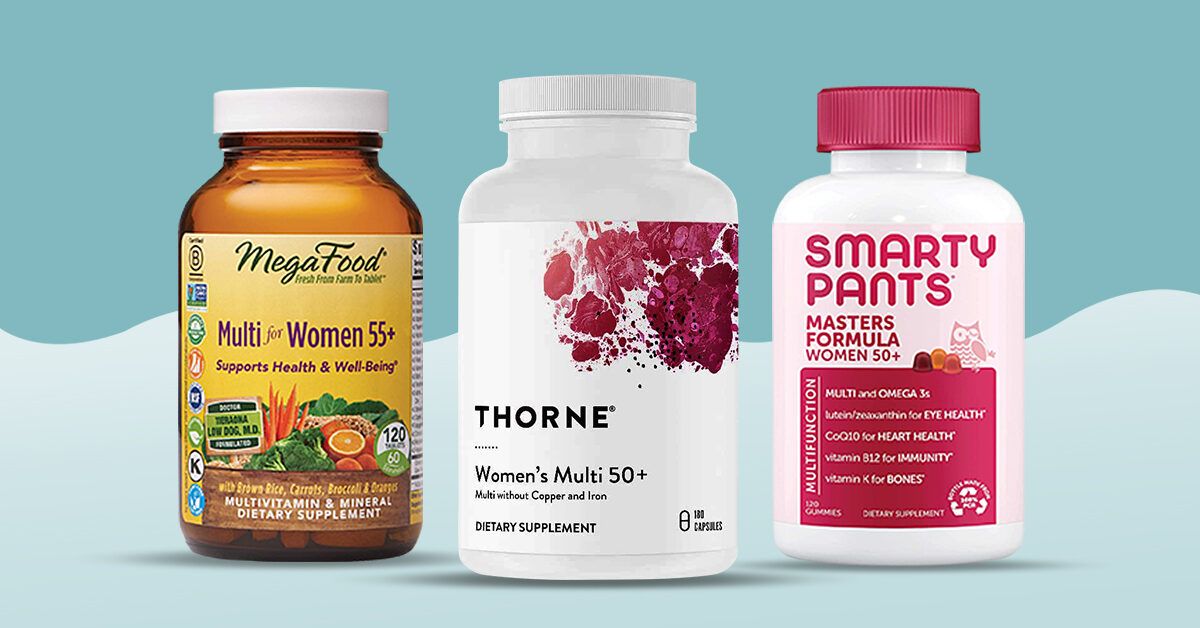
Folic acid, the synthetic form of folate, is perhaps the most vital supplement for women planning to conceive and during pregnancy. Adequate intake of folic acid before and in the early stages of pregnancy dramatically reduces the risk of neural tube defects (NTDs) such as spina bifida and anencephaly, which can cause severe disabilities. It also plays a role in DNA synthesis and red blood cell production.
Iron and Calcium: Supporting Maternal and Fetal Health
The demand for iron soars during pregnancy to support the increased blood volume in the mother and the developing fetus’s oxygen supply. Likewise, calcium is essential for the development of the baby’s bones and teeth, while also helping to maintain the mother’s bone density.
Omega-3 Fatty Acids: Brain and Eye Development
Omega-3 fatty acids, particularly DHA (docosahexaenoic acid), are critical for the optimal development of the baby’s brain and eyes. While they can be obtained from fatty fish, pregnant and breastfeeding women are often advised to choose fish low in mercury or consider algal-based DHA supplements.
Menopause and Beyond: Navigating Hormonal Changes and Bone Health
The menopausal transition and the years that follow bring about significant hormonal shifts, most notably a decline in estrogen levels. This can impact various aspects of women’s health, making certain nutrients particularly important for managing symptoms and preventing long-term health issues.
Calcium and Vitamin D: The Duo for Osteoporosis Prevention
As estrogen levels decrease, bone loss accelerates, significantly increasing the risk of osteoporosis. A consistent intake of calcium and Vitamin D is paramount during this stage to help maintain bone density and reduce fracture risk. Calcium provides the building blocks for bones, while Vitamin D ensures the body can effectively absorb and utilize it.
Vitamin K2: Directing Calcium to the Bones
While Calcium and Vitamin D are the primary players, Vitamin K2 has emerged as a vital cofactor in bone health. Vitamin K2 helps activate proteins that direct calcium to the bones and away from soft tissues like arteries, where it can contribute to calcification. This makes it a crucial partner in the quest for strong bones and cardiovascular health.
Magnesium: Beyond Bone Health
Magnesium plays over 300 roles in the body, and its importance for women, especially during and after menopause, cannot be overstated. It is involved in energy production, muscle and nerve function, blood sugar control, and can also help with sleep quality and mood regulation, which are common concerns during this life stage.
Optimizing Nutrient Intake: Diet vs. Supplements
While a balanced diet should always be the primary source of vitamins and minerals, understanding when and how supplements can play a role is crucial for achieving optimal health.
The Power of Whole Foods: A Nutrient-Rich Foundation
Prioritizing a diet rich in whole, unprocessed foods is the most effective way to obtain a broad spectrum of vitamins and minerals. Fruits, vegetables, whole grains, lean proteins, and healthy fats provide not only essential micronutrients but also a wealth of fiber, antioxidants, and phytonutrients that work synergistically to support health.
Diverse Dietary Patterns for Comprehensive Nutrition
Encouraging a diverse dietary pattern ensures that you are exposed to a wide range of nutrients. For instance, leafy green vegetables are excellent sources of folate, Vitamin K, and magnesium, while citrus fruits are rich in Vitamin C, which aids iron absorption. Fatty fish provide Vitamin D and omega-3 fatty acids, and lean meats and legumes are good sources of iron and B vitamins.
The Role of Supplements: Filling the Gaps and Addressing Deficiencies
Despite best efforts, it can be challenging to meet all nutritional needs through diet alone, especially given modern agricultural practices and individual dietary restrictions or absorption issues. Supplements can serve as a valuable tool to bridge these gaps.
When to Consider Supplementation
Supplementation is particularly recommended for women who:
- Are pregnant or breastfeeding.
- Have restrictive diets (e.g., vegan, vegetarian).
- Have diagnosed nutrient deficiencies.
- Are experiencing significant life stage transitions (e.g., menopause).
- Have certain medical conditions or are taking medications that affect nutrient absorption.
Choosing the Right Supplements: Quality and Consultation
When selecting supplements, prioritize reputable brands that undergo third-party testing for purity and potency. It is paramount to consult with a healthcare professional, such as a doctor or a registered dietitian, before starting any new supplement regimen. They can assess your individual needs, identify potential deficiencies through blood tests, and recommend the most appropriate forms and dosages to ensure safety and efficacy, avoiding potential interactions or overconsumption of certain nutrients.

Conclusion: A Proactive Approach to Women’s Nutritional Well-being
Understanding the best vitamins for women is not about finding a magic bullet, but rather about adopting a proactive and informed approach to nutritional health. By recognizing the foundational importance of key nutrients, appreciating how these needs change throughout life, and making informed decisions about diet and supplementation, women can empower themselves to optimize their health and well-being at every stage. Remember, personalized guidance from healthcare professionals is the cornerstone of any effective nutritional strategy.
aViewFromTheCave is a participant in the Amazon Services LLC Associates Program, an affiliate advertising program designed to provide a means for sites to earn advertising fees by advertising and linking to Amazon.com. Amazon, the Amazon logo, AmazonSupply, and the AmazonSupply logo are trademarks of Amazon.com, Inc. or its affiliates. As an Amazon Associate we earn affiliate commissions from qualifying purchases.