
For many entrepreneurs, the transition from a visionary concept to a functional, scaling enterprise requires a significant infusion of capital. Whether you are looking to purchase inventory, expand into a new market, or bridge a seasonal cash flow gap, understanding how to obtain a small business loan is a fundamental skill in business finance.
Securing a loan is not merely about filling out an application; it is a strategic process that involves meticulous financial preparation, an understanding of the lending landscape, and a clear demonstration of your business’s ability to generate a return on investment. This guide explores the essential steps and financial nuances required to navigate the lending environment and secure the funding your business needs to thrive.
1. Preparing Your Financial Profile for Scrutiny
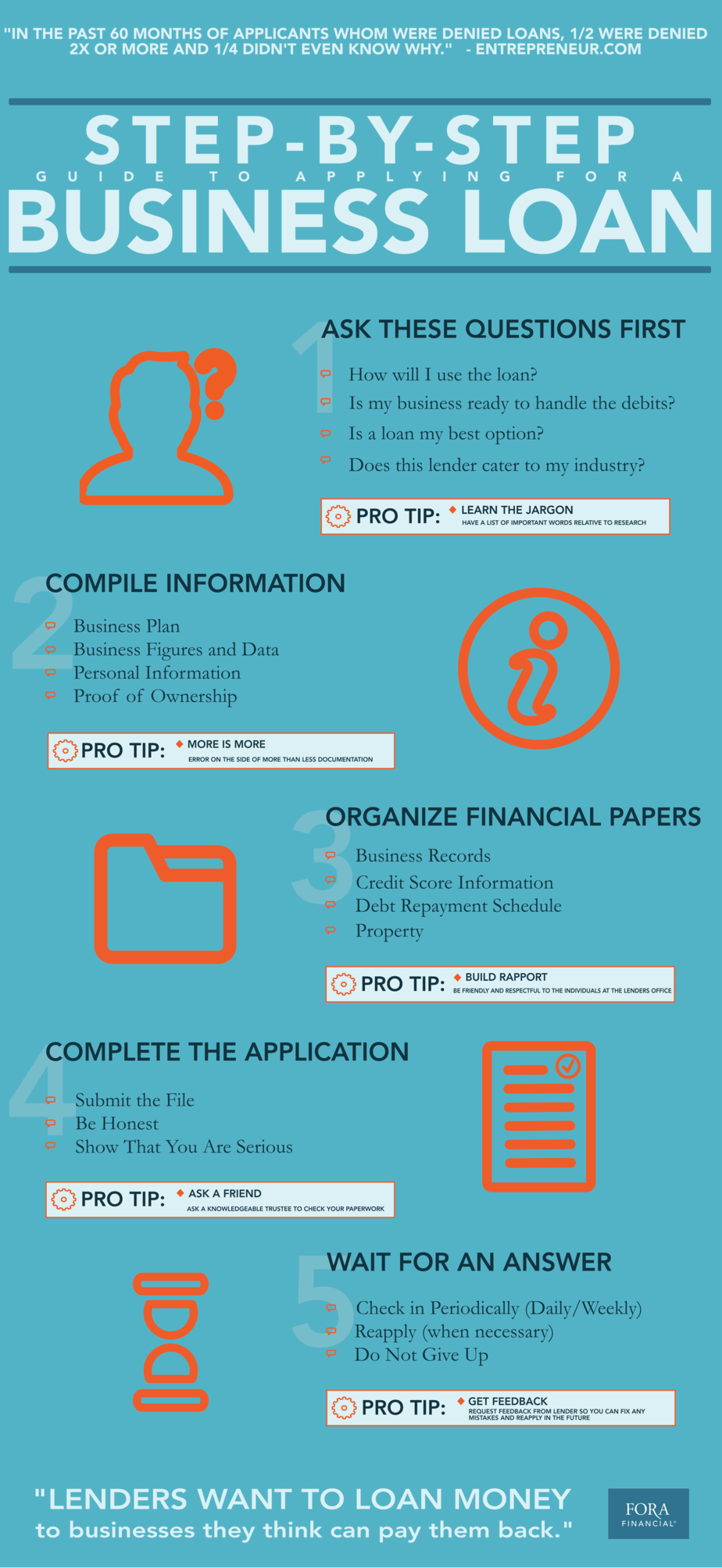
Before approaching a lender, you must view your business through the lens of a credit analyst. Lenders are primarily concerned with risk mitigation. To obtain a loan, you must prove that your business is a safe bet. This preparation phase is the most critical part of the process.
Understanding the Role of Credit Scores
In the world of small business finance, your personal credit history often carries as much weight as your business credit. For startups and younger companies, lenders look at the owner’s personal FICO score to gauge fiscal responsibility. A score above 700 is generally preferred, though some alternative lenders work with lower scores at higher interest rates.
Simultaneously, you should establish and monitor your business credit score through bureaus like Dun & Bradstreet, Experian, and Equifax. Maintaining a strong business credit profile involves paying vendors on time and ensuring that your business’s debt-to-credit ratio remains healthy.
Organizing Essential Financial Statements
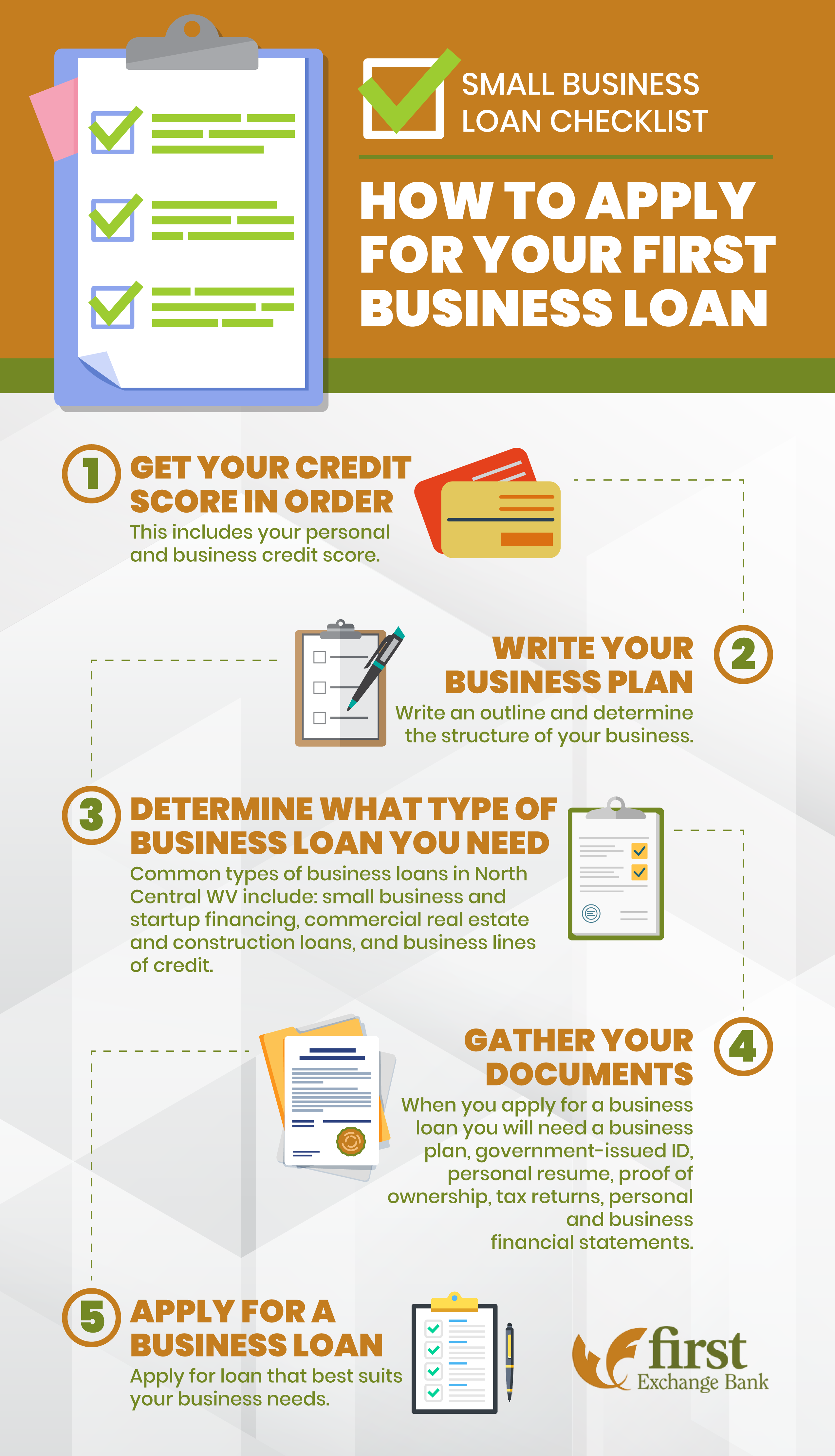
Lenders will require a deep dive into your books. You should have at least two years of tax returns (both personal and business), along with updated financial statements. Key documents include:
- Profit and Loss (P&L) Statements: These show your revenue, expenses, and net income over a specific period.
- Balance Sheets: These provide a snapshot of your assets, liabilities, and equity.
- Cash Flow Statements: Perhaps the most important document for a lender, this proves you have enough liquidity to cover monthly loan payments after all other expenses are met.
Developing a Robust Business Plan
A business loan is an investment in your company’s future. To justify this investment, you need a professional business plan that outlines your goals, market analysis, and—most importantly—how the loan will be used. Lenders want to see a clear “use of proceeds” section. Will the money be used for equipment that increases production? Or for marketing that has a proven track record of bringing in five times its cost in revenue? Concrete data is more persuasive than optimistic projections.
2. Navigating the Diverse Landscape of Loan Types
Not all business loans are created equal. The “best” loan depends on your business’s age, your immediate needs, and your long-term financial strategy. Choosing the wrong type of financing can lead to unnecessarily high interest rates or restrictive repayment terms.
Traditional Bank Loans and Lines of Credit
Traditional commercial banks offer some of the most competitive interest rates and favorable terms. These are ideal for established businesses with strong credit and consistent revenue.
- Term Loans: A lump sum of cash paid back over a set period with a fixed or variable interest rate.
- Business Lines of Credit: These function similarly to a credit card. You are approved for a maximum amount and only pay interest on what you actually borrow. This is excellent for managing seasonal cash flow fluctuations.
SBA Loans: The Gold Standard for Small Businesses
The U.S. Small Business Administration (SBA) does not lend money directly to business owners. Instead, it guarantees a portion of loans made by partner banks, reducing the risk for the lender.
- SBA 7(a) Loans: The most popular program, used for working capital, debt refinancing, or purchasing furniture and fixtures.
- SBA 504 Loans: Specifically designed for the purchase of fixed assets like real estate or heavy machinery.
While SBA loans offer lower down payments and longer repayment terms, the application process is rigorous and can take several months to finalize.

Alternative and Specialized Financing
If your business is too young for a bank loan or if you need capital immediately, alternative financing may be an option.
- Equipment Financing: The equipment itself serves as collateral, making these loans easier to obtain.
- Invoice Factoring: This involves selling your accounts receivable to a third party at a discount to get immediate cash.
- Online Lenders: These fintech companies prioritize speed and data-driven underwriting, often funding loans within 24 to 48 hours, though they typically charge higher interest rates than traditional banks.
3. The Application and Underwriting Process
Once you have identified the right type of loan and gathered your documentation, you enter the formal application phase. This is where the lender’s “underwriting” team evaluates your request against their internal risk models.
Choosing the Right Lender
Success in obtaining a loan often comes down to the relationship between the borrower and the lender. Small community banks and credit unions are often more willing to look at the “story” behind a business, whereas large national banks are more driven by rigid algorithmic formulas. Research lenders who have experience in your specific industry; they will have a better understanding of your business model and market risks.
The Five Cs of Credit
During the underwriting process, most lenders evaluate your application based on the “Five Cs”:
- Character: Your track record, experience, and credit history.
- Capacity: Your business’s ability to generate enough cash flow to repay the debt.
- Capital: The amount of your own money you have invested in the business (skin in the game).
- Collateral: Assets you can pledge to secure the loan in case of default.
- Conditions: External factors like the state of the economy or industry-specific trends.
Navigating the Approval and Closing Phase
If the underwriter is satisfied, you will receive a “term sheet” or a commitment letter. This document outlines the interest rate, repayment schedule, fees (such as origination fees), and any covenants (rules you must follow, such as maintaining a certain level of liquidity). Read this carefully with a financial advisor or attorney. Once signed, the loan moves to closing, where final legal documents are executed and funds are disbursed.
4. Strategies to Increase Approval Odds and Improve Terms
Obtaining a loan is a negotiation. By positioning your business correctly, you can not only increase your chances of approval but also secure a lower interest rate, potentially saving thousands of dollars over the life of the loan.
Offering Collateral and Personal Guarantees
Lenders are much more comfortable when a loan is “secured.” Offering business assets—such as real estate, inventory, or accounts receivable—as collateral can significantly lower your interest rate. In many cases, especially for small businesses, lenders will also require a “personal guarantee,” meaning the business owner is personally liable if the company cannot pay. While this increases your personal risk, it is often a mandatory step for obtaining larger loan amounts.
Improving Your Debt-Service Coverage Ratio (DSCR)
The DSCR is a mathematical formula lenders use to determine if your business generates enough income to pay its debts. It is calculated by dividing your Net Operating Income by your total debt service (principal and interest payments).
- A ratio of 1.0 means you have exactly enough to pay your debt.
- Most lenders look for a DSCR of 1.25 or higher.
To improve this ratio before applying, focus on reducing existing high-interest debt or cutting unnecessary overhead to boost your net income.
Managing Timing and Market Conditions
Timing is a vital component of business finance. You should apply for a loan when your financials are at their strongest, not when you are in a state of financial distress. Lenders are hesitant to provide “emergency” funding to a struggling business. By securing a line of credit when your revenue is peaking, you ensure that capital is available when you actually need it later.
Conclusion: The Path to Financial Growth
Obtaining a small business loan is a transformative milestone for any entrepreneur. It requires a disciplined approach to financial management, a clear-eyed understanding of the different lending products available, and a professional presentation of your business’s potential.
By treating the loan application process as a strategic exercise rather than a bureaucratic hurdle, you position your company for long-term sustainability. Capital is the fuel for business growth, but it is your financial preparation and strategic execution that will determine how far that fuel takes you. Whether you choose a traditional bank, an SBA-guaranteed loan, or a modern fintech solution, the key to success lies in demonstrating that your business is not just a dream, but a viable, creditworthy, and profitable enterprise.
aViewFromTheCave is a participant in the Amazon Services LLC Associates Program, an affiliate advertising program designed to provide a means for sites to earn advertising fees by advertising and linking to Amazon.com. Amazon, the Amazon logo, AmazonSupply, and the AmazonSupply logo are trademarks of Amazon.com, Inc. or its affiliates. As an Amazon Associate we earn affiliate commissions from qualifying purchases.