
Lower back pain is a pervasive issue, affecting a significant portion of the global population at some point in their lives. Whether it’s a dull ache that lingers or a sharp, debilitating pain that strikes unexpectedly, the impact on daily life can be profound. While medical professionals offer various treatment options, from medication to physical therapy, incorporating simple yet effective stretching routines can be a game-changer for many. This article delves into the best stretches for lower back pain, drawing upon principles of mindful movement and understanding how even the most tech-savvy individuals can benefit from reconnecting with their physical well-being.

The prevalence of sedentary lifestyles, often exacerbated by our immersion in the tech world, contributes significantly to the rise in lower back issues. Prolonged sitting, whether at a desk for work, engrossed in the latest gadget, or navigating complex software, puts constant strain on the lumbar spine. This can lead to muscle imbalances, tightness, and ultimately, pain. Fortunately, integrating a targeted stretching regimen can address these imbalances, improve flexibility, strengthen supporting muscles, and alleviate discomfort.
We’ll explore how these movements can be integrated into your routine, much like optimizing your workflow or personal brand, to foster a healthier, more pain-free existence. Think of it as a proactive approach to your physical “brand,” ensuring it remains strong and resilient.
Understanding the Mechanics of Lower Back Pain and Stretching
Before diving into specific stretches, it’s crucial to understand why lower back pain occurs and how stretching can help. The lower back, or lumbar spine, is a complex structure comprised of vertebrae, intervertebral discs, muscles, ligaments, and nerves. Pain typically arises when one or more of these components are stressed, inflamed, or injured.
Common culprits include:
- Muscle Strain and Spasms: Overexertion, sudden movements, or prolonged poor posture can lead to tight, sore muscles in the back and surrounding areas.
- Disc Problems: The intervertebral discs act as shock absorbers between the vertebrae. When these discs bulge, herniate, or degenerate, they can press on nerves, causing pain.
- Poor Posture: Slouching at a computer, hunching over a phone, or maintaining an awkward sleeping position can place excessive stress on the spine over time.
- Muscle Weakness: Weak abdominal and gluteal muscles can fail to adequately support the lower back, leaving it more vulnerable to injury.
- Lack of Flexibility: Tight hamstrings and hip flexors, often a consequence of prolonged sitting, can pull on the pelvis and alter spinal alignment, contributing to lower back pain.
Stretching plays a vital role in addressing these issues by:
- Increasing Flexibility: Gentle stretching lengthens tight muscles, improving range of motion and reducing stiffness.
- Improving Blood Circulation: Movement and stretching can enhance blood flow to the muscles and tissues in the lower back, aiding in healing and reducing inflammation.
- Releasing Muscle Tension: Many stretches involve holding a position, which can help to relax tense muscles and alleviate spasms.
- Correcting Muscle Imbalances: By targeting specific muscle groups, stretching can help to rebalance the muscles supporting the spine.
- Preparing for Activity: A short stretching routine can warm up the muscles before physical activity, reducing the risk of injury.
It’s important to approach stretching with mindfulness. Just as you wouldn’t blindly adopt a new software without understanding its functionality, or invest without a strategy, you should approach stretching with intention and awareness. Listen to your body, avoid pushing into sharp pain, and focus on controlled, gentle movements.
The Role of Technology in Modern Life and Back Health
In our digitally driven world, technology, while offering incredible conveniences and opportunities for income and brand building, often inadvertently contributes to physical ailments like lower back pain. The hours spent hunched over keyboards, navigating touchscreens, or engaging in virtual meetings can lead to a sedentary existence that negatively impacts our musculoskeletal health.
Consider the ergonomic challenges presented by our digital workspaces. While there are advancements in ergonomic keyboards, mice, and adjustable desks, the sheer amount of time spent in static positions often outweighs these benefits. The constant mental engagement required by complex software, AI tools, and staying abreast of tech trends can lead to a disconnection from our physical selves. We become so engrossed in the digital realm that we forget to listen to the signals our bodies are sending.
However, technology can also be a powerful ally in managing and preventing lower back pain. Fitness apps offer guided stretching routines, wearable devices can monitor posture and activity levels, and online tutorials provide a wealth of information on proper form and technique. The key lies in leveraging these tools mindfully, integrating them into a holistic approach to well-being that prioritizes both digital prowess and physical resilience.
When considering the “money” aspect, investing in your health through regular stretching and maintaining good posture can have long-term financial benefits. Reduced pain means fewer doctor’s visits, less time off work, and a higher quality of life, all of which contribute to your overall financial well-being. Think of it as an investment in your most valuable asset: your body.
Effective Stretches for Lower Back Pain Relief
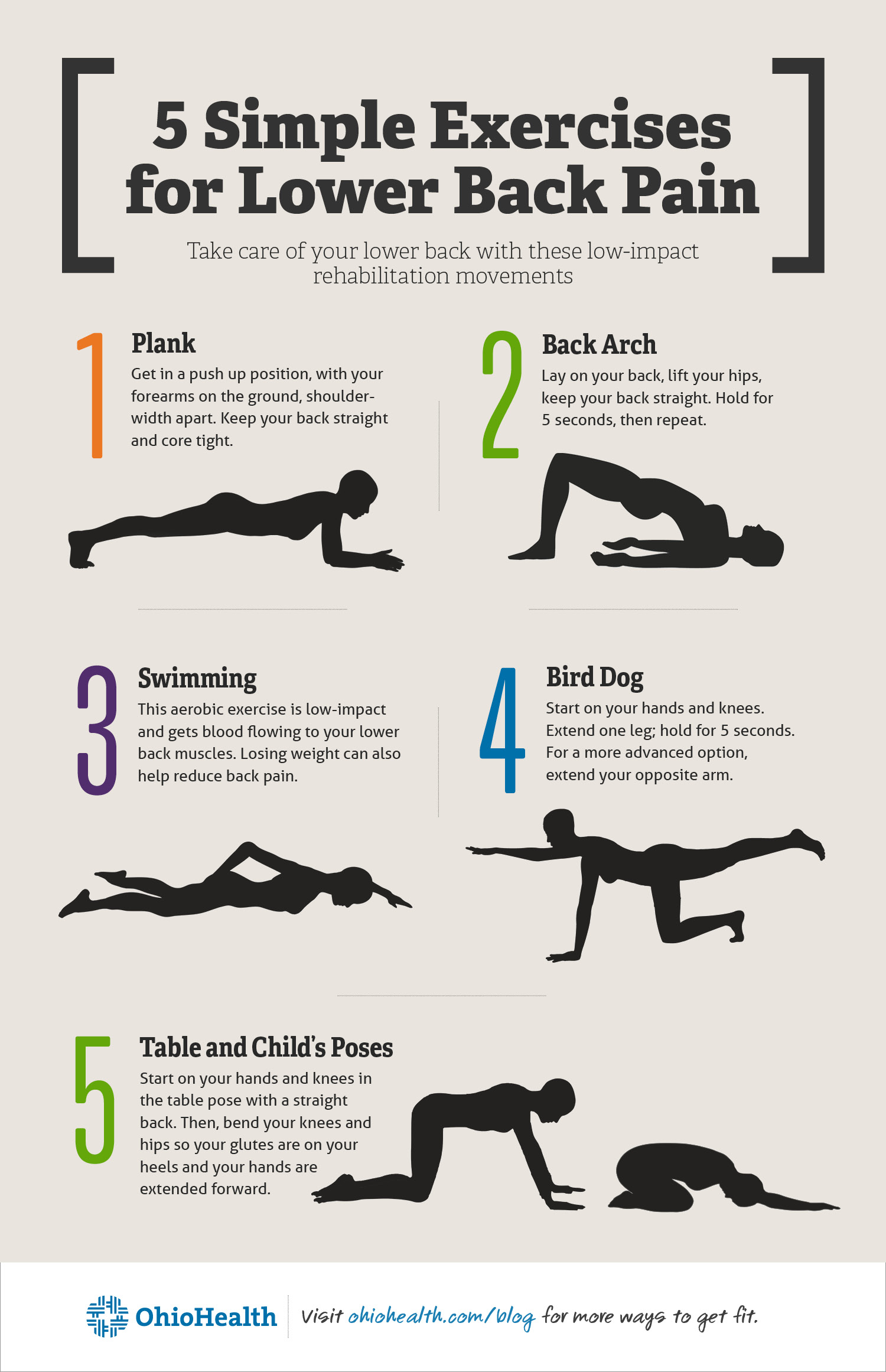
The following stretches are designed to target the muscles commonly implicated in lower back pain, promoting flexibility, reducing tension, and improving spinal mobility. Remember to perform these exercises slowly and with control, breathing deeply throughout.
1. Knee-to-Chest Stretch
This is a fundamental stretch that gently elongates the muscles in the lower back and glutes.
- How to: Lie on your back with your knees bent and feet flat on the floor. Gently bring one knee towards your chest, using your hands to clasp your shin or the back of your thigh. Hold for 20-30 seconds, feeling a gentle stretch in your lower back and hip. Release and repeat with the other leg. For a deeper stretch, you can bring both knees to your chest simultaneously.
- Benefits: Relieves tension in the lower back, stretches the gluteal muscles, and can help decompress the spine.

2. Pelvic Tilt
This exercise focuses on engaging and strengthening the abdominal muscles, which play a crucial role in supporting the lower back.
- How to: Lie on your back with your knees bent and feet flat on the floor. Gently flatten your lower back against the floor by tightening your abdominal muscles and tilting your pelvis upward. You should feel your tailbone lift slightly off the floor. Hold for 5-10 seconds, then release. Repeat 10-15 times.
- Benefits: Strengthens core muscles, improves awareness of pelvic positioning, and can help alleviate pain caused by poor posture.
3. Cat-Cow Pose (Marjaryasana-Bitilasana)
A dynamic stretch that improves spinal flexibility and mobility, warming up the entire spine.
- How to: Start on your hands and knees in a tabletop position, with your wrists directly under your shoulders and your knees under your hips.
- Cow Pose (Inhale): As you inhale, drop your belly towards the floor, lift your chest and tailbone towards the ceiling, and look slightly upward.
- Cat Pose (Exhale): As you exhale, round your spine towards the ceiling, tuck your chin to your chest, and draw your navel towards your spine.
- Continue to move between these two poses for 5-10 breaths, coordinating your breath with the movement.
- Benefits: Increases spinal mobility, stretches the front torso and neck, and massages the abdominal organs.
4. Child’s Pose (Balasana)
A restorative pose that gently stretches the lower back and hips, promoting relaxation.
- How to: Start on your hands and knees. Bring your big toes to touch and widen your knees about hip-width apart. Sit your hips back towards your heels and fold your torso forward, resting your forehead on the floor. Extend your arms forward or let them rest alongside your body. Hold for 30 seconds to a minute, breathing deeply.
- Benefits: Gently stretches the lower back, hips, and thighs, calms the mind, and relieves stress.
5. Piriformis Stretch
The piriformis muscle, located deep in the buttocks, can sometimes compress the sciatic nerve, leading to sciatica-like pain.
- How to: Lie on your back with your knees bent and feet flat on the floor. Cross one ankle over the opposite knee, creating a figure-four shape. If this is enough stretch, hold here. For a deeper stretch, gently draw the bent leg towards your chest, feeling a stretch in the buttock of the crossed leg. Hold for 20-30 seconds and repeat on the other side.
- Benefits: Relieves pressure on the sciatic nerve, stretches the gluteal muscles, and can alleviate pain radiating down the leg.
Integrating Stretching into Your Daily Routine
The effectiveness of these stretches is amplified when they are performed consistently. Think of it like maintaining your digital security or refining your personal brand – consistent effort yields the best results.
Making Time for Movement
In our fast-paced lives, finding time for physical activity can feel challenging. However, even short, frequent bursts of stretching can make a significant difference.
- Morning Routine: Start your day with a few minutes of gentle stretching to wake up your body and prepare it for the day ahead.
- Workday Breaks: Integrate short stretching breaks every hour or so, especially if you have a desk job. Stand up, walk around, and perform a few of these stretches. This can be as simple as a quick pelvic tilt or knee-to-chest stretch at your desk.
- Evening Wind-Down: Before bed, a more extended stretching session can help release tension accumulated throughout the day and promote better sleep.
- Leveraging Technology: Utilize fitness apps that send reminders to move or offer guided stretching sessions. Set alarms on your phone or smart device to prompt you to take movement breaks.
Listening to Your Body: The Foundation of Effective Stretching
The most crucial aspect of any stretching routine is to listen to your body. Pain is a signal, and pushing through sharp or intense discomfort can lead to further injury.
- Gentle Progression: Start with a shorter hold time and fewer repetitions, gradually increasing as your flexibility improves.
- Focus on Sensation, Not Force: Aim for a comfortable stretch, not a painful pull. You should feel a gentle tension, but not a sharp or burning sensation.
- Breathing is Key: Deep, mindful breathing helps to relax the muscles and deepen the stretch. Exhale as you move into the stretch and inhale as you hold.
- When to Seek Professional Help: If your lower back pain is severe, persistent, or accompanied by numbness, tingling, or weakness in your legs, consult a healthcare professional or a physical therapist. They can diagnose the underlying cause of your pain and recommend a personalized treatment plan, which may include specific exercises tailored to your condition.
By adopting a proactive and mindful approach to your physical well-being, you can effectively manage and alleviate lower back pain. Integrating these simple yet powerful stretches into your daily routine is an investment in your health, enabling you to navigate your tech-filled life with greater comfort and vitality. Just as you optimize your financial strategies or refine your digital tools, investing in your body’s health is one of the most rewarding and sustainable pursuits.
aViewFromTheCave is a participant in the Amazon Services LLC Associates Program, an affiliate advertising program designed to provide a means for sites to earn advertising fees by advertising and linking to Amazon.com. Amazon, the Amazon logo, AmazonSupply, and the AmazonSupply logo are trademarks of Amazon.com, Inc. or its affiliates. As an Amazon Associate we earn affiliate commissions from qualifying purchases.