
In an increasingly digitized world, where screens dominate our professional and personal lives, the health of our eyes has become a paramount concern. From the glow of a smartphone at dawn to the late-night luminescence of a laptop, our eyes are under constant strain. This pervasive digital presence has given rise to a unique set of challenges, prompting innovation in ophthalmic technology. Among the most significant advancements designed to combat these modern visual demands are anti-fatigue lenses – a sophisticated optical solution engineered to mitigate the symptoms of digital eye strain and enhance visual comfort for extended periods.
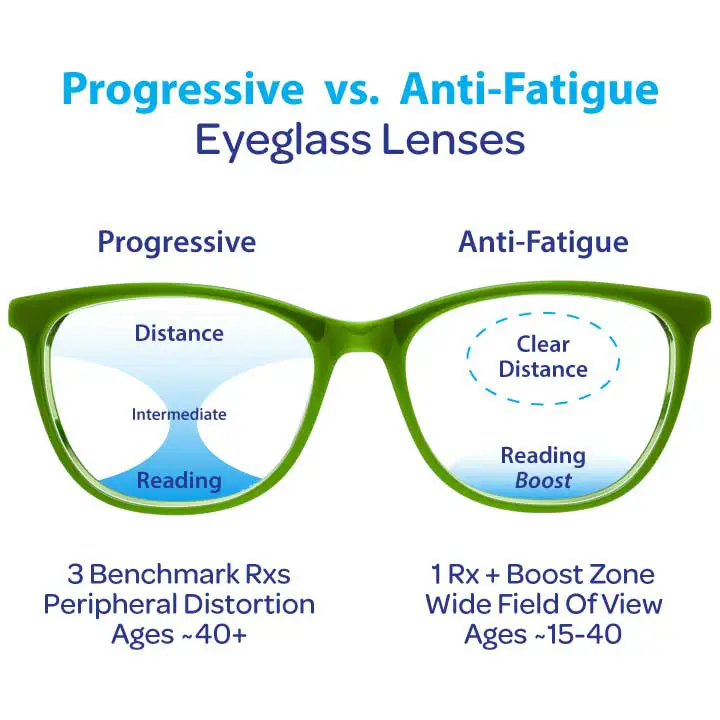
Unlike traditional single-vision lenses, which offer a uniform prescription across the entire lens, anti-fatigue lenses incorporate a subtle, progressive power change designed to relieve the accommodative effort required for close-up tasks. This technological leap addresses a widespread issue affecting millions globally, tying directly into the broader themes of technology, productivity, and personal well-being that define our modern existence. Understanding anti-fatigue lenses means delving into their underlying tech, appreciating their value proposition from a financial perspective, and recognizing the brand strategies employed to bring these innovations to the forefront.
The Digital Strain Epidemic: Why Anti-Fatigue Lenses Matter
The average individual today spends upwards of 7-10 hours daily interacting with digital devices. This constant engagement, while undeniably boosting productivity and connectivity, comes at a cost to our visual system. The human eye is inherently designed for varied viewing distances, not sustained close-up work on illuminated screens. This mismatch between evolutionary design and modern demands has led to a widespread condition known as Digital Eye Strain (DES), or Computer Vision Syndrome (CVS).
Understanding Digital Eye Strain
Digital Eye Strain manifests through a range of uncomfortable symptoms, including dry eyes, blurred vision, headaches, neck and shoulder pain, and general eye fatigue. These symptoms arise from several factors:
- Reduced Blink Rate: When concentrating on a screen, people tend to blink less frequently, leading to dry, irritated eyes.
- Accommodative Spasm: The ciliary muscle inside the eye works harder to maintain focus on close-up digital text and images, leading to muscle fatigue and spasm.
- Blue Light Exposure: Digital screens emit high-energy visible (HEV) blue light, which some studies suggest can contribute to retinal damage over time and disrupt sleep patterns.
- Glare and Poor Contrast: Improper screen settings, glare from lighting, and insufficient contrast can also exacerbate visual discomfort.
These issues directly impact productivity and overall quality of life. For professionals engaged in software development, graphic design, data analysis, or any role demanding prolonged screen time, DES can lead to decreased efficiency, increased errors, and even absenteeism. From a “Tech” perspective, while digital tools are designed to make us more productive, the physical toll they take can ironically undermine that very goal. Anti-fatigue lenses emerge as a crucial technological intervention to reconcile this paradox.
Beyond Simple Magnification: The Need for Specialized Optics
For decades, the standard solution for close-up vision issues was reading glasses or bifocals. While effective for simple magnification, these solutions often fall short in the dynamic, multi-tasking digital environment. Reading glasses provide a fixed power for a specific distance, requiring users to constantly adjust their posture or distance to the screen. Bifocals offer distinct viewing zones, often with a visible line, which can be jarring and may not provide optimal intermediate vision for computer screens.
Anti-fatigue lenses represent a significant evolutionary step. They are designed not just to correct refractive errors but to actively support the eye’s natural focusing mechanisms. By providing a slight, gradual power boost in the lower portion of the lens, they subtly reduce the accommodative effort required for near and intermediate tasks, making it easier for the eyes to transition between screens, keyboards, and even physical documents without constant refocusing strain. This subtle yet powerful optical design philosophy is where the “Tech” truly shines, moving beyond basic vision correction to preventative eye care and performance enhancement.
The Technology Behind Visual Comfort: How Anti-Fatigue Lenses Work
The sophisticated engineering of anti-fatigue lenses is a testament to advancements in optical science, squarely aligning with the “Tech” focus of modern innovation. These lenses are not merely a stronger version of reading glasses; they are precision-crafted instruments designed to harmonize with the eye’s natural mechanics.
Progressive Design for Near and Intermediate Vision
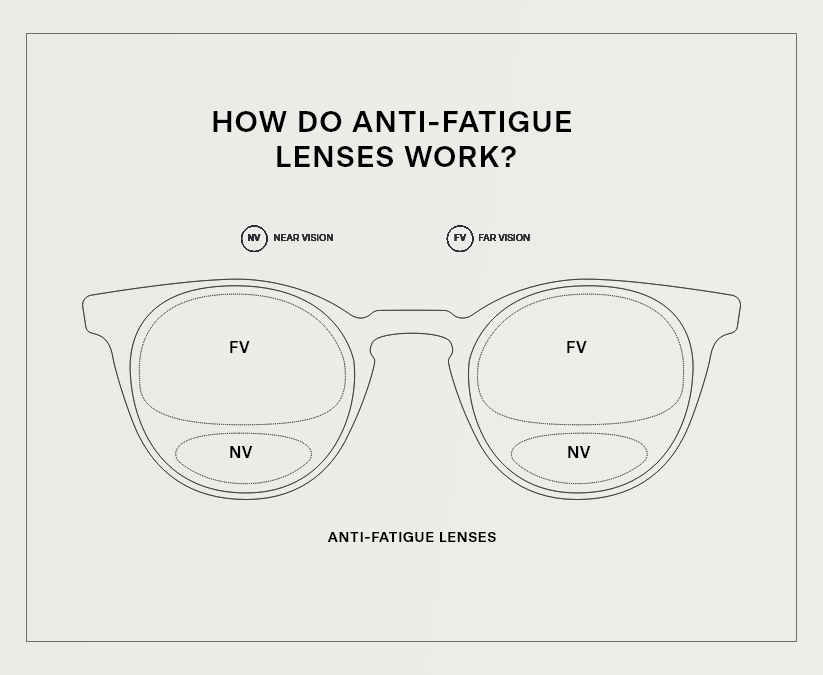
At the core of anti-fatigue lenses is their advanced progressive design. While they may appear as single-vision lenses, they subtly incorporate two different optical zones:
- Distance Vision Zone: The upper part of the lens provides the user’s primary distance prescription, offering clear vision for driving, walking, or looking across a room.
- Near/Intermediate Boost Zone: The lower part of the lens features a slight, gradual increase in magnifying power (typically +0.50 to +0.75 diopters). This subtle “boost” is strategically placed to support near and intermediate vision tasks, such as reading a smartphone, working on a computer, or reading a book.
The transition between these two zones is seamless, without any visible lines, unlike traditional bifocals. This smooth progression reduces the need for the ciliary muscles to work as hard, allowing them to relax and minimize fatigue. Modern lens manufacturing utilizes advanced digital surfacing technology (freeform technology) to create highly individualized lens designs, optimizing visual fields and minimizing distortions, which were common in older progressive designs. This customization ensures that the optical performance is tailored to the wearer’s specific needs, interpupillary distance, and frame choice, enhancing both comfort and visual acuity.
Advanced Coatings and Blue Light Filtration
Beyond their core optical design, anti-fatigue lenses are often enhanced with a suite of sophisticated coatings that further boost their performance and protection, directly touching upon “Technology Trends” and “Digital Security.”
- Anti-Reflective (AR) Coatings: These multi-layered coatings virtually eliminate reflections from the lens surface, improving clarity, reducing glare, and enhancing the aesthetic appeal of the glasses. For digital users, AR coatings are crucial in minimizing reflections from screens and ambient lighting, which contribute significantly to eye strain.
- Scratch-Resistant Coatings: Applied to protect the lens surface from everyday wear and tear, extending the lifespan and maintaining optical clarity.
- Hydrophobic and Oleophobic Coatings: These repel water and oils, making the lenses easier to clean and resistant to smudges, ensuring consistent visual performance.
- Blue Light Filtration: A critical component for digital device users. Many anti-fatigue lenses now integrate technology that filters out a portion of harmful high-energy visible blue light emitted by screens. This can be achieved either through a specific coating applied to the lens surface or by embedding blue light filtering properties directly into the lens material. The aim is to reduce potential retinal damage, minimize glare, and potentially improve sleep quality by reducing blue light exposure, especially in the evening. This aspect of the technology offers a form of “digital security” for our eyes, safeguarding them from the persistent onslaught of screen emissions.
Materials Science and Customization
The selection of lens material also plays a significant role. Modern anti-fatigue lenses are often made from lightweight, high-index materials that offer thinner and more aesthetically pleasing profiles, even for stronger prescriptions. Polycarbonate and Trivex are popular choices due to their impact resistance and built-in UV protection. Furthermore, the customization capabilities driven by CAD/CAM (Computer-Aided Design/Computer-Aided Manufacturing) mean that optical labs can now produce lenses that are precisely tailored to the wearer’s prescription, frame parameters, and even visual habits, offering a level of personalization previously unimaginable. This blend of material science and digital fabrication exemplifies the cutting-edge “Tech” involved.
An Investment in Productivity and Well-being: The “Money” and “Tech” Synergy
While the immediate focus on anti-fatigue lenses often centers on their optical benefits, their value proposition extends significantly into the realms of “Money” and “Productivity.” Viewing these lenses purely as an expense misses their broader impact as an investment in personal health, professional performance, and long-term financial well-being.
Boosting Productivity and Reducing Health Costs
The subtle yet profound relief offered by anti-fatigue lenses translates directly into enhanced productivity. By minimizing eye strain, headaches, and visual discomfort, individuals can maintain focus for longer periods, perform tasks more efficiently, and reduce errors. For those in tech-heavy roles – from software engineers debugging code to digital marketers analyzing data – this can mean the difference between sustained output and mid-afternoon burnout. This increased efficiency isn’t just a personal gain; it contributes to organizational success, making anti-fatigue lenses a valuable consideration for employers keen on optimizing their workforce’s performance and minimizing health-related productivity losses.
Furthermore, investing in preventative eye care can potentially reduce future health-related costs. Chronic eye strain can lead to more serious conditions if left unaddressed, requiring more complex interventions. By mitigating the daily assault on our eyes, these lenses contribute to long-term visual health, potentially delaying the onset of presbyopia or reducing the severity of digital screen-induced issues. This aligns with a proactive approach to “Personal Finance” – viewing health expenditures not merely as costs but as strategic investments that yield returns in well-being and sustained earning potential.
Financial Considerations: Cost vs. Value
The cost of anti-fatigue lenses can be higher than standard single-vision lenses, primarily due to the advanced optical design, premium materials, and specialized coatings. However, it’s crucial to evaluate this cost against the tangible and intangible benefits they provide.
- Long-Term Health: The value of preserving eye health and preventing discomfort is immeasurable.
- Productivity Gains: For professionals, the ability to work more comfortably and efficiently can translate into career advantages, better job performance, and potentially higher income.
- Quality of Life: Reduced headaches, neck pain, and eye irritation improve overall daily comfort and mood.
From a “Personal Finance” perspective, budgeting for anti-fatigue lenses can be seen as an allocation towards essential personal infrastructure, similar to investing in a comfortable office chair or a high-quality monitor. Many health insurance plans or Flexible Spending Accounts (FSAs) / Health Savings Accounts (HSAs) may cover a portion of eyewear costs, making them more accessible. For “Business Finance,” companies might consider offering or subsidizing anti-fatigue lenses as part of employee wellness programs, recognizing the return on investment in a healthier, more productive workforce. This moves the conversation from a simple consumer purchase to a strategic financial decision.
Integrating into Modern Digital Lifestyles
The prevalence of “Online Income” streams and “Side Hustles” means more individuals are spending significant time in front of screens outside of traditional employment. From content creators and online educators to e-commerce entrepreneurs, the lines between work and leisure often blur on digital platforms. For this demographic, anti-fatigue lenses become even more critical, supporting sustained effort across various digital ventures. They are a tool for optimizing personal performance and protecting the very senses that enable participation in the digital economy. As “Financial Tools” evolve to support diverse income streams, so too must personal health tools evolve to support the demands of these new working models.
Navigating the Market: Brands, Choices, and Future Trends
The market for anti-fatigue lenses is dynamic, with leading ophthalmic “Brands” continually innovating and refining their offerings. Understanding the landscape, the key players, and emerging “Technology Trends” is essential for making informed decisions.
Leading Brands and Their Offerings
Major lens manufacturers have all developed their proprietary lines of anti-fatigue lenses, each with unique features and branding.
- Essilor: Known for its Eyezen lenses, which are designed to support visual effort and reduce strain from digital devices, often incorporating blue light filtration technology. Their “Brand Strategy” emphasizes digital wellness and comprehensive eye protection.
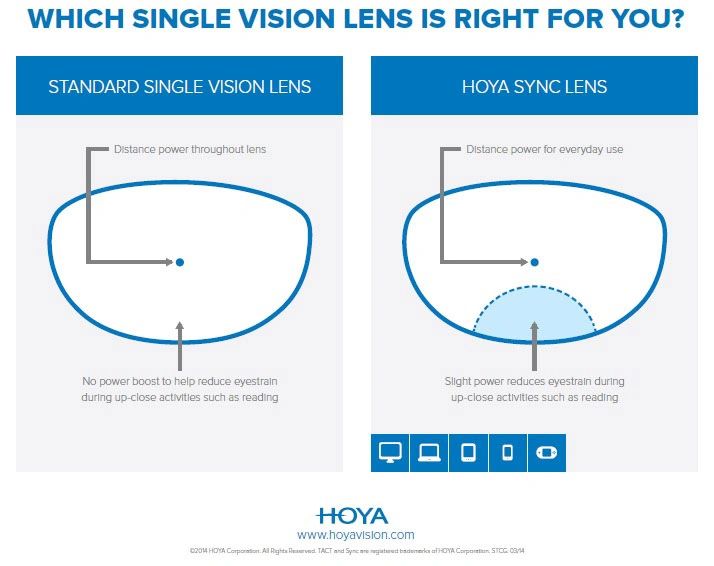
- Hoya: Offers Sync III lenses, featuring a boost zone tailored to modern digital demands. Hoya’s approach often highlights optical precision and advanced coatings for durable, high-performance lenses.
- Zeiss: With their Digital Lenses, Zeiss focuses on precision optics for specific digital viewing distances, aiming to prevent and alleviate symptoms of digital eye strain. Their “Corporate Identity” revolves around German engineering excellence and scientific innovation.
- Shamir: Provides Relax lenses, designed for wearers who experience eye fatigue at the end of the day. Shamir’s “Marketing” often targets the everyday professional seeking enhanced comfort.
- Nikon: Their Relaxsee lenses incorporate similar technology to reduce accommodation effort and enhance visual comfort for digital device users.
Each brand employs distinct “Marketing” strategies, often leveraging case studies and testimonials to build “Reputation” and highlight the tangible benefits of their products. They emphasize themes of comfort, productivity, protection, and long-term eye health, appealing to the growing demographic of digitally-active consumers. Choosing the right brand and specific anti-fatigue lens often involves consulting with an eye care professional who can assess individual needs, visual habits, and lifestyle to recommend the most suitable option.
The Future of Ophthalmic Technology
The evolution of anti-fatigue lenses is far from over. Future “Technology Trends” in ophthalmic optics are likely to include:
- Even Greater Personalization: Leveraging AI and advanced diagnostic tools, lenses may be designed with even more granular customization based on individual eye movements, preferred reading distances, and unique digital usage patterns.
- Smarter Blue Light Management: More dynamic blue light filtration that adapts to ambient light conditions or time of day, offering optimal protection without altering color perception unnecessarily.
- Integration with Smart Eyewear: As augmented reality (AR) and smart glasses become more prevalent, anti-fatigue features may be seamlessly integrated into these next-generation devices, providing visual comfort within an immersive digital experience.
- Sustainable Materials: An increasing focus on environmentally friendly lens materials and manufacturing processes will align with broader “Brand Strategy” trends towards corporate social responsibility.
These advancements promise an even more tailored and effective future for anti-fatigue lenses, solidifying their role as an indispensable tool in navigating our visually demanding world.
In conclusion, anti-fatigue lenses are a sophisticated response to the challenges posed by our digital lifestyles. They represent a significant technological leap in ophthalmic optics, moving beyond simple vision correction to proactive eye care. By understanding the underlying “Tech” that powers their design, appreciating their financial value as an “Investment” in personal well-being and productivity, and recognizing the “Brands” that drive their innovation, individuals can make informed choices to safeguard their vision in an ever-evolving digital landscape. They are not just eyewear; they are a vital component of modern digital hygiene, enabling us to thrive in the age of screens without compromising our visual health.
aViewFromTheCave is a participant in the Amazon Services LLC Associates Program, an affiliate advertising program designed to provide a means for sites to earn advertising fees by advertising and linking to Amazon.com. Amazon, the Amazon logo, AmazonSupply, and the AmazonSupply logo are trademarks of Amazon.com, Inc. or its affiliates. As an Amazon Associate we earn affiliate commissions from qualifying purchases.