
In the bustling marketplace of consumer goods, few products engage our senses as profoundly as candles. Beyond their functional role in illuminating a space or simply covering an odor, candles have evolved into powerful brand vehicles, each vying to capture not just a purchase, but an emotional connection. The question, “what are the best smelling candles?”, transcends a simple quest for a pleasant aroma; it delves into the intricate world of brand strategy, sensory marketing, and the masterful craft of cultivating an olfactory identity that resonates deeply with consumers. This article explores how leading candle brands architect their appeal, transforming subjective scent preferences into objective brand loyalty and perceived superiority.
The Olfactory Signature: Crafting a Brand Through Scent
At the heart of any “best smelling” candle lies a meticulously crafted fragrance profile – the brand’s olfactory signature. This isn’t merely about mixing pleasant notes; it’s about strategic scent development that encapsulates a brand’s essence, target demographic, and aspirational lifestyle. For candle brands, scent is the primary product, and its ability to differentiate, evoke emotion, and build memory is paramount.
Scent as a Differentiator: Standing Out in a Crowded Market
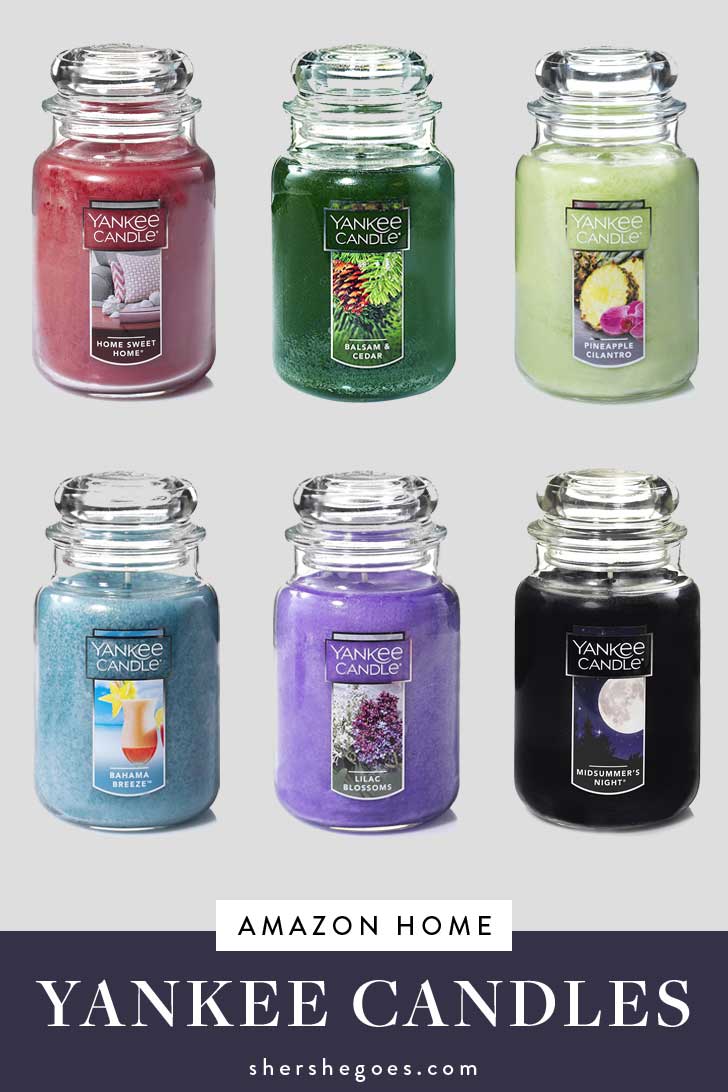
In an increasingly saturated market, a distinctive scent profile is a brand’s most potent weapon. Consider the unique, complex blends offered by luxury brands like Diptyque or Jo Malone. Their fragrances are often multifaceted, blending unexpected notes to create an aroma that is instantly recognizable and often inimitable. This distinctiveness is a deliberate branding choice. Rather than generic floral or woody notes, these brands invest heavily in proprietary blends that become synonymous with their identity. A consumer doesn’t just buy a candle; they buy “Baies” from Diptyque, or “Lime Basil & Mandarin” from Jo Malone, signaling an appreciation for a specific, branded olfactory experience. This differentiation allows them to command premium pricing and cultivate an exclusive image, creating a strong barrier to entry for competitors attempting to replicate their unique aromatic appeal. For mass-market brands like Yankee Candle, differentiation comes through an extensive catalogue of highly literal and evocative scents (“Midsummer’s Night,” “Vanilla Cupcake”), appealing to a broader audience seeking comfort, familiarity, and a scent for every occasion. Each approach, while different, leverages scent as a primary branding tool to carve out a unique market position.
Evoking Emotion and Memory: The Power of Fragrance Marketing
The human sense of smell is inextricably linked to memory and emotion. A particular fragrance can instantly transport us back to a cherished moment, a specific place, or a beloved person. Savvy candle brands harness this neurological connection to forge powerful emotional bonds with their consumers. Marketing copy often reflects this, describing scents not just by their notes, but by the feelings or memories they evoke – “the warmth of a crackling fire,” “the freshness of a spring morning,” or “the comfort of grandmother’s kitchen.” By aligning specific scents with desired emotional states or aspirational lifestyles, brands create a narrative around their products. A candle becomes more than just a source of light; it becomes a tool for self-care, a symbol of relaxation, or an enhancer of atmosphere for special occasions. This emotional resonance is a key factor in transforming a one-time purchase into a habitual indulgence, reinforcing the perception of a candle being “the best smelling” because it makes you feel the best.
The Art of Scent Development: From Concept to Consumer
The journey of a “best smelling” candle begins long before it reaches the consumer. It involves a meticulous process of concept development, perfumer collaboration, and extensive testing. Brands often start with an overarching theme or mood they wish to convey. Perfumers, drawing upon their vast knowledge of fragrance chemistry and artistry, then translate these concepts into tangible scent accords. This involves balancing top, middle, and base notes to ensure a complex, evolving aroma that performs well both cold and burning. Beyond the scent itself, brands must also consider the raw materials – wax type (soy, paraffin, beeswax, coconut), wicks (cotton, wood), and the quality of fragrance oils. Premium brands often highlight the use of natural ingredients, essential oils, and phthalate-free formulas as part of their brand story, appealing to health-conscious consumers and reinforcing a perception of quality and purity that contributes to the “best smelling” claim. The entire development process, from initial sketch to final pour, is a testament to a brand’s commitment to delivering a superior sensory experience, establishing trust and perceived value.
Beyond the Wick: Packaging, Design, and the Visual Brand Experience
While scent is paramount, the visual presentation of a candle is an equally critical component of its brand strategy. Long before a consumer lights a wick and experiences its fragrance, they encounter its packaging and design. These visual cues are instrumental in communicating quality, luxury, ethical values, and ultimately, reinforcing the expectation of a “best smelling” experience.
Aesthetic Appeal: Packaging as a Brand Ambassador
Packaging is the silent salesperson, communicating a brand’s identity and value proposition without a single word being spoken aloud. For high-end candle brands, minimalist design, sophisticated color palettes, and luxurious materials (heavy glass, textured paper, embossed labels) signal exclusivity and premium quality. The unboxing experience itself becomes part of the product, with branded tissue paper, elegant boxes, and thoughtful inserts enhancing the perceived value. In contrast, mass-market brands might opt for more vibrant colors, playful illustrations, or transparent packaging that showcases the candle itself, appealing to a broader demographic seeking accessibility and immediate visual gratification. Regardless of the target market, effective packaging instills confidence in the consumer that they are investing in a product crafted with care, amplifying the anticipation of a superior scent. The visual promise must align with the aromatic delivery to solidify the “best smelling” reputation.
Vessel Design: Enhancing the User Experience and Shelf Appeal
The container in which a candle resides is far more than a functional holder; it’s a design statement and a critical element of the brand’s aesthetic. High-quality vessels, often made from hand-blown glass, ceramic, or meticulously crafted metal, contribute significantly to the candle’s perceived value and its ability to seamlessly integrate into various home décor styles. A distinctive vessel can become an iconic symbol of the brand, instantly recognizable even without a label. Consider the iconic heavy glass vessels of Byredo or the distinctive black-and-white labels of Diptyque. These designs are not accidental; they are part of a deliberate strategy to create objects of desire that consumers are proud to display, long after the wax has burned away. Furthermore, practical design considerations, such as a lid that preserves the fragrance or a vessel shape that ensures an even burn, contribute to a positive user experience, subtly reinforcing the overall perception of a high-quality, “best smelling” product.
Brand Storytelling Through Visuals: Consistency and Cohesion
Every visual element, from the font choice on a label to the imagery used in marketing campaigns, contributes to a brand’s narrative. Cohesion across all touchpoints – website, social media, in-store displays, and product packaging – is essential for building a strong, recognizable brand identity. A brand that consistently uses muted tones and natural imagery for a lavender-scented candle evokes a different feeling than one that uses bold graphics and vibrant colors for a fruity scent. This visual storytelling reinforces the emotional connection to the product and sets expectations for the olfactory experience. When visuals are aligned with the intended scent profile and brand personality, they create a holistic sensory experience, making the “best smelling” claim more credible and compelling. It’s about creating a world around the candle that consumers want to be a part of.
Cultivating Community: Marketing Strategies for Aromatic Success
Even the most exquisite scent and beautiful packaging won’t guarantee success without effective marketing that cultivates a loyal community. Candle brands today employ sophisticated strategies to engage consumers, build anticipation, and transform casual buyers into devoted brand advocates, all contributing to the perception of offering the “best smelling” candles.
Digital Presence and Influencer Collaborations: Amplifying Brand Reach

In the digital age, a strong online presence is non-negotiable. Candle brands leverage Instagram, Pinterest, and TikTok to showcase their products through visually appealing content that highlights aesthetics, lifestyle, and the emotional benefits of their scents. High-quality photography, engaging videos, and interactive stories are used to bring the brand story to life. Influencer marketing plays a pivotal role, with tastemakers and home décor enthusiasts sharing their experiences with specific candle brands. An authentic endorsement from a trusted influencer can significantly amplify a brand’s reach and credibility, particularly when they articulate why a particular scent stands out as “the best.” Brands also foster user-generated content, encouraging customers to share their candle moments, thereby creating a community around shared aesthetic and sensory pleasures.
Experiential Marketing: Engaging the Senses In-Store and Online
Experiential marketing is crucial for products like candles, where sensory input is key. Flagship stores are designed to be immersive experiences, allowing customers to fully engage with scents, often presented in artful displays. Scent-testing stations, curated ambiance, and knowledgeable staff guide consumers through the brand’s fragrance portfolio, enabling them to discover their “best smelling” match in person. Online, brands innovate with “scent quizzes,” detailed scent descriptions that vividly paint an olfactory picture, and even scratch-and-sniff samples in direct mail campaigns. Some brands offer discovery sets or miniature versions, allowing customers to test a range of scents at home before committing to a full-sized candle. These multi-sensory strategies reduce the perceived risk of an online purchase and enhance the overall brand experience, solidifying the brand’s reputation for offering superior fragrance.
Building Brand Trust: Quality, Sustainability, and Transparency
In an era of conscious consumerism, trust is built not just on product quality but also on a brand’s values. Candle brands that prioritize sustainability, ethical sourcing, and transparency in their manufacturing processes gain a significant competitive edge. This includes using eco-friendly waxes, lead-free wicks, recyclable packaging, and ensuring fair labor practices. Communicating these values effectively through brand messaging and certifications strengthens the brand’s image and appeals to a growing segment of consumers who seek products aligned with their personal ethics. A brand that is perceived as responsible and high-quality in its practices is more likely to be trusted to deliver a superior, “best smelling” product. This commitment to integrity becomes an intrinsic part of the brand’s identity, attracting and retaining a loyal customer base who value both the sensory experience and the ethical footprint.
Case Studies in Scented Success: Dissecting Leading Candle Brands
To truly understand what makes the “best smelling candles,” it’s invaluable to examine brands that have mastered the art of olfactory branding. Their success stories offer insights into how specific strategies elevate a product beyond a simple commodity.
Diptyque and Jo Malone: Luxury, Exclusivity, and Aspirational Branding
Diptyque and Jo Malone epitomize luxury candle branding. Their strategies focus on creating an aura of exclusivity and sophistication. Diptyque, with its iconic oval label and unique, complex French fragrances, positions itself as an artisan house with a rich heritage. Their scents like “Baies” or “Figuier” are not just smells; they are olfactory journeys designed to evoke specific emotions and sophisticated environments. Jo Malone, on the other hand, pioneered the art of “fragrance combining,” encouraging customers to layer scents to create a personalized aroma. Their minimalist, apothecary-style packaging and consistent visual identity reinforce a brand narrative of understated elegance and bespoke luxury. Both brands command premium prices, not just for their high-quality ingredients, but for the aspirational lifestyle they sell – one of refined taste, discernment, and self-indulgence. Their ability to make consumers feel sophisticated by association is a cornerstone of their “best smelling” perception.
Yankee Candle and Bath & Body Works: Accessibility, Variety, and Mass Appeal
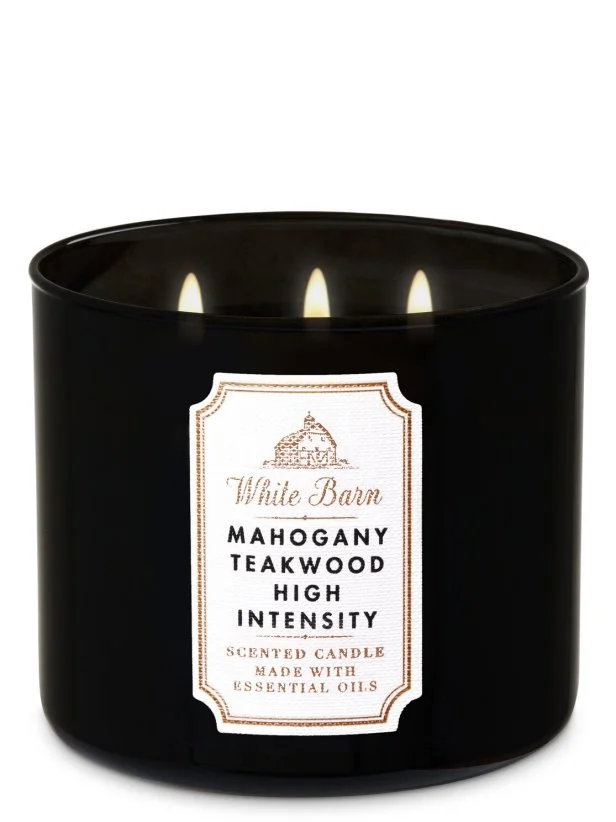
At the other end of the spectrum, Yankee Candle and Bath & Body Works have mastered mass-market appeal. Their branding focuses on accessibility, an extensive range of recognizable, comfort-inducing scents, and frequent promotional offers. Yankee Candle excels in creating highly evocative, nostalgic aromas that tap into universal experiences – “Clean Cotton,” “Apple Pumpkin.” Their branding emphasizes warmth, home, and a scent for every season and mood. Bath & Body Works, known for its rapid trend adoption and vast seasonal collections, positions its candles as affordable luxuries and quick mood-lifters. Their vibrant packaging, consistent sales, and focus on immersive store experiences make their candles highly desirable and widely accessible. While their price point is lower, their branding success lies in creating an emotional connection through relatable scents and a fun, engaging shopping experience, making them “best smelling” for a different, yet equally dedicated, demographic.
Emerging Artisanal Brands: Niche Appeal and Authenticity
The rise of artisanal and independent candle brands highlights another powerful branding trend: authenticity and niche appeal. Brands like Boy Smells or Overose cultivate a distinct, often gender-neutral or edgy aesthetic, appealing to a younger, more design-conscious demographic. They focus on unique, often unexpected scent combinations, sustainable practices, and compelling brand narratives that emphasize craftsmanship and individuality. Their branding often utilizes modern typography, unconventional color palettes, and a direct-to-consumer model that fosters a sense of community. By eschewing traditional luxury tropes in favor of a more personal, curated experience, these brands carve out loyal followings, proving that “best smelling” can also mean unique, ethical, and representative of a specific subculture. Their success underscores the evolving nature of candle branding, where authenticity and a strong point of view can be as powerful as heritage or widespread recognition.
The Evolving Landscape of Candle Branding: Trends and Future Directions
The candle market is dynamic, continually adapting to consumer preferences and societal shifts. Brands that remain relevant and continue to be perceived as offering the “best smelling” candles are those that anticipate and respond to these evolving trends.
Personalization and Customization: Tailoring the Scent Experience
A significant trend is the move towards personalization. Consumers increasingly seek products that reflect their individuality. Candle brands are exploring options for custom scent blending, personalized labels, or subscription boxes that curate scents based on individual preferences. This allows consumers to feel a deeper sense of ownership and connection to their candles, moving beyond generic offerings to truly unique olfactory experiences. The ability to craft a candle that is “best smelling” precisely for them represents the pinnacle of brand engagement.
Sustainability and Ethical Sourcing: Brands with a Conscience
As environmental awareness grows, sustainability and ethical sourcing are no longer niche concerns but fundamental expectations. Brands that transparently communicate their commitment to eco-friendly waxes (like soy or coconut), recyclable or reusable vessels, sustainably sourced ingredients, and fair labor practices will gain significant consumer trust and loyalty. Brands that actively reduce their carbon footprint and promote circular economy principles will stand out, demonstrating that a “best smelling” candle can also be a responsibly produced one.
The Multisensory Brand Experience: Integrating Scent with Other Elements
The future of candle branding lies in creating holistic multisensory experiences. This goes beyond just scent and sight, potentially integrating sound (curated playlists to accompany certain scents), touch (unique vessel textures), and even taste (though less direct for candles, the association with food-inspired scents is strong). Brands might collaborate with musicians, artists, or chefs to create immersive “scentscapes” that engage all senses, further embedding their products into consumers’ lifestyles and making their “best smelling” claim an undeniable reality of a complete sensory journey.
In conclusion, the quest for “what are the best smelling candles” is a testament to the profound impact of branding. It’s a journey through carefully curated scents, meticulously designed aesthetics, strategic marketing, and a deep understanding of consumer psychology. The “best” candle is not just one that smells good; it’s one whose brand narrative, visual identity, and emotional resonance combine to create an unforgettable, highly coveted experience. As the market evolves, the brands that continue to innovate and authentically connect with their audience on multiple sensory and emotional levels will undoubtedly light the way forward.
aViewFromTheCave is a participant in the Amazon Services LLC Associates Program, an affiliate advertising program designed to provide a means for sites to earn advertising fees by advertising and linking to Amazon.com. Amazon, the Amazon logo, AmazonSupply, and the AmazonSupply logo are trademarks of Amazon.com, Inc. or its affiliates. As an Amazon Associate we earn affiliate commissions from qualifying purchases.