
Choosing the “best” roof shingles is not merely a question of aesthetics or material science; it’s a significant financial decision with long-term implications for your property’s value, energy efficiency, insurance premiums, and overall budget. A roof represents a substantial investment, often accounting for a significant portion of a home’s total renovation budget. Therefore, identifying the optimal shingle involves a shrewd analysis of initial outlay, lifecycle costs, potential returns on investment (ROI), and how various options align with your personal financial goals.
Understanding the Financial Impact of Your Shingle Choice
The upfront cost of shingles is just one piece of the financial puzzle. A truly informed decision requires a comprehensive view of how your choice will affect your finances over decades.
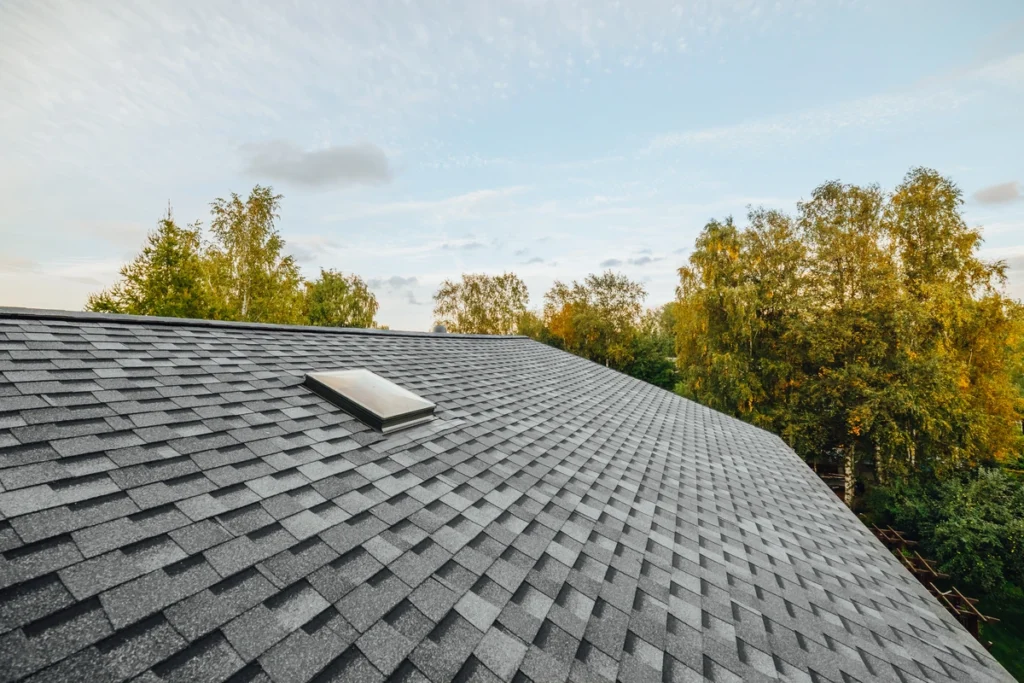
Initial Costs vs. Long-Term Value
The sticker price of a roofing material can be deceptive. While some shingles, like traditional asphalt, boast a lower initial cost per square foot, their shorter lifespan and potential for higher maintenance can lead to a greater total cost of ownership compared to more expensive, but far more durable, alternatives like metal or slate. Investing more upfront in a material with a longer warranty and proven longevity can translate into significant savings by delaying future replacement costs and reducing maintenance expenses. Conversely, opting for the cheapest available option might offer immediate relief to the budget but could incur substantial financial penalties down the line in the form of premature replacements or costly repairs.
Impact on Property Value and Resale
A new roof is one of the home improvements that offers a strong return on investment, often recouping a significant percentage of its cost upon resale. However, the type of shingle chosen can influence this return. High-quality, durable, and aesthetically pleasing roofing materials can significantly boost curb appeal and perceived value, appealing to a broader range of buyers. For instance, a metal roof or architectural asphalt shingles can differentiate a property, commanding a higher sale price than a standard three-tab asphalt roof. Conversely, a roof that appears worn or is made from a less desirable material can be a deterrent, forcing price reductions or becoming a point of negotiation for buyers. Savvy homeowners consider not just the immediate benefit but how their roofing choice positions their property in the competitive real estate market.
Insurance Premiums and Potential Savings
Certain roofing materials can lead to direct savings on homeowner’s insurance premiums. Impact-resistant shingles, for example, often qualify for discounts, especially in areas prone to hail or severe weather, as they reduce the likelihood of costly claims. Similarly, non-combustible materials like metal or tile may result in lower premiums in fire-prone regions. It is prudent to consult with your insurance provider before making a final shingle selection to understand potential premium adjustments. These annual savings, compounded over the lifespan of the roof, can significantly offset a higher initial material cost, effectively improving your overall ROI.
Key Shingle Types: An Investment Perspective
Each major shingle type presents a unique financial profile, balancing initial cost, longevity, maintenance, and potential for energy savings.
Asphalt Shingles: The Budget-Friendly Standard
Asphalt shingles are the most common roofing material due to their affordability and ease of installation. They come in various grades:
- 3-Tab Asphalt: The most economical choice, offering the lowest upfront cost. However, their thinner construction and shorter lifespan (typically 15-20 years) mean more frequent replacement, reducing long-term value. They offer minimal impact on property value beyond basic functionality.
- Architectural (Laminate) Asphalt: A step up in quality and cost, architectural shingles are thicker, more durable, and mimic the look of natural materials. With lifespans often exceeding 30 years and better wind resistance, they provide a superior long-term value and enhance curb appeal more effectively than 3-tab shingles, offering a better ROI for a moderate budget.
- Designer/Luxury Asphalt: These are the premium asphalt options, designed to replicate slate or wood shakes with enhanced durability and aesthetic appeal. While more expensive, their longer warranties (often 40-50 years) and significant visual impact can substantially boost property value, particularly in upscale markets. They strike a balance between the high cost of natural materials and the practicality of asphalt.
Metal Roofing: Durability and Energy Efficiency as Investment
Metal roofs, whether standing seam, corrugated, or shingle-style, represent a significant upfront investment but offer compelling financial advantages:
- Longevity: With lifespans often exceeding 50 years, and some lasting a century, metal roofs drastically reduce the frequency of roof replacements, leading to substantial long-term savings. This extended lifespan directly translates into a lower annual cost of ownership.
- Energy Efficiency: Many metal roofs feature reflective coatings that reduce solar heat gain, potentially lowering cooling costs by 10-25% in warmer climates. This ongoing energy saving contributes positively to monthly budgets and boosts the property’s overall efficiency rating.
- Durability and Low Maintenance: Metal is highly resistant to fire, rot, insects, and extreme weather, translating into lower repair costs and potential insurance discounts. Their inherent strength provides peace of mind and reduces unexpected expenses.
- ROI: While the initial cost is higher, the extended lifespan, energy savings, and minimal maintenance costs often result in a superior long-term ROI, especially when considering the increased resale value and potential for tax credits in some regions.
Wood Shakes and Shingles: Aesthetic Appeal and Niche Market Value
Wood roofing offers a classic, rustic aesthetic that can significantly enhance the curb appeal of certain architectural styles.
- Initial Cost and Maintenance: Wood shakes and shingles are moderately expensive to install and require more maintenance than asphalt or metal to prevent rot, mold, and insect infestation. This can add to the lifecycle cost.
- Lifespan: With proper care, wood roofs can last 20-40 years, though environmental factors play a large role.
- Market Value: Their unique look can be a strong selling point for specific buyers, potentially increasing property value in niche markets. However, in fire-prone areas, their flammability can lead to higher insurance premiums or even make them uninsurable. Financial prudence dictates understanding local regulations and insurance implications before committing to wood.
Tile (Clay & Concrete): Premium Investment with Longevity
Tile roofs are a premium option, known for their distinctive appearance, especially in Mediterranean, Spanish, or Southwestern architectural styles.
- High Initial Cost: Both clay and concrete tiles are heavy and require reinforced roof decking, leading to higher material and installation costs.
- Exceptional Durability: They are incredibly durable, resisting fire, insects, and rot. Clay tiles can last 50-100 years, and concrete tiles often exceed 50 years. This extreme longevity provides excellent long-term value despite the high initial investment.
- Low Maintenance: Once installed, tiles require minimal maintenance beyond occasional cleaning or repair of individual broken tiles.
- Property Value: Their luxurious aesthetic and extreme durability significantly boost property value and curb appeal, appealing to discerning buyers. The long lifespan translates into virtually no replacement costs for generations.
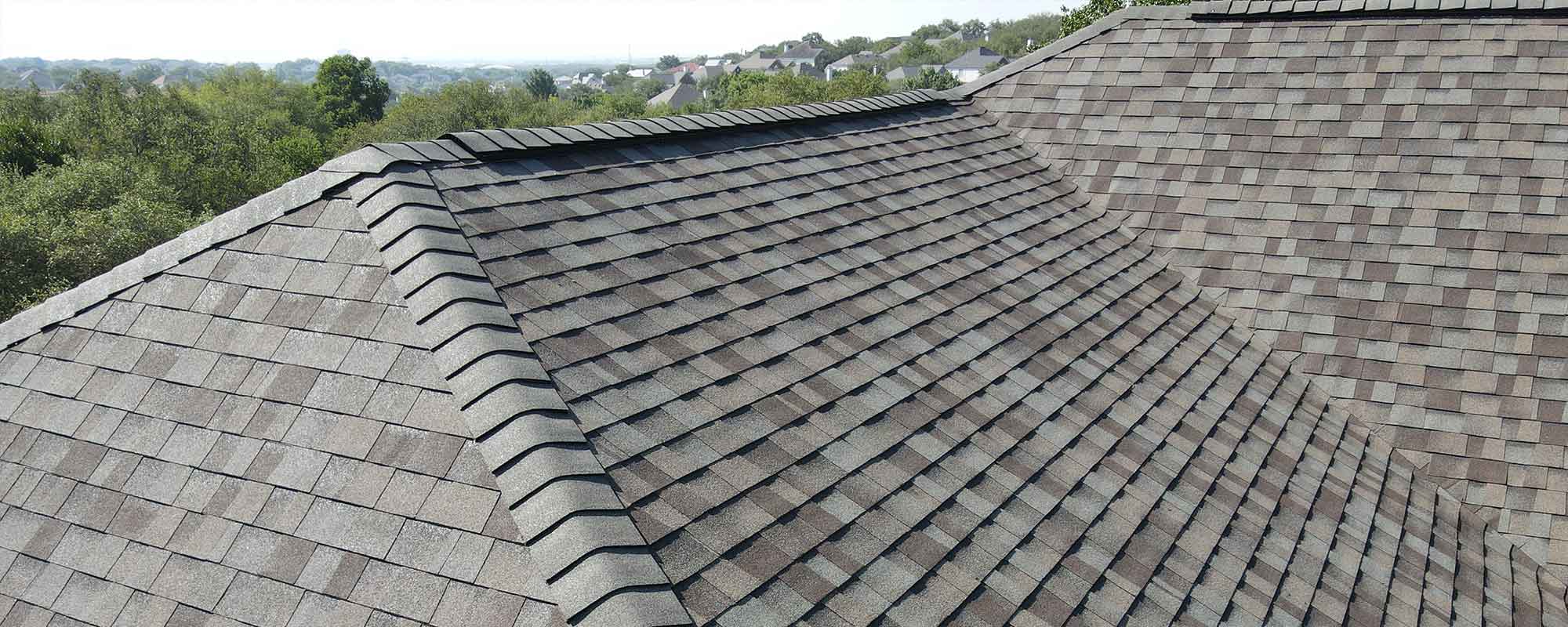
Slate: The Ultimate Long-Term Investment
Slate roofing is synonymous with luxury and unparalleled longevity, representing the highest tier of roofing investment.
- Very High Initial Cost: Slate is one of the most expensive roofing materials, due to the cost of the natural stone, its weight requiring substantial structural reinforcement, and specialized installation techniques.
- Unrivaled Lifespan: A properly installed slate roof can last 100-200 years, making it a “lifetime” roof that will outlast multiple generations of homeowners. This eliminates future replacement costs entirely for most property owners.
- Minimal Maintenance: Slate is virtually maintenance-free, resisting fire, rot, insects, and severe weather with ease.
- Exceptional Property Value: A slate roof dramatically enhances the prestige and value of a property, becoming a key selling point for high-end homes and historical properties. Its ROI is realized over centuries, making it an intergenerational asset.
Synthetic Shingles: Innovation for Performance and Value
Synthetic or composite shingles are engineered products made from recycled plastics and rubber, often designed to mimic the look of natural slate or wood shakes without their drawbacks.
- Moderate to High Cost: Synthetics generally cost more than architectural asphalt but less than natural slate or premium metal.
- Durability and Lifespan: They offer excellent durability, often with warranties of 50 years or more. They are highly resistant to impact, fire, and UV degradation.
- Lightweight and Versatile: Being lighter than natural slate or tile, they may not require additional structural reinforcement, potentially reducing installation costs.
- Environmental and Financial Benefits: Made from recycled materials, they offer an eco-friendly option. Their combination of aesthetic appeal, durability, and competitive pricing makes them an excellent value proposition for homeowners seeking a balance of performance and long-term cost-effectiveness.
Factors Beyond Material: Maximizing Your Roofing Investment
Beyond the choice of shingle material, several other critical factors influence the financial performance and longevity of your roofing investment. Overlooking these can undermine even the most expensive and durable material choice.
Warranty and Manufacturer Reputation
A robust warranty is a financial safeguard. Most shingle warranties cover material defects for a certain period, and some include coverage for installation errors or offer prorated coverage as the roof ages. Understand the terms, coverage limitations, and transferability of the warranty. Choosing shingles from reputable manufacturers with a history of standing behind their products provides greater financial security. A strong manufacturer reputation often correlates with superior product quality and reliable customer service, both of which protect your investment.
Installation Quality: A Critical Financial Safeguard
Even the best shingles will fail prematurely if not installed correctly. Poor installation is a leading cause of premature roof failure, leaks, and voided warranties, leading to costly repairs and re-roofing expenses. Investing in a qualified, experienced, and insured roofing contractor is paramount. Obtain multiple bids, check references, review licenses, and ensure the contractor is certified by the shingle manufacturer. A slightly higher installation cost for an expert crew is a wise financial decision that protects your entire roofing investment. This is where a seemingly “best” shingle can become a financial burden if the labor quality is substandard.
Local Climate Considerations and ROI
The “best” shingle for a house in Arizona will differ significantly from one in Michigan. Roofing materials perform differently under varying climate conditions.
- Heat and UV Exposure: In sunny, hot climates, highly reflective and UV-resistant materials like metal or light-colored asphalt shingles can reduce energy bills and extend roof life.
- Heavy Snow Loads: In areas with heavy snowfall, materials that can withstand weight and prevent ice damming, such as certain metal or slate options, are crucial.
- High Winds and Hail: Impact-resistant shingles (often asphalt or synthetic) and firmly secured metal roofs offer superior protection against severe weather events, potentially qualifying for insurance discounts and preventing costly damage claims.
Aligning your shingle choice with local climate challenges directly impacts the roof’s lifespan, maintenance costs, and energy efficiency, all contributing to your financial ROI.
Maintenance and Lifecycle Costs
While some materials are virtually maintenance-free, others require periodic attention. For instance, wood shakes need cleaning and treatments, and asphalt roofs benefit from regular inspections and minor repairs. Factor in these ongoing costs when evaluating the long-term financial viability of each shingle type. A roof with low ongoing maintenance demands typically offers a better financial return over its lifecycle, freeing up your budget for other investments.
Calculating Your Return on Investment (ROI) for Roofing
Determining the true ROI of a roofing project involves looking beyond the immediate expense and considering all financial inflows and outflows over the roof’s lifespan.
Assessing Lifespan and Replacement Cycles
The most direct financial benefit of a durable roof is avoiding frequent replacement costs. Divide the total cost of installation by the expected lifespan to get an annual cost. A roof that lasts 50 years, even if initially expensive, will often have a lower annual cost than one replaced every 20 years, especially when factoring in the rising costs of labor and materials over decades. Consider the compounding effect of inflation on future replacement costs.
Energy Savings and Tax Credits
Quantify potential energy savings. Reflective roofs, better insulation (often installed with a new roof), and energy-efficient materials can significantly reduce heating and cooling bills. Many governments and local utilities offer tax credits, rebates, or incentives for installing energy-efficient or environmentally friendly roofing materials. Research these opportunities, as they can directly reduce your out-of-pocket expenses and improve your net ROI.
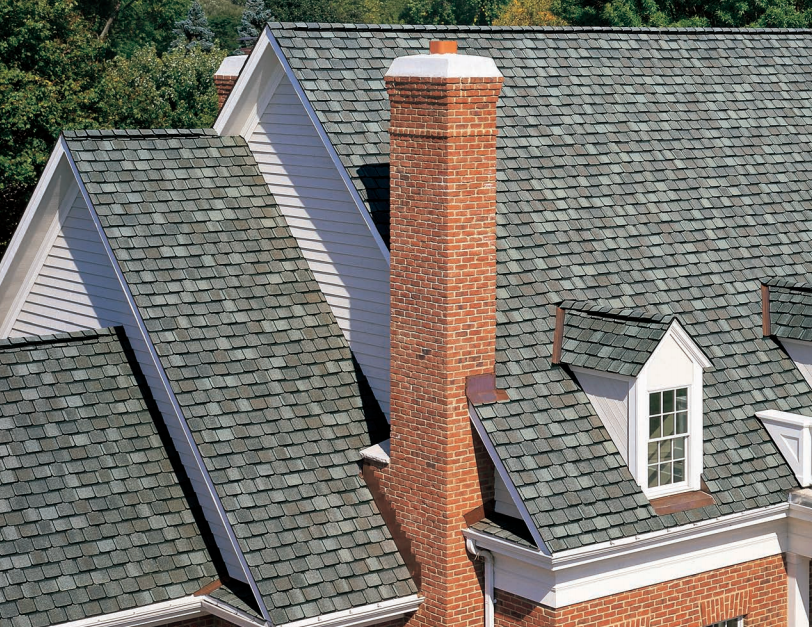
Cost-Benefit Analysis for Your Specific Needs
Ultimately, the “best” roof shingle is the one that provides the optimal balance of initial cost, long-term value, aesthetic appeal, durability, and financial benefits tailored to your specific property and financial situation. For a short-term homeowner, a cost-effective architectural asphalt shingle might offer the best immediate ROI for resale. For a “forever home,” a slate or metal roof, despite higher upfront costs, could represent a superior long-term financial investment, eliminating future replacement expenses and enhancing generational wealth. Conduct a thorough cost-benefit analysis that considers all these factors to make a financially sound decision.
aViewFromTheCave is a participant in the Amazon Services LLC Associates Program, an affiliate advertising program designed to provide a means for sites to earn advertising fees by advertising and linking to Amazon.com. Amazon, the Amazon logo, AmazonSupply, and the AmazonSupply logo are trademarks of Amazon.com, Inc. or its affiliates. As an Amazon Associate we earn affiliate commissions from qualifying purchases.