
Knee pain, a widespread musculoskeletal complaint, often stems from mechanical imbalances that originate far from the knee itself. The foot, as the body’s primary contact point with the ground, plays a crucial role in the kinetic chain extending up to the spine. Improper foot mechanics, such as pronation (inward rolling) or supination (outward rolling), can significantly alter the alignment of the ankle, tibia, femur, and consequently, the knee joint. This misalignment places undue stress on ligaments, cartilage, and tendons, leading to chronic pain and conditions like patellofemoral pain syndrome, IT band syndrome, and even osteoarthritis progression.

Insoles, or orthotics, are not merely comfort accessories; they are sophisticated biomechanical tools designed to restore proper foot function and, by extension, alleviate stress on the knees. Modern insoles leverage advanced material science and design principles to provide targeted support, cushioning, and motion control. Understanding the technological underpinnings of these devices is essential for selecting the most effective solution for knee pain. This article delves into the engineering innovations and design philosophies that define the best insoles for addressing knee pain.
The Biomechanical Foundation of Insole Technology for Knee Health
The human gait cycle is a complex interplay of forces, movements, and anatomical structures. Deviations at the foot level can propagate upwards, creating a cascade of biomechanical inefficiencies. Insole technology aims to intervene in this process, redirecting forces and supporting anatomical structures to optimize lower limb alignment and function.
The Critical Role of Foot Posture in Lower Limb Alignment
The arch of the foot is a marvel of natural engineering, designed to absorb shock and distribute weight efficiently. When this arch collapses (pronation) or becomes excessively rigid (supination), the entire lower limb alignment is compromised. Overpronation, for instance, causes the tibia and femur to internally rotate, increasing stress on the medial (inner) aspect of the knee. Conversely, excessive supination can lead to increased impact forces due to poor shock absorption, stressing the lateral (outer) knee.
Advanced insoles are engineered to correct these postural deviations. They achieve this through precisely molded contours that cradle the foot, providing targeted arch support and heel stabilization. This structural support helps to realign the subtalar joint, which in turn influences the rotational forces transferred to the ankle and knee, promoting a more neutral and stable lower limb axis. The effectiveness of an insole is directly tied to its ability to maintain this corrected posture throughout the gait cycle.
How Insoles Influence Kinetic Chains and Force Distribution
The kinetic chain describes how forces and movements are transmitted throughout the body. In the context of walking or running, ground reaction forces (GRFs) travel from the foot upwards. When the foot is unstable or misaligned, these forces are not distributed evenly, leading to stress concentrations in vulnerable areas like the knee.
Insoles act as intelligent interfaces between the foot and the ground. By altering the contact points and pressure distribution under the foot, they can modify the magnitude and direction of GRFs. For instance, insoles designed with specific cushioning zones can absorb impact energy more effectively, reducing the peak forces transmitted to the knee joint. Rigid or semi-rigid insoles, on the other hand, can control excessive motion, thereby minimizing the torsional stresses that contribute to knee pain. The material composition and geometric design are critical in dictating how an insole manages and redistributes these kinetic energies.
Key Technological Features in Advanced Insole Design
The efficacy of modern insoles for knee pain is rooted in sophisticated engineering that combines advanced materials with precise anatomical design. These features are meticulously developed to address various biomechanical issues.
Material Science: Cushioning, Support, and Durability
The choice of materials is paramount in insole technology, balancing comfort, structural integrity, and longevity.
- Foam Technologies: Many insoles utilize advanced foam compounds such as EVA (ethylene-vinyl acetate), polyurethane, or proprietary blends. These materials vary in density and resilience. High-density foams provide firm support and motion control, while lower-density foams offer superior cushioning and shock absorption. Dual-density designs are common, employing a firmer foam for structural support and a softer foam for cushioning in key pressure zones.
- Gel Inserts: Strategically placed gel pads, often made from thermoplastic elastomers, enhance shock absorption, particularly under the heel and forefoot. These gels deform under pressure, dissipating impact forces more effectively than traditional foams, and then quickly return to their original shape.
- Carbon Fiber and Thermoplastics: For insoles requiring maximum rigidity and control, materials like carbon fiber composites or rigid thermoplastics (e.g., polypropylene) are employed. These materials offer exceptional strength-to-weight ratios, providing robust arch support and motion control without adding significant bulk. They are often used in custom orthotics or high-performance athletic insoles.
- Antimicrobial and Moisture-Wicking Fabrics: The top layers of insoles are frequently engineered with moisture-wicking and antimicrobial fabrics to manage perspiration, reduce friction, and inhibit bacterial growth, contributing to foot hygiene and comfort during extended wear.
Design Innovations: Arch Support Architectures and Heel Stabilization
Beyond material selection, the architectural design of an insole is critical for its functional performance.
- Dynamic Arch Support: Unlike static, passive support, advanced insoles feature dynamic arch support designs. These structures are engineered to flex and adapt with the foot during the gait cycle, providing support when needed and allowing natural movement. The height, shape, and stiffness of the arch support are tailored to address varying degrees of pronation or supination.
- Deep Heel Cups: A well-designed deep heel cup is a cornerstone of effective insole technology. It cradles the fatty pad under the heel, enhancing its natural shock-absorbing capabilities, and helps to stabilize the calcaneus (heel bone). This stabilization prevents excessive heel eversion or inversion, directly influencing the alignment of the ankle and, subsequently, the knee.
- Metatarsal Pads: For certain foot conditions that contribute to knee pain, such as metatarsalgia, insoles may incorporate metatarsal pads. These small raised areas behind the ball of the foot lift and separate the metatarsal bones, reducing pressure and improving forefoot mechanics, which can indirectly alleviate knee strain.
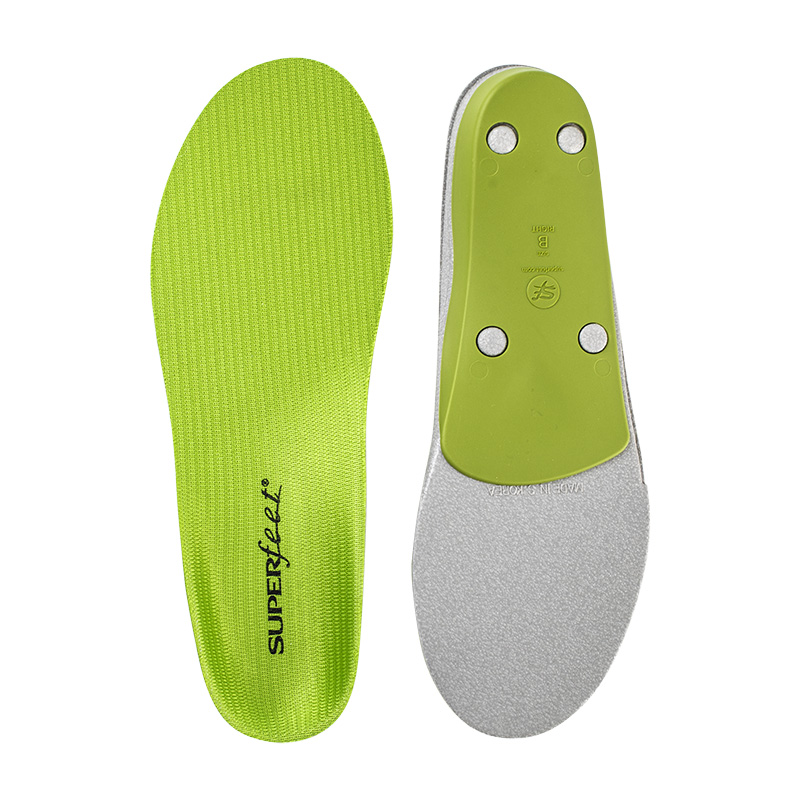
Motion Control and Gait Correction Systems
The most advanced insoles integrate features specifically designed to control undesirable foot motion and correct gait abnormalities.
- Medial Posts: Often found in insoles for overpronation, a medial post is a denser, firmer wedge of material placed under the arch and heel on the inside of the insole. This engineering design resists the inward rolling motion of the foot, helping to maintain neutral alignment and reduce internal rotation of the lower leg bones.
- Lateral Posts: Less common but used for excessive supination, lateral posts are positioned on the outside of the insole to encourage slight pronation and improve shock absorption.
- Flex Grooves and Segmented Designs: Some insoles feature strategically placed flex grooves or segmented designs to allow for natural foot flexion while still providing targeted support. This ensures that the insole works synergistically with the foot’s natural biomechanics rather than rigidly restricting it.
- Proprioceptive Stimulation: Certain insoles incorporate subtle textures or contours designed to stimulate proprioceptors (sensory receptors) in the foot. This can enhance the body’s awareness of foot position and improve neuromuscular control, leading to more stable gait patterns and reduced knee instability.
Top-Tier Insole Technologies for Knee Pain Relief
The market offers a range of insole technologies, from mass-produced over-the-counter (OTC) options to highly customized devices, each with distinct advantages and applications for knee pain.
Custom Orthotics: Precision Engineering for Individual Needs
Custom orthotics represent the pinnacle of insole technology. These devices are fabricated from a precise 3D scan or mold of an individual’s foot, often following a comprehensive gait analysis by a podiatrist or biomechanical specialist. The data collected informs the precise contours, material choices, and corrective postings needed to address specific foot deformities, biomechanical imbalances, and chronic knee conditions.
- Manufacturing Process: Advanced CAD/CAM technology is often employed, allowing for incredibly precise milling of the orthotic from various materials, including rigid thermoplastics, composite laminates, or multi-density foams. This level of customization ensures optimal load distribution, superior motion control, and targeted support that is unparalleled by off-the-shelf options.
- Clinical Efficacy: For complex knee pain etiologies linked to significant foot deformities, custom orthotics offer the highest potential for long-term relief by providing exact support and alignment correction tailored to the individual’s unique gait mechanics and pathological presentation.
Over-the-Counter Solutions: Mass-Produced Biomechanical Aids
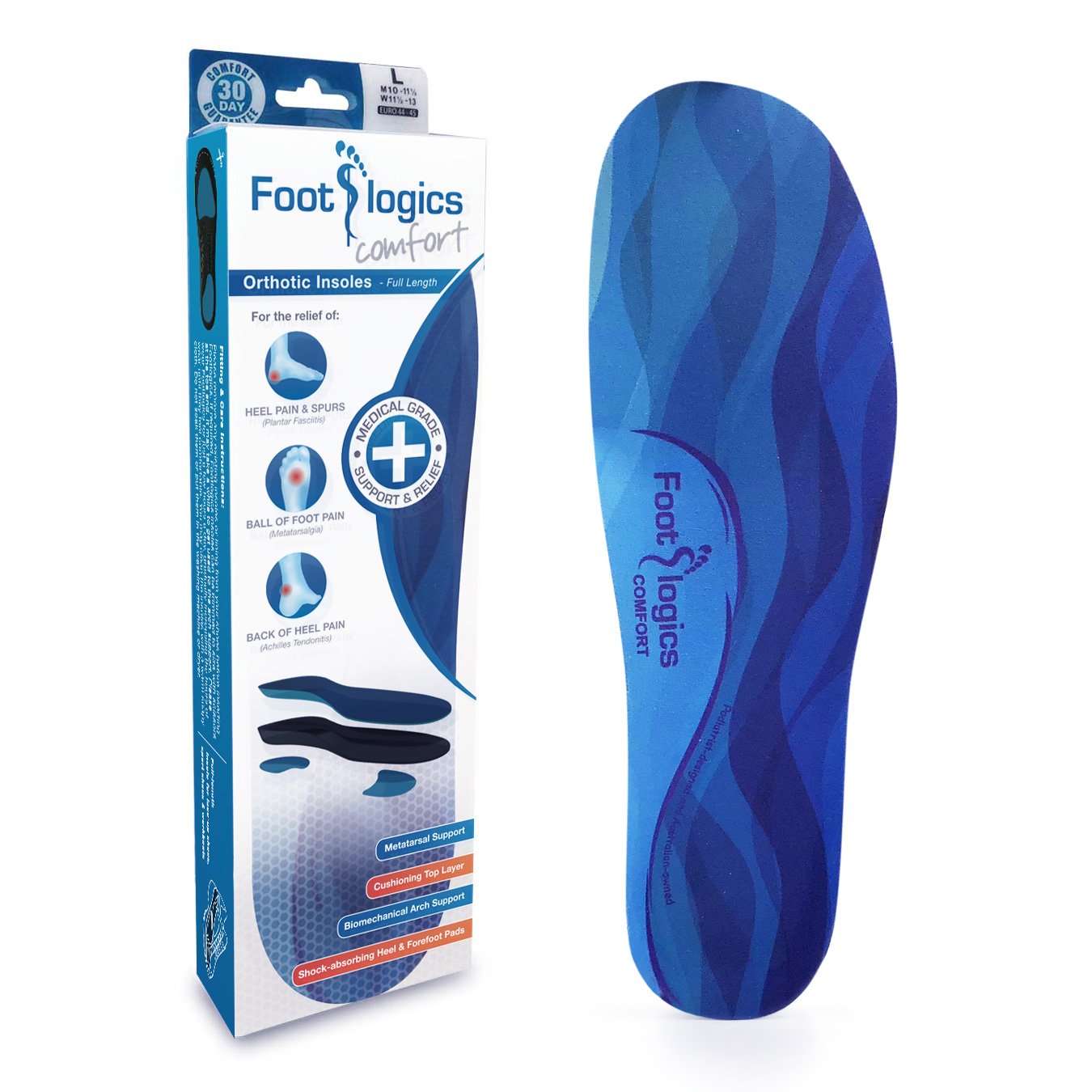
OTC insoles have democratized access to biomechanical support, offering a cost-effective alternative to custom orthotics. While not customized, many leading brands have invested heavily in research and development to create sophisticated designs based on common foot types and biomechanical issues that contribute to knee pain.
- Categorization by Arch Type: Many OTC insoles are designed with specific arch heights (low, medium, high) to cater to the general population. Consumers can select an insole that best matches their foot’s natural arch profile, offering a good starting point for support.
- Advanced Material Blends: Premium OTC insoles often feature multi-layer construction using a combination of supportive foams, gel inserts, and stability shells. These aim to provide a balance of cushioning, shock absorption, and moderate arch support and heel stability.
- Activity-Specific Designs: Manufacturers also produce specialized OTC insoles for particular activities, such as running, walking, or standing. These often incorporate specific cushioning and support technologies optimized for the unique demands of those movements, influencing knee joint loading accordingly. For instance, running insoles might prioritize dynamic shock absorption and propulsion, while standing insoles focus on sustained pressure relief and stability.
Specialized Designs for Different Activities
The biomechanical demands on the knee vary significantly depending on the activity. Leading insole manufacturers engineer products with these variations in mind.
- Athletic Insoles: For high-impact activities like running or court sports, insoles are designed with robust shock-absorbing materials (e.g., advanced gel polymers, responsive EVA foams) and structural components that provide aggressive motion control. These help mitigate the repetitive stress transferred to the knees during landing and propulsion.
- Work/Everyday Insoles: For individuals who spend long hours standing or walking, insoles prioritize sustained comfort, even pressure distribution, and anti-fatigue properties. They often feature generous cushioning and moderate arch support to prevent compensatory movements that can strain the knees over time.
- Dress Shoe Insoles: Thinner, more discreet designs are available for dress shoes, offering support and cushioning without compromising fit. These focus on maintaining basic foot alignment to reduce knee strain in formal settings.
Integrating Insole Technology into a Holistic Approach
Optimizing knee health with insoles is often part of a broader strategy that considers footwear, professional guidance, and other therapeutic interventions.
Compatibility with Footwear Technology
The performance of an insole is intrinsically linked to the footwear it’s placed in. Modern athletic shoes incorporate their own complex cushioning systems, stability features, and sole geometries. An insole should complement, rather than contradict, these existing shoe technologies. For example, placing a highly rigid insole into an already very stable motion-control shoe might create excessive stiffness. Conversely, a supportive insole can dramatically improve the biomechanical performance of a neutral running shoe for an individual prone to overpronation. Understanding how the insole interacts with the shoe’s mid-sole and outsole is crucial for maximizing benefits and preventing new issues.
Considerations for Professional Consultation and Digital Gait Analysis
While OTC insoles offer accessibility, persistent or severe knee pain warrants consultation with a healthcare professional, such as a podiatrist, orthopedic specialist, or physical therapist. These experts can perform detailed biomechanical assessments, including advanced digital gait analysis, which uses pressure plates, motion capture, and specialized software to precisely map foot function and lower limb kinetics. This data provides objective insights into deviations and informs the most appropriate insole technology—whether a specific OTC recommendation or the prescription of custom orthotics. Such a data-driven approach ensures that the chosen insole is a technologically appropriate solution for the individual’s specific biomechanical needs, leading to more effective pain relief and long-term knee health.
aViewFromTheCave is a participant in the Amazon Services LLC Associates Program, an affiliate advertising program designed to provide a means for sites to earn advertising fees by advertising and linking to Amazon.com. Amazon, the Amazon logo, AmazonSupply, and the AmazonSupply logo are trademarks of Amazon.com, Inc. or its affiliates. As an Amazon Associate we earn affiliate commissions from qualifying purchases.