
Selecting an auto insurance provider is one of the most significant recurring financial decisions a consumer can make. While often viewed as a mere legal requirement or a monthly nuisance, auto insurance is, at its core, a vital tool for risk management and wealth preservation. A single accident without adequate coverage can derail years of disciplined saving and investing. Conversely, overpaying for coverage you do not need can bleed your monthly budget, preventing you from allocating those funds toward high-yield investments or debt reduction.
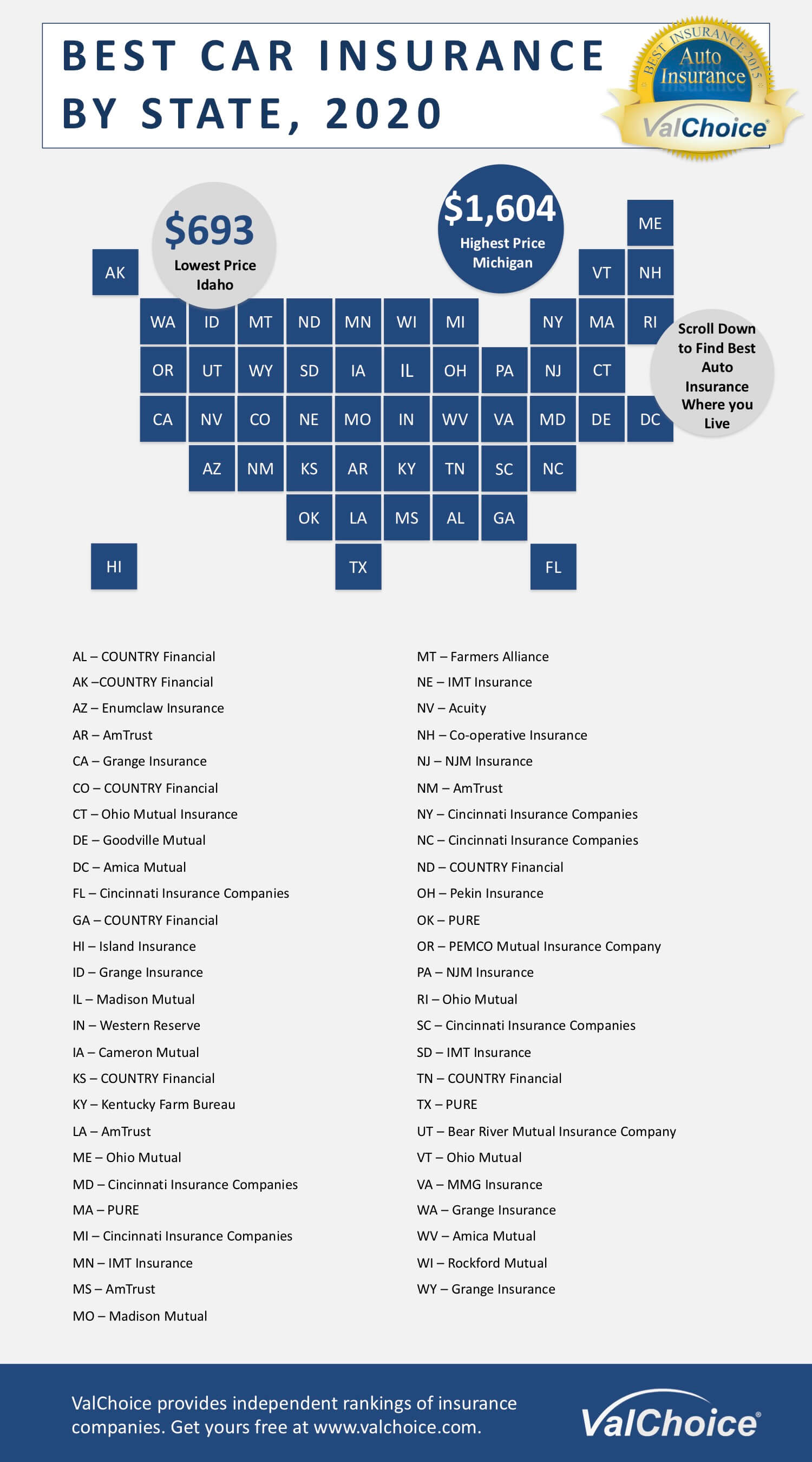
In the modern financial landscape, the “best” company is not necessarily the one with the loudest commercials, but the one that offers the optimal balance of premium costs, claims reliability, and financial stability. This guide explores the top-tier auto insurance companies through the lens of personal finance, helping you secure your assets while optimizing your cash flow.
Understanding the Financial Impact of Your Auto Insurance Choice
Before diving into specific providers, it is essential to understand how auto insurance fits into your broader financial strategy. For most individuals, an automobile is one of their largest depreciating assets. Protecting that asset—and, more importantly, protecting yourself from the liability of damaging others’ assets—is a cornerstone of financial literacy.
Premium Costs vs. Long-Term Value
The most common mistake in personal finance is chasing the lowest possible premium without considering the “total cost of ownership.” A policy that saves you $20 a month but has a reputation for denying legitimate claims could cost you tens of thousands of dollars in the event of a total loss. When evaluating the best companies, we look for providers that offer competitive rates but maintain high “Financial Strength Ratings” from agencies like A.M. Best. This ensures that the company has the liquidity to pay out large claims even during economic downturns.
The Role of Deductibles in Your Budget
Your deductible is a lever that controls your financial risk. Choosing a $1,000 deductible instead of a $500 deductible will lower your monthly premium, freeing up cash for your monthly budget. However, this strategy only works if you have a well-funded emergency fund. From a financial planning perspective, the “best” company is one that allows you the flexibility to adjust these variables as your net worth grows.
Top-Rated Auto Insurance Companies for Value and Reliability
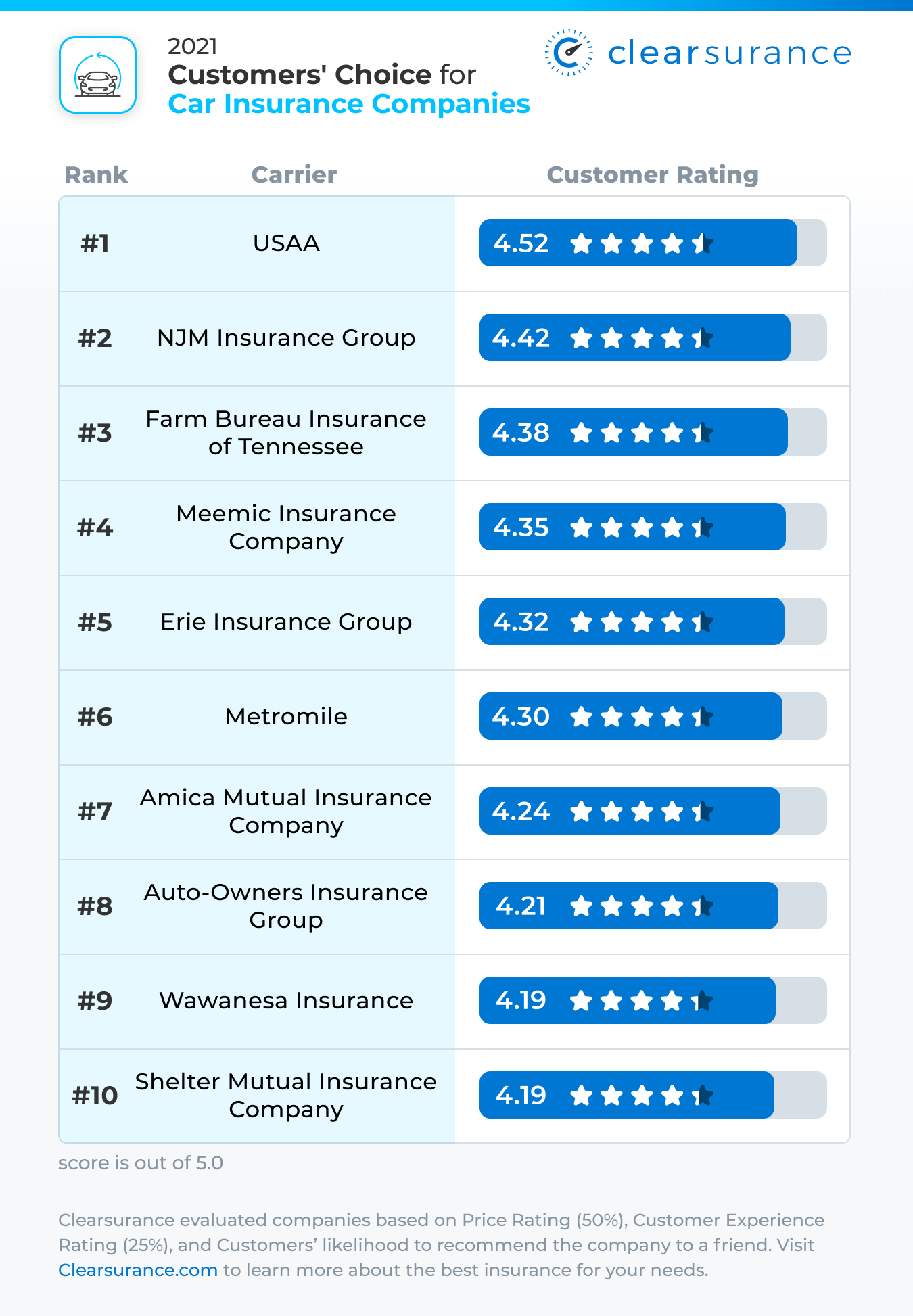
The following companies have consistently ranked at the top of the industry based on financial stability, customer satisfaction, and price-to-value ratios.
Best for Customer Service and Stability: State Farm
As the largest auto insurer in the United States, State Farm offers a level of financial ubiquity that is hard to match. For the conservative investor who values “high-touch” service, State Farm’s model of local dedicated agents provides a layer of personalized financial consulting that digital-only platforms lack. They are particularly well-regarded for their claims processing speed, which is a critical factor in maintaining your personal liquidity after an accident.
Best for Military Families and Financial Health: USAA
If you or an immediate family member have served in the military, USAA is almost consistently the gold standard in the insurance industry. From a money management perspective, USAA often offers the lowest premiums in the industry while maintaining the highest customer satisfaction scores. Beyond insurance, USAA offers integrated banking and investment services, allowing members to manage their entire financial life under one roof, which often leads to significant “loyalty” discounts and streamlined financial tracking.
Best for Competitive Pricing and Technology: Progressive
Progressive has pioneered the use of data and transparency in the insurance market. Their “Name Your Price” tool and robust comparison interface are designed for the budget-conscious consumer who wants to see exactly where their money is going. Furthermore, Progressive’s aggressive use of telematics—tracking driving habits to lower rates—makes them a top choice for low-risk drivers looking to minimize their fixed expenses through data-backed proof of safety.
Best for Low-Mileage Drivers: Metromile (by Lemonade)
For the modern urban professional or the remote worker, traditional insurance models often result in “over-insuring.” Metromile offers a pay-per-mile model that can drastically reduce monthly overhead. If your car sits in the garage five days a week, paying a flat monthly rate is a poor financial move. Metromile allows you to convert a fixed cost into a variable cost, which is a hallmark of efficient business and personal finance management.
Factors That Influence Your Insurance Premiums
To find the best company for your specific situation, you must understand the “underwriting” process. Insurance companies are essentially professional gamblers; they use complex algorithms to bet on how likely you are to cost them money.
Credit Score and Financial History
In most states, your credit-based insurance score is one of the most significant factors in determining your premium. From a personal finance standpoint, this creates a feedback loop: maintaining a high credit score by managing your debts and payments not only lowers your interest rates on loans but also lowers your insurance costs. The best insurance companies reward financial responsibility with lower risk profiles and, subsequently, lower rates.
Driving Record and Risk Assessment
Your history as a driver acts as your “resume” for the insurance company. A history of speeding tickets or at-fault accidents signals high risk. For those with a less-than-perfect record, the best companies are often those that offer “accident forgiveness” programs. While these programs might have a slightly higher base premium, they protect you from catastrophic rate hikes (sometimes up to 40%) following a single mistake, providing a level of “insurance on your insurance.”
Vehicle Make, Model, and Resale Value
The car you choose to drive has a direct correlation to your insurance outlays. A high-end luxury vehicle costs more to repair and is more likely to be targeted for theft, leading to higher comprehensive and collision premiums. When purchasing a vehicle, the savvy financial planner looks at the “Insurance Group Rating” of the car. Choosing a vehicle that is safe and inexpensive to repair can save you thousands of dollars in premiums over the life of the vehicle.
Strategies to Lower Your Monthly Premiums Without Sacrificing Coverage
Finding the best company is only half the battle; the other half is optimizing your relationship with that company to ensure you are getting the best possible ROI on your premiums.
Bundling Policies for Maximum Discounts
One of the easiest ways to improve your financial efficiency is to bundle your auto insurance with homeowners, renters, or life insurance. Most top-tier companies offer discounts ranging from 10% to 25% for “multi-line” accounts. This not only saves money but also simplifies your financial life by consolidating your bills and points of contact.
Leveraging Telematics and Usage-Based Programs
As mentioned with Progressive and Metromile, telematics is the future of insurance. By allowing a company to monitor your braking, speed, and mileage via a smartphone app or a plug-in device, you can earn “safe driver” discounts that are not available to the general public. For a disciplined driver, this is essentially “found money.”
Periodic Rate Shopping and Comparison
The insurance market is highly competitive and constantly shifting. A company that was the cheapest for you three years ago may no longer be the most cost-effective today. Financial experts recommend “rate shopping” every 12 to 18 months. Using comparison tools allows you to audit your current provider against the market, ensuring that your loyalty isn’t costing you a “laziness tax.”

Conclusion: Making an Informed Financial Decision
The quest for the “best” auto insurance company is ultimately a quest for financial security and efficiency. Whether you prioritize the white-glove service of State Farm, the military-grade value of USAA, or the data-driven savings of Progressive, the goal remains the same: to protect your net worth from the unpredictability of the road.
Insurance should not be viewed as a sunk cost, but as a protective shield for your investments and savings. By understanding the factors that drive premiums and choosing a provider that aligns with your specific financial profile—be it a low-mileage remote worker or a multi-vehicle suburban family—you can ensure that your auto insurance policy serves as a foundation for long-term financial stability rather than a drain on your wealth. In the world of money management, the best insurance company is the one that gives you the most peace of mind for the fewest dollars invested.
aViewFromTheCave is a participant in the Amazon Services LLC Associates Program, an affiliate advertising program designed to provide a means for sites to earn advertising fees by advertising and linking to Amazon.com. Amazon, the Amazon logo, AmazonSupply, and the AmazonSupply logo are trademarks of Amazon.com, Inc. or its affiliates. As an Amazon Associate we earn affiliate commissions from qualifying purchases.