
Financial freedom is rarely the result of luck; it is almost always the product of intentionality. At the heart of every successful financial plan lies a single, indispensable tool: the budget sheet. Whether you are aiming to climb out of debt, save for a primary residence, or build a robust investment portfolio, understanding exactly where your money goes is the first step toward mastery.
A budget sheet is more than just a list of numbers; it is a tactical roadmap. It transforms the abstract concept of “money” into a tangible resource that can be allocated, optimized, and grown. In this guide, we will explore the nuances of creating a budget sheet that serves your unique financial goals, moving beyond simple data entry into the realm of strategic wealth management.

The Foundation of Financial Literacy: Why Your Budget Sheet is Your Most Critical Asset
Before diving into the columns and rows, it is essential to understand the philosophy behind budgeting. Many view a budget as a restrictive cage—a set of rules that prevents them from enjoying life. In reality, a well-constructed budget sheet is a key to liberation. It grants you the permission to spend on what truly matters by eliminating the “financial noise” of mindless consumption.
Shifting from Reactive to Proactive Spending
Most people practice reactive finance. They receive their paycheck, spend throughout the month, and at the end of thirty days, they look at their bank balance to see what is left. This approach leaves your financial future to chance. By contrast, a budget sheet enables proactive spending.
When you assign a job to every dollar before it is spent, you take control of the narrative. You are no longer wondering where your money went; you are telling it where to go. This shift in mindset reduces the stress associated with unexpected bills and empowers you to make purchasing decisions with total confidence.
Identifying Financial Leaks and Opportunities
A budget sheet acts as a diagnostic tool for your financial health. When you begin tracking every transaction, you will inevitably discover “leaks”—small, recurring expenses that provide little value but drain significant capital over time. These might include forgotten subscriptions, excessive convenience fees, or impulsive retail purchases.
Identifying these leaks is the quickest way to give yourself a “raise” without increasing your income. By redirecting those lost funds toward high-interest debt or investment accounts, you accelerate your journey toward your financial milestones.
Designing Your Budget Framework: Structure and Categories
A budget sheet is only as effective as the logic behind it. To create a sheet that is both functional and easy to maintain, you must establish a clear framework. This involves categorizing your expenses in a way that reflects your lifestyle while adhering to sound financial principles.
Fixed vs. Variable Expenses: Understanding the Difference
The first step in structuring your sheet is distinguishing between fixed and variable expenses. This distinction is vital for accurate forecasting and identifying areas where you can cut back.
- Fixed Expenses: These are the non-negotiables. They stay the same every month and are usually tied to contracts or essential needs. Examples include rent or mortgage payments, car insurance, internet bills, and loan repayments. Because these are predictable, they form the “floor” of your budget.
- Variable Expenses: These fluctuate based on your behavior and needs. Examples include groceries, dining out, entertainment, and fuel. Variable expenses represent your greatest opportunity for optimization. By setting strict limits on these categories, you can free up capital for your more significant financial goals.
The 50/30/20 Rule: A Benchmark for Resource Allocation
While every budget is personal, using a proven framework like the 50/30/20 rule can provide a helpful starting point. This guideline suggests a specific percentage breakdown for your after-tax income:
- 50% for Needs: This covers your absolute essentials (housing, utilities, basic groceries, transport).
- 30% for Wants: This is your lifestyle fund (hobbies, dining out, streaming services).
- 20% for Savings and Debt Repayment: This is the most critical portion for long-term wealth. This money goes toward emergency funds, retirement accounts, and paying down principal on debt.
Using these benchmarks within your budget sheet allows you to see at a glance if your lifestyle is out of balance with your long-term security.
Step-by-Step Construction: Building the Sheet from Scratch
Once the theory is understood, it is time for the practical application. Building a budget sheet doesn’t require complex accounting degrees; it requires consistency and a basic understanding of organizational tools.
Choosing Your Platform: Spreadsheet Software vs. Manual Entry
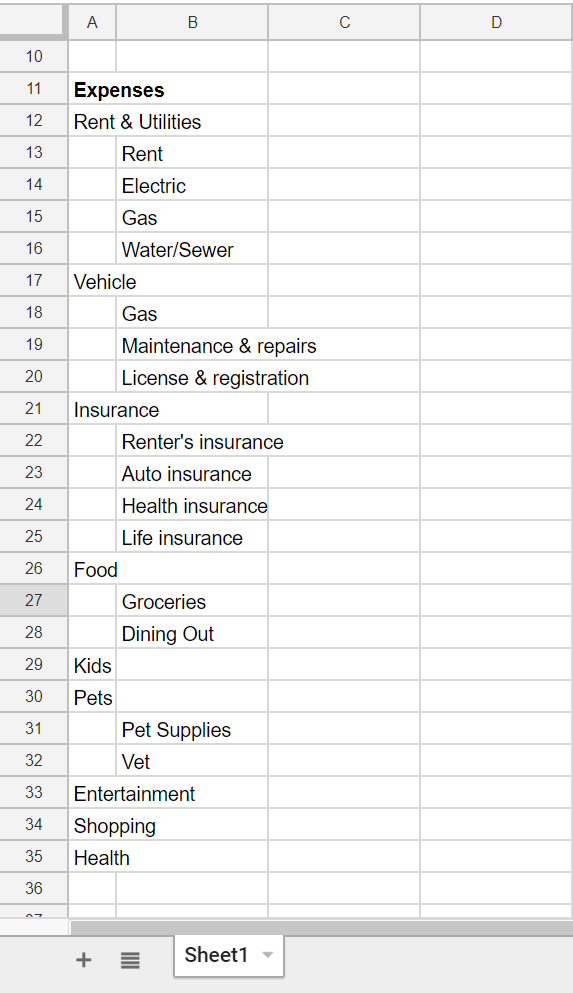
The platform you choose will dictate how much automation you can integrate into your process.
- Spreadsheet Software (Excel or Google Sheets): This is the gold standard for personal finance. Spreadsheets allow for custom formulas, data visualization, and long-term storage. They are highly flexible and can be accessed from both desktops and mobile devices.
- Manual Entry (Analog Paper): For those who are highly tactile, a physical ledger can be effective. However, it lacks the ability to auto-calculate totals or generate trends over time.
For most users, Google Sheets is the recommended starting point due to its accessibility and the wealth of free templates available.
Setting Up Your Columns and Formulas for Automation
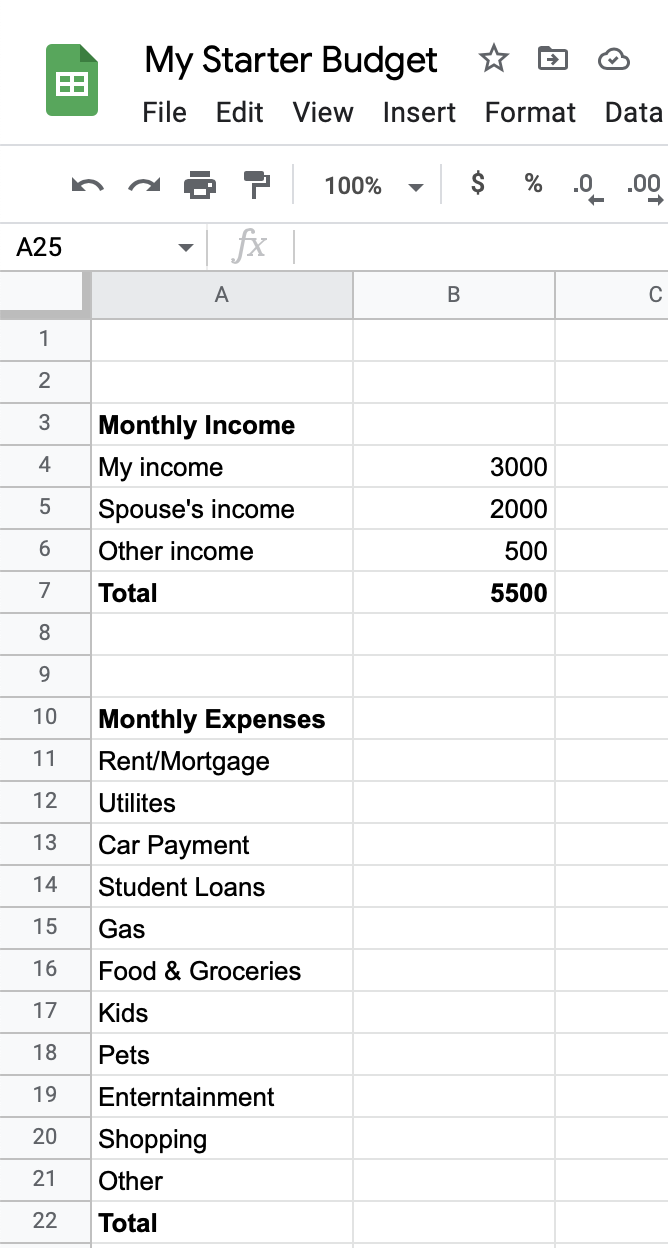
To build a professional-grade budget sheet, set up your primary tab with the following columns:
- Date: When the transaction occurred.
- Category: (e.g., Housing, Food, Transport).
- Description: A brief note on the specific purchase.
- Amount: The numerical value.
- Status: (e.g., Pending, Cleared).
The real power of a digital budget sheet lies in formulas. Use the =SUM() function to automatically calculate totals for each category. Implement a “Dashboard” area at the top of your sheet that subtracts your total expenses from your total income. This gives you a real-time “Net Cash Flow” figure. If that number is negative, your sheet is signaling an immediate need to adjust your variable spending.
Advanced Strategies for Budget Maintenance and Long-term Wealth
Creating a budget sheet is a one-time task; maintaining it is a lifelong habit. To move from basic budgeting to wealth management, you must incorporate advanced strategies that account for the volatility of life.
Forecasting and Sinking Funds: Planning for the Unexpected
A common reason budgets fail is the “surprise” expense—the annual car registration, the holiday season, or a sudden home repair. A sophisticated budget sheet accounts for these through “Sinking Funds.”
A sinking fund is a way to turn a large, irregular expense into a small, monthly “fixed” expense. For example, if you know you spend $1,200 on holiday gifts every December, your budget sheet should include a “Holiday Fund” category with a $100 monthly allocation. When December arrives, the money is already there, preventing you from dipping into your emergency savings or using high-interest credit cards.
Reviewing and Iterating: The Monthly Audit Process
Your financial situation is not static, and your budget sheet shouldn’t be either. At the end of every month, conduct a “Financial Audit.” Compare your planned spending against your actual spending.
If you consistently overspend in the “Dining Out” category, you have two choices: adjust your behavior to meet the budget or adjust the budget to reflect your reality by cutting costs elsewhere. This iterative process ensures that your budget remains a realistic reflection of your life, rather than an aspirational document that is ignored because it is too difficult to follow.
Leveraging Technology and Tools for Precision Budgeting
In the modern era, you do not have to do everything manually. Integrating technology into your budgeting process can increase accuracy and save hours of administrative work.
Integrating Bank APIs and External Financial Data
Many modern budgeting tools allow you to link your bank accounts directly to your sheet or a specialized app. This automatically imports transactions, categorizing them using AI and machine learning. While some prefer the mindfulness of manual entry, automated imports are excellent for those with high transaction volumes who want to ensure no “leak” goes unnoticed.
If you prefer to stick to a custom spreadsheet, most banking portals allow you to export your monthly statements as .CSV files. You can copy and paste these directly into your budget sheet, using basic “Data Validation” tools in Excel or Sheets to quickly assign categories to each line item.
Visualizing Progress: Charts, Graphs, and Data-Driven Insights
Data is more impactful when it is visual. Use your budget sheet’s data to create simple charts. A pie chart showing your spending breakdown can be a sobering wake-up call if you realize that 40% of your income is going toward “Wants” while your “Savings” remain stagnant.
Furthermore, tracking your “Net Worth” over time—the total of your assets (cash, investments, home value) minus your liabilities (mortgage, student loans, credit card debt)—is the ultimate metric of success. By adding a simple monthly net worth tracker to your budget sheet, you can see the direct correlation between your disciplined budgeting and your growing wealth.
Conclusion:
The journey to financial independence is paved with data. By building and maintaining a rigorous budget sheet, you transition from being a passive observer of your finances to being the architect of your future. It requires initial effort and monthly discipline, but the reward—a life free from financial anxiety—is well worth the investment.