
In the global marketplace, the phrase “Made in the USA” carries a weight that transcends simple manufacturing logistics. For the automotive industry, this label is a cornerstone of brand identity, representing a blend of historical legacy, industrial prowess, and a specific promise of reliability and ruggedness. When consumers ask, “What are the American-made car brands?” they are rarely just looking for a list of assembly plant locations. Instead, they are inquiring about the soul of the companies that define the American road.
The landscape of domestic automotive branding has shifted dramatically over the last century. From the assembly lines of Detroit to the high-tech hubs of Silicon Valley, the strategy behind American car brands has evolved from mere utility to complex lifestyle positioning. Understanding these brands requires an analysis of their corporate identities, their marketing strategies, and how they navigate the tension between globalized supply chains and domestic heritage.
The Evolution of the “Made in USA” Brand Identity
The concept of a “domestic” brand is the foundation of American automotive marketing. In the early 20th century, the brand identity of American cars was synonymous with the rise of the middle class. Today, that identity has been refined into a powerful marketing tool used to evoke patriotism, quality, and economic stability.
Historical Legacy and the Industrial Backbone
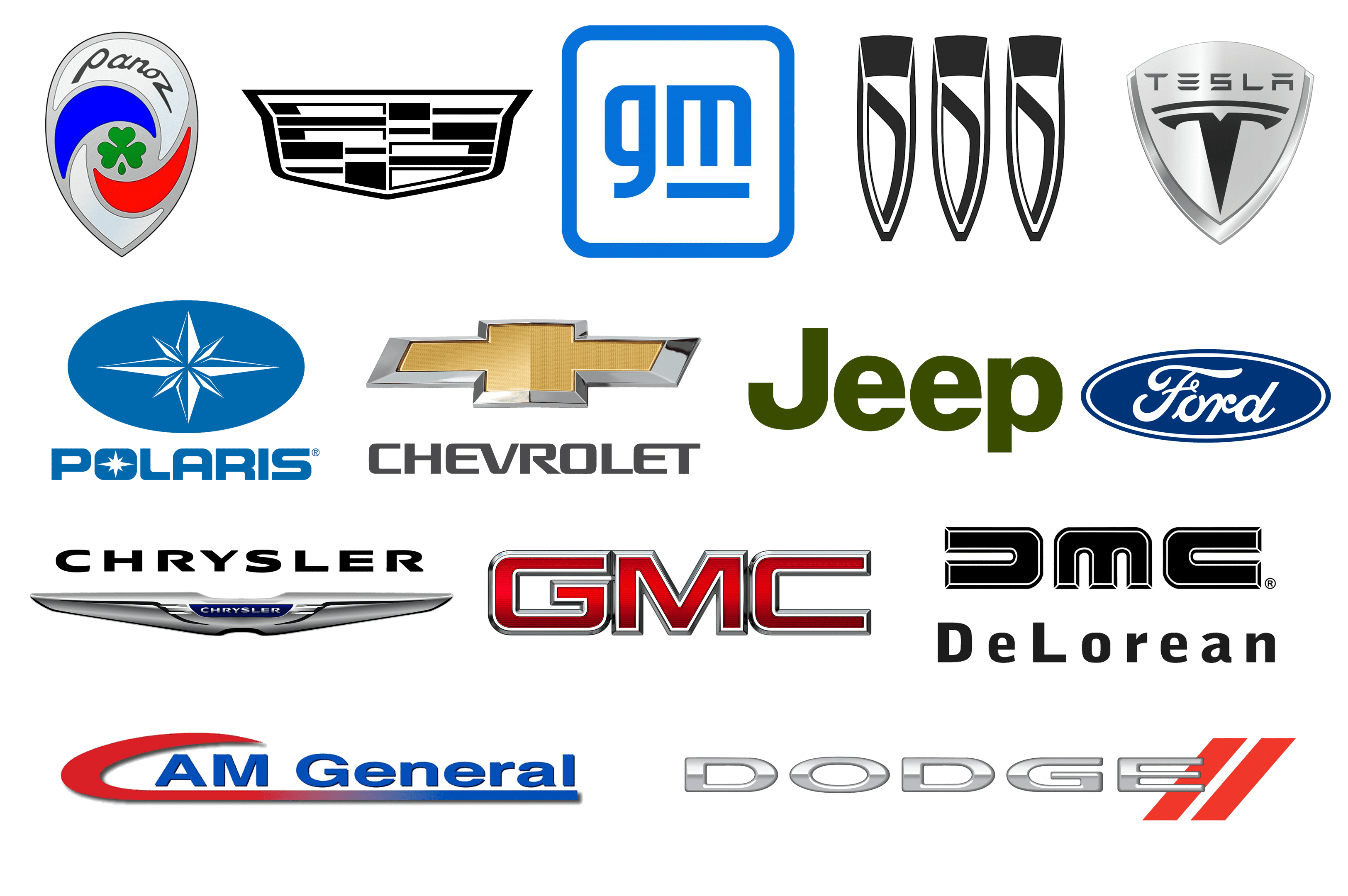
The American automotive brand was built on the concept of the “Big Three”: Ford, General Motors, and Chrysler (now part of Stellantis). Historically, these brands positioned themselves as the backbone of the American dream. Their brand strategy was centered on the democratization of travel—making the automobile accessible to every household. This historical legacy remains a vital part of their modern corporate identity. Even as manufacturing processes become global, these companies lean heavily into their “heritage” branding to maintain a competitive edge against European and Asian imports.
Transitioning from Utility to Lifestyle Branding
In recent decades, American car brands have moved away from selling just transportation. They now sell identities. A brand like Jeep doesn’t just sell an SUV; it sells the idea of “freedom” and “adventure.” This shift toward lifestyle branding allows domestic manufacturers to command higher price points and foster deeper emotional connections with their customer base. By associating the brand with specific American values—such as grit, innovation, or luxury—these companies ensure that their identity remains distinct in a crowded global market.
The Big Three and the Strategy of Heritage
Despite the emergence of new players, the traditional “Big Three” continue to dominate the narrative of what constitutes an American car brand. Each has a distinct brand architecture designed to capture different segments of the market while maintaining a core American identity.
Ford: The Democratization of the Automobile
Ford Motor Company remains perhaps the most iconic American car brand. Its branding strategy is masterfully split between two pillars: the “Built Ford Tough” persona of its truck lineup and the performance-driven legacy of the Mustang. Ford’s corporate identity is rooted in being the “everyman’s” brand, yet it has successfully pivoted toward high-margin vehicles like the F-150. By focusing on the F-Series—the best-selling vehicle in America for decades—Ford has solidified its brand as the literal engine of American industry.
General Motors: A Portfolio of Diverse Brand Identities
General Motors (GM) employs a multi-brand strategy that allows it to cover the entire spectrum of consumer needs. Chevrolet serves as the foundational brand, emphasizing value and reliability. In contrast, Cadillac represents the pinnacle of American luxury, competing directly with German brands by positioning itself as the “Standard of the World.” This tiered brand architecture allows GM to maintain a massive market share while tailoring specific marketing messages to different socioeconomic groups, all while keeping the “American-made” narrative at the center of its corporate communications.
Stellantis (Jeep and Ram): The Rugged American Persona
While Stellantis is a global conglomerate with European roots, its American brands—specifically Jeep and Ram—are managed as quintessentially domestic entities. The branding for Jeep is one of the most successful examples of “niche-to-mainstream” marketing in history. By focusing on a “Go Anywhere, Do Anything” identity, Jeep has transcended the automotive category to become a lifestyle brand. Similarly, Ram has carved out a distinct identity in the truck market by focusing on “luxury-meets-capability,” challenging the traditional utilitarian view of American pickups.

The New Guard: Tesla and the Disruption of Domestic Branding
The most significant shift in the definition of an American car brand in the 21st century came from Silicon Valley, not Detroit. Tesla has completely redefined what it means to be a “made in America” brand, proving that domestic manufacturing can be synonymous with cutting-edge technology rather than just heavy industry.
Personal Branding and the Musk Effect
Unlike Ford or GM, Tesla’s brand identity is inextricably linked to the personal brand of its CEO, Elon Musk. This is a unique strategy in the automotive world, where the corporate identity is often driven by a “founder’s vision” that is decades or centuries old. Tesla’s branding focuses on disruption, innovation, and a mission-driven approach to sustainable energy. This has allowed Tesla to bypass traditional advertising entirely, relying instead on brand evangelism and a high-tech “cool factor” that traditional domestic brands have struggled to replicate.
Positioning America as a Global Leader in Sustainable Innovation
Tesla’s branding has done something remarkable for the “Made in USA” label: it has associated it with the future rather than the past. Before Tesla, American cars were often viewed globally as large, gas-guzzling, and technologically lagging compared to Japanese or German counterparts. Tesla rebranded American manufacturing as the world leader in software-defined vehicles and battery technology. This shift has forced traditional brands like Ford and GM to accelerate their own EV branding strategies to keep pace with the “new American” identity.
Brand Perception vs. Reality: The Marketing of Domestic Manufacturing
One of the most complex aspects of American car brands today is the gap between brand perception and the reality of global supply chains. In a globalized economy, the “American-ness” of a car is often a matter of marketing strategy as much as it is a matter of parts and assembly.
The American Made Index and Consumer Trust
To navigate the complexity of global manufacturing, third-party rankings like the “American Made Index” have become essential branding tools. These indices measure where a car is assembled, where its parts come from, and where its parent company is headquartered. Brands that rank high on these lists, such as Tesla, Honda (manufacturing in Ohio), and Ford, use these rankings in their marketing materials to build trust with domestic consumers. For many buyers, knowing that a brand supports local jobs is a key factor in brand loyalty.
Global Supply Chains and the “Local” Narrative
Modern brand strategy involves managing the “local” narrative even when the supply chain is international. Many “American” car brands source engines from Mexico or electronics from Asia, yet their marketing remains focused on their Detroit roots. Conversely, many “foreign” brands like Toyota and BMW have massive manufacturing footprints in the U.S. south. This creates a fascinating branding paradox where a Toyota Camry might have more “American” content than a domestic-branded SUV. The challenge for American brands is to ensure that their identity remains “authentically American” in the eyes of the consumer, regardless of where the individual components are manufactured.
The Future of American Automotive Branding in a Global Market
As the industry shifts toward electrification and autonomous driving, the identity of American car brands is undergoing another transformation. The future of these brands will depend on their ability to blend their historical strengths with a new, tech-forward corporate identity.
Reclaiming the Premium Narrative
For years, American brands struggled to compete in the premium and luxury segments, often seen as “tier two” compared to European rivals. However, a recent branding shift has seen a resurgence in American luxury. Brands like Lincoln and Cadillac are reimagining their identities, moving away from “old-school” luxury toward a “modern, serene, and tech-heavy” experience. This re-positioning is crucial for American brands to capture the high-margin global market and prove that American design is as sophisticated as any in the world.

Brand Loyalty in the Digital Age
The next decade will see American car brands focusing heavily on digital ecosystems as a way to build brand loyalty. From over-the-air updates to subscription-based features, the relationship between the brand and the consumer is becoming more continuous. American brands are positioning themselves as “tech companies on wheels,” a strategy designed to appeal to younger, more tech-savvy demographics. By integrating software and user experience into their core brand identity, American automakers are ensuring that the “Made in USA” label remains relevant in a digital-first world.
In conclusion, the question of what constitutes an American-made car brand is a study in corporate identity and strategic marketing. Whether it is the heritage-rich legacy of Ford, the multi-faceted portfolio of GM, or the disruptive innovation of Tesla, these brands use their American roots to signal a specific set of values to the world. As the industry evolves, the most successful brands will be those that can honor their domestic history while leading the charge into a global, high-tech future.
aViewFromTheCave is a participant in the Amazon Services LLC Associates Program, an affiliate advertising program designed to provide a means for sites to earn advertising fees by advertising and linking to Amazon.com. Amazon, the Amazon logo, AmazonSupply, and the AmazonSupply logo are trademarks of Amazon.com, Inc. or its affiliates. As an Amazon Associate we earn affiliate commissions from qualifying purchases.