
In the landscape of global entertainment, few intellectual properties have achieved the level of brand penetration and cultural resonance as the Wizarding World. Central to this success is a structural framework that transcends mere storytelling: the four houses of Hogwarts. While often discussed in literary or cinematic terms, Gryffindor, Slytherin, Ravenclaw, and Hufflepuff represent a sophisticated masterclass in brand identity, market segmentation, and consumer psychology.
By dissecting these houses through the lens of brand strategy, we reveal how a cohesive corporate identity can be subdivided into distinct sub-brands that cater to diverse psychographic profiles. This segmentation has not only fueled a multi-billion dollar merchandising empire but has also redefined how modern brands build community and foster lifelong loyalty.
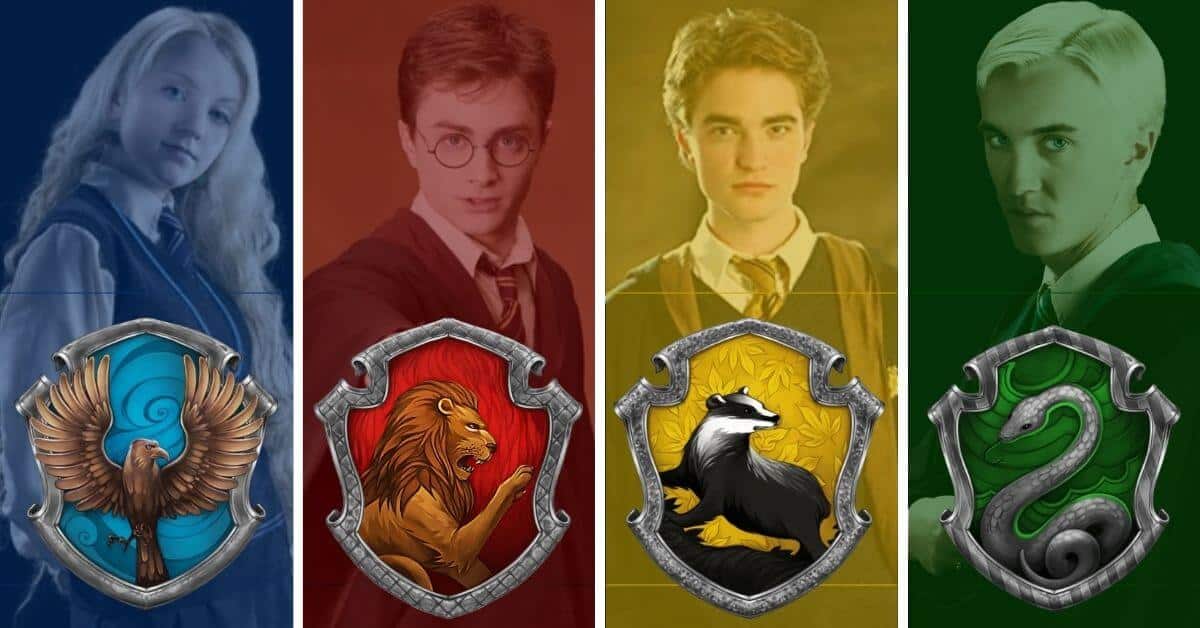
The Architecture of Archetypes: Defining the Four Houses
The power of the Hogwarts houses lies in their alignment with universal archetypes. In branding, an archetype serves as a shorthand for a company’s values, voice, and mission. By categorizing consumers (or students) into four distinct groups, the brand ensures that every individual can find a “home” within the larger ecosystem.
Gryffindor: The Prototypical Hero Brand
Gryffindor is the “Hero” archetype, a brand persona mirrored by global giants like Nike or BMW. Its core values—bravery, nerve, and chivalry—position it as the aspirational choice for those who value action and moral leadership. From a brand strategy perspective, Gryffindor is the “flagship” sub-brand. It is the primary entry point for the majority of consumers because its traits are universally admired.
In marketing terms, Gryffindor leverages the “path of the protagonist.” By associating a brand with courage and social justice, it creates a powerful emotional hook that resonates with a broad demographic, particularly those in the youth and young-adult market segments who are in the process of identity formation.
Slytherin: The Nuance of Competitive Ambition
Slytherin represents the “Ruler” or “Outlaw” archetype. Its values of ambition, cunning, and resourcefulness appeal to a market segment that prioritizes achievement, exclusivity, and prestige. In the world of corporate identity, Slytherin functions much like a luxury brand—think Rolex or Porsche—where the emphasis is on being the best and maintaining a high barrier to entry.
While the narrative often casts Slytherin in a controversial light, from a brand perspective, it is arguably the most loyal segment. It caters to the “disruptors” and “high-achievers.” By embracing a brand that others might find polarizing, Slytherin enthusiasts develop a “siege mentality” that strengthens brand community and creates a high-affinity niche market.
Ravenclaw: The Intellectual Edge and Analytical Precision
Ravenclaw aligns with the “Sage” archetype, prioritizing wit, learning, and wisdom. This house caters to the intellectual and creative segments of the market—those who value innovation and expertise over raw power or social standing. Companies like Google, IBM, or TED are modern incarnations of the Ravenclaw brand ethos.
Ravenclaw’s brand identity is built on the value proposition of “Intelligence as a Service.” It attracts consumers who identify as thinkers, researchers, and creators. By providing a space for this specific psychographic, the overarching brand ensures it captures the “thought leadership” segment of its audience, fostering a community that values logic and aesthetic sophistication.
Hufflepuff: The Foundation of Ethical Reliability
Hufflepuff embodies the “Everyman” or “Caregiver” archetype. Its pillars are hard work, patience, loyalty, and fair play. In a corporate context, Hufflepuff represents the ethical brand—companies like Patagonia or Ben & Jerry’s—where the focus is on sustainability, community, and social responsibility.
For years, Hufflepuff was undervalued in the “brand hierarchy” of the franchise, but it has seen a massive resurgence in the modern era. This mirrors the shift in consumer behavior where “conscious consumerism” and “authenticity” have become top priorities. Hufflepuff’s brand equity is built on trust and consistency, making it the bedrock of the franchise’s community-driven initiatives.
Visual Identity and the Power of Symbolic Branding
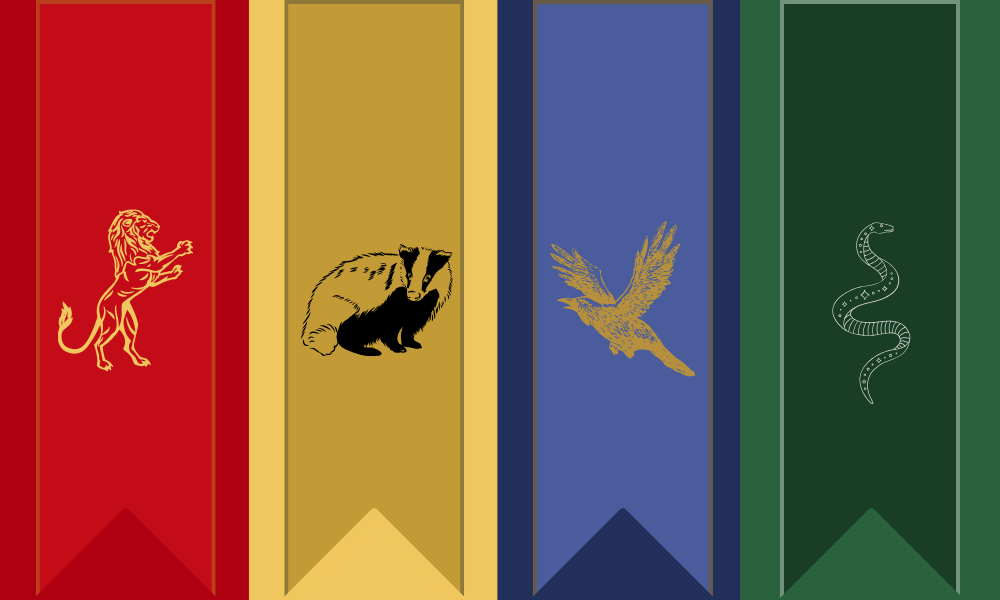
A brand is only as strong as its visual recognition. Each Hogwarts house utilizes a specific color palette and heraldry that triggers immediate cognitive association. This is classic brand design: ensuring that even without words, the consumer knows exactly what the product represents.
The use of primary and secondary colors—Scarlet and Gold (Gryffindor), Green and Silver (Slytherin), Blue and Bronze (Ravenclaw), and Yellow and Black (Hufflepuff)—is a strategic use of color psychology. Red evokes passion and energy; green suggests growth and ambition; blue signals stability and intelligence; yellow radiates optimism and friendliness.
Furthermore, the animal mascots (Lion, Serpent, Eagle, and Badger) serve as “brand avatars.” These symbols are easily reproducible across various media, from digital apps to high-end apparel. This consistency in design language ensures that the brand remains “sticky,” allowing for seamless licensing and global distribution. When a consumer buys a scarf in these specific color combinations, they aren’t just buying clothing; they are purchasing a badge of identity.
The Sorting Hat Strategy: Psychographic Segmentation in Practice
In traditional marketing, companies use data analytics to segment their audience. In the Wizarding World, this process is personified by the “Sorting Hat.” This is a brilliant narrative device that functions as a sophisticated customer onboarding experience.
By “sorting” the audience, the brand forces the consumer to engage in self-reflection. “Where do I belong?” becomes the central question. This gamification of identity is a precursor to the modern “personality quiz” marketing funnels used by brands today to capture lead data and personalize user experiences.
When a consumer “self-identifies” with a house, they are doing the work of the marketer. They are placing themselves into a segment that the brand can then target with specific products, messaging, and experiences. This reduces marketing friction and increases the Lifetime Value (LTV) of the customer, as the emotional investment in the “house identity” often persists for decades.
Lessons in Brand Loyalty: Building the Global Super-Fan
The four houses of Hogwarts have created a level of brand loyalty that most corporations can only dream of. This is achieved through the “In-Group/Out-Group” dynamic. By creating four distinct groups, the brand fosters healthy competition and a sense of belonging.
This internal rivalry drives engagement. Whether it is “House Cup” activations in theme parks or “House Pride” weeks on social media, the brand keeps the conversation alive by encouraging consumers to advocate for their specific sub-brand. This peer-to-peer marketing is far more effective than any traditional advertising campaign.
Furthermore, the houses provide a sense of “tribalism” in an increasingly fragmented digital world. Modern brand strategy often focuses on “community-led growth,” and the Hogwarts house system is perhaps the most successful historical example of this. It transforms passive consumers into active “brand citizens” who contribute to the ecosystem through fan art, forums, and events.

Integrating House Identity into Modern Corporate Strategy
What can modern brand managers and business leaders learn from the four houses of Hogwarts? The primary takeaway is the importance of Multi-Dimensional Identity.
- Avoid One-Size-Fits-All Messaging: Just as Hogwarts would be less impactful if every student was the same, a brand that tries to be everything to everyone often ends up being nothing to anyone. Developing sub-brands or distinct product lines that cater to different archetypes allows for deeper market penetration.
- Leverage Visual Consistency: Ensure that each segment of your brand has a clear, recognizable visual language that ties back to the parent brand while maintaining its unique “flavor.”
- Facilitate Self-Selection: Give your customers the tools to identify who they are in relation to your brand. Whether through tiered memberships, specialized product lines, or interactive content, allow them to “sort” themselves into the community that fits them best.
- Promote Values-Based Belonging: Move beyond functional benefits. Consumers today want to belong to a brand that reflects their internal values—be it bravery, ambition, wisdom, or loyalty.
In conclusion, the four houses of Hogwarts are not merely fictional constructs; they are a highly evolved system of brand architecture. By understanding the psychological and strategic foundations of Gryffindor, Slytherin, Ravenclaw, and Hufflepuff, modern brands can better understand how to segment their audiences, build lasting emotional connections, and create a legacy that stands the test of time. The “magic” of the houses isn’t in the spells—it’s in the masterful application of identity branding.
aViewFromTheCave is a participant in the Amazon Services LLC Associates Program, an affiliate advertising program designed to provide a means for sites to earn advertising fees by advertising and linking to Amazon.com. Amazon, the Amazon logo, AmazonSupply, and the AmazonSupply logo are trademarks of Amazon.com, Inc. or its affiliates. As an Amazon Associate we earn affiliate commissions from qualifying purchases.