
In the modern era, the biological and geological understanding of our planet has undergone a radical transformation. Traditionally, the “Four Earth Spheres”—the geosphere, hydrosphere, atmosphere, and biosphere—were the exclusive domain of natural scientists and ecologists. Today, however, these spheres represent the next great frontier for the technology sector. From the depths of the tectonic plates to the outer reaches of our gaseous envelope, technology is creating a “digital nervous system” for the planet.
This article explores how advanced software, artificial intelligence, and cutting-edge hardware are being deployed across the four earth spheres to monitor, preserve, and optimize the world we inhabit.

1. Monitoring the Geosphere: Advanced Mapping and Subsurface Tech
The geosphere, comprising the Earth’s rocks, minerals, and landforms, is no longer a silent, static entity. Technology has turned the literal ground beneath our feet into a high-fidelity data source.
Satellite Imagery and LiDAR Innovation
The integration of Light Detection and Ranging (LiDAR) with satellite technology has revolutionized how we view the geosphere. By firing laser pulses at the Earth’s surface, tech companies can create precise 3D topographical maps that penetrate even the densest forest canopies. This technology is critical for infrastructure development, landslide prediction, and archaeological discovery. Startups are now utilizing “Synthetic Aperture Radar” (SAR) to monitor minute shifts in the Earth’s crust—down to the millimeter—allowing for early warning systems that were previously impossible.
AI-Driven Seismic Analysis and Mineral Exploration
The search for critical minerals necessary for the “green tech” revolution (like lithium and cobalt) has moved from manual surveying to AI-driven predictive modeling. Machine learning algorithms can now process petabytes of historical geological data to identify likely deposits with surgical precision. Furthermore, AI is being used to analyze seismic waves, providing a clearer picture of the Earth’s internal structure, which is essential for both earthquake mitigation and the development of geothermal energy technologies.
2. The Hydrosphere in the Digital Age: IoT and Water Resource Management
The hydrosphere, encompassing all the Earth’s water, is currently facing unprecedented challenges. Tech-driven solutions are emerging as the primary defense against water scarcity and ocean degradation.
Smart Sensors and Oceanographic Data Collection
The “Internet of Underwater Things” (IoUT) is a burgeoning field involving the deployment of autonomous underwater vehicles (AUVs) and smart sensors across the global ocean. These gadgets track temperature, salinity, and pH levels in real-time. By utilizing edge computing, these devices process data locally before transmitting summaries via satellite, saving bandwidth and battery life. This allows scientists and tech-driven conservationists to monitor coral bleaching and ocean acidification as it happens, rather than years after the fact.
Blockchain for Water Rights and Purity Tracking
In the realm of software and digital security, blockchain technology is being applied to the hydrosphere to ensure transparency in water usage. In water-stressed regions, decentralized ledgers can track water rights and distribution, preventing illegal siphoning and ensuring equitable access. Additionally, IoT-enabled filtration systems are being linked to digital dashboards, allowing municipalities to monitor water purity levels and detect contaminants instantly through automated chemical analysis software.
3. Atmosphere and the Cloud: Edge Computing for Climate Intelligence
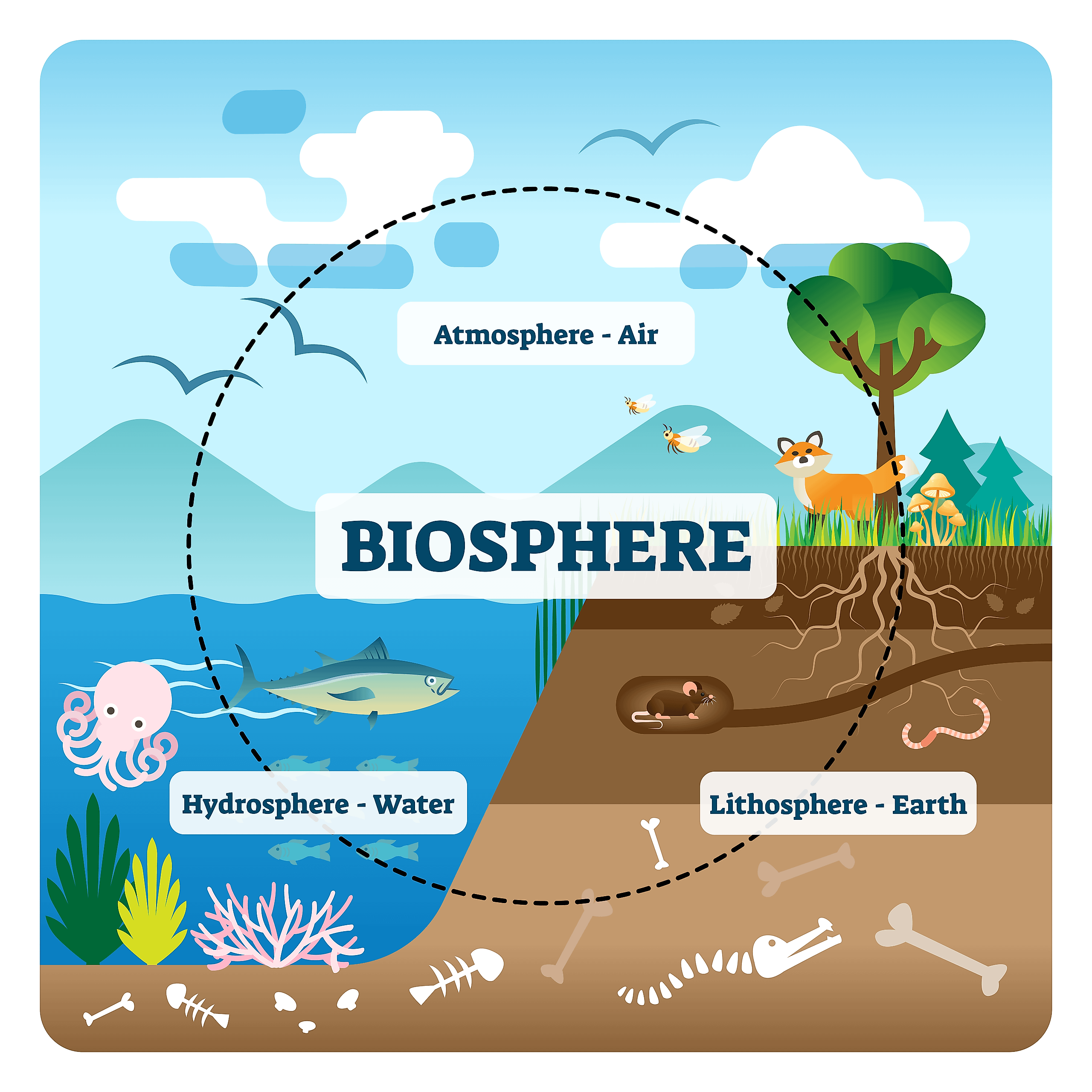
The atmosphere is perhaps the most dynamic of the four spheres. As we grapple with climate change, the tech sector is focusing on “Atmospheric Tech” to model, predict, and potentially mitigate environmental shifts.
High-Performance Computing (HPC) for Meteorological Forecasting
Modern weather forecasting is a feat of pure computing power. High-Performance Computing (HPC) clusters now run complex fluid dynamics simulations that predict atmospheric behavior with incredible accuracy. AI tools are being layered over these models to “learn” from historical weather patterns, allowing for hyper-local forecasting. This is particularly vital for the renewable energy sector, where software must predict cloud cover for solar farms or wind speeds for turbine arrays to balance the electrical grid efficiently.
Carbon Capture Technology and Real-Time Emissions Monitoring
The tech industry is at the forefront of Direct Air Capture (DAC) technology—gadgets and industrial-scale machines designed to scrub CO2 directly from the atmosphere. These facilities are managed by sophisticated software suites that optimize chemical reactions based on ambient humidity and temperature. On the monitoring side, “Carbon SaaS” (Software as a Service) platforms are becoming mandatory for digital security and corporate transparency, using satellite data to verify that companies are meeting their emissions targets.
4. The Biosphere and Biotech: Preserving Life Through Data
The biosphere includes all living organisms, and it is where technology and biology are merging most significantly. The goal is no longer just to observe life, but to utilize data to protect biodiversity.
Environmental DNA (eDNA) Sequencing and AI Biodiversity Tracking
One of the most exciting breakthroughs in biosperic tech is the use of Environmental DNA (eDNA). By taking a simple sample of water or soil, tech-enabled labs can sequence the DNA fragments left behind by animals. This data is then processed through massive bioinformatic databases to identify every species present in an ecosystem without ever seeing the animals. AI-powered camera traps and acoustic sensors also play a role, using computer vision and sound recognition to track the movements of endangered species in real-time.
Precision Agriculture and the Future of Food Systems
In the intersection of the biosphere and the geosphere lies agriculture. “AgTech” is a multi-billion dollar niche focused on precision. Drones equipped with multispectral cameras fly over crops to identify stress, pests, or nutrient deficiencies before they are visible to the human eye. Automated software then directs robotic tractors to apply the exact amount of water or fertilizer needed for a specific plant, reducing chemical runoff into the hydrosphere and optimizing the health of the biosphere.
5. The “Fifth Sphere”: The Digital Twin and Systemic Integration
While we have historically viewed the four spheres as separate, modern technology is proving that they are deeply interconnected. This has led to the creation of what many in the tech world call the “Digital Twin” of the Earth.
Interconnectivity: The Internet of Earth Systems (IoES)
The true power of modern technology lies in integration. Software platforms are now being built to bridge the data silos between the geosphere, hydrosphere, atmosphere, and biosphere. For example, a tech stack might combine atmospheric wind data with hydrospheric current data to predict the movement of plastic waste (biospheric impact) before it washes onto a coastline (geospheric impact). This holistic view is enabled by the “Internet of Earth Systems” (IoES), a mesh network of satellites, sensors, and servers that provides a unified view of the planet’s health.
Cyber-Security Challenges in Global Environmental Monitoring
As we become more reliant on this digital infrastructure, the security of our environmental data becomes paramount. Digital security in the “earth tech” space is a growing concern. If a hacker were to manipulate atmospheric data or water sensor readings, the results could be catastrophic for public safety and resource management. Consequently, the next wave of environmental tech is focused on “Hardened Data”—using encryption and decentralized storage to ensure that our digital representation of the four spheres remains accurate and tamper-proof.

Conclusion
The four earth spheres—geosphere, hydrosphere, atmosphere, and biosphere—are the foundation of our existence. However, through the lens of modern technology, they have become more than just physical environments; they are data-rich ecosystems. By leveraging AI, IoT, and high-performance computing, the tech industry is providing the tools necessary to understand these complex systems with unprecedented clarity. As we continue to develop these digital tools, our ability to interact with and protect the planet will rely heavily on the software and hardware that bridges the gap between the natural world and the digital frontier.
aViewFromTheCave is a participant in the Amazon Services LLC Associates Program, an affiliate advertising program designed to provide a means for sites to earn advertising fees by advertising and linking to Amazon.com. Amazon, the Amazon logo, AmazonSupply, and the AmazonSupply logo are trademarks of Amazon.com, Inc. or its affiliates. As an Amazon Associate we earn affiliate commissions from qualifying purchases.