
Tennis shoes, often colloquially referred to as “sneakers” or “trainers,” are far more than just casual footwear. They represent a sophisticated intersection of material science, biomechanics, and ergonomic design, meticulously engineered to support the unique demands of athletic performance, particularly in the dynamic sport of tennis. This article will delve into the technological advancements, material innovations, and design principles that define what a tennis shoe truly is, exploring its evolution and the critical role it plays in enhancing athletic capabilities and preventing injury.
The Evolving Science of Athletic Footwear
The journey of the tennis shoe from a simple canvas shoe to a high-performance piece of athletic equipment is a testament to continuous innovation. Early tennis shoes were basic, offering minimal support and cushioning. However, as the sport evolved, so did the understanding of the stresses and strains placed upon a player’s feet and body. This led to a deeper scientific inquiry into biomechanics and the development of specialized footwear.
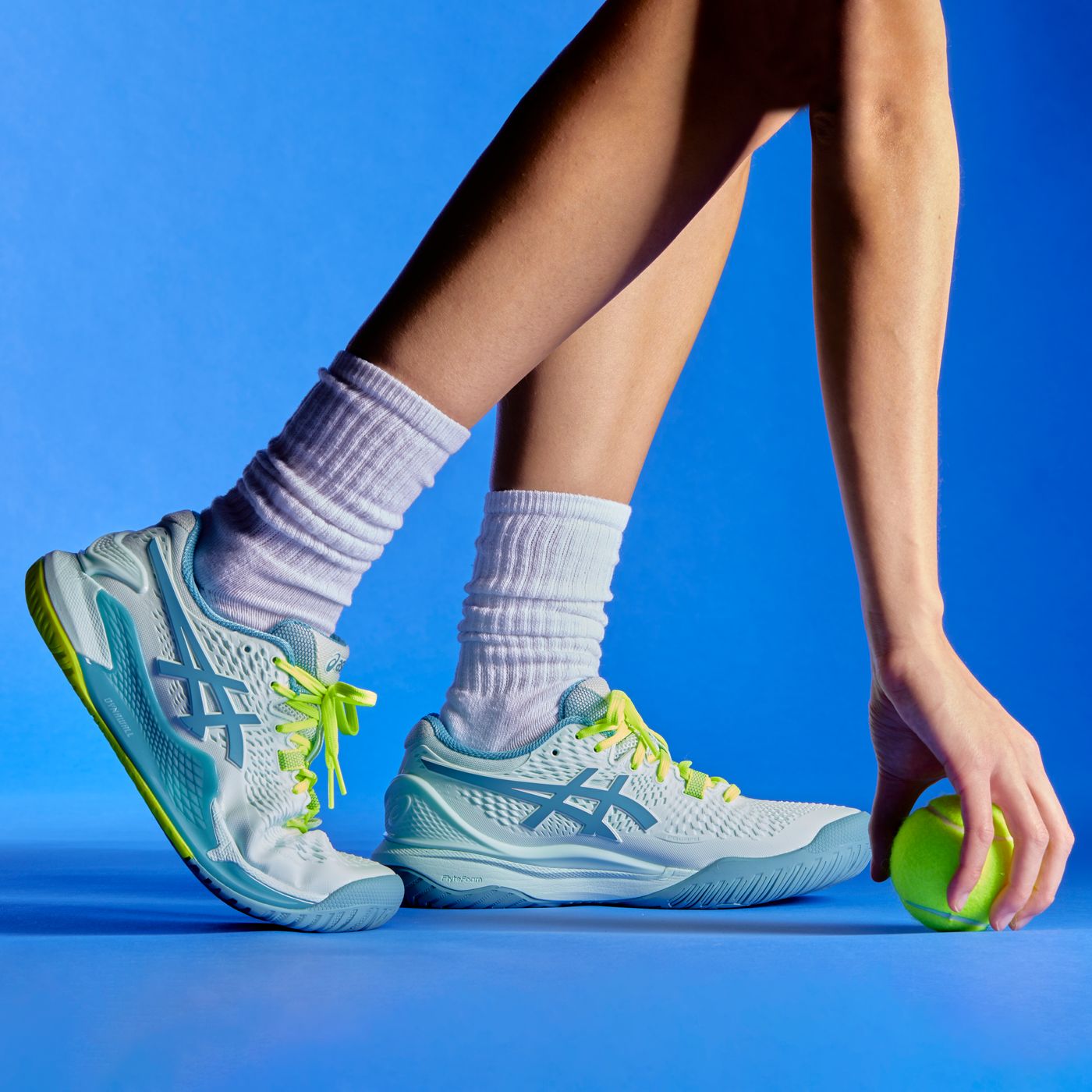
From Canvas to Advanced Synthetics: Material Innovations
The materials used in tennis shoes have undergone a dramatic transformation. Initially, canvas and simple rubber were the primary components. Canvas offered breathability but lacked durability and support. Rubber soles provided grip but were often stiff and heavy.
Early Materials:
- Canvas Uppers: Lightweight and breathable, but prone to wear and tear, especially in high-abrasion areas. They offered little in terms of structural support or protection.
- Vulcanized Rubber Soles: Provided decent traction on court surfaces but were heavy and offered minimal shock absorption. The vulcanization process, developed by Charles Goodyear, made rubber more durable and less sensitive to temperature changes, a significant improvement at the time.
Modern Material Revolution:
The advent of synthetic materials and advanced polymer technologies has revolutionized tennis shoe construction, offering a blend of lightness, durability, support, and cushioning that was previously unimaginable.
- Engineered Mesh Uppers: Modern tennis shoes frequently utilize engineered mesh, a woven fabric that can be precisely constructed to provide targeted breathability in some areas, support in others, and flexibility where needed. This allows for a customized fit that adapts to the foot’s movement during play. Technologies like Nike’s Flywire or Adidas’ Primeknit offer varying degrees of lockdown and support by integrating strong, thin threads directly into the upper’s structure.
- Synthetic Leather and Overlays: Strategically placed synthetic leather or TPU (thermoplastic polyurethane) overlays enhance durability and provide structural support, particularly around the toe box, heel, and midfoot. These materials are often reinforced to withstand the lateral movements, stops, and starts inherent in tennis.
- Advanced Midsole Foams: The midsole is the heart of cushioning and energy return. Traditional EVA (ethylene-vinyl acetate) foam has been improved upon significantly. Modern tennis shoes often incorporate proprietary foam compounds that are lighter, more responsive, and more durable. Examples include:
- Adidas Boost: Known for its exceptional energy return and shock absorption, Boost is made of small, TPU capsules fused together, providing a springy feel with every step.
- Nike React: Offers a balance of softness and responsiveness, designed to absorb impact while also providing a propulsive feel.
- ASICS GEL: A silicone-based material strategically placed in the heel and forefoot to absorb shock and provide a smooth transition from impact to toe-off.
- New Balance Fresh Foam X: A softer, more cushioned foam designed for comfort and impact absorption.
- Durable Rubber Compounds for Outsoles: The outsole’s grip and durability are paramount. Modern tennis shoes employ specialized rubber compounds designed for specific court surfaces (clay, hard courts, grass). These compounds are engineered for excellent traction, allowing for quick changes in direction, while also resisting abrasion from the court. Features like herringbone patterns or multidirectional lugs are common to optimize grip.
Biomechanical Engineering and Injury Prevention
Beyond materials, the structural design of tennis shoes is deeply rooted in biomechanical principles aimed at optimizing performance and minimizing the risk of injuries. The unique demands of tennis – rapid lateral movements, explosive stops, jumps, and aggressive court coverage – necessitate footwear that can accommodate these forces.
Support and Stability Features
- Lateral Stability: Tennis players move predominantly side-to-side. Tennis shoes are designed with reinforced sidewalls and a wider base to provide lateral stability, preventing the foot from rolling over the edge of the shoe during quick cuts. The upper’s construction, often with a snug heel counter and midfoot lockdown, is crucial for this.
- Ankle Support: While high-top designs are less common in modern tennis shoes, the collar design and lacing systems are engineered to offer sufficient ankle support without restricting mobility. A well-designed heel counter cups the heel, preventing slippage and providing a stable platform.
- Torsional Rigidity: The shoe needs to resist twisting forces. A shank, often made of plastic or carbon fiber, is embedded in the midsole to provide torsional rigidity, preventing the shoe from twisting unnaturally and supporting the arch during lateral movements. This also aids in efficient energy transfer.
Cushioning and Shock Absorption
- Impact Absorption: The repetitive impact from running, jumping, and landing can take a toll on joints. Advanced cushioning systems in the midsole, as discussed earlier with proprietary foams and gel technologies, are designed to absorb these shockwaves, reducing stress on the knees, ankles, and back.
- Energy Return: In addition to shock absorption, modern tennis shoes are engineered to provide energy return. As the foot compresses the midsole upon impact, the material rebounds, returning some of that energy to the player for a more efficient and explosive stride. This “springy” feel can contribute to faster court coverage and reduced fatigue.
Traction and Grip
- Outsole Patterns: The pattern of the outsole is critical for grip. Different court surfaces require different tread designs.
- Hard Courts: Often feature a more durable rubber compound with a multi-directional pattern, sometimes a modified herringbone, to provide reliable traction and wear resistance.
- Clay Courts: Typically have a more open, deeper tread pattern (like a full herringbone or broom pattern) to allow clay to sift through, preventing the shoe from becoming clogged and maintaining grip.
- Grass Courts: Require a sole with minimal tread, often small nubs or pimples, to avoid damaging the delicate surface and to provide stability.
- Non-Marking Soles: A crucial feature for indoor courts, non-marking soles prevent the rubber from leaving scuff marks, preserving the court’s appearance.
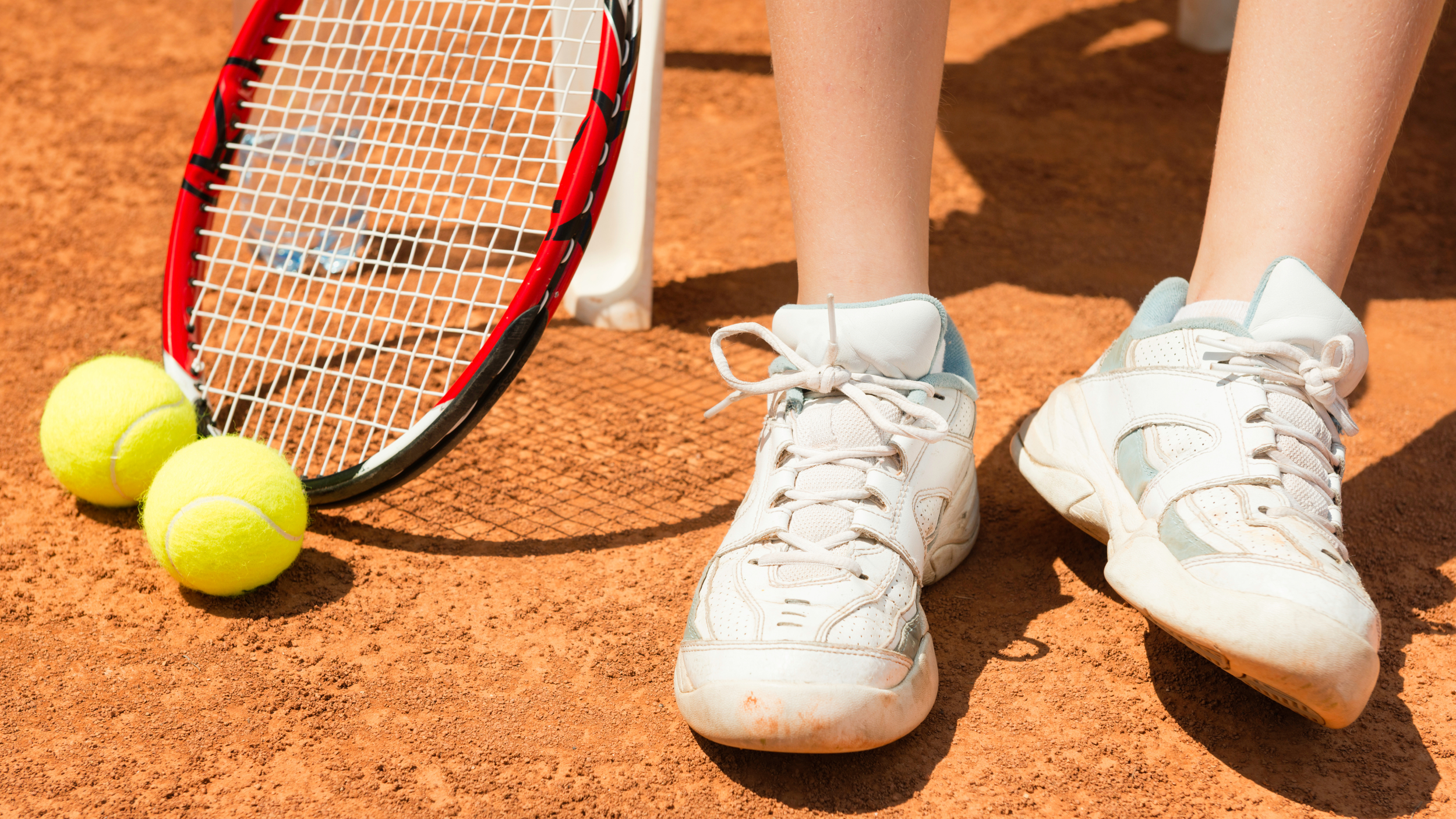
The Technological Ecosystem of a Tennis Shoe
The “smart” shoe revolution is beginning to influence athletic footwear, and tennis shoes are no exception. While not yet mainstream, embedded sensors and connectivity are emerging technologies that promise to provide athletes with invaluable performance data.
Emerging Smart Technologies in Footwear
The integration of technology into tennis shoes is still in its nascent stages but holds immense potential. The core idea is to capture and analyze biomechanical data that can inform training, identify areas for improvement, and even detect potential injury risks.
- Pressure Sensors: Embedded sensors within the insole can measure the pressure distribution across the foot during different movements. This data can reveal imbalances in weight distribution, pronation/supination tendencies, and the impact forces experienced by specific areas of the foot.
- Inertial Measurement Units (IMUs): These small sensors, similar to those found in smartphones, can track acceleration, rotation, and orientation. In a tennis shoe, they could monitor stride length, foot strike patterns, cadence, and the intensity of movements like sprints or jumps.
- Connectivity and Data Analysis: The collected data is typically transmitted wirelessly via Bluetooth to a smartphone app or a dedicated device. This allows for real-time feedback or post-session analysis. Sophisticated algorithms then process this raw data to provide actionable insights.
- Performance Metrics: Potential metrics include:
- Ground Contact Time: How long the foot is on the ground during each stride.
- Stride Power: The force generated during each step.
- Lateral Movement Analysis: The frequency and intensity of side-to-side movements.
- Impact Force Peaks: Identifying potentially injurious high-impact landings.
- AI-Powered Insights: As AI technology advances, these sensors could provide personalized coaching cues, suggest specific drills to correct form, or alert players and coaches to potential overtraining or biomechanical inefficiencies that could lead to injury.
The Role of Connectivity and Data in Player Development
The integration of smart technologies transforms a tennis shoe from a passive piece of equipment into an active data-gathering tool. This shift has profound implications for player development and performance optimization.
- Personalized Training Programs: By understanding a player’s unique biomechanics and movement patterns, coaches can tailor training regimens more effectively. For instance, if sensors reveal consistently high impact forces on the left foot, drills focusing on landing technique or strengthening exercises for that leg might be prescribed.
- Injury Prevention and Early Detection: Subtle changes in gait or movement patterns can be early indicators of fatigue or potential injury. Smart sensors can flag these deviations, allowing for preemptive action before a more serious issue develops. For example, a sudden increase in pronation or an altered foot strike could signal an impending strain.
- Performance Enhancement Feedback: Players can receive immediate feedback on their technique during practice. Are they pushing off effectively during serves? Are their footwork patterns efficient during rallies? The data can provide objective, quantifiable insights that subjective observation might miss.
- Benchmarking and Progress Tracking: Over time, a player’s performance data can be tracked to monitor progress, identify areas of improvement, and understand the impact of different training methodologies. This creates a data-driven approach to athlete development.
- Objective Assessment: In competitive environments, data from smart shoes could offer objective assessments of fatigue levels or performance metrics that might be influenced by external factors.
The future of tennis shoes is undeniably intertwined with technological advancements. As sensors become smaller, more durable, and more integrated, and as AI algorithms become more sophisticated, the humble tennis shoe will evolve into an indispensable tool for serious athletes seeking to push their boundaries and perform at their peak.
The Design Philosophy: Balancing Form and Function for the Court
The design of a tennis shoe is a meticulous balancing act between aesthetics and functionality. While brands strive for visually appealing products, the primary driver behind their design is to meet the rigorous demands of the sport. This involves understanding the physics of movement on the court and translating that understanding into a shoe that empowers the athlete.
Ergonomic Considerations for Maximum Performance
Ergonomics, the science of designing for efficiency and comfort, is paramount in tennis shoe design. Every curve, stitch, and material choice is made with the athlete’s interaction with the shoe and the court in mind.
- Anatomical Fit: Tennis shoes are designed to conform to the natural shape of the foot. This includes considerations for the arch, the toe box volume, and the heel cup. A glove-like fit ensures that the foot is securely held, minimizing internal movement that can lead to blisters and reduce responsiveness.
- Support Structures: The internal structure of the shoe provides crucial support. This includes:
- Heel Counter: A rigid or semi-rigid cup at the back of the shoe that stabilizes the heel, preventing excessive inward or outward rolling (pronation or supination).
- Arch Support: While not as pronounced as in running shoes, tennis shoes still need to provide some level of arch support to maintain foot alignment and distribute pressure evenly. This is often achieved through the midsole geometry and internal shanks.
- Midfoot Lockdown: The lacing system and upper materials are designed to create a secure lockdown around the midfoot, preventing the foot from sliding forward or backward within the shoe during abrupt stops and changes of direction.
- Flexibility Zones: While stability is key, a degree of flexibility is also necessary, particularly in the forefoot, to allow for a natural toe-off during sprints and forward movements. This is often achieved through strategic grooves or material choices in the outsole and midsole.
- Breathability and Temperature Regulation: Tennis is played in varying conditions, and keeping the feet cool and dry is crucial for comfort and performance. Engineered mesh uppers, ventilation ports, and moisture-wicking linings help to manage heat and sweat.
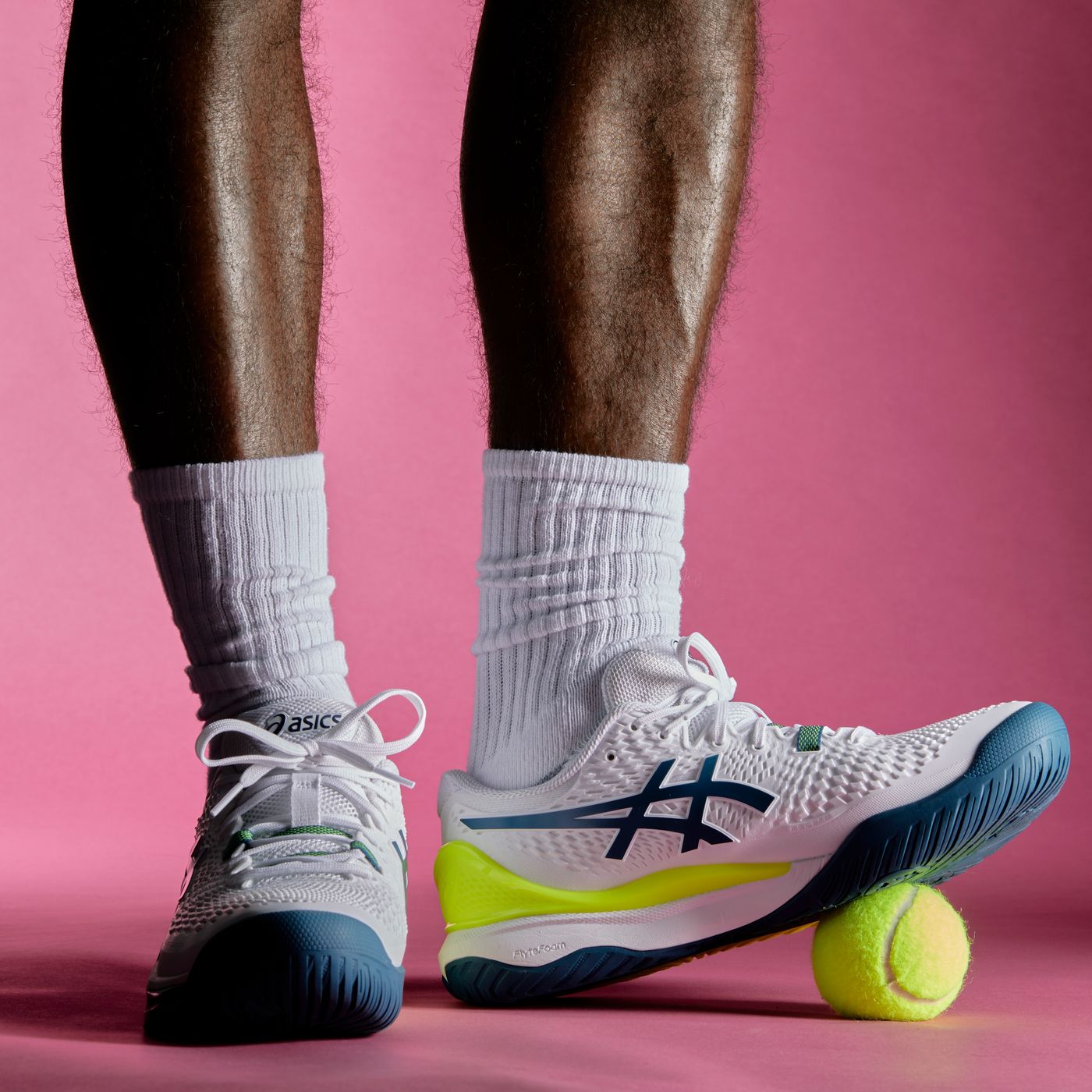
The Visual Language of Performance Footwear
While function dictates the core engineering, the visual design of tennis shoes also plays a significant role, reflecting the brand’s identity and the athletic spirit.
- Brand Identity and Aesthetics: Tennis shoe designs often incorporate signature brand elements, such as logos, color palettes, and distinctive silhouettes. These elements contribute to brand recognition and create an emotional connection with consumers. The aesthetic can range from sleek and minimalist to bold and aggressive, depending on the target audience and the brand’s overall image.
- Court-Specific Aesthetics: Certain design cues can subtly indicate the shoe’s intended use. For example, shoes designed for hard courts might feature more robust, visually “tough” elements, while those for clay courts might have a sleeker, more fluid appearance.
- Marketing and Storytelling: The visual design of a tennis shoe is a powerful tool for marketing. Brands use innovative designs, partnerships with athletes, and compelling narratives to convey the shoe’s technological advantages and performance benefits, creating a aspirational appeal for consumers.
- Durability as an Aesthetic Element: The visible durability of a tennis shoe – reinforced stitching, robust rubber guards, and sturdy materials – can also be an aesthetic statement, conveying the shoe’s resilience and readiness for demanding play.
In essence, a tennis shoe is a marvel of engineering. It’s a product where the relentless pursuit of technological advancement, coupled with a deep understanding of human biomechanics and a keen eye for functional design, converges to create a piece of equipment that is both a performance enhancer and a symbol of athletic dedication. From the molecular structure of its cushioning to the aerodynamic lines of its silhouette, every element serves a purpose, making the tennis shoe a prime example of technology in service of sport.
aViewFromTheCave is a participant in the Amazon Services LLC Associates Program, an affiliate advertising program designed to provide a means for sites to earn advertising fees by advertising and linking to Amazon.com. Amazon, the Amazon logo, AmazonSupply, and the AmazonSupply logo are trademarks of Amazon.com, Inc. or its affiliates. As an Amazon Associate we earn affiliate commissions from qualifying purchases.