
As the tax year concludes and the new filing season approaches, a common question echoes in the minds of many: “How much will I get back in taxes 2025?” This seemingly simple query, however, belies a complex interplay of personal income, deductions, credits, and the ever-evolving tax code. For most, “taxes 2025” refers to the tax year 2024, for which returns will be filed in the spring of 2025. Understanding your potential refund isn’t just about anticipating extra cash; it’s a crucial aspect of personal financial planning, allowing you to optimize your cash flow and make informed decisions about your money.
A tax refund essentially signifies an overpayment to the government throughout the year, either through payroll withholdings or estimated tax payments. While a refund can feel like a bonus, financially speaking, it often means you’ve lent the government your money interest-free. A larger refund might indicate a less optimized tax strategy, whereas a smaller refund or even a slight payment due could suggest more accurate withholding and better use of your money throughout the year. This article will break down the key factors influencing your 2025 tax refund, offering insights and strategies to help you navigate the process effectively.
Understanding the Fundamentals of Your Tax Refund
Before diving into specific calculations, it’s essential to grasp the core concepts that dictate whether you receive a refund and how much it might be. Your tax refund isn’t arbitrary; it’s a direct result of how much tax you owe versus how much you’ve already paid.
What is a Tax Refund, Really?
At its heart, a tax refund is the difference between the total amount of tax you paid throughout the year (via W-2 withholdings, quarterly estimated payments, etc.) and your actual tax liability as calculated on your tax return. If you paid more than you owed, the government owes you the difference. If you paid less, you owe the difference. Many people mistakenly view a refund as a windfall, but it’s crucial to understand it as simply the return of your own overpaid money.
The primary mechanism for most employees is payroll withholding, determined by the information you provide on your IRS Form W-4. If you claim too few allowances or have additional amounts withheld, you’re likely to overpay throughout the year and receive a refund. Conversely, if you claim too many allowances, you might underpay and owe taxes. For self-employed individuals, estimated quarterly tax payments serve the same purpose. The goal of optimal tax planning is often to have your payments closely match your actual liability, minimizing both large refunds and significant amounts due.
Key Factors Influencing Your Refund Amount
Calculating your tax liability, and consequently your potential refund, involves several critical components. These factors interact in complex ways, making personalized tax planning essential.
- Gross Income vs. Taxable Income: Your gross income is all the money you earned before any deductions. Your taxable income is the portion of your gross income that the IRS actually taxes, after accounting for various deductions. The lower your taxable income, the lower your overall tax liability.
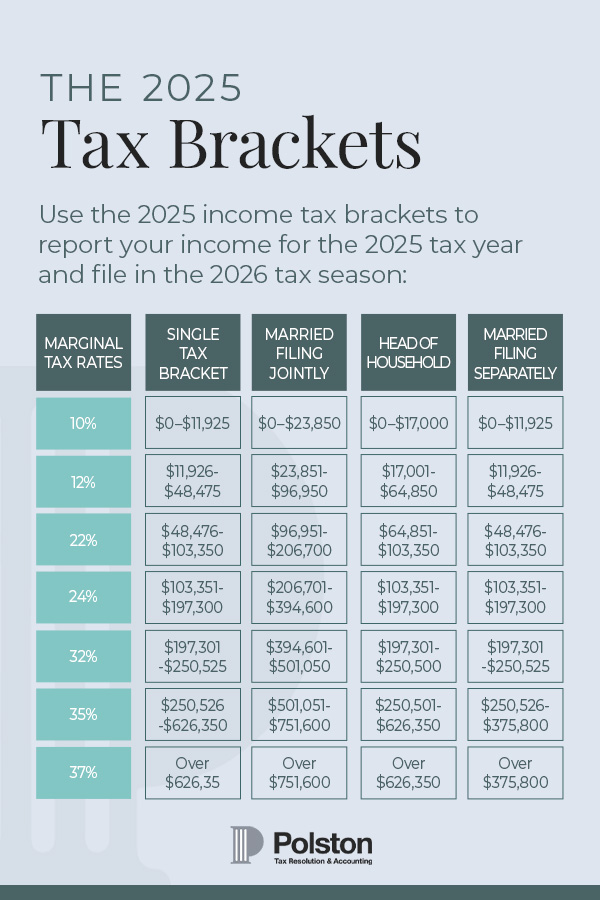
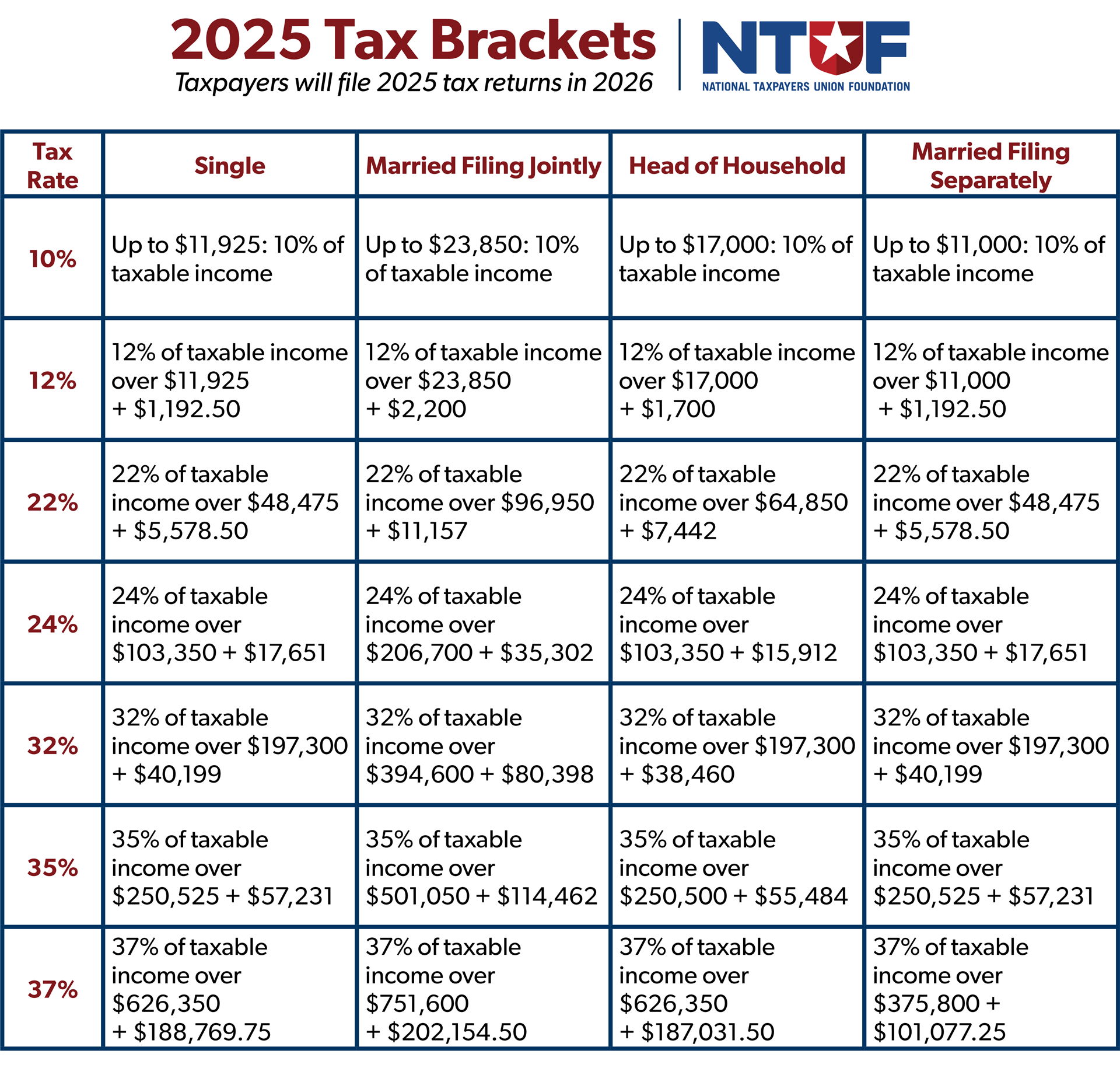
- Tax Brackets: The U.S. tax system uses a progressive tax structure with different tax brackets. As of the 2024 tax year (filed in 2025), these brackets range from 10% to 37%. Not all your income is taxed at the highest rate you fall into; rather, different portions of your taxable income are taxed at progressively higher rates. Understanding these brackets is key to estimating your tax liability.
- Withholding/Estimated Payments: As mentioned, the amount you’ve already paid in taxes is the single biggest determinant of whether you get a refund. If your withholdings or estimated payments exceed your final tax bill, you’re in line for a refund.
- Credits vs. Deductions: This distinction is paramount.
- Deductions reduce your taxable income. For example, a $1,000 deduction for someone in the 22% tax bracket would save them $220 in taxes ($1,000 x 0.22).
- Credits, on the other hand, directly reduce your tax liability dollar-for-dollar. A $1,000 credit reduces your tax bill by $1,000, regardless of your tax bracket. Credits are generally more valuable than deductions. Understanding which credits and deductions you qualify for is crucial for maximizing your refund or minimizing your tax due.
Navigating Deductions to Lower Your Taxable Income
Deductions are a powerful tool for reducing your taxable income, which in turn lowers your overall tax bill. For the 2024 tax year (filed in 2025), you generally have two main choices: taking the standard deduction or itemizing your deductions.
Standard vs. Itemized Deductions (for 2024 Tax Year)
Most taxpayers opt for the standard deduction, which is a fixed dollar amount based on your filing status. For the 2024 tax year, the standard deduction amounts are:
- Single: $14,600
- Married Filing Separately: $14,600
- Married Filing Jointly: $29,200
- Head of Household: $21,900
- Qualifying Widow(er): $29,200
If your total eligible itemized deductions exceed your standard deduction amount, it typically makes financial sense to itemize. Common itemized deductions include:
- State and Local Taxes (SALT): Limited to $10,000 per household. This includes property taxes, income taxes, or sales taxes.
- Mortgage Interest: Interest paid on your home mortgage up to certain limits.
- Medical Expenses: Expenses exceeding 7.5% of your Adjusted Gross Income (AGI).
- Charitable Contributions: Donations to qualified charities, with limits based on your AGI.
- Certain Miscellaneous Deductions: While most miscellaneous deductions were eliminated by the Tax Cuts and Jobs Act (TCJA), some still exist for specific professions or situations.
It’s vital to meticulously track all potential itemized deductions throughout the year to make an informed decision come tax season.
Common “Above-the-Line” Deductions
Unlike standard or itemized deductions, certain deductions are taken “above the line,” meaning they reduce your gross income to arrive at your Adjusted Gross Income (AGI). A lower AGI can be beneficial because many credits and other deductions are subject to AGI limitations or phase-outs. Key “above-the-line” deductions include:
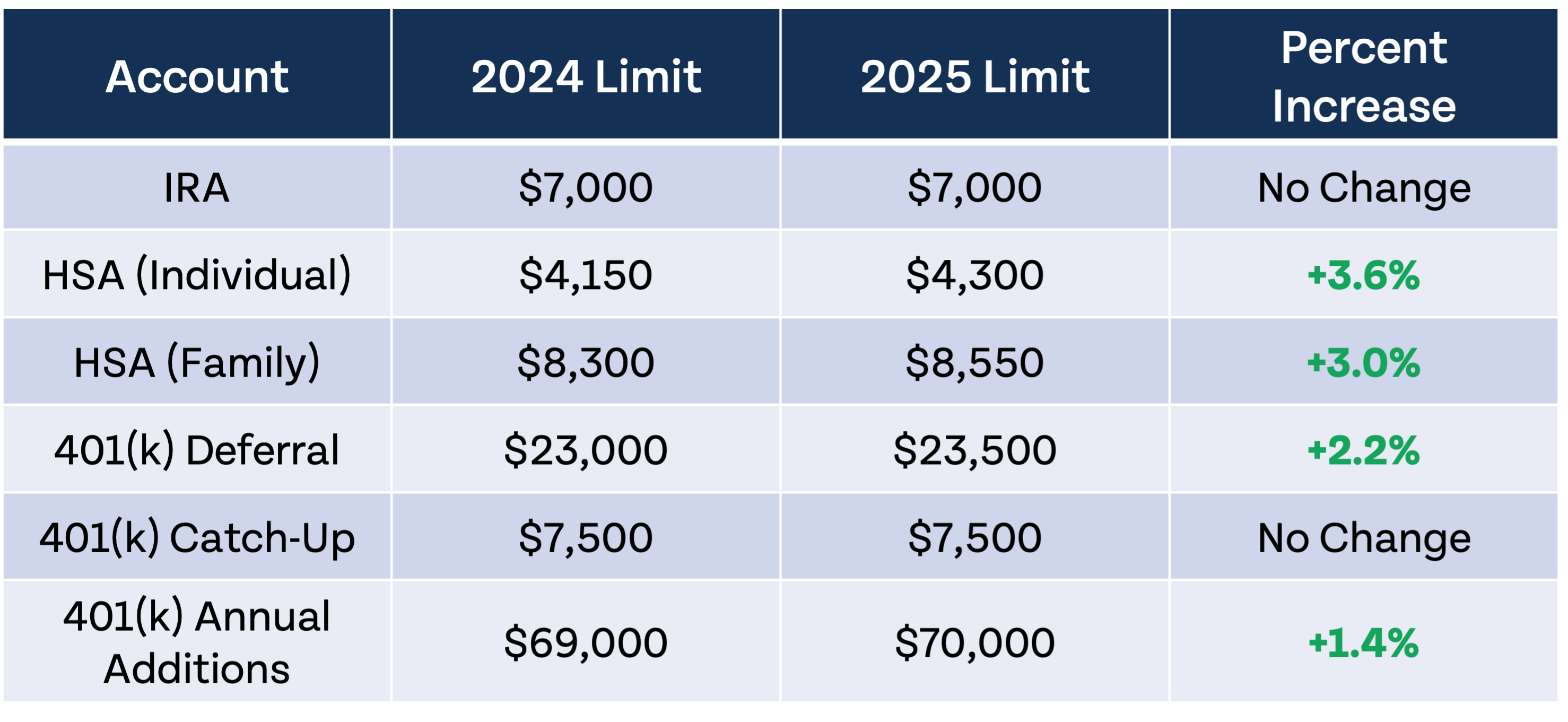
- Traditional IRA Contributions: Up to certain limits, if you or your spouse are not covered by a retirement plan at work, or if your income is below specific thresholds.
- Health Savings Account (HSA) Contributions: Contributions to an HSA are tax-deductible.
- Student Loan Interest: Up to $2,500 of student loan interest can be deducted.
- Self-Employment Tax Deduction: If you’re self-employed, you can deduct one-half of your self-employment taxes.
- Educator Expenses: K-12 educators can deduct up to $300 for unreimbursed classroom expenses.
These deductions directly reduce your AGI, which can make you eligible for other tax benefits or increase the value of other credits or deductions.
Maximizing Your Refund with Tax Credits
Tax credits are often the most impactful way to reduce your tax bill and boost your refund, as they directly reduce the amount of tax you owe, dollar-for-dollar. Understanding the difference between refundable and non-refundable credits is crucial.
Understanding Refundable vs. Non-Refundable Credits
- Non-Refundable Credits: These credits can reduce your tax liability to $0, but you won’t get any of the credit back as a refund if it exceeds your tax liability. For example, if your tax bill is $500 and you have a $700 non-refundable credit, your tax bill becomes $0, and the remaining $200 of the credit is lost.
- Refundable Credits: These are the most powerful credits because if the credit amount exceeds your tax liability, the IRS will send you the difference as a refund. For instance, with a $500 tax bill and a $700 refundable credit, your tax bill becomes $0, and you receive a $200 refund.
Key Non-Refundable Credits
Many valuable credits fall into the non-refundable category, significantly lowering your tax burden:
- Child Tax Credit (CTC): For 2024, the maximum credit is $2,000 per qualifying child under age 17. A portion of this credit (up to $1,600 for 2023, subject to inflation adjustments for 2024) may be refundable through the Additional Child Tax Credit for lower-income families. Legislative changes are always possible, so keeping an eye on updates for 2024 tax year is wise.
- Credit for Other Dependents: A non-refundable credit of up to $500 for dependents who do not qualify for the Child Tax Credit (e.g., older children, parents, other relatives).
- Education Credits:
- American Opportunity Tax Credit (AOTC): Up to $2,500 for eligible students in their first four years of higher education. Up to 40% of this credit is refundable.
- Lifetime Learning Credit (LLC): Up to $2,000 for courses taken towards a degree or to acquire job skills. This credit is non-refundable.
- Saver’s Credit (Retirement Savings Contributions Credit): Designed for moderate and low-income taxpayers, this credit encourages retirement savings. It can be up to 50% of your contributions, with a maximum credit of $1,000 ($2,000 for married filing jointly).
- Clean Energy Credits: Credits for purchasing electric vehicles, installing energy-efficient home improvements, or solar panels. These can be substantial but often have specific requirements and phase-outs.
Powerful Refundable Credits
These credits are particularly important for lower-income households as they can lead to a refund even if no tax was owed:
- Earned Income Tax Credit (EITC): A significant credit for low-to-moderate income working individuals and families. The amount depends on income, filing status, and the number of qualifying children. It’s one of the most substantial refundable credits available.
- Additional Child Tax Credit (ACTC): If your Child Tax Credit exceeds your tax liability, a portion of it can become refundable through the ACTC, potentially providing a direct cash refund.
- Premium Tax Credit (PTC): This credit helps eligible individuals and families afford health insurance coverage purchased through the Health Insurance Marketplace (ACA). It can be received in advance throughout the year or claimed when you file your taxes.
Planning Ahead for the 2025 Tax Season (Filing for 2024)
Proactive planning is the most effective way to influence your tax refund. Don’t wait until January 2025 to start thinking about your 2024 taxes.
The Importance of Accurate Record-Keeping
The cornerstone of effective tax planning is meticulous record-keeping. Throughout 2024, keep organized records of:
- Income documents: W-2s, 1099s (for interest, dividends, freelance income, etc.).
- Receipts: For medical expenses, charitable contributions, work-related expenses (if applicable), education costs, and any other potential deductions or credits.
- Investment statements: Showing gains, losses, and dividends.
- Proof of tax payments: Including estimated tax payments.
Digital tools, cloud storage, or even a simple physical folder can make a world of difference when it’s time to prepare your return.
Adjusting Your Withholding (W-4)
The easiest way to influence your refund is by adjusting your W-4 form with your employer. This form dictates how much tax is withheld from each paycheck.
- Use the IRS Tax Withholding Estimator: This free online tool from the IRS is invaluable. It helps you accurately project your income, deductions, and credits for the year and recommends how to adjust your W-4 to achieve your desired outcome – whether that’s a larger refund, a smaller refund, or owing nothing at all.
- Review your W-4 after life changes: Marriage, divorce, having a child, starting a new job, or a significant change in income are all reasons to revisit and update your W-4.
- The goal: Aim for your withholding to closely match your actual tax liability. This allows you to have more of your money throughout the year rather than waiting for a large refund.
Utilizing Tax Planning Tools and Professionals
Don’t go it alone if you feel overwhelmed.
- Tax Software: Programs like TurboTax, H&R Block, and TaxAct offer robust calculators and estimation tools that can help you project your refund throughout the year based on your current income and expenses. Many even allow you to input your estimated information before the filing season officially begins.
- Consult a Tax Professional: For complex financial situations, self-employment, significant investments, or major life changes, consulting a Certified Public Accountant (CPA) or Enrolled Agent (EA) is highly recommended. They can provide personalized advice, identify often-missed deductions and credits, and assist with proactive tax planning strategies.
Beyond the Refund: Strategic Financial Planning
While getting a refund is a common goal, the larger objective should be strategic financial planning that uses your tax situation to your advantage.
What to Do With a Refund (If You Get One)
If you do receive a refund, consider using it wisely rather than impulsively spending it:
- Pay Down High-Interest Debt: Credit card debt, personal loans, or other high-interest debts are often the best place to allocate a refund, as it provides an immediate, guaranteed return (by saving on interest).
- Build an Emergency Fund: A robust emergency fund (3-6 months of living expenses) is crucial for financial security. A refund can provide a significant boost.
- Invest for the Future: Contribute to retirement accounts (IRA, 401(k)), a 529 college savings plan, or a brokerage account.
- Make Home Improvements: Especially those that increase your home’s value or energy efficiency.
The “Optimal” Refund Strategy
Many financial advisors suggest aiming for a minimal refund or even a small amount due. This strategy means you’ve had more of your income available to you throughout the year, which you could have:
- Earned interest on in a savings account.
- Invested for potential growth.
- Used to pay down debt, saving on interest charges.
- Applied to your immediate financial goals.
The opportunity cost of a large refund is the potential growth or savings you missed out on by letting the government hold your money. Revisit your financial goals and adjust your W-4 or estimated payments accordingly to align your tax strategy with your broader financial objectives.
Conclusion
Determining “how much will I get back in taxes 2025” isn’t a simple calculation; it’s the culmination of your income, deductions, credits, and the diligent planning you undertake throughout the year. While the allure of a large refund is understandable, a more financially savvy approach involves understanding the mechanisms behind your tax liability and proactively adjusting your financial habits.
By diligently tracking your income and expenses, understanding the deductions and credits you qualify for, and making timely adjustments to your tax withholdings, you can gain greater control over your financial future. Whether you aim for a modest refund or to owe nothing at all, empowering yourself with knowledge and utilizing available resources—from IRS estimators to tax professionals—will ensure you navigate the 2025 tax season with confidence and make the most of your hard-earned money. Taxes may be complex, but an informed approach transforms them from a yearly burden into an opportunity for financial optimization.
aViewFromTheCave is a participant in the Amazon Services LLC Associates Program, an affiliate advertising program designed to provide a means for sites to earn advertising fees by advertising and linking to Amazon.com. Amazon, the Amazon logo, AmazonSupply, and the AmazonSupply logo are trademarks of Amazon.com, Inc. or its affiliates. As an Amazon Associate we earn affiliate commissions from qualifying purchases.