
In the world of corporate identity and product development, few stories are as compelling as the transformation of industrial scraps into a multi-billion-dollar brand asset. When consumers ask, “What are tater tots made of?” the literal answer is seasoned potato slivers. However, from a brand strategy perspective, Tater Tots are made of ingenious marketing, strategic trademarking, and a masterclass in monetizing supply chain inefficiency.
What began as a solution to a manufacturing waste problem has evolved into one of the most recognizable brand names in the global food industry. Owned by Ore-Ida (a subsidiary of Kraft Heinz), the “Tater Tot” is more than a side dish; it is a case study in how a brand can define an entire product category through psychological positioning and relentless consistency.
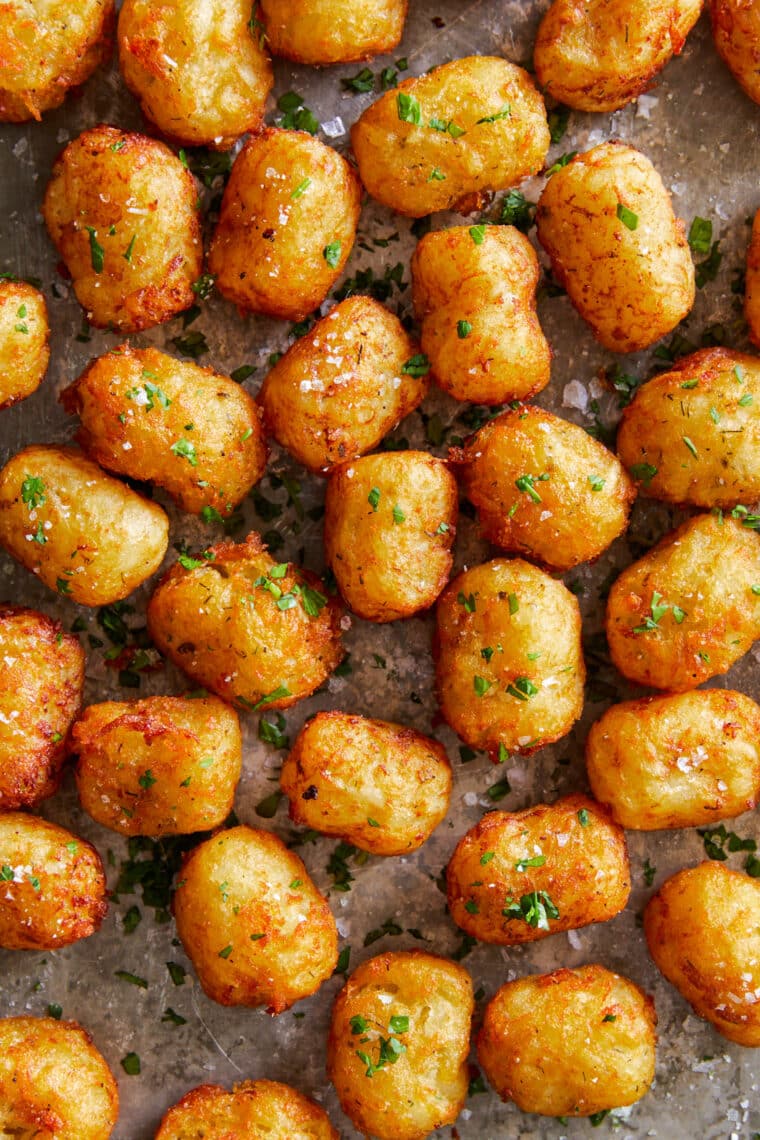
The Genesis of a Trademarked Identity: Turning Waste into Equity
The origin of the Tater Tot is a foundational lesson in brand innovation. In the early 1950s, F. Nephi Grigg and Golden Grigg, the founders of Ore-Ida, faced a significant operational challenge: what to do with the leftover slivers of potatoes generated from the production of French fries. These scraps were being sold for pennies as livestock feed, representing a massive loss in potential revenue.
From Byproduct to Brand Asset
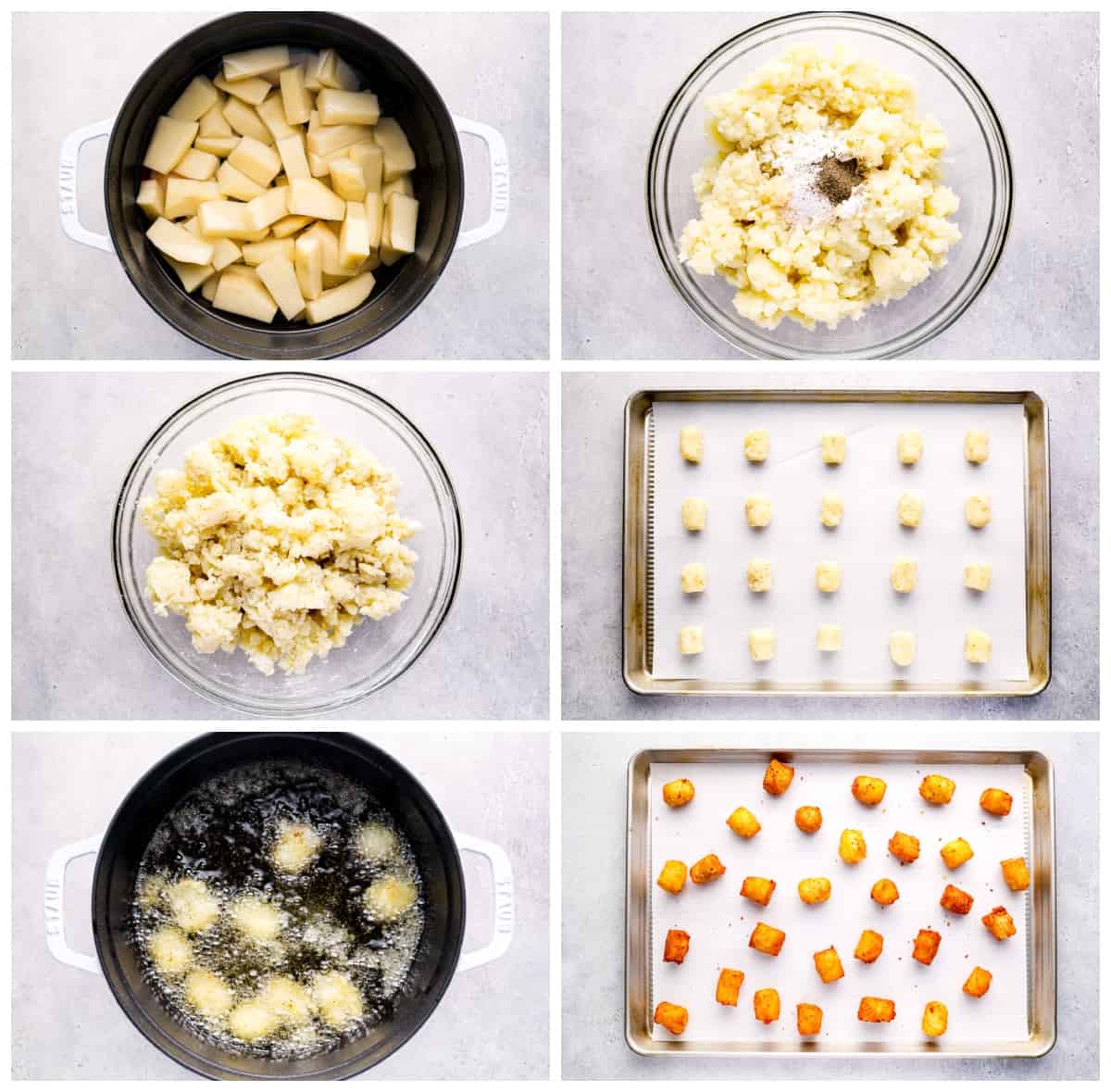
The Grigg brothers realized that by mashing these slivers, adding flour and seasoning, and extruding the mixture into small cylinders, they could create a new product. However, the product alone wasn’t enough to capture the market. They needed a brand identity that felt intentional rather than accidental.
By naming the product “Tater Tots”—using a playful alliteration—they moved the conversation away from “leftover potato scraps” to a “wholesome, fun snack.” This was a pivotal moment in brand strategy: they weren’t selling a solution to their waste problem; they were selling a solution to a consumer’s need for a quick, bite-sized side dish.
The Psychology of the Name “Tater Tot”
The name itself is a masterpiece of marketing. “Tater” evokes a sense of rustic, farmhouse authenticity, while “Tot” implies something small, cute, and approachable. This linguistic combination helped the product appeal immediately to the 1950s suburban demographic—specifically mothers looking for convenient, kid-friendly meals. Today, while the term has become “genericized” in the common lexicon, Ore-Ida maintains a fierce legal grip on the trademark, ensuring that while competitors can sell “potato barrels” or “potato puffs,” only Ore-Ida sells the “Tater Tot.”
Strategic Market Positioning: The Art of the Value Proposition
A product’s ingredients may be simple, but its market positioning is often complex. When Ore-Ida first introduced Tater Tots to grocery stores, they encountered an unexpected hurdle: the product didn’t sell. The initial price point was too low. Consumers perceived the low cost as an indicator of low quality, correctly intuiting that the product was made from scraps.
Creating the “Affordable Luxury” of Convenience
In a brilliant move of “prestige pricing” strategy, the Grigg brothers raised the price of Tater Tots. By making the product more expensive than the sum of its parts, they changed the consumer’s perception. Suddenly, the Tater Tot was seen as a premium convenience item. This shift highlights a core tenet of brand strategy: value is determined by perception, not production cost.
By positioning the Tater Tot as a specialty item rather than a bargain-bin filler, Ore-Ida established a high level of brand equity that has lasted for seven decades. They convinced the public that “what the tot is made of” was not nearly as important as “what the tot represents”—which is a unique, crispy texture that French fries could not replicate.
Differentiation in a Crowded Frozen Aisle
The frozen food aisle is one of the most competitive retail environments in the world. To survive, a brand must offer a unique “Reason to Believe” (RTB). For the Tater Tot, the RTB was the “crackle.” Through engineering and marketing, the brand emphasized the specific textural contrast of the crunchy exterior and the soft, shredded interior. This sensory branding allowed the product to carve out a niche separate from the traditional French fry, effectively creating a “Blue Ocean” strategy within the potato category.
Brand Evolution and Cultural Stickiness
Longevity in branding requires more than just a good product; it requires “cultural stickiness.” The Tater Tot has managed to transition from a 1950s novelty to a retro-cool icon. This transition didn’t happen by accident; it was the result of a deliberate effort to leverage nostalgia while maintaining modern relevance.
Leveraging Nostalgia in Marketing Campaigns
In recent decades, Ore-Ida has leaned heavily into the nostalgic power of the Tater Tot. By maintaining the same basic packaging aesthetic and focusing on the product’s role in family memories, the brand has built a multi-generational loyalist base.
The brand’s presence in popular culture—most notably its prominent “supporting role” in the 2004 cult classic film Napoleon Dynamite—was a watershed moment for its brand identity. Rather than shying away from the product’s association with “school cafeteria food,” the brand embraced its status as a quirky, beloved staple of Americana. This organic brand integration solidified its place in the zeitgeist, proving that a well-defined brand can survive and thrive through shifting cultural trends.
Protecting the Intellectual Property (IP)
A major part of the Tater Tot brand strategy involves the aggressive protection of its intellectual property. Because “Tater Tot” is a registered trademark, Kraft Heinz (Ore-Ida) must constantly police its usage to prevent it from becoming a legally generic term like “aspirin” or “escalator.”
This legal vigilance is a critical component of their corporate identity. When a restaurant puts “Tater Tots” on a menu but serves a competitor’s product, Ore-Ida’s legal team is often quick to intervene. This protects the brand’s exclusivity and ensures that when a consumer sees the name, they expect a specific quality and flavor profile associated with the original manufacturer.
The Modern Rebranding of a Classic: Adaption and Premiumization
In the current era of “clean labels” and health-conscious eating, the question “What are tater tots made of?” is asked with more scrutiny than ever before. To maintain its market share, the brand has had to evolve its strategy to meet modern consumer expectations without losing its soul.
Adapting to Health Trends and Premiumization
To combat the perception of Tater Tots as highly processed “junk food,” the brand has diversified. We now see the rise of “Cauliflower Tots” and “Sweet Potato Tots.” This is a classic “Line Extension” strategy. By applying the “Tot” brand architecture to healthier ingredients, Ore-Ida is able to capture the health-conscious demographic while leveraging the trust and recognition of the original brand name.
Furthermore, the “premiumization” of the Tater Tot has moved from the frozen aisle to the gastropub. High-end chefs now use the Tater Tot as a canvas for gourmet ingredients like truffle oil, wagyu beef, and artisanal cheeses. This “elevated comfort food” trend has rebranded the Tater Tot as a versatile culinary tool, moving it far beyond its humble origins as a byproduct of fry production.
The Digital Transformation of Legacy Brands
In the digital age, the Tater Tot brand has found a new life through social media marketing. Its “snackable” nature makes it highly “Instagrammable,” and the brand has capitalized on this by engaging with “foodie” influencers and creating viral content around “Tot-chos” (Tater Tot nachos).
This digital pivot shows an understanding of modern brand engagement. It’s no longer just about television commercials; it’s about creating a lifestyle around the product. By encouraging user-generated content and participating in internet food trends, the brand ensures that it remains relevant to Gen Z and Millennial consumers who value authenticity and “vibe” over traditional corporate messaging.
Conclusion: The Enduring Power of the Tot
What are Tater Tots made of? On the surface, they are made of potatoes, oil, and flour. But beneath that crunchy exterior lies a sophisticated brand strategy that has turned a potential liability into a legendary asset. Through clever naming, strategic pricing, aggressive trademark protection, and an ability to adapt to cultural shifts, the Tater Tot has become a permanent fixture of the global food landscape.
The story of the Tater Tot serves as a reminder to brand managers and entrepreneurs everywhere: greatness is often found in the things others throw away. With the right strategy, even a scrap of potato can become an icon. Ore-Ida didn’t just invent a snack; they engineered a brand that has stood the test of time, proving that in the world of marketing, how you sell a product is just as important as what the product is made of.
aViewFromTheCave is a participant in the Amazon Services LLC Associates Program, an affiliate advertising program designed to provide a means for sites to earn advertising fees by advertising and linking to Amazon.com. Amazon, the Amazon logo, AmazonSupply, and the AmazonSupply logo are trademarks of Amazon.com, Inc. or its affiliates. As an Amazon Associate we earn affiliate commissions from qualifying purchases.