
In the high-stakes world of finance, information is the most valuable currency. Whether it is a boutique hedge fund looking for an undervalued tech stock or a massive private equity firm scouting for its next acquisition, the quality of their decisions is only as good as the data supporting them. At the heart of this data-driven ecosystem lies the Research Assistant (RA). Often viewed as the engine room of an investment team, a Research Assistant performs the heavy lifting required to transform raw market noise into actionable financial intelligence. This role is a critical entry point for anyone serious about mastering personal finance, institutional investing, or business strategy.
The Strategic Role of a Research Assistant in Modern Finance
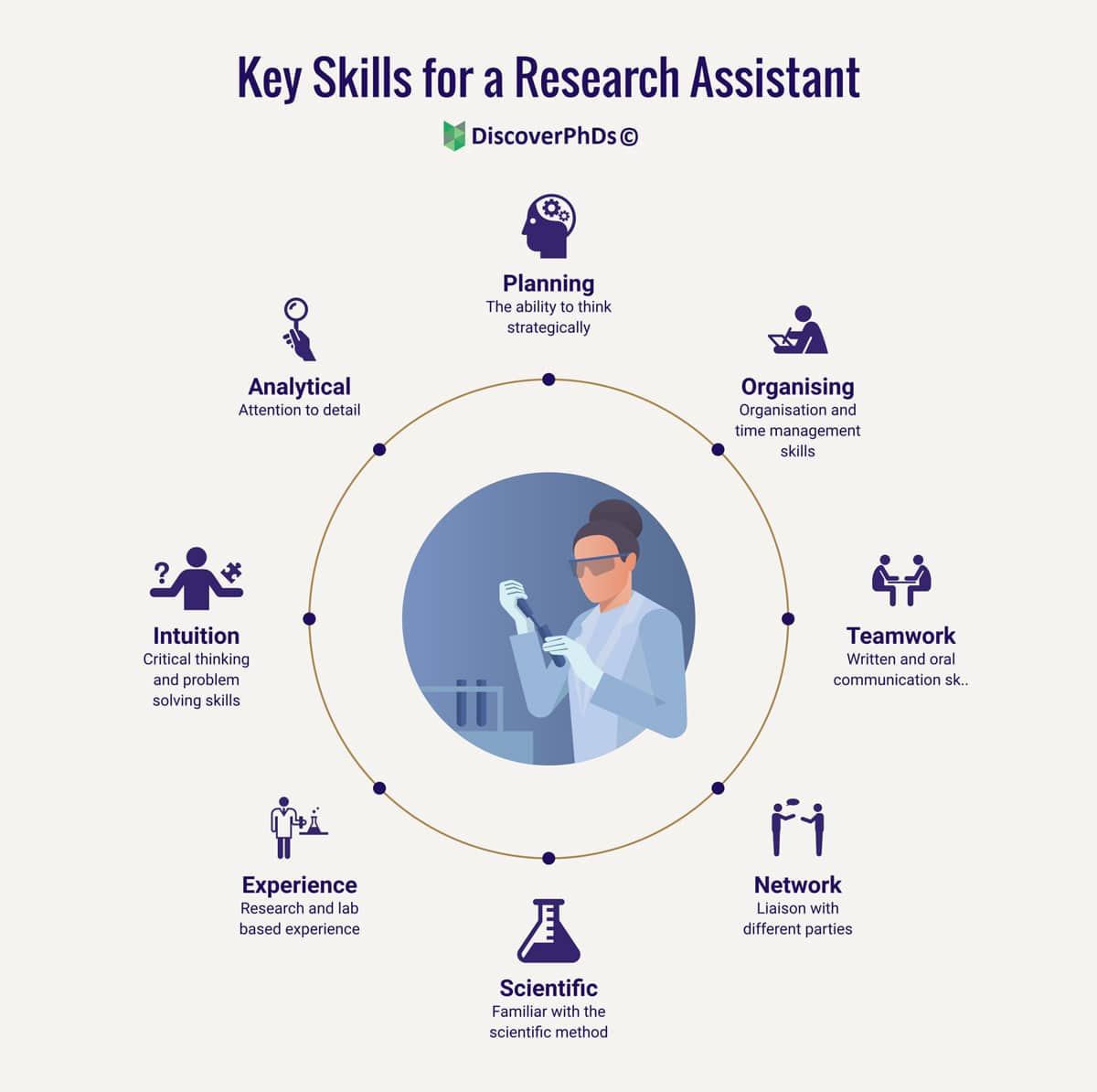
The primary function of a Research Assistant in a financial context is to provide the analytical foundation upon which senior analysts and portfolio managers build their strategies. They are the frontline scouts of the financial world, tasked with monitoring market shifts before they become mainstream news.
Bridging the Gap Between Raw Data and Investment Decisions
In today’s economy, we are overwhelmed with data, but we suffer from a scarcity of insight. A Research Assistant’s job is to bridge this gap. This involves sifting through massive datasets—ranging from consumer spending habits to global supply chain disruptions—and identifying the “signal” within the “noise.” For an investment firm, this means the RA is responsible for ensuring that no stone is left unturned. If a company’s quarterly earnings are about to drop, the RA has already analyzed the previous five years of performance, the current macroeconomic climate, and the sentiment of the competitors’ C-suite executives.
Supporting Portfolio Managers and Analysts
Portfolio managers are responsible for making the final “buy” or “sell” decisions that involve millions, sometimes billions, of dollars. However, they rarely have the time to perform deep-dive technical research on every individual asset. The Research Assistant acts as their intellectual support system. By preparing detailed briefings, summaries of industry trends, and risk assessments, the RA allows the senior decision-makers to focus on high-level strategy. This symbiotic relationship is what allows financial institutions to scale their operations and manage diverse portfolios effectively.
Key Responsibilities: From Market Surveillance to Financial Modeling
To understand what a Research Assistant does, one must look at the specific, technical tasks they perform daily. Their work is a blend of quantitative mathematics, qualitative investigative journalism, and rigorous financial accounting.
Data Mining and Sector Analysis
Every investment thesis begins with a hypothesis about a specific sector. An RA might be tasked with investigating the renewable energy sector or the rise of fintech in emerging markets. This involves “data mining”—gathering information from SEC filings (such as 10-Ks and 10-Qs), industry journals, and proprietary databases. Once the data is gathered, the RA performs a sector analysis to determine where the industry is in its current cycle. Is it oversaturated? Is there a high barrier to entry? Who are the “disruptors”? Answering these questions is the bread and butter of the RA role.
Constructing and Maintaining Financial Models
Perhaps the most technical aspect of what an RA does is financial modeling. Using tools like Microsoft Excel, R, or Python, the Research Assistant builds complex models to predict a company’s future performance. This includes Discounted Cash Flow (DCF) analysis, leveraged buyout (LBO) models, and sensitivity analyses. These models are not static; the RA must constantly update them with new information as market conditions change. A shift in interest rates by the Federal Reserve, for example, requires an RA to immediately adjust the “discount rate” in their models to see how it affects the net present value of a firm’s future earnings.
Due Diligence and Risk Assessment
Before any capital is deployed, a process of due diligence must occur. The Research Assistant investigates the “health” of a potential investment. This goes beyond the balance sheet; it includes looking at legal risks, management integrity, and ESG (Environmental, Social, and Governance) scores. They look for “red flags” that might indicate a company is inflating its numbers or that a market bubble is about to burst. In the niche of personal finance and side hustles, this same skill set allows individuals to vet their own investment opportunities, ensuring they aren’t falling for “get-rich-quick” schemes but are instead putting money into sustainable assets.

The Path to High Earnings: How the RA Role Fuels Career Growth
The role of a Research Assistant is often a “finishing school” for the future elite of the financial world. It is a high-pressure environment, but the financial rewards and the career trajectory it offers are virtually unparalleled in other sectors.
Entering the World of Equity Research and Hedge Funds
For many, being an RA is the first step toward becoming a Lead Analyst or a Fund Manager. In equity research, RAs help write the reports that individual and institutional investors use to make decisions. Because the stakes are so high, compensation for these roles is aggressive. Even at the entry level, RAs at top-tier firms can earn significant bonuses based on the accuracy of their research and the performance of the funds they support. It is a meritocratic path where the ability to generate “Alpha”—returns that beat the market average—is the ultimate measure of success.
Utilizing Research Skills for Personal Wealth Building
Beyond the corporate ladder, the skills learned as a Research Assistant are incredibly lucrative when applied to personal finance and side hustles. An RA understands how to read a balance sheet, how to calculate the internal rate of return (IRR), and how to identify market inefficiencies. Many former RAs transition into “Solopreneurship,” using their analytical skills to run successful trading desks, launch financial advisory blogs, or invest in real estate. The ability to research a market deeply is a “meta-skill” that pays dividends across any business venture.
Essential Tools and Technologies for the Modern Financial RA
The image of an assistant buried under a mountain of paper is a relic of the past. Today’s Research Assistant is a tech-savvy professional who utilizes cutting-edge software to maintain a competitive edge in the money markets.
Leveraging Bloomberg Terminals and Fintech Software
The Bloomberg Terminal is the “gold standard” tool for any financial RA. It provides real-time data, news feeds, and messaging across the global financial community. A Research Assistant spends hours on the terminal, tracking bond yields, currency fluctuations, and commodity prices. Additionally, they use specialized fintech tools like FactSet, S&P Capital IQ, and Morningstar to pull historical data and perform peer group comparisons. Mastery of these tools is what separates a mediocre assistant from a high-value researcher.
The Integration of AI in Financial Forecasting
The modern Research Assistant is increasingly becoming an orchestrator of Artificial Intelligence. Instead of manually reading 500-page annual reports, RAs now use AI-driven Natural Language Processing (NLP) tools to summarize key findings and sentiment changes in CEO scripts. They use machine learning algorithms to spot patterns in historical price movements that the human eye might miss. However, the RA remains essential because AI cannot yet replicate the “human judgment” required to understand the nuances of geopolitical risk or the psychological elements of market panic.
Conclusion: The Value of Precision in a Data-Driven Economy
To ask “what a research assistant does” is to ask how wealth is created and protected in the modern age. They are the architects of the information age’s financial structures. By meticulously gathering data, building robust financial models, and conducting exhaustive due diligence, Research Assistants ensure that capital is allocated efficiently.
For the professional, it is a demanding role that offers a masterclass in how the world’s money moves. For the firm, the RA is a safeguard against volatility and a hunter of opportunity. In an era where “fake news” and market hype can lead to disastrous financial decisions, the rigorous, evidence-based work of the Research Assistant is more valuable than ever. Whether you are looking to break into Wall Street or simply want to understand the mechanics of high-level business finance, the principles of the RA role—precision, curiosity, and analytical rigor—are the foundations of lasting financial success.
aViewFromTheCave is a participant in the Amazon Services LLC Associates Program, an affiliate advertising program designed to provide a means for sites to earn advertising fees by advertising and linking to Amazon.com. Amazon, the Amazon logo, AmazonSupply, and the AmazonSupply logo are trademarks of Amazon.com, Inc. or its affiliates. As an Amazon Associate we earn affiliate commissions from qualifying purchases.