
Subsonic bullets represent a specialized category of ammunition engineered to operate below the speed of sound. This fundamental design principle leverages advanced physics and material science to achieve distinct performance characteristics, primarily focused on acoustic reduction and controlled ballistic behavior. Understanding subsonic ammunition requires a deep dive into the principles of aerodynamics, propellant chemistry, and the complex interaction between a projectile and the surrounding atmosphere.
The Physics Behind Subsonic Flight
The core distinction of a subsonic bullet lies in its velocity relative to the speed of sound. The speed of sound, approximately 1,125 feet per second (fps) or 343 meters per second (m/s) at standard atmospheric conditions (sea level, 59°F/15°C), is a critical threshold in ballistics. Exceeding this speed introduces a host of aerodynamic phenomena that are purposefully avoided in subsonic designs.

Understanding the Sound Barrier and Shockwaves
When an object travels through air, it displaces air molecules. If the object moves slower than the speed at which these air molecules can propagate information (i.e., the speed of sound), the air has time to move out of the way smoothly. However, as an object approaches and then exceeds the speed of sound, it begins to “catch up” to its own pressure waves. These pressure waves then coalesce into a shockwave, which is perceived as a “sonic boom” or “crack.”
For a conventional supersonic bullet, this sonic crack is a significant component of the overall sound signature, often louder than the gunshot report itself. This shockwave is generated continuously along the bullet’s flight path as long as it remains supersonic. The formation of these shockwaves consumes energy, affects aerodynamic stability, and creates a distinct noise.
Supersonic vs. Subsonic Aerodynamics
Supersonic bullets are designed to cut through the air at high speeds, often prioritizing flat trajectories and maximum kinetic energy transfer at range. Their aerodynamic profiles often feature sharp noses and boat-tail designs to reduce drag at supersonic velocities, despite the inherent drag penalty associated with shockwave formation. The engineering challenge for supersonic rounds is managing the effects of these shockwaves on stability and accuracy.
Subsonic bullets, by contrast, are engineered to remain below the speed of sound for their entire effective flight path. This design choice fundamentally alters their aerodynamic interaction with the air. By avoiding the formation of shockwaves, subsonic bullets bypass the intense drag and turbulent flow associated with supersonic flight. The primary aerodynamic challenge for subsonic bullets is maintaining stability and efficiency at lower velocities, where factors like spin stabilization and precise balance become even more critical. Their profiles often emphasize stability and quiet flight over raw speed, sometimes featuring blunt noses to ensure the projectile doesn’t inadvertently “tip” into supersonic speeds during its journey.
The Role of Velocity and Mach Number
Velocity is paramount in ballistic design. For subsonic ammunition, the muzzle velocity is meticulously controlled to ensure it never crosses the Mach 1 threshold (the speed of sound). This control is influenced by the bullet’s mass, the propellant charge, and the barrel length. Ballistic engineers must account for varying environmental conditions—temperature, altitude, and humidity—all of which affect the local speed of sound. A bullet that is reliably subsonic at sea level on a cold day might become marginally supersonic at high altitude on a hot day if its design margins are not sufficiently conservative. Precision engineering ensures that the bullet remains consistently below Mach 1, offering predictable performance across a range of conditions.
Engineering Subsonic Performance
Achieving reliable subsonic performance is a complex engineering task that requires careful calibration of several interdependent factors. It’s not simply a matter of reducing powder; it involves a holistic approach to bullet design, propellant formulation, and often, the integration with sound suppression technology.
Bullet Weight, Design, and Stability
To maintain sufficient kinetic energy and stability at lower velocities, subsonic bullets are typically heavier than their supersonic counterparts of the same caliber. This increased mass helps retain momentum, improving downrange energy and reducing susceptibility to wind drift. However, simply increasing mass is not enough. The bullet’s physical design—its length, diameter, ogive (nose shape), and boat-tail or flat-base configuration—is critical for achieving stable flight and proper terminal ballistics.
Heavier, longer bullets require a faster rifling twist rate in the barrel to impart sufficient gyroscopic stability. Without adequate spin, a longer, heavier bullet can yaw or tumble in flight, severely impacting accuracy and consistency. Engineering these bullets involves finite element analysis and extensive aerodynamic modeling to optimize shape and ensure stability at velocities that do not benefit from the stabilizing effects of supersonic shock cone dynamics.
Propellant Chemistry and Controlled Velocity
The propellant charge in a subsonic round is engineered for precise velocity control. Unlike supersonic ammunition, which often aims for maximum velocity, subsonic propellants are formulated to generate specific, lower pressures and muzzle velocities. This requires propellants with particular burn rates that can efficiently accelerate a heavier bullet to just below the speed of sound without causing overpressure or inconsistencies.
Propellant consistency is vital for accuracy. Variations in powder charge or burn rate can lead to significant velocity fluctuations, potentially causing some rounds to become supersonic while others remain subsonic, or leading to significant point-of-impact shifts. Modern manufacturing techniques and quality control ensure highly uniform propellant loads, contributing to the consistent ballistic performance expected from high-quality subsonic ammunition.
The Synergy with Sound Suppressors
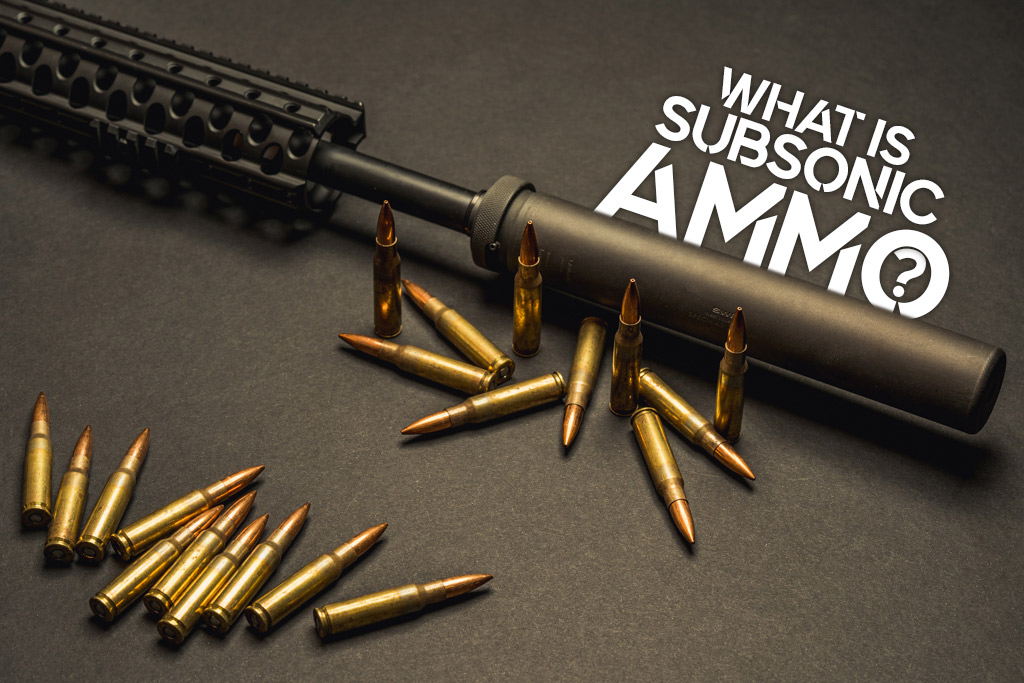
While subsonic ammunition itself eliminates the sonic crack, the gunshot report from the expanding gases at the muzzle remains. This is where sound suppressors (often colloquially called “silencers”) become integral. A sound suppressor is a device attached to the muzzle of a firearm designed to reduce the acoustic intensity of the gunshot. It does this by containing and slowing the escape of propellant gases, allowing them to cool and expand over a longer period before venting into the atmosphere.
The combination of subsonic ammunition and a sound suppressor is the most effective way to achieve significant noise reduction. Subsonic rounds eliminate the supersonic crack, while the suppressor mitigates the muzzle blast. The synergy between these two technologies results in a firearm system that operates with drastically reduced noise levels, making it suitable for sensitive environments or applications where discretion is paramount.
Advantages and Specialized Applications
The unique characteristics of subsonic bullets lend them to specific applications where reduced noise, discretion, and particular terminal ballistic performance are prioritized over sheer velocity or extreme long-range capability.
Acoustic Signature Reduction
The primary advantage of subsonic ammunition is its vastly reduced acoustic signature. By eliminating the sonic boom, the sound profile of a gunshot is limited to the mechanical action of the firearm and the moderated muzzle blast (when paired with a suppressor). This makes subsonic rounds invaluable for training in noise-sensitive areas, covert operations, pest control near residences, or simply for recreational shooting without disturbing others or requiring heavy hearing protection. For hunters, it can reduce disturbance to surrounding wildlife and minimize ear fatigue.
Precision and Terminal Ballistics in Subsonic Regimes
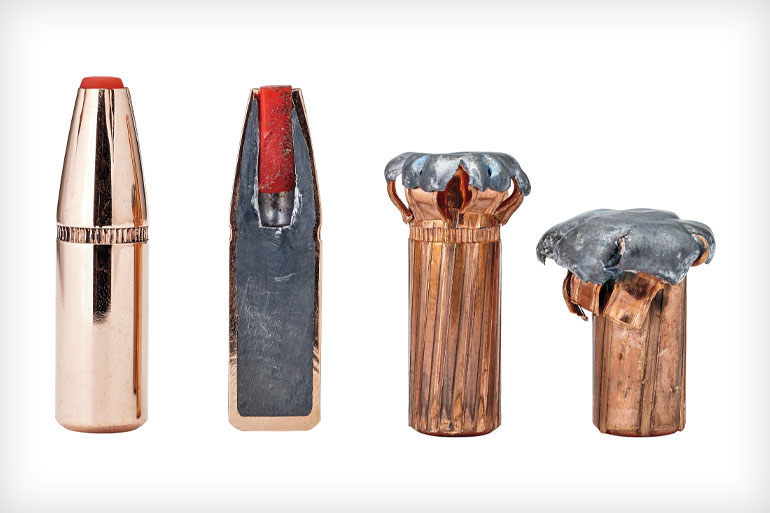
While subsonic bullets travel slower, their increased mass helps them retain energy and momentum. For effective terminal ballistics (how a bullet behaves upon impact with a target), subsonic rounds are often designed with specific expansion characteristics. Many feature expanding hollow-point designs that are optimized to reliably expand at lower impact velocities, creating a larger wound channel and transferring kinetic energy efficiently.
Precision at closer to medium ranges can be excellent with subsonic ammunition, especially when paired with a firearm optimized for its use. The absence of transonic buffeting (the turbulent aerodynamic forces experienced as a bullet transitions from supersonic to subsonic speeds) can actually lead to increased accuracy for some rounds over certain distances, as the bullet maintains a more stable flight path.
Strategic Use Cases: From Hunting to Tactical Operations
Subsonic ammunition finds its place in various niche yet critical applications:
- Hunting: Particularly for smaller game or for hunters who prioritize discretion and minimizing disturbance to other animals or nearby properties.
- Tactical and Law Enforcement: For operations requiring stealth, reduced noise pollution, or when using night vision equipment where muzzle flash reduction is also beneficial.
- Sport Shooting and Training: For reducing noise at ranges, preserving hearing, and making training more comfortable, especially for new shooters.
- Pest Control: Where minimal noise is crucial to avoid disturbing livestock, residents, or drawing unwanted attention.
Technological Evolution and Future Directions
The field of ammunition technology, including subsonic rounds, continues to evolve through advancements in materials, manufacturing, and propellant science. These innovations aim to push the boundaries of performance, consistency, and versatility.
Advanced Materials and Manufacturing
New alloys and composite materials are being explored for bullet construction to further optimize weight distribution, stability, and terminal performance. Precision manufacturing techniques, such as CNC machining and advanced molding processes, allow for incredibly tight tolerances in bullet dimensions. This level of precision is crucial for ensuring consistent aerodynamic performance and ballistic coefficients, especially for longer, heavier subsonic projectiles where even minor imperfections can lead to instability. The development of environmentally friendly (lead-free) bullet materials also presents an ongoing area of research, balancing performance with ecological considerations.
Propellant Innovation for Consistent Performance
Research into new propellant formulations continues, focusing on achieving stable burn rates across a wider range of temperatures and pressures. The goal is to produce even more consistent muzzle velocities, which directly translates to improved accuracy and ensures the bullet remains reliably subsonic under diverse environmental conditions. Advanced propellant coatings and geometries are also being investigated to optimize energy transfer and reduce fouling, enhancing firearm longevity and reliability.
The Future of Integrated Ballistic Systems
Looking forward, the development of subsonic ammunition will likely integrate more deeply with other technological advancements in the firearms ecosystem. This includes:
- Smart Suppressors: Suppressors with integrated sensors that could monitor gas pressures or temperatures, providing data for optimization.
- Advanced Optics and Ballistic Calculators: Optics equipped with advanced rangefinding and environmental sensors that can automatically adjust for subsonic bullet drop and windage, accounting for their unique ballistic trajectories.
- Modular Ammunition Systems: Designs that allow for greater customization of bullet components for specific performance needs, potentially even field-swappable characteristics for specialized operations.
The pursuit of quieter, more efficient, and more precise ammunition continues to drive innovation in the technological realm of subsonic bullets, cementing their role as a sophisticated solution for specific performance demands.
aViewFromTheCave is a participant in the Amazon Services LLC Associates Program, an affiliate advertising program designed to provide a means for sites to earn advertising fees by advertising and linking to Amazon.com. Amazon, the Amazon logo, AmazonSupply, and the AmazonSupply logo are trademarks of Amazon.com, Inc. or its affiliates. As an Amazon Associate we earn affiliate commissions from qualifying purchases.