
Understanding the operational timings of stock markets is fundamental for anyone participating in or considering entering the world of investing. Far from a simple 9-to-5 schedule, stock market hours are a dynamic landscape that varies by exchange, geography, and even specific trading periods within a single day. For new investors, deciphering these hours can seem daunting, but for seasoned traders, it represents a strategic dimension of their investing approach. This comprehensive guide will demystify stock market hours, exploring the standard trading day, extended hours, global market timings, and their practical implications for investors.
The Standard Trading Day: A Closer Look
At the core of equity trading lies the “regular trading session,” a defined window during which the vast majority of transactions occur. This period is characterized by high liquidity, robust price discovery, and active participation from a wide range of market participants, from individual investors to institutional giants.
New York Stock Exchange (NYSE) and NASDAQ Regular Hours
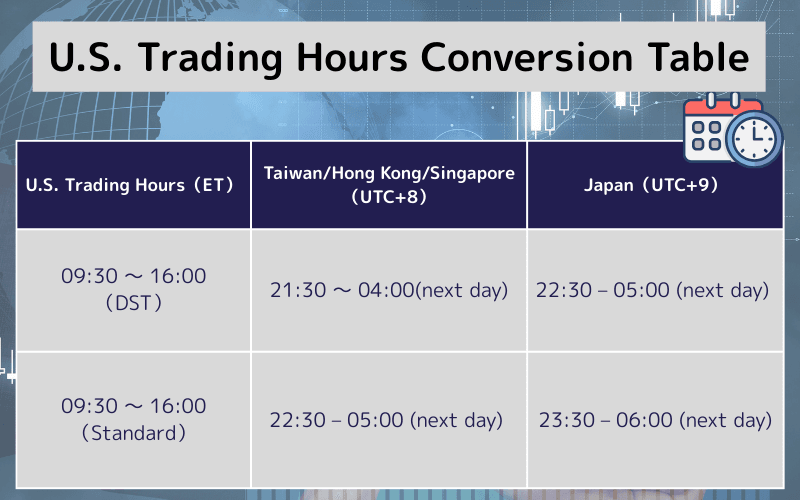
In the United States, the two primary stock exchanges, the New York Stock Exchange (NYSE) and the NASDAQ, operate on a remarkably consistent schedule. Both exchanges are open for regular trading from 9:30 AM to 4:00 PM Eastern Time (ET), Monday through Friday. This 6.5-hour window is the backbone of the U.S. stock market. During these hours, buyers and sellers actively place orders, executing trades based on current market prices. This period is often the most stable and predictable for price movements, though volatility can surge during significant news announcements or economic data releases. It’s crucial for investors to remember that these hours apply to the physical time zone of the exchanges, which has significant implications for those operating from different parts of the country or world.
Time Zones and Their Impact
The standard 9:30 AM to 4:00 PM ET schedule is fixed for the exchanges, but its perception changes dramatically depending on an investor’s geographical location. For instance:
- An investor on the West Coast (Pacific Time, PT) experiences these hours as 6:30 AM to 1:00 PM PT.
- Someone in the Central Time Zone (CT) observes them as 8:30 AM to 3:00 PM CT.
- In the Mountain Time Zone (MT), it’s 7:30 AM to 2:00 PM MT.
This time zone differential is not merely an inconvenience; it can significantly influence an individual’s ability to actively monitor their investments, react to market news in real-time, or place timely orders. West Coast investors, for example, might find themselves starting their trading day quite early, while East Coast investors might find their market day concluding well before their typical workday ends. Understanding your local time equivalent to ET is paramount for effective market participation.
Understanding Trading Days vs. Calendar Days (Weekends & Holidays)
While the stock market operates on weekdays, it’s not every weekday. U.S. stock exchanges observe several national holidays, during which they remain closed. These typically include New Year’s Day, Martin Luther King, Jr. Day, Presidents’ Day, Good Friday, Memorial Day, Juneteenth National Independence Day, Independence Day, Labor Day, Thanksgiving Day, and Christmas Day. On certain occasions, like the day after Thanksgiving (Black Friday), the market might have an early close, typically at 1:00 PM ET. These closures are publicly announced well in advance by the exchanges, and brokers usually provide their clients with updated schedules. Investing on weekends or holidays is not possible through direct exchange trading, though certain financial instruments or foreign exchange markets may operate. For equity investors, these periods serve as breaks for market participants and are often used for research and portfolio re-evaluation.
Beyond Regular Hours: Extended Trading
The traditional 6.5-hour trading window isn’t the only time stocks are bought and sold. Modern electronic trading systems have opened up “extended hours” trading, allowing transactions to occur before the market officially opens (pre-market) and after it closes (after-hours). These sessions cater to a different set of needs and present unique opportunities and risks.
Pre-Market Trading Explained
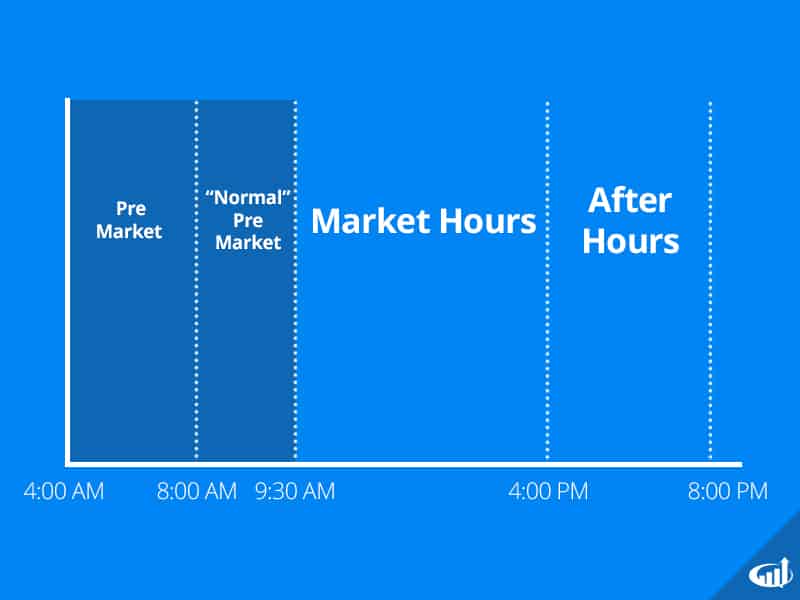
Pre-market trading typically begins as early as 4:00 AM ET and runs until the market opens at 9:30 AM ET. During this period, institutional investors, hedge funds, and sophisticated individual traders can execute orders based on news released overnight or early in the morning. Earnings reports, analyst upgrades/downgrades, and significant global news events often trigger substantial price movements in pre-market trading. The volume of trading is generally much lower than in regular hours, and bid-ask spreads (the difference between the highest price a buyer is willing to pay and the lowest price a seller is willing to accept) can be wider. This reduced liquidity can lead to higher volatility and larger price swings on relatively small trading volumes, making it a riskier environment for less experienced investors.
After-Hours Trading: Opportunities and Risks
After-hours trading picks up right after the regular session closes at 4:00 PM ET and can extend as late as 8:00 PM ET. Similar to pre-market, this session is characterized by lower liquidity and wider spreads. News breaking after the market closes—such as late-day earnings announcements, corporate mergers, or government policy changes—can dramatically impact stock prices during after-hours trading. For investors seeking to react quickly to such news or manage their positions outside of standard hours, after-hours trading offers flexibility. However, the same risks associated with pre-market trading apply: reduced liquidity can lead to significant price dislocations, and orders may be harder to fill at desired prices.
Why Extended Hours Exist
Extended trading hours primarily exist due to the globalization of financial markets and the continuous flow of information. With major companies operating 24/7 across different time zones, and news breaking at any given moment, the need to react to these developments outside of the standard 9:30 AM to 4:00 PM window became apparent. They allow investors to:
- React swiftly to news: Respond to company announcements or global events before or after the regular session.
- Manage international exposure: Align trading activities with market movements in other parts of the world.
- Flexibility: Accommodate traders whose schedules conflict with regular market hours.
- Risk management: Adjust portfolios in response to unexpected events.
However, it’s critical for investors to understand that not all brokers offer the full range of extended trading hours, and their execution capabilities during these times may vary.
Global Markets: A 24/7 World of Opportunity
While U.S. investors primarily focus on NYSE and NASDAQ hours, the global financial landscape offers a continuous cycle of trading opportunities. The world’s major stock exchanges are staggered across different time zones, creating a near 24-hour trading environment for various assets.
Major International Exchanges and Their Hours
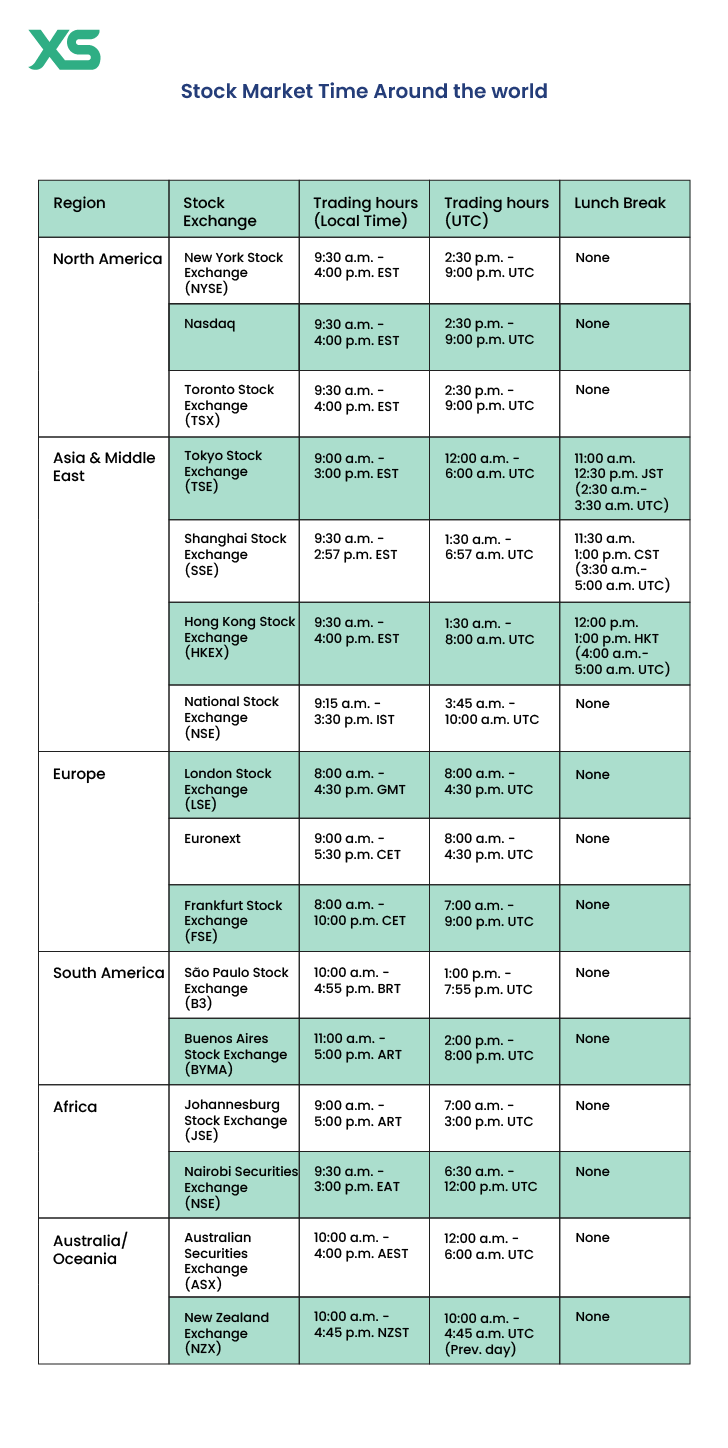
Understanding the operating hours of key international exchanges is vital for investors with diversified portfolios or those interested in global macroeconomic trends:
- London Stock Exchange (LSE): 8:00 AM to 4:30 PM GMT (Greenwich Mean Time).
- Tokyo Stock Exchange (TSE): 9:00 AM to 3:00 PM JST (Japan Standard Time), with a lunch break from 11:30 AM to 12:30 PM.
- Shanghai Stock Exchange (SSE): 9:30 AM to 3:00 PM CST (China Standard Time), also with a lunch break from 11:30 AM to 1:00 PM.
- Hong Kong Stock Exchange (HKEX): 9:30 AM to 4:00 PM HKT (Hong Kong Time), with a lunch break from 12:00 PM to 1:00 PM.
- Euronext (Paris, Amsterdam, Brussels, Lisbon): Generally 9:00 AM to 5:30 PM CET (Central European Time).
- Australian Securities Exchange (ASX): 10:00 AM to 4:00 PM AEST (Australian Eastern Standard Time).
These examples illustrate the diverse timing, lunch breaks, and time zones involved. For investors trading international stocks or ETFs, being aware of these hours is crucial for trade execution and monitoring.
The Concept of Overlapping Trading Sessions
One of the most fascinating aspects of global market hours is the concept of overlapping trading sessions. For example, during the early part of the U.S. trading day (9:30 AM ET onwards), both the London Stock Exchange and other European markets are still open. This overlap, typically between 8:00 AM ET and 12:00 PM ET (when London closes), often sees increased liquidity and volatility, as major financial centers are simultaneously active. Similarly, there’s an overlap between Asian markets and European markets. These overlaps can provide strategic windows for investors to capitalize on global news or arbitrage opportunities, but they also mean that market-moving events from one region can quickly influence others.
Implications for International Investors
For investors looking to diversify internationally, the staggered global hours mean that “the market” is effectively open almost 24/7 somewhere in the world. This necessitates a global perspective and an understanding of how events in one time zone can ripple across others.
- Currency implications: Trading in foreign markets involves currency exchange, which can add another layer of complexity and risk.
- Regulatory differences: Each exchange operates under its own regulatory framework, which international investors must be aware of.
- Data availability: Access to real-time data and news for foreign markets might differ from domestic markets.
- Brokerage capabilities: Not all brokers offer direct access to all international exchanges, and fees for foreign transactions can be higher.
Factors Influencing Trading Hours and Market Closures
Beyond standard schedules, several factors can alter or interrupt regular trading hours, making it essential for investors to stay informed.
Public Holidays and Exchange Closures
As mentioned, national holidays are the most common reason for full-day market closures. These are typically consistent year-to-year and are published by the exchanges in advance. It’s imperative for investors to consult their brokerage’s holiday schedule or the exchange’s official calendar to avoid missed trading opportunities or unexpected delays in order execution.
Early Closures and Circuit Breakers
While full-day closures are common, early closures are less frequent but equally important. These often occur on specific days like the day before or after certain holidays (e.g., Black Friday for the U.S. market).
More dramatically, “circuit breakers” are temporary trading halts enacted by exchanges during periods of extreme market volatility. These mechanisms are designed to slow down rapid market declines, give investors time to process information, and prevent panic selling. In the U.S., NYSE and NASDAQ have specific thresholds (e.g., 7%, 13%, and 20% drops in the S&P 500) that trigger these halts, which can last from 15 minutes to the remainder of the trading day depending on the severity and time of the drop.
Market Volatility and Unscheduled Pauses
Beyond circuit breakers, individual stocks can also experience trading pauses. If a stock experiences extreme price movements without apparent news, or if a company is about to release significant news, exchanges might temporarily halt trading in that specific stock. This allows time for the market to assimilate information or for the company to clarify the situation, preventing disorderly trading. These unscheduled pauses, while less common than regular closures, highlight the dynamic nature of market operations. Technology glitches, system failures, or even major national emergencies can also lead to temporary or unscheduled market closures.
Practical Implications for Investors
Understanding stock market hours is not just an academic exercise; it has tangible implications for how investors strategize and execute their trades.
Strategic Trading During Different Sessions
- Regular Hours: Ideal for most investors due to high liquidity, tighter spreads, and greater transparency. Best for executing larger orders or for those who prefer to trade with minimal volatility outside of major news events.
- Pre-Market/After-Hours: Suited for experienced traders comfortable with higher risk and volatility. Useful for reacting instantly to news, but requires careful attention to liquidity and spread differentials. Limit orders are highly recommended to control execution prices.
Order Types: Market Orders vs. Limit Orders
The choice of order type becomes especially critical when considering market hours:
- Market Orders: An instruction to buy or sell immediately at the best available current price. While reliable during regular hours with high liquidity, market orders can be very risky during extended hours or periods of low liquidity, potentially leading to execution at significantly unfavorable prices due to wide bid-ask spreads.
- Limit Orders: An instruction to buy or sell at a specified price or better. This order type is generally preferred during extended trading hours or for volatile stocks, as it protects investors from adverse price movements by ensuring the trade only executes if the desired price is met.
Accessing Market Information During Off-Hours
Even when markets are closed, information continues to flow. Investors should leverage financial news outlets, company investor relations websites, and economic calendars to stay updated on developments that could impact market opening prices. Many brokerage platforms offer pre-market and after-hours data feeds, though these may be delayed or less comprehensive than real-time data during regular hours.
The Role of Automated Trading and Algorithms
For institutional investors and sophisticated traders, automated trading systems and algorithms play a significant role in managing positions across different market hours. These systems can monitor global markets 24/7, execute trades based on pre-defined rules, and even participate in extended hours trading with minimal human intervention. While not directly accessible to most retail investors, the presence of these algorithms can influence price action during all trading sessions.
Conclusion: Maximizing Your Understanding of Market Timing
The question “What are stock market hours?” opens a Pandora’s Box of insights into the operational intricacies of financial markets. From the familiar 9:30 AM to 4:00 PM ET regular session to the less liquid but strategically vital pre-market and after-hours segments, and extending to the continuous cycle of global exchanges, market timing is a multifaceted dimension of investing.
For every investor, understanding these timings is paramount. It dictates when you can trade, how best to place your orders, and how external news might influence your portfolio. By respecting the nuances of market hours, acknowledging the risks of extended sessions, and staying informed about global developments, investors can position themselves more effectively to navigate the dynamic and often exhilarating world of stock market investing, transforming mere knowledge into a powerful strategic advantage.
aViewFromTheCave is a participant in the Amazon Services LLC Associates Program, an affiliate advertising program designed to provide a means for sites to earn advertising fees by advertising and linking to Amazon.com. Amazon, the Amazon logo, AmazonSupply, and the AmazonSupply logo are trademarks of Amazon.com, Inc. or its affiliates. As an Amazon Associate we earn affiliate commissions from qualifying purchases.