
In an era defined by rapid economic shifts and evolving consumer demands, the pursuit of a “good business idea” is more than just a quest for novelty; it’s a strategic exploration into opportunities for financial independence, wealth creation, and sustainable growth. For many, the allure of entrepreneurship lies in the promise of escaping the conventional nine-to-five, building something meaningful, and directly impacting their financial future. This article delves into a diverse array of business ideas, meticulously filtered through a lens of financial viability, scalability, and market demand, empowering aspiring and established entrepreneurs to identify ventures that align with their monetary aspirations and economic realities.
The landscape of modern business is incredibly fertile, offering avenues ranging from leveraging digital platforms for online income to establishing robust service-based ventures and innovative product lines. The key to unlocking these opportunities lies not just in identifying a gap in the market, but in understanding the underlying financial mechanics – startup costs, potential profit margins, cash flow management, and long-term scalability. This comprehensive guide aims to illuminate pathways to profitable enterprises, focusing explicitly on the financial dimensions that dictate success in today’s dynamic marketplace.
Identifying Lucrative Opportunities: The Financial Foundation
Every successful business begins with an idea, but a “good” business idea is one that not only solves a problem or fulfills a need but also demonstrates clear potential for financial return. This fundamental principle requires a keen understanding of market dynamics and a pragmatic approach to revenue generation.
Market Research and Niche Identification
The first step in uncovering a financially viable business idea is rigorous market research. This involves scrutinizing existing markets to identify underserved segments or emerging trends where consumer spending is robust. A niche market, though smaller, often presents less competition and a more concentrated demand, allowing businesses to capture a higher market share and command premium pricing. For instance, instead of broadly targeting “fitness enthusiasts,” focusing on “fitness programs for busy parents over 40” allows for tailored services and more effective marketing, leading to better conversion rates and financial efficiency. Analyzing market size, growth potential, and consumer spending habits within a chosen niche is crucial for predicting revenue streams and assessing the financial runway required.
Solving Real Problems
The most financially successful businesses are those that provide tangible solutions to real problems. Whether it’s simplifying a complex task, fulfilling an unmet desire, or improving an existing product or service, value creation is directly linked to income generation. When a business genuinely solves a pain point for its target audience, customers are more willing to pay for that solution. Consider businesses that streamline financial management for small businesses, offer convenient healthy meal delivery, or provide accessible education for in-demand skills. Each addresses a clear need, translating directly into customer loyalty and consistent revenue. The depth of the problem dictates the perceived value of the solution, which in turn influences pricing power and overall profitability.
Understanding Profit Margins
Before committing to any business idea, a thorough understanding of potential profit margins is indispensable. This involves evaluating the cost of goods sold (COGS) or the cost of delivering a service, operating expenses, and projected revenue. Businesses with high-profit margins inherently possess more resilience and greater capacity for reinvestment and growth. For example, a software-as-a-service (SaaS) business often boasts high-profit margins due to low incremental costs after initial development, making it financially attractive. Conversely, businesses with razor-thin margins require exceptionally high volume to be profitable and are more susceptible to economic downturns. Financial modeling, including break-even analysis and projected income statements, is vital for assessing the long-term monetary viability of an idea.
Leveraging Digital Platforms for Online Income
The internet has democratized entrepreneurship, offering an unprecedented array of opportunities for individuals to generate online income, start side hustles, or build full-scale digital enterprises. These ventures often benefit from lower overheads and broader market reach compared to traditional brick-and-mortar businesses.
E-commerce and Dropshipping
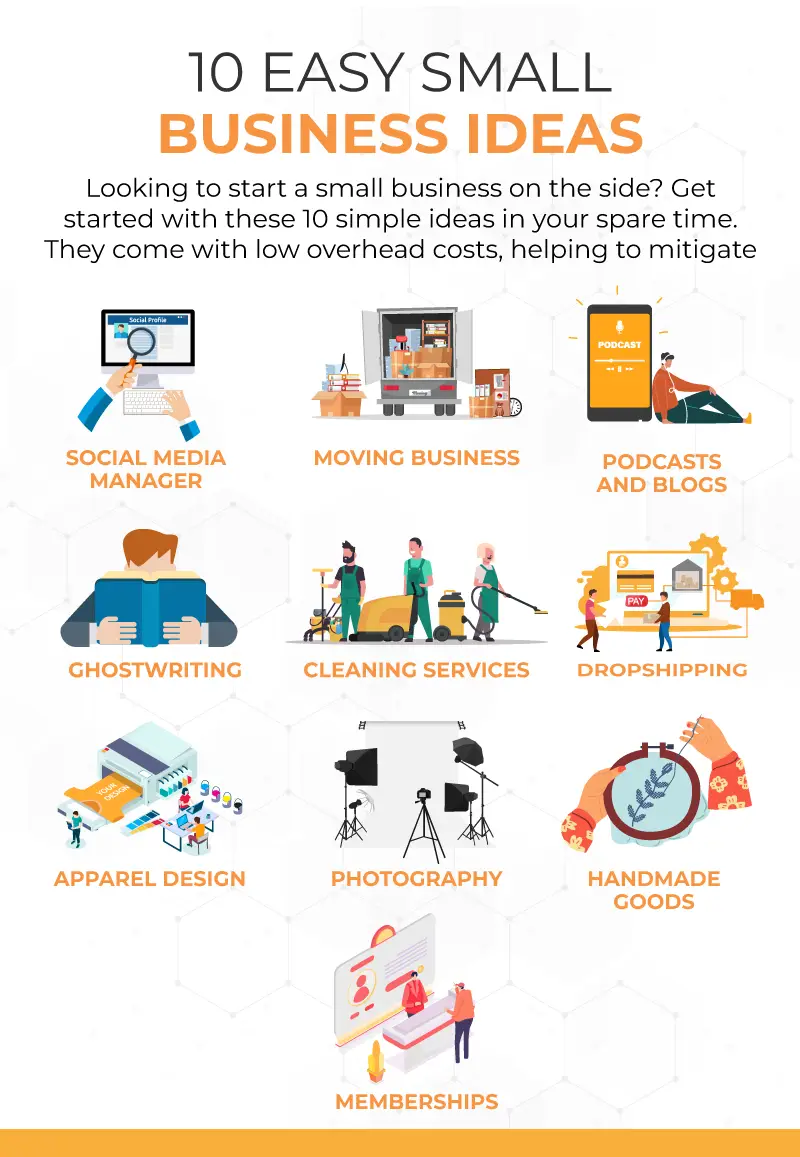
E-commerce remains a powerhouse for online income, allowing individuals to sell products directly to consumers worldwide. From artisanal crafts to curated fashion, the potential is vast. Dropshipping, a specific e-commerce model, further reduces financial risk by eliminating the need for inventory management. Entrepreneurs can set up an online store, market products, and when a sale is made, a third-party supplier ships the product directly to the customer. This model significantly lowers startup capital requirements, making it an attractive side hustle for those looking to test product ideas with minimal financial commitment. Success hinges on strategic product selection, effective digital marketing, and managing supplier relationships to maintain healthy profit margins and customer satisfaction.
Content Creation and Monetization
For those with a knack for communication or expertise in a particular field, content creation offers multiple avenues for monetization. Blogging, YouTube channels, podcasts, and social media platforms can generate income through advertising revenue, sponsorships, affiliate marketing, and direct sales of digital products or services. The financial journey typically involves building an audience, consistently delivering valuable content, and then strategically integrating monetization methods. While it can take time to build a substantial audience, the long-term income potential, especially through diversified revenue streams, can be significant. This approach emphasizes building an asset (your audience and content library) that continues to generate passive income over time.
Online Course Development and Coaching
Expertise is a valuable currency, and the digital age has made it easier than ever to package and sell knowledge. Developing online courses on platforms like Teachable or Udemy allows individuals to teach skills, share insights, or offer certification in their niche. Once created, a well-designed course can generate passive income for years with minimal ongoing effort. Similarly, online coaching and consulting services cater to individuals or businesses seeking personalized guidance. This high-value service can command premium rates, offering an excellent income stream for experienced professionals. Both models leverage intellectual capital to create scalable and profitable digital products or services, requiring less initial financial outlay than traditional businesses.
Freelance Services and Consulting
The gig economy continues to expand, creating robust demand for freelance professionals in areas such as writing, graphic design, web development, digital marketing, virtual assistance, and financial consulting. Platforms like Upwork, Fiverr, and LinkedIn provide a marketplace for connecting freelancers with clients. This is an ideal path for those seeking flexible work, supplementary income, or a pathway to full-time self-employment. The financial advantages include low startup costs (often just a computer and internet connection), the ability to set your own rates, and direct control over your workload. Scaling often involves building a strong portfolio, client testimonials, and potentially expanding into agency models.
Service-Based Businesses with Low Startup Costs
Beyond the purely digital realm, many service-based businesses offer excellent financial returns with minimal initial investment. These ventures often leverage existing skills, personal networks, and local demand.
Local Consulting and Expertise
Many small businesses and individuals require specialized knowledge but cannot afford full-time employees or large consulting firms. Offering local consulting services in areas such as business strategy, marketing, finance, human resources, or IT support can be highly profitable. This model relies on your existing expertise and network, keeping startup costs low. Your primary investments are time, professional development, and perhaps some marketing materials. The perceived value of your expertise directly correlates with the rates you can charge, making this an attractive option for seasoned professionals looking for financial independence.

Personalized Services
The demand for personalized services that cater to specific needs continues to grow. This category includes diverse options such as event planning, personal training, senior care assistance, specialized tutoring, or even concierge services. These businesses are often built on strong client relationships and word-of-mouth referrals, minimizing marketing expenses. Startup costs are generally limited to necessary certifications, basic equipment, and initial marketing efforts. The ability to tailor services to individual client preferences allows for premium pricing and fosters client loyalty, contributing to stable and predictable income streams.
Home Services
Essential home services remain evergreen business opportunities. Cleaning services (residential or commercial), landscaping, handyman services, pet sitting, or mobile auto detailing are consistently in demand. These businesses can be started with relatively low capital, often just basic equipment and transportation. The financial advantage lies in recurring revenue, as many clients sign up for ongoing services. Efficient scheduling, reliable service, and strong customer relationships are key to building a profitable and scalable home services enterprise. Focusing on a specific niche (e.g., eco-friendly cleaning, specialized garden design) can also differentiate the business and justify higher pricing.
Product-Based Ventures for Scalable Growth
While service businesses offer immediate financial returns, product-based ventures often hold the promise of greater scalability and potentially higher long-term wealth accumulation, especially when supported by robust distribution and branding.
Crafting and Handmade Goods
The market for unique, handcrafted products has surged, fueled by consumers’ desire for authenticity and sustainability. Artists, artisans, and crafters can turn their passions into profitable businesses by selling goods like jewelry, pottery, custom apparel, or home decor through online marketplaces (Etsy), local craft fairs, or their own e-commerce sites. While initial material costs are involved, the perceived value of handmade items often allows for good profit margins. Scaling can involve streamlining production, expanding product lines, or hiring assistants, making it a viable path from a side hustle to a full-time income generator.
Specialty Food and Beverage Production
The food and beverage industry, while competitive, offers significant opportunities for specialized niches. From gourmet sauces and artisanal baked goods to unique craft beverages or dietary-specific meal kits, catering to specific tastes or health needs can be highly profitable. Strict regulations require initial investment in permits, commercial kitchen space (or certified home kitchens), and adherence to health standards, but the demand for high-quality, distinctive products is strong. Building a brand around unique flavors or ethical sourcing can create a loyal customer base and open doors to retail partnerships, significantly enhancing financial growth.
Subscription Box Services
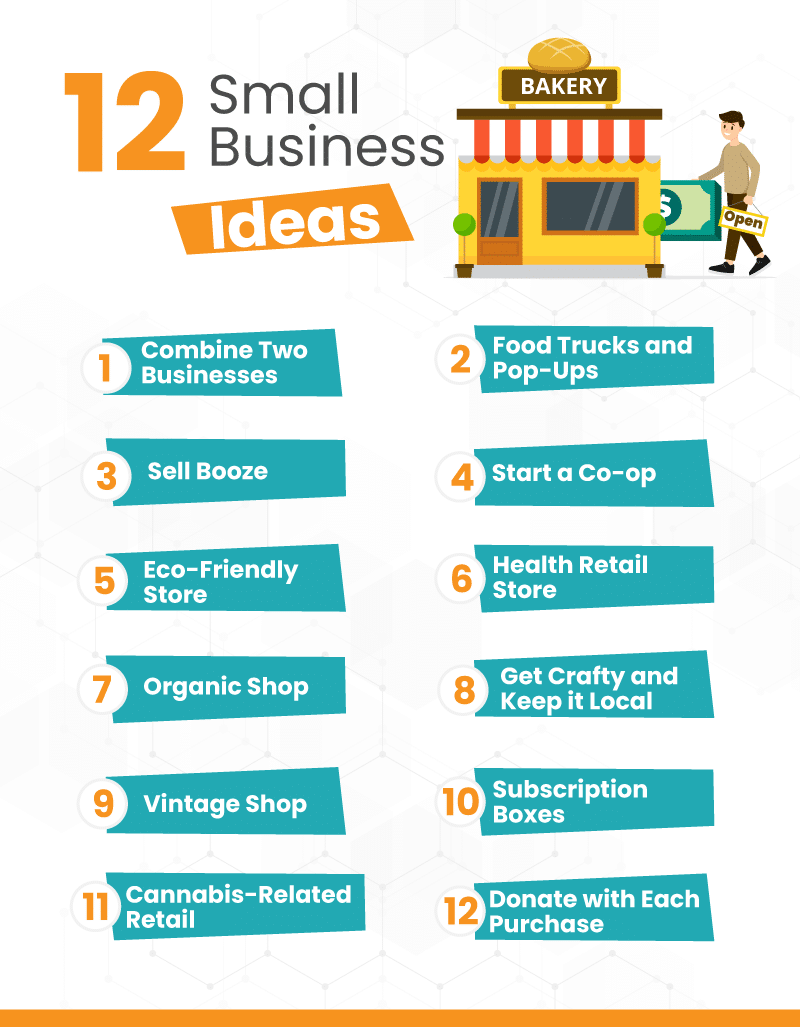
Leveraging the power of recurring revenue, subscription box services deliver curated products directly to customers’ doors on a regular basis. These can range from beauty products and gourmet snacks to pet supplies or educational toys. The financial appeal lies in predictable monthly income and the ability to build strong customer relationships. Initial costs involve sourcing products, packaging, and setting up a subscription management platform. Success hinges on delivering exceptional value, maintaining novelty, and efficient logistics. This model allows for scalable growth as the subscriber base expands, offering substantial long-term income potential.
Financial Planning and Execution for New Ventures
Regardless of the business idea chosen, rigorous financial planning and disciplined execution are paramount to transforming an idea into a profitable reality. Without a solid financial strategy, even the most brilliant concepts can falter.
Startup Capital and Funding Options
Every new business requires some level of capital. Understanding your funding needs—whether for equipment, inventory, marketing, or operational expenses—is crucial. Options range from self-funding (bootstrapping) to seeking investment from friends and family, applying for small business loans (SBA loans), or even crowdfunding. Each option has its own financial implications, including interest rates, equity dilution, and repayment terms. A well-prepared business plan, including detailed financial projections, is essential for securing external funding and demonstrating the financial viability of your venture.
Budgeting and Cash Flow Management
Once operational, effective budgeting and meticulous cash flow management become the lifeblood of the business. A budget helps allocate resources efficiently, control expenses, and ensure financial discipline. Cash flow management, which involves monitoring the money coming in and going out, is critical for operational stability. Positive cash flow ensures the business can meet its short-term obligations, pay employees, and invest in growth. Implementing robust accounting software and regularly reviewing financial statements are non-negotiable practices for maintaining monetary health.
Pricing Strategies for Profitability
Setting the right prices is a delicate balance between covering costs, achieving desired profit margins, and remaining competitive. Various pricing strategies exist, including cost-plus pricing, value-based pricing, competitive pricing, and dynamic pricing. The chosen strategy must reflect the perceived value of your product or service, the market landscape, and your target profit objectives. Undercutting competitors might attract initial customers but can quickly erode profitability, while overpricing might deter potential buyers. Continuous evaluation and adjustment of pricing are necessary to optimize revenue and ensure long-term financial success.
Measuring Financial Performance
To truly understand if a business idea is “good” in a financial sense, continuous measurement and analysis of its performance are vital. Key financial metrics such as revenue growth, profit margins, return on investment (ROI), customer acquisition cost (CAC), and customer lifetime value (CLTV) provide insights into the business’s health and efficiency. Regular review of income statements, balance sheets, and cash flow statements allows entrepreneurs to identify trends, make data-driven decisions, and pivot when necessary. This proactive approach to financial oversight helps maximize profitability and ensures the business stays on a trajectory of sustainable monetary growth.
Conclusion
The journey from a nascent business idea to a thriving enterprise is paved with strategic planning, financial acumen, and relentless execution. “What are some good business ideas?” is a question best answered by evaluating potential ventures not just on their innovative appeal, but fundamentally on their capacity to generate sustainable income and build lasting wealth. Whether you gravitate towards the low-overhead efficiency of digital platforms, the direct impact of service-based models, or the scalable potential of product-centric ventures, the underlying principles of market demand, profit potential, and sound financial management remain constant.
By diligently conducting market research, understanding profit margins, and leveraging the appropriate funding and operational strategies, aspiring entrepreneurs can transform a mere concept into a formidable engine for financial success. The current economic landscape offers unparalleled opportunities for those willing to innovate and manage their finances wisely. The best business idea is ultimately the one you are passionate about, financially viable, and strategically positioned for growth, enabling you to achieve both personal fulfillment and robust monetary returns.
aViewFromTheCave is a participant in the Amazon Services LLC Associates Program, an affiliate advertising program designed to provide a means for sites to earn advertising fees by advertising and linking to Amazon.com. Amazon, the Amazon logo, AmazonSupply, and the AmazonSupply logo are trademarks of Amazon.com, Inc. or its affiliates. As an Amazon Associate we earn affiliate commissions from qualifying purchases.