
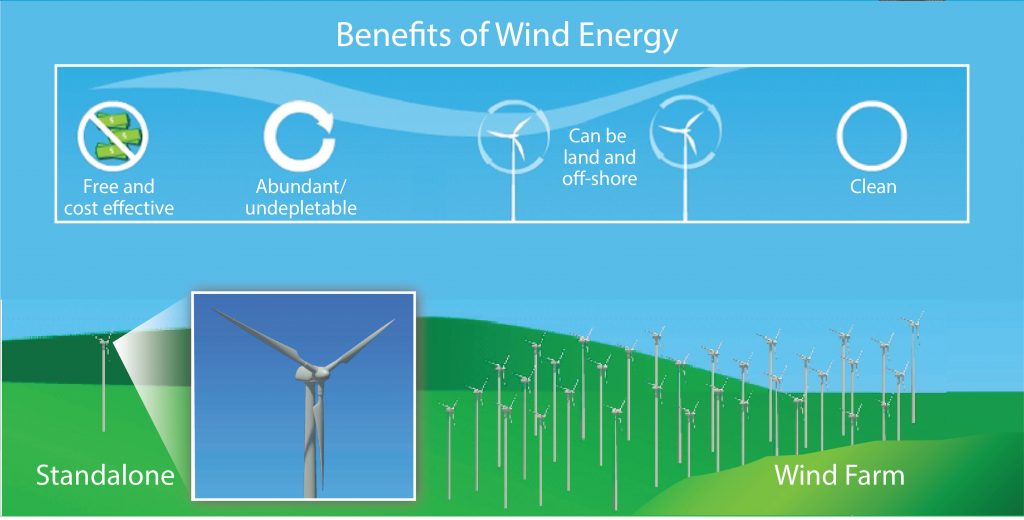
The global energy landscape is undergoing a profound structural shift, transitioning from a reliance on volatile fossil fuels to more predictable, renewable sources. At the forefront of this evolution is wind energy, which has emerged not only as an environmental imperative but as a powerhouse of economic opportunity. For investors, business leaders, and policymakers, the benefits of wind energy extend far beyond carbon reduction; they represent a fundamental realignment of capital, risk management, and long-term wealth creation. As the levelized cost of energy for wind continues to plummet, the financial incentives for its adoption have become impossible to ignore.
Wind Energy as a Cornerstone of Modern Investment Portfolios
For the individual and institutional investor, wind energy represents one of the most stable entry points into the burgeoning renewable sector. Unlike traditional commodities, which are subject to extreme price swings driven by geopolitical tensions or supply chain bottlenecks, wind energy offers a profile of high upfront capital expenditure followed by remarkably low and predictable operational costs. This structure makes it an ideal asset class for those seeking long-term, inflation-protected yields.
Stable Long-Term Yields and Utility Dividends
The financial architecture of wind energy projects is often built upon Power Purchase Agreements (PPAs). These are long-term contracts, typically spanning 15 to 25 years, where a buyer—often a utility or a major corporation—agrees to purchase the electricity generated at a fixed price. For the investor, this translates into predictable cash flows that are largely decoupled from the broader fluctuations of the stock market.
Publicly traded utilities that have aggressively pivoted toward wind power have become favorites for dividend-seeking investors. As these companies replace aging, high-maintenance coal plants with high-efficiency wind farms, they often see a significant improvement in their balance sheets. The reduction in fuel costs directly bolsters the bottom line, allowing for consistent dividend growth that outpaces traditional “dirty” energy competitors.
Diversification through ESG and Green Bonds
Environmental, Social, and Governance (ESG) criteria have moved from a niche interest to a primary driver of institutional capital allocation. Wind energy is a primary beneficiary of this trend. By including wind-focused assets—such as exchange-traded funds (ETFs) like ICLN or FAN—investors can achieve a level of diversification that hedges against the terminal risks associated with the fossil fuel industry, such as stranded assets and carbon taxes.
Furthermore, the rise of the “Green Bond” market has provided a specialized debt instrument for financing wind projects. These bonds allow investors to support specific renewable infrastructure projects while receiving fixed interest payments. Because wind energy projects are perceived as lower-risk due to their longevity and government backing, these bonds often provide a highly secure alternative to traditional corporate debt.
The Macroeconomic Impact: Job Creation and Local Economic Stimulus
On a broader scale, wind energy acts as a catalyst for domestic economic growth, particularly in regions that have historically been overlooked by high-tech industrial booms. The financial benefits of wind energy are felt deeply at the community level, creating a ripple effect of wealth that extends from manufacturing plants to rural farming communities.
Revitalizing Rural Economies through Land Leases
One of the most direct personal finance benefits of wind energy is the “passive income” stream it provides to landowners. In many parts of the Midwestern United States and Northern Europe, farmers and ranchers are leasing small portions of their land to wind developers. A single wind turbine can provide a landowner with anywhere from $5,000 to $15,000 in annual lease payments, depending on the capacity and location.
Because a turbine footprint is relatively small, landowners can continue to graze livestock or grow crops right up to the base of the equipment. This allows for a dual-income stream from the same acre of land. For many multi-generational farming families, these wind lease payments serve as a critical financial buffer against the volatility of crop prices, providing the liquidity needed to modernize equipment or expand operations.
The Growing Sector of Renewable Infrastructure Employment
The wind energy sector is a massive engine for job creation, often providing high-paying, specialized roles that cannot be outsourced. From turbine technicians and engineers to logistics managers and project financiers, the industry requires a diverse workforce. According to industry data, the wind technician role is consistently among the fastest-growing occupations in the global economy.
These are not just temporary construction jobs; they are long-term positions required for the 20-to-30-year lifespan of a wind farm. This influx of high-wage earners into local economies drives secondary spending in housing, retail, and services, effectively revitalizing local tax bases. Local governments often use the increased tax revenue from wind farms to fund schools, repair infrastructure, and lower property taxes for residents, creating a net positive financial cycle for the entire municipality.
Corporate Financial Efficiency: Why Businesses are Moving to Wind
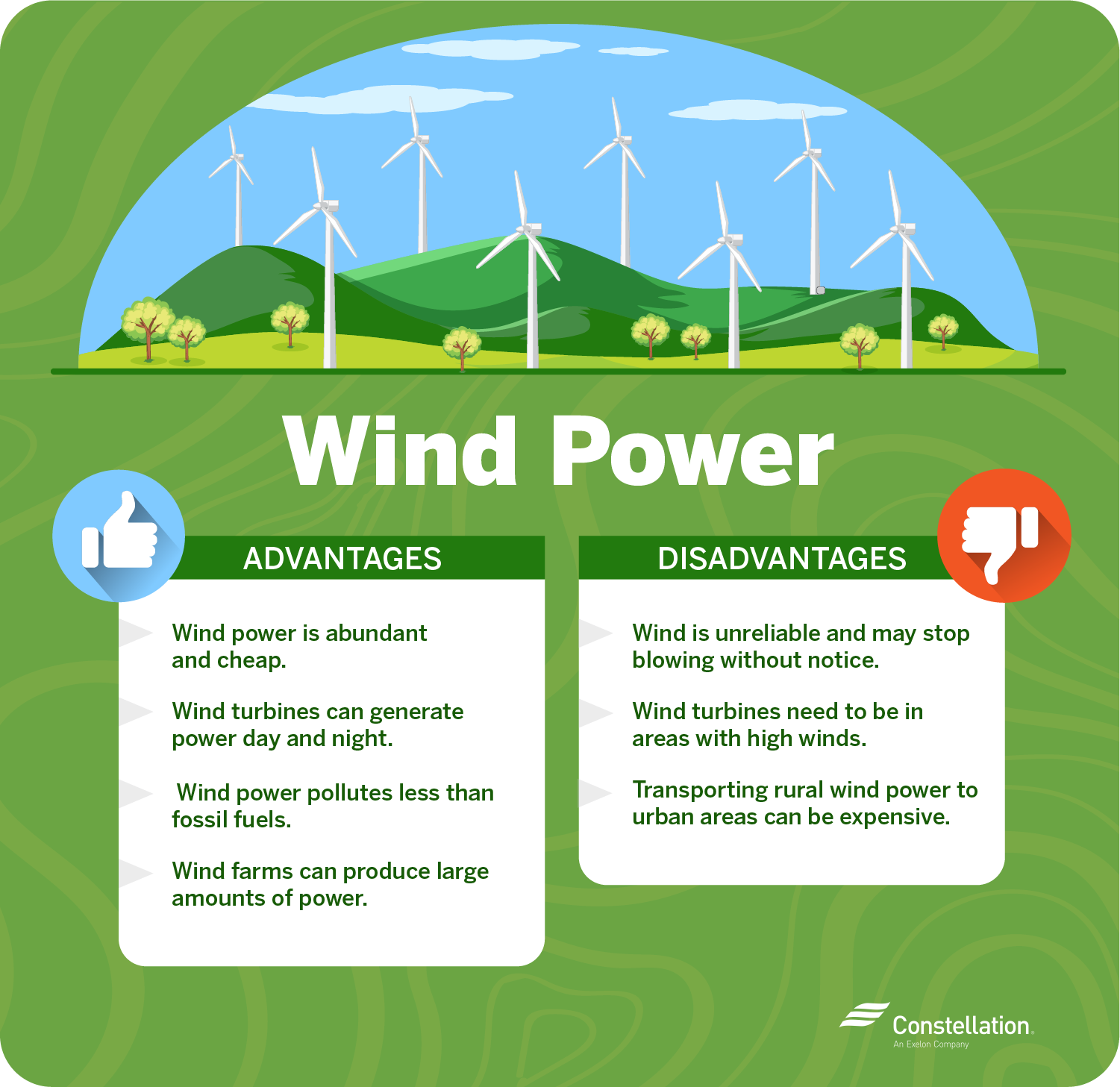
For the corporate sector, the transition to wind energy is increasingly driven by the bottom line rather than brand image alone. In an era of high inflation and energy uncertainty, wind power offers a level of fiscal certainty that traditional energy sources simply cannot match.
Hedging Against Energy Market Volatility
One of the greatest threats to corporate profitability is the unpredictability of operational expenses (OpEx). Energy costs are a significant portion of OpEx for data centers, manufacturers, and logistics firms. By entering into corporate PPAs for wind energy, these companies can “lock in” their energy prices for decades.
This act of “financial hedging” allows CFOs to forecast future costs with high precision. When the price of natural gas or oil spikes due to international conflict, a company powered by wind remains unaffected, maintaining its margins while competitors struggle with rising costs. This competitive advantage is a primary reason why tech giants like Google, Amazon, and Microsoft have become the world’s largest corporate buyers of renewable energy.
Leveraging Tax Credits and Government Incentives
From a business finance perspective, the incentives provided by governments to encourage wind adoption are substantial. In the United States, instruments like the Production Tax Credit (PTC) and the Investment Tax Credit (ITC) allow businesses to significantly offset their federal tax liabilities.
These credits essentially subsidize the capital cost of wind projects, accelerating the “payback period” for the investment. For many corporations, the tax benefits alone are enough to justify the initial outlay. When combined with the long-term savings on electricity, wind energy becomes one of the most effective capital allocation strategies available to modern businesses.
The Future of Energy Markets: Cost Competitiveness and Grid Parity
The most compelling financial argument for wind energy is its sheer cost-effectiveness. We have reached a point of “grid parity,” where generating electricity from wind is frequently cheaper than building new coal or natural gas plants, even without accounting for subsidies.
Levelized Cost of Energy (LCOE) Advantages
The Levelized Cost of Energy (LCOE) measures the average total cost of building and operating an energy-generating asset over its lifetime per unit of electricity generated. Over the last decade, the LCOE of onshore wind has dropped by more than 70%. This decline is driven by technological advancements—such as larger turbines, better sensors, and more efficient blades—as well as economies of scale in manufacturing.
For utilities, choosing wind is now the “fiscally responsible” choice. As old fossil fuel plants reach the end of their operational lives, replacing them with wind arrays requires less capital over the long term. This reduction in the cost of generation eventually filters down to the consumer, providing lower utility bills and more disposable income for the average household.
Reducing the Financial Risk of Carbon Pricing
As global governments implement carbon taxes and “cap-and-trade” systems, the financial risk of high-carbon assets is skyrocketing. Companies that rely on coal or gas are facing increasing “carbon costs” that act as a direct drag on earnings.
Wind energy carries zero carbon risk. By investing in or utilizing wind power today, businesses and investors are future-proofing their finances against the inevitable rise of carbon pricing. This proactive risk management is essential for preserving capital in a global economy that is rapidly penalizing carbon-intensive practices.
Strategic Conclusion: The Wind Energy Dividend
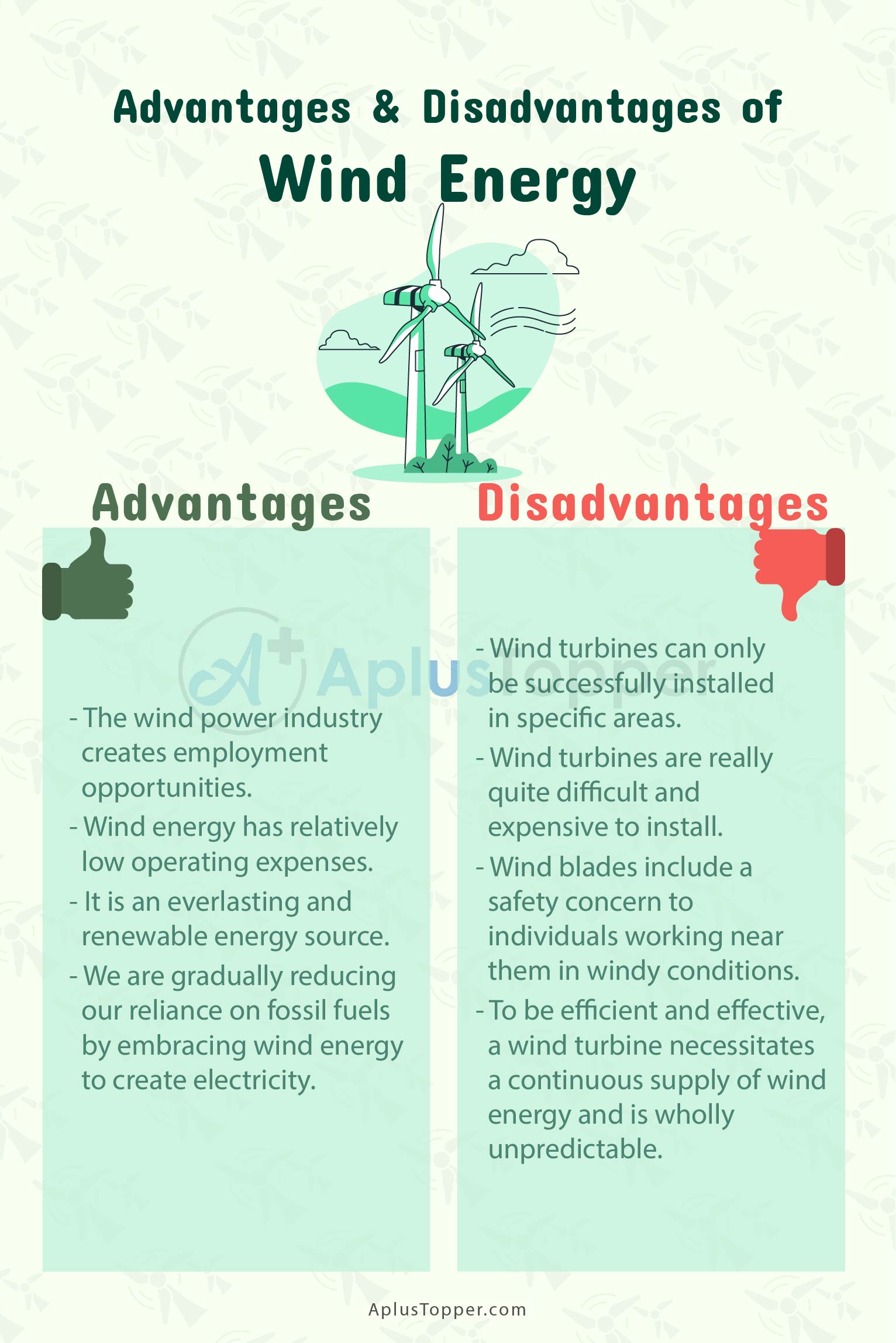
The financial benefits of wind energy are multi-faceted, touching every level of the economy. For the individual investor, it offers a pathway to stable dividends and ESG-aligned growth. For the landowner, it provides a reliable stream of passive income. For the corporation, it acts as a hedge against volatility and a tool for tax optimization.
As the technology continues to mature and the cost of capital for renewable projects remains favorable, wind energy will continue to outperform traditional energy sectors. The transition to wind is not merely a shift in how we power our world; it is a shift in where the most sophisticated and profitable capital will reside for the next century. Investing in wind is no longer just a “green” choice—it is a “money” choice, representing one of the most significant wealth-building opportunities of our era.
aViewFromTheCave is a participant in the Amazon Services LLC Associates Program, an affiliate advertising program designed to provide a means for sites to earn advertising fees by advertising and linking to Amazon.com. Amazon, the Amazon logo, AmazonSupply, and the AmazonSupply logo are trademarks of Amazon.com, Inc. or its affiliates. As an Amazon Associate we earn affiliate commissions from qualifying purchases.