
In the modern marketplace, a brand is no longer just a logo, a tagline, or a suite of products. It has evolved into something far more complex and dynamic: a social system. To understand what social systems are in the context of branding is to understand the invisible threads of values, behaviors, and relationships that bind a company to its audience.
At its core, a social system is a structured network of relationships and interactions among individuals, groups, and institutions that form a coherent whole. When applied to brand strategy and corporate identity, this concept transforms a business from a mere vendor into a cultural entity. This article explores how modern brands function as social systems, the architecture required to build them, and why this systemic approach is the ultimate competitive advantage in a fragmented digital economy.
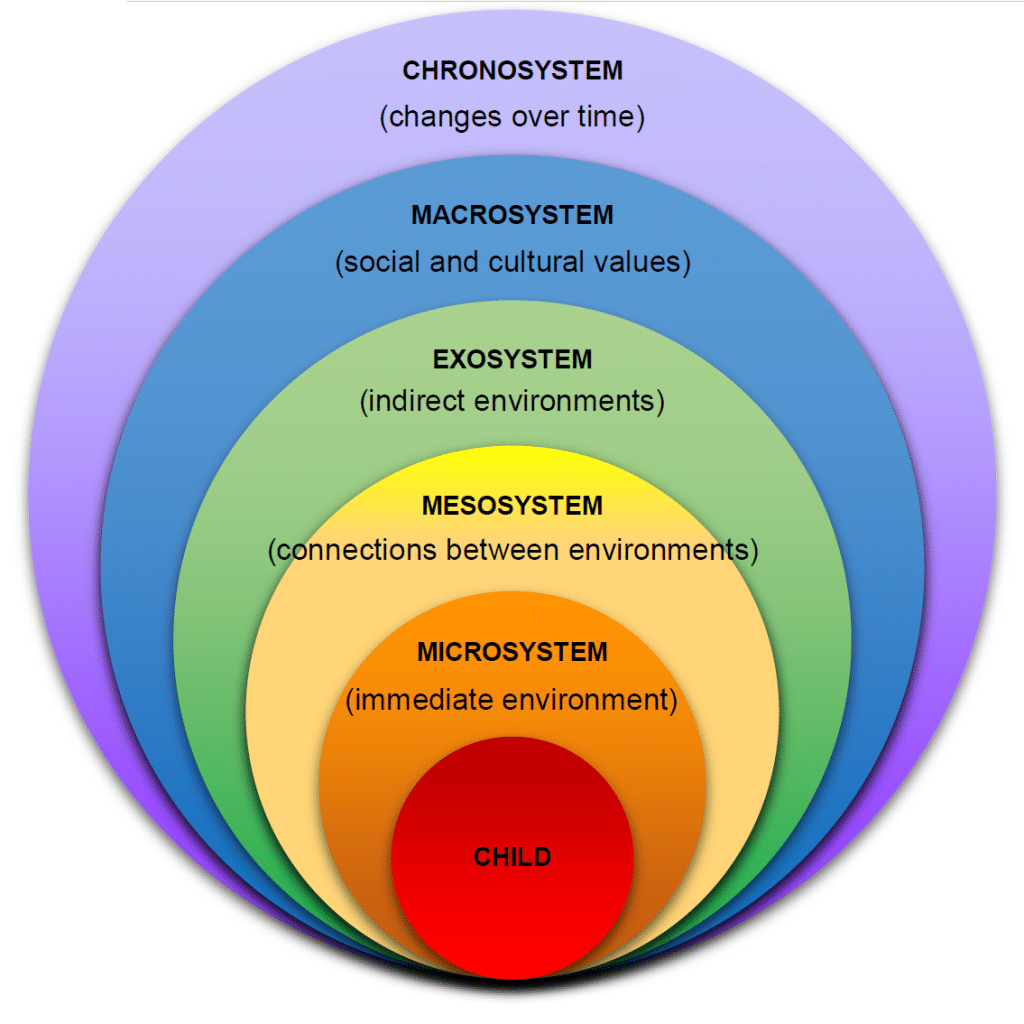
The Brand as a Living Social Organism
Traditional marketing often viewed the consumer as a passive recipient of information. However, viewing a brand as a social system shifts the focus toward an ecosystem where every participant—employees, stakeholders, and customers—contributes to the brand’s vitality. A brand social system is a living organism that breathes through its interactions and grows through its shared purpose.
Defining Social Systems in a Commercial Context
In branding, a social system is defined by the organized pattern of relationships between the brand and its community. It is the framework through which a brand’s values are translated into social norms. Unlike a static identity, a systemic brand identity is interactive. It relies on a “feedback loop” where the brand provides a value proposition, and the community responds with engagement, loyalty, and advocacy. This system creates a sense of “we-ness,” transforming a transactional relationship into a communal one.
The Transition from Consumption to Participation
The rise of digital connectivity has moved the needle from simple consumption to active participation. In a well-functioning social system, the “user” is also a “contributor.” Brands like Nike or Lego do not just sell products; they provide a platform for social interaction. By viewing the brand as a system, strategists focus less on the “what” (the product) and more on the “how” (the experience and the connection). This participation reinforces the system’s boundaries, making it harder for competitors to disrupt the bond between the brand and its constituents.
Building Social Structures: The Architecture of Brand Community
A social system cannot exist without structure. Just as a society needs laws and customs, a brand needs a strategic framework that facilitates belonging and provides order. This architecture is what separates a fleeting trend from a legacy brand.
Shared Values as the Foundation
Every social system is built upon a foundation of shared beliefs. In brand strategy, this is the “Brand Purpose.” For a social system to remain stable, the values of the brand must align with the personal values of the community members. When Patagonia advocates for environmental preservation, it isn’t just a marketing tactic; it is the “moral code” of its social system. This alignment creates trust, which acts as the glue for the entire system. Without shared values, the system collapses into a collection of disconnected transactions.
Roles and Hierarchies within Brand Tribes
Sociologists have long noted that social systems naturally develop hierarchies and roles. In the context of branding, these roles are often occupied by brand advocates, “super-users,” and casual observers. A sophisticated brand strategy recognizes these roles and provides different levels of engagement for each.
- The Pioneers: Early adopters who drive the brand’s cultural relevance.
- The Stewards: Long-term loyalists who mentor new members of the community.
- The Navigators: The brand’s internal team who guide the system’s direction.
By formalizing these roles, a brand creates a “tribe” where members feel a sense of status and responsibility, further embedding them into the brand’s social fabric.

The Mechanics of Interaction: How Brands Maintain Social Equilibrium
Once a social system is established, it requires constant maintenance to prevent entropy. In a corporate identity context, this means ensuring that the brand’s “voice” remains consistent and that its “social rules” are respected. This maintenance is what creates social equilibrium—a state where the brand and its audience exist in a mutually beneficial harmony.
Communication Protocols and Brand Voice
Communication is the nervous system of any social structure. For a brand, this is manifested through its brand voice and messaging strategy. In a social system, communication must be bi-directional. It is not enough for a brand to broadcast; it must also listen and adapt. Professional brand strategy involves creating “communication protocols”—rules for how the brand engages in social media, how it handles customer service, and how it speaks during times of social change. Consistent, authentic communication reinforces the system’s identity and provides a sense of security to its members.
Navigating Crisis and Social Regulation
Every social system faces internal and external pressures. Whether it is a product recall, a PR scandal, or a shift in market trends, a brand’s ability to survive depends on its systemic resilience. Social regulation within a brand community often happens organically; loyal customers will defend the brand against unfair criticism, while also holding the brand accountable when it veers off-course. Strategic branding involves preparing for these moments by building “reputational capital” during stable times. When a brand acts with integrity as a social actor, its system becomes robust enough to withstand shocks that would destroy a purely transactional business.
Strategic Benefits of Thinking in Systems
Adopting a systems-thinking approach to branding is not merely a theoretical exercise; it has tangible financial and strategic benefits. When a brand succeeds in becoming a social system, it moves beyond the volatility of the commodity market and into the realm of cultural significance.
From Transactional Marketing to Relationship Equity
The primary goal of traditional marketing is the sale. The primary goal of systemic branding is the relationship. Relationship equity is the total value of the connections within the brand’s social system. Because it is more expensive to acquire a new customer than to retain an existing one, the social system model is inherently more profitable. Members of a brand system have a higher “Lifetime Value” (LTV) because their connection to the brand is emotional and social, rather than purely economic. They are less price-sensitive and more likely to forgive minor errors, provided the core values of the system remain intact.
Scaling via Decentralized Brand Advocacy
One of the most powerful aspects of a social system is its ability to scale through decentralization. In a traditional brand model, the company must fund every bit of growth through advertising. In a social system model, the community becomes the marketing engine. Word-of-mouth, user-generated content, and community-led forums allow the brand to grow organically. When customers feel like they are part of a social system, they naturally want to recruit others into it. This peer-to-peer influence is far more persuasive than any corporate advertisement because it carries the weight of social proof.

Conclusion: The Future of Brand Identity
As we look toward the future of commerce, the brands that thrive will be those that understand they are stewards of social systems. The digital landscape has made it easier than ever for people to find one another, but harder for them to find meaning. Brands that provide that meaning—through shared values, structured communities, and authentic interactions—will occupy a permanent place in the lives of their customers.
Understanding “what are social systems” is the first step in moving from a brand that people buy to a brand that people belong to. By focusing on the architecture of connection rather than just the mechanics of the sale, businesses can build enduring corporate identities that resonate on a deeply human level. In the end, the strongest brands are not those with the biggest budgets, but those with the most resilient and vibrant social systems.
aViewFromTheCave is a participant in the Amazon Services LLC Associates Program, an affiliate advertising program designed to provide a means for sites to earn advertising fees by advertising and linking to Amazon.com. Amazon, the Amazon logo, AmazonSupply, and the AmazonSupply logo are trademarks of Amazon.com, Inc. or its affiliates. As an Amazon Associate we earn affiliate commissions from qualifying purchases.