
In the early days of the internet, a Search Engine Results Page (SERP) was a predictable list of “ten blue links.” If you searched for a query, the algorithm provided a list of titles and meta descriptions, and the user’s journey almost always involved clicking through to a third-party website. Today, the landscape of search technology has undergone a seismic shift. Modern search engines like Google and Bing have evolved into sophisticated information engines that utilize “SERP Features” to provide immediate, rich, and interactive data.
For developers, digital architects, and tech-savvy marketers, understanding SERP features is no longer just about “SEO”—it is about understanding the intersection of data engineering, machine learning, and user interface design. This article explores the technical foundations of SERP features, the role of structured data, and how emerging AI technologies are redefining how information is indexed and displayed.
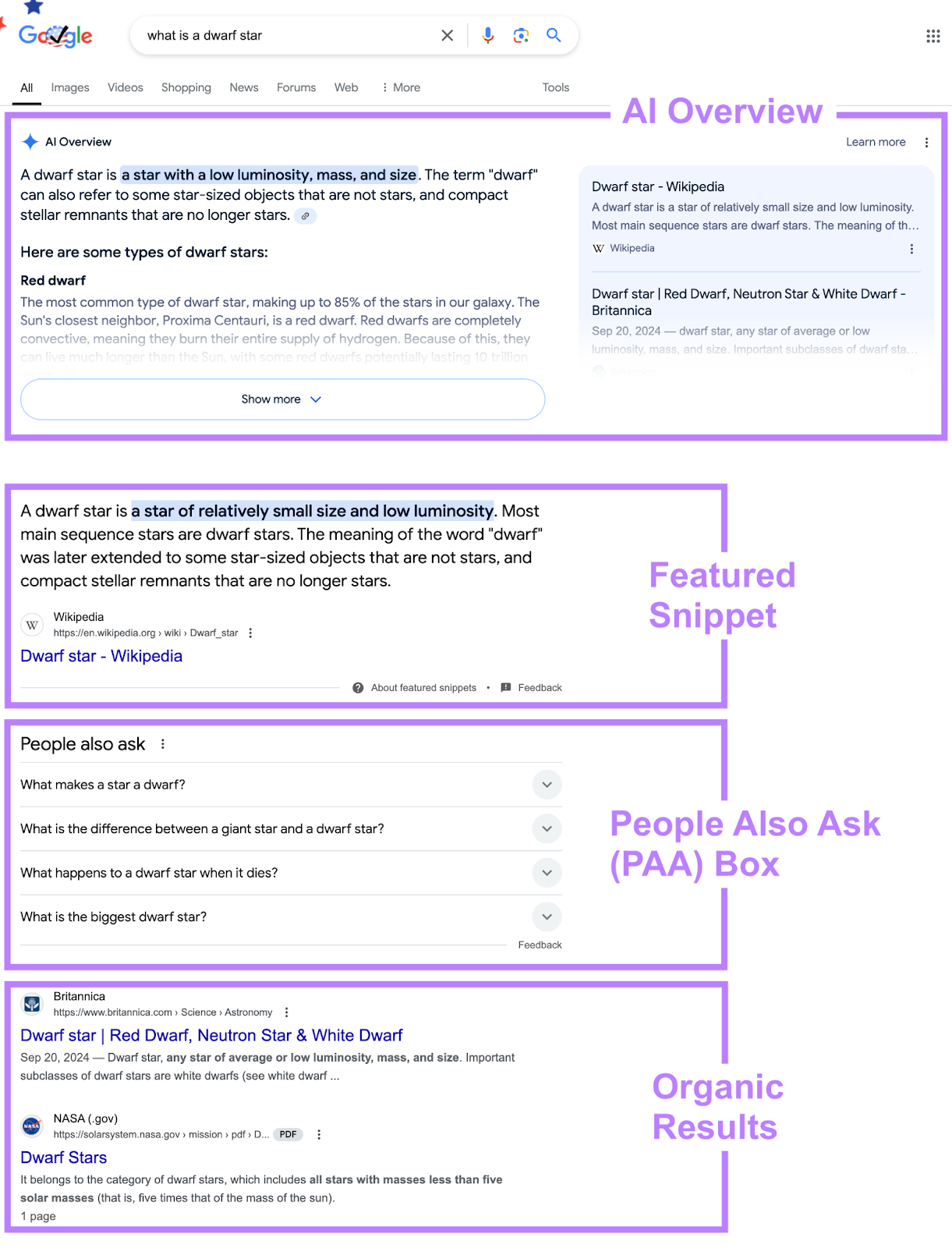
The Anatomy of a Modern Search Engine Results Page
A SERP feature is any result on a search engine results page that is not a traditional organic “blue link.” These features are designed to provide a better user experience by highlighting specific information or allowing users to interact with content without leaving the search page. From a technical perspective, these features are the output of complex algorithms that parse billions of data points to determine the most helpful format for a specific query.
The Shift from Information Retrieval to Information Answer
The primary driver behind the proliferation of SERP features is the move toward “Zero-Click Searches.” By leveraging advanced Natural Language Processing (NLP), search engines can now understand the intent behind a query. If a user asks, “What is the boiling point of water?” the search engine doesn’t just want to provide a link to a science website; it wants to provide the answer (100°C) directly in a Featured Snippet. This shift requires immense computational power and a sophisticated understanding of entity relationships.
Categories of SERP Features
While there are dozens of different features, they generally fall into several technical categories:
- Knowledge Features: These draw from a “Knowledge Graph,” a massive database of entities (people, places, things) and their relationships.
- Rich Snippets: These enhance standard results with extra data, such as star ratings, prices, or thumbnail images, powered by structured data.
- Query-Specific Blocks: These include things like “People Also Ask” (PAA), which use machine learning to predict follow-up questions.
- Visual/Multimedia Packs: These integrate image and video indexing directly into the text-based results.
The Technical Engine: Structured Data and Schema Markup
At the heart of almost every SERP feature lies the technology of structured data. Search engines are essentially massive web crawlers, but their ability to understand the context of a page is limited without help. This is where Schema.org and JSON-LD come into play.
How Algorithms Read Web Content
When a search engine bot crawls a page, it sees HTML. While HTML provides the structure for a browser to render a page, it doesn’t explicitly tell the search engine that a specific string of numbers is a product price or that a specific name is the author of a recipe. Structured data acts as a translator. By implementing Schema markup—a standardized vocabulary used by Google, Microsoft, and Yahoo—developers provide explicit clues about the meaning of a page.
The Role of JSON-LD
JSON-LD (JavaScript Object Notation for Linked Data) is the industry-standard format for implementing structured data. Unlike older methods like Microdata or RDFa, JSON-LD is a script block that resides in the header of a webpage, making it easier to manage and less likely to break the site’s visual design.
For instance, when a developer uses JSON-LD to mark up an “Article” or a “Product,” they are essentially feeding a structured data object directly into the search engine’s index. This increases the likelihood of the content being displayed as a Rich Snippet, complete with stock availability, pricing, or review counts. This technical handshake between the website’s code and the search engine’s algorithm is what enables the high-fidelity features we see on the SERP today.
Essential SERP Features and Their Technical Drivers
Understanding the specific features is key to understanding the current state of search technology. Each feature is powered by a different subset of the search engine’s core algorithm.
Featured Snippets: The “Position Zero”
Featured Snippets are perhaps the most coveted SERP feature. They appear at the very top of the page, often providing a direct answer to a query. Technically, snippets are generated through a process called “Document Summarization.” The algorithm identifies a high-ranking page that contains a clear answer, extracts a specific paragraph or list, and presents it as a summary.
There are three main types of snippets:
- Paragraphs: Typically used for “What is” or “Why” questions.
- Lists: Often used for “How to” guides or rankings.
- Tables: Used for structured data like pricing comparisons or technical specifications.
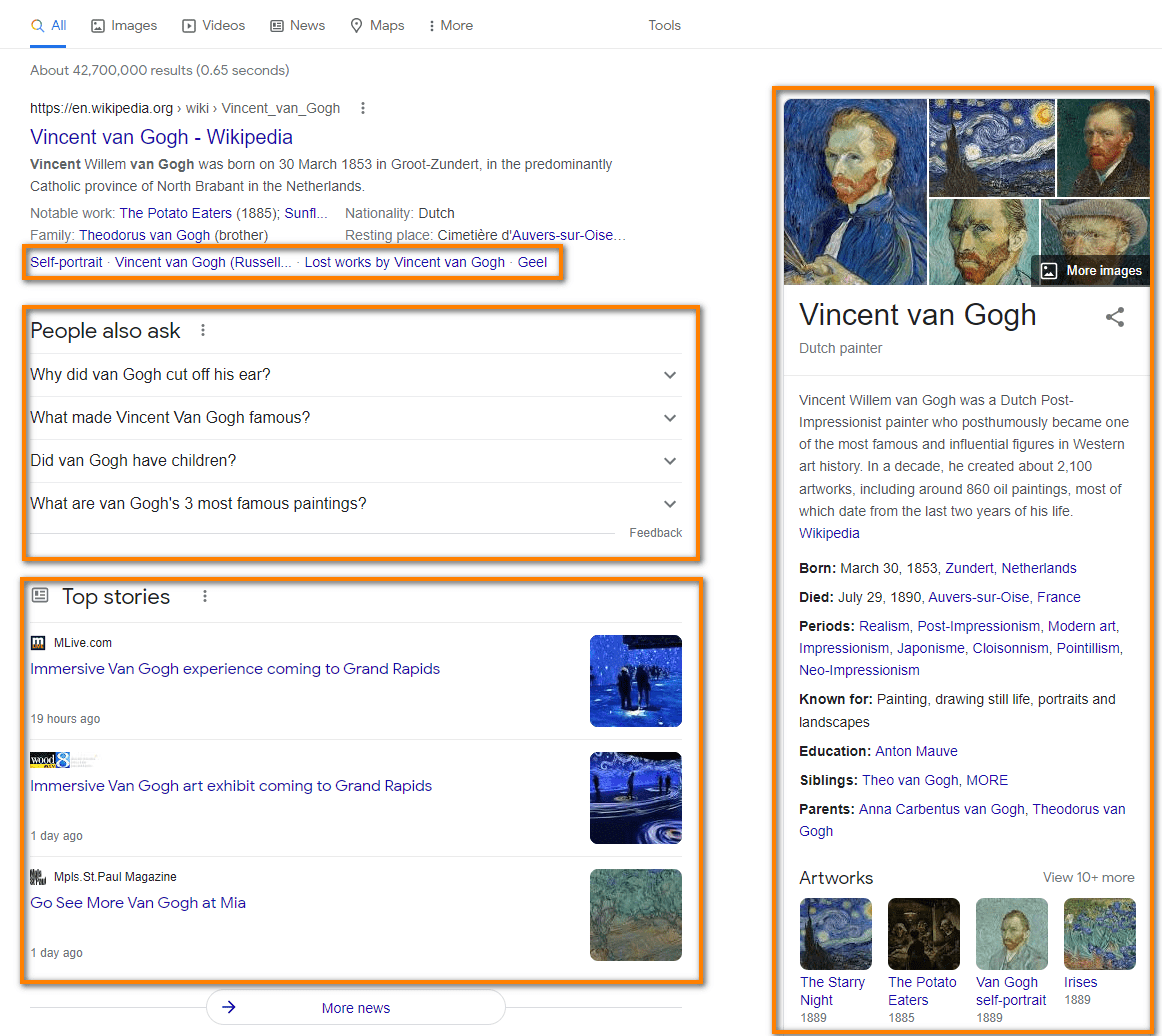
The Knowledge Panel and Entity Recognition
The Knowledge Panel is the box that appears on the right side of the screen (on desktop) during a search for a specific entity, such as “Apple Inc.” or “The Eiffel Tower.” This is not merely a summary of a webpage; it is a view into the Search Engine’s Knowledge Graph.
The Knowledge Graph is a semantic network that stores billions of facts. It uses Named Entity Recognition (NER) to identify entities in a search query and then fetches related data from verified sources like Wikipedia, CIA World Factbook, and official brand websites. For a tech company, having an accurate Knowledge Panel is vital for brand authority and verified digital identity.
Local Packs and Geolocation Technology
For queries with local intent (e.g., “IT services near me”), the SERP displays a Local Pack—a map interface with three business listings. This feature is powered by a combination of the core search algorithm and Google Business Profile data, integrated with real-time GPS and IP-based geolocation technology. This represents a complex merge of spatial data and traditional search indexing.
The AI Revolution: Generative Search and Future Trends
We are currently witnessing the most significant change to SERPs since the invention of the search engine itself: the integration of Generative AI. With the introduction of Google’s Search Generative Experience (SGE) and Bing’s AI-powered search, the SERP is moving toward becoming a synthetic interface.
Search Generative Experience (SGE)
SGE uses Large Language Models (LLMs) to synthesize information from multiple sources into a single, cohesive answer at the top of the SERP. Unlike a Featured Snippet, which quotes one source, SGE creates new text. This requires immense GPU processing power and sophisticated “grounding” techniques to ensure the AI does not “hallucinate” or provide false information. From a technical standpoint, this is the transition from “Retrieval” (finding existing content) to “Generation” (creating a bespoke answer for the user).
Multi-Modal Search and Computer Vision
The future of SERP features is not just textual. Google Lens and “Circle to Search” technologies are bringing multi-modal capabilities to the SERP. Users can now search using images or videos. The SERP features for these searches utilize Computer Vision (CV) to identify objects, text, and landmarks within an image, providing results that include shopping links, translations, or related visual content. This integration of CV into the standard SERP demonstrates the increasing convergence of different AI disciplines.
Technical Tools for Tracking and Analyzing SERP Features
Because the SERP is dynamic—changing based on location, device, and user history—tech professionals need specialized software to track these features.
API Integration and Rank Tracking
Modern SEO tools like Ahrefs, SEMrush, and Moz provide comprehensive dashboards that track which SERP features a website occupies. These tools function by using massive “headless browser” networks to scrape SERPs at scale, then using pattern recognition to identify featured snippets, local packs, and image carousels.
For developers, many of these tools offer APIs. These APIs allow companies to pull SERP data directly into their own internal data warehouses or BI (Business Intelligence) tools. This allows tech teams to monitor how algorithm updates affect their digital visibility in real-time. For example, a sudden drop in “People Also Ask” appearances might indicate a need to update the site’s FAQ Schema or content structure.
Google Search Console: The Direct Pipeline
The most essential tool for any technical stack is Google Search Console (GSC). GSC provides direct feedback from Google about how it “sees” a site’s structured data. It offers “Rich Result Status Reports,” which alert developers to errors in their JSON-LD or Schema markup. If a “Review Snippet” is missing a required field like “RatingValue,” GSC will flag the error, allowing the technical team to fix the code before it impacts the site’s appearance on the SERP.

Conclusion: The Programmable SERP
SERP features have transformed the search results page from a static directory into a dynamic, programmable interface. For those in the technology sector, these features represent a sophisticated interplay between structured data, machine learning, and user experience design.
As we move deeper into the era of AI-generated search, the technical requirements for maintaining visibility will only increase. Success in this landscape requires more than just high-quality content; it requires a deep understanding of the underlying technologies—from JSON-LD and Schema.org to the nuances of LLM-driven search. By mastering the technical foundations of SERP features, organizations can ensure they remain at the forefront of the digital information economy.
aViewFromTheCave is a participant in the Amazon Services LLC Associates Program, an affiliate advertising program designed to provide a means for sites to earn advertising fees by advertising and linking to Amazon.com. Amazon, the Amazon logo, AmazonSupply, and the AmazonSupply logo are trademarks of Amazon.com, Inc. or its affiliates. As an Amazon Associate we earn affiliate commissions from qualifying purchases.