
Securing a home mortgage is often the single most significant financial transaction an individual will undertake in their lifetime. It is a complex, multi-stage process that requires meticulous planning, a deep understanding of personal finance, and a strategic approach to the lending market. While the prospect of homeownership is exciting, the path to obtaining a mortgage can be daunting for those unfamiliar with the nuances of credit scores, debt-to-income ratios, and the vast array of loan products available.
This guide serves as a strategic roadmap for navigating the mortgage landscape. By focusing on financial readiness, product selection, and the procedural steps of the application, you can position yourself as a prime candidate for lenders and secure terms that support your long-term wealth-building goals.
1. Strengthening Your Financial Foundation
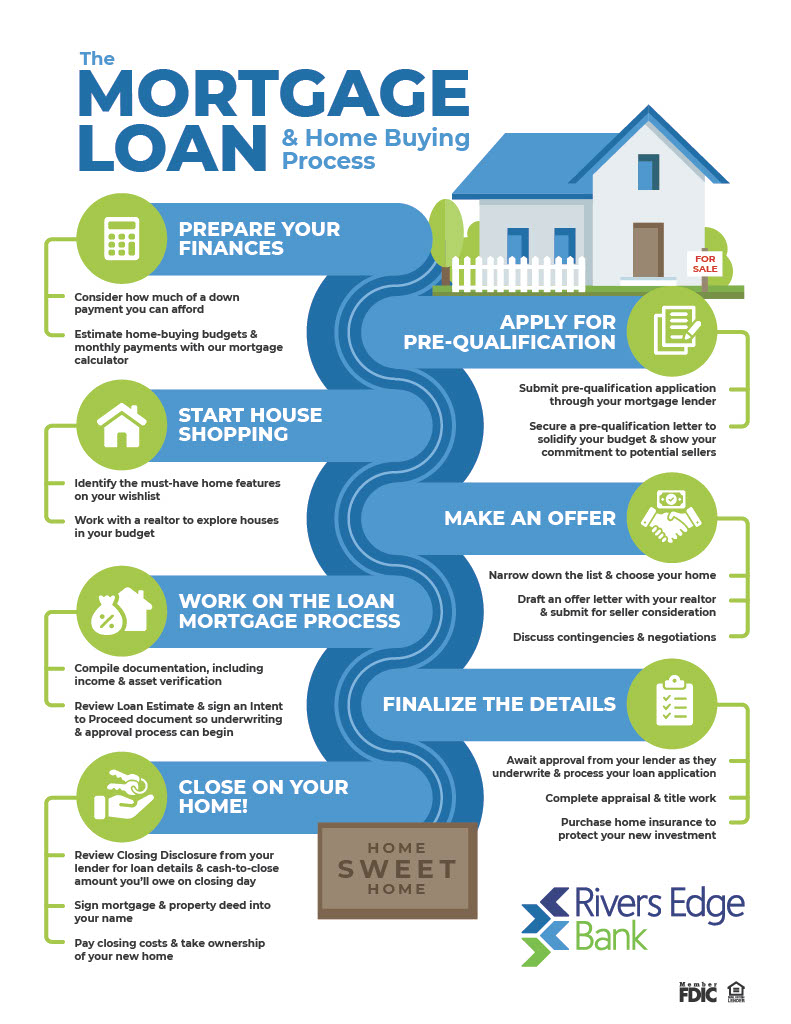
Before you even browse property listings, you must audit your financial health. Lenders view mortgage applicants through the lens of risk management. To secure the most favorable interest rates, you must demonstrate that you are a low-risk borrower with a history of fiscal responsibility.
Optimizing Your Credit Score
Your credit score is the primary lever that determines your mortgage interest rate. Even a 20-point difference in your FICO score can translate into thousands of dollars in interest savings over the life of a 30-year loan. To optimize your score, start by requesting a copy of your credit report from the three major bureaus—Equifax, Experian, and TransUnion—to check for errors.
Maintain a low credit utilization ratio, ideally below 30% of your available limits, and ensure every payment is made on time. Avoid opening new lines of credit or making large purchases on existing cards in the six months leading up to your application, as these actions can temporarily depress your score.
Managing Your Debt-to-Income (DTI) Ratio
Lenders use the Debt-to-Income (DTI) ratio to measure your ability to manage monthly payments. This is calculated by dividing your total monthly debt obligations (student loans, car payments, credit card minimums) by your gross monthly income.
Most conventional lenders prefer a DTI of 36% or lower, though some programs allow for higher ratios. If your DTI is currently high, prioritize paying down high-interest revolving debt. This not only improves your ratio but also frees up cash flow, providing you with a larger “cushion” for homeownership expenses.
Accumulating Capital for Down Payments and Closing Costs
While the traditional 20% down payment is no longer a strict requirement for many loan types, the amount you put down significantly impacts your monthly cost. A larger down payment reduces your loan-to-value (LTV) ratio, often resulting in lower interest rates and the elimination of Private Mortgage Insurance (PMI).
Beyond the down payment, you must budget for closing costs, which typically range from 2% to 5% of the home’s purchase price. These fees cover appraisals, title insurance, loan origination, and government recording fees. Having these funds readily available in a liquid account demonstrates to lenders that you have the “reserves” necessary to handle the transaction.
2. Navigating the Landscape of Mortgage Products
Not all mortgages are created equal. The “Money” niche of real estate finance offers various vehicles designed for different financial profiles. Selecting the right product is a matter of balancing your current cash flow needs with your long-term financial stability.
Conventional Loans vs. Government-Backed Options
Conventional loans are the standard for borrowers with strong credit and stable income. They are not insured by the federal government and typically follow guidelines set by Fannie Mae or Freddie Mac.
For those who may not qualify for conventional financing, government-backed options provide a path to homeownership. Federal Housing Administration (FHA) loans are popular for first-time buyers due to lower credit score requirements and down payments as low as 3.5%. Department of Veterans Affairs (VA) loans offer incredible benefits, including zero down payment for eligible service members and veterans. Lastly, USDA loans support rural development by offering zero-down options for properties in designated areas.
Fixed-Rate vs. Adjustable-Rate Mortgages (ARM)
A Fixed-Rate Mortgage offers stability; your interest rate remains identical for the duration of the loan, usually 15 or 30 years. This protects you from rising interest rates and allows for precise long-term budgeting.
In contrast, an Adjustable-Rate Mortgage (ARM) usually offers a lower “teaser” rate for an initial period (e.g., 5, 7, or 10 years). After that period, the rate adjusts periodically based on market indices. ARMs can be strategic for those who plan to sell the home or refinance before the adjustment period begins, but they carry the risk of significantly higher payments in the future.
Understanding the Impact of Loan Terms
The “term” of the loan—how long you have to pay it back—dictates your monthly payment and the total interest paid. A 30-year mortgage is the most common, offering the lowest monthly payment and maximizing your purchasing power. However, a 15-year mortgage, while requiring higher monthly payments, allows you to build equity much faster and save a staggering amount in total interest. From a wealth-building perspective, if your cash flow allows, the shorter term is often the superior financial move.
3. The Roadmap to Pre-Approval and Application
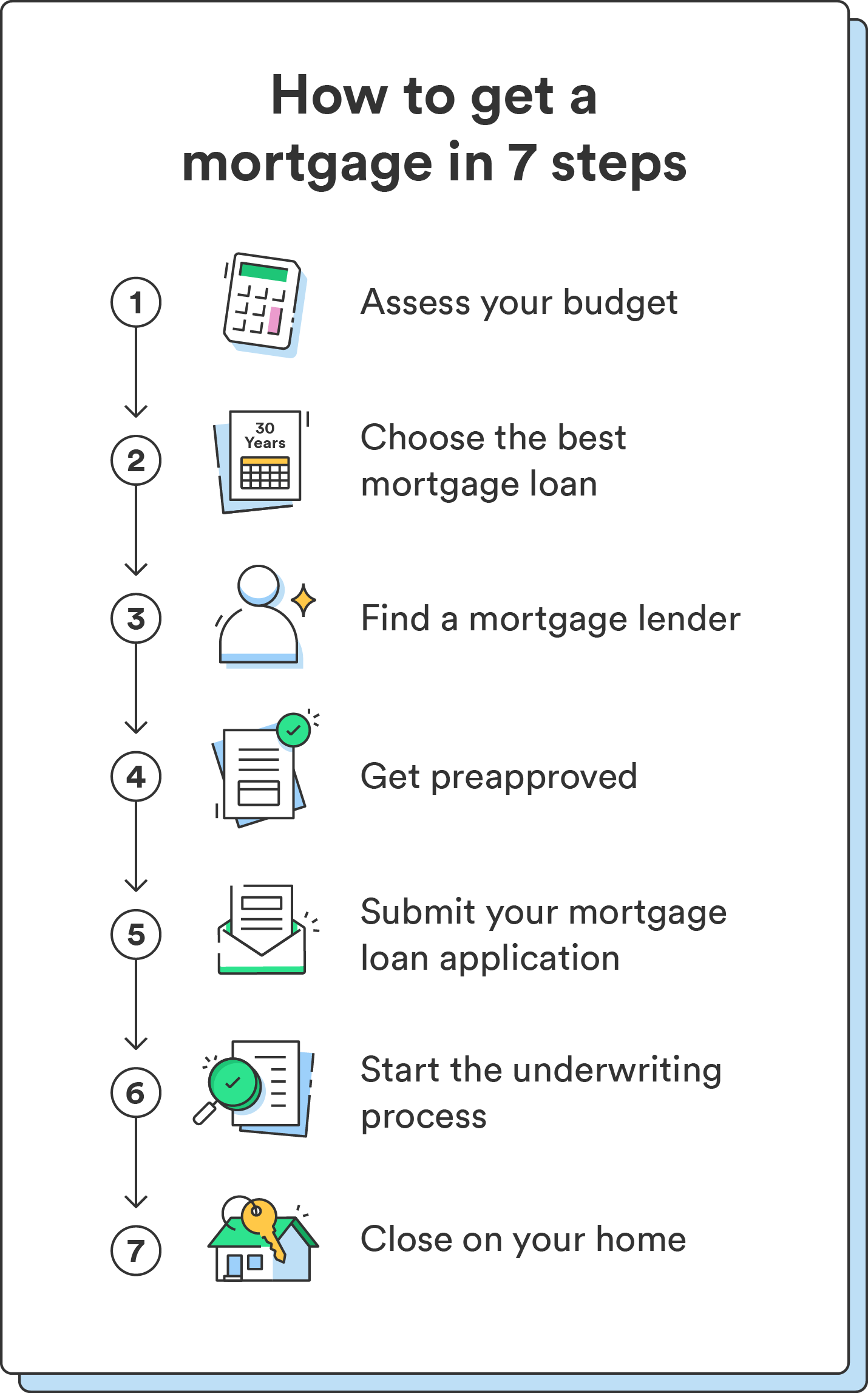
Once your finances are in order and you understand the products, the next phase is the formal engagement with a lender. This is where your preparation meets the reality of the market.
The Significance of the Pre-Approval Letter
A pre-approval is not the same as a pre-qualification. A pre-qualification is a surface-level estimate, whereas a pre-approval involves a lender verifying your financial documentation to determine exactly how much they are willing to lend you. In a competitive real estate market, a pre-approval letter is essential; it signals to sellers that you are a serious, vetted buyer with the financial backing to close the deal.
Gathering Essential Documentation
The mortgage application process is document-intensive. To ensure a smooth experience, compile a digital folder containing the last two years of W-2s, federal tax returns, and at least three months of bank statements and investment account summaries. If you are self-employed, expect to provide year-to-date Profit and Loss statements. Lenders will also require proof of identity and a detailed history of your residence and employment for the past two years.
Choosing the Right Lender: Banks vs. Brokers
You have options regarding who facilitates your loan. Large retail banks offer the convenience of keeping all your accounts in one place, but they may have stricter overlays (internal rules) that make qualification harder. Mortgage brokers, on the other hand, act as intermediaries who shop your profile across multiple wholesale lenders to find the best rate and product fit. Weigh the personalized service of a local credit union against the technical efficiency and product variety of a dedicated mortgage brokerage.
4. From Underwriting to the Closing Table

The final stretch of getting a mortgage occurs after you have found a home and your offer has been accepted. This period, known as “escrow,” is a critical time where the lender performs their final due diligence.
Navigating the Underwriting Process
Underwriting is the phase where a financial expert (the underwriter) verifies every detail of your application. They ensure the property is worth the purchase price through an appraisal and confirm that your financial status hasn’t changed. You may be asked for “letters of explanation” regarding specific bank transfers or credit inquiries. Promptness in responding to these requests is vital to keeping the closing timeline on track.
Avoiding Financial Pitfalls During Escrow
One of the most common mistakes borrowers make is changing their financial profile after they have been pre-approved. During the underwriting period, you must maintain a “financial freeze.” Do not quit or change jobs, do not take out a new car loan, and do not make large deposits into your accounts that cannot be clearly sourced. Any significant change can trigger a re-evaluation of your loan and could lead to a denial at the eleventh hour.
The Closing Disclosure and Final Walkthrough
Three days before your closing date, your lender is legally required to provide a Closing Disclosure (CD). This document outlines the final terms of your loan, including the exact interest rate, monthly payment, and the “cash to close” amount you must provide. Compare this carefully with your initial Loan Estimate to ensure there are no unexpected fee increases. Once the CD is signed and the final walkthrough of the property is complete, you will attend the closing meeting to sign the final documents, wire your funds, and officially take ownership of the property.
Obtaining a home mortgage is a journey that rewards the disciplined and the informed. By treating the process as a strategic financial project—optimizing your credit, choosing the right loan vehicle, and maintaining financial stability through to the closing—you do more than just buy a house; you secure a foundational asset in your personal wealth portfolio. With the right preparation, the mortgage process becomes a manageable step toward achieving your long-term financial aspirations.
aViewFromTheCave is a participant in the Amazon Services LLC Associates Program, an affiliate advertising program designed to provide a means for sites to earn advertising fees by advertising and linking to Amazon.com. Amazon, the Amazon logo, AmazonSupply, and the AmazonSupply logo are trademarks of Amazon.com, Inc. or its affiliates. As an Amazon Associate we earn affiliate commissions from qualifying purchases.