
In the complex landscape of international finance, the Single Euro Payments Area (SEPA) stands as one of the most significant milestones in the integration of European markets. For businesses, investors, and individuals, understanding what SEPA countries are—and how the system operates—is essential for optimizing cash flow, reducing transaction costs, and streamlining cross-border operations.
SEPA was designed to harmonize the way cashless euro payments are made across Europe. It ensures that whether you are sending money from Berlin to Paris or from London to Bratislava, the process is as simple, fast, and secure as a domestic transfer. By eliminating the friction of traditional international banking, SEPA has fundamentally changed the way business finance is conducted across the continent.
Understanding the SEPA Framework: The Backbone of Modern European Finance
The Single Euro Payments Area is a regulatory and technical initiative that aims to create a single market for euro-denominated payments. Before its inception, transferring money between different European countries was often a slow, expensive, and opaque process. Each nation had its own technical standards, clearing houses, and fee structures.
The Core Objectives of the Single Euro Payments Area
The primary goal of SEPA is to make cross-border euro transfers equivalent to domestic ones. In the world of personal and business finance, this means three things: cost-effectiveness, speed, and standardization. By using a single set of financial instruments (credit transfers and direct debits) and a common technical infrastructure, SEPA removes the hidden costs of international banking. For a business based in Italy, paying a supplier in the Netherlands should theoretically cost no more than paying a supplier in Rome.
How SEPA Standardizes Transactions
The foundation of the SEPA system relies on two key identifiers: the International Bank Account Number (IBAN) and the Business Identifier Code (BIC). While BICs are becoming less mandatory for domestic SEPA transfers within many jurisdictions, the IBAN remains the universal standard for identifying accounts. This standardization allows automated systems to process payments with high straight-through processing (STP) rates, reducing the need for manual intervention and lowering the likelihood of errors.
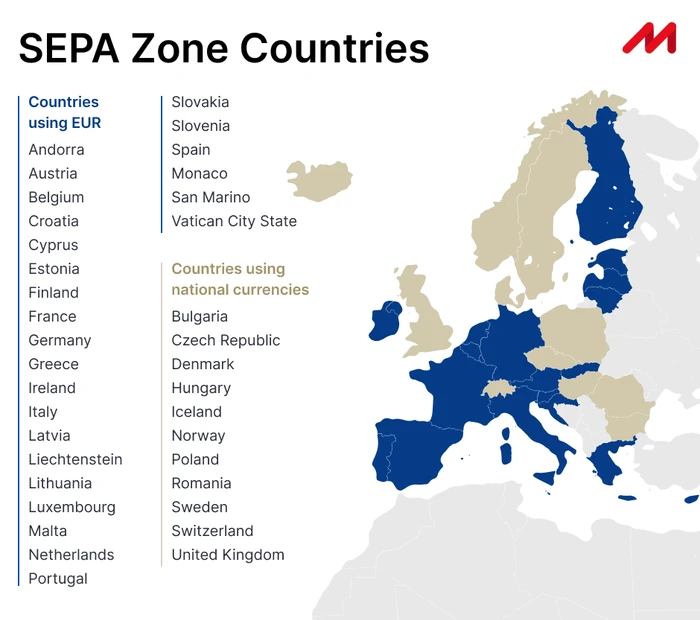
The Full Geography: Identifying the 36 SEPA Countries
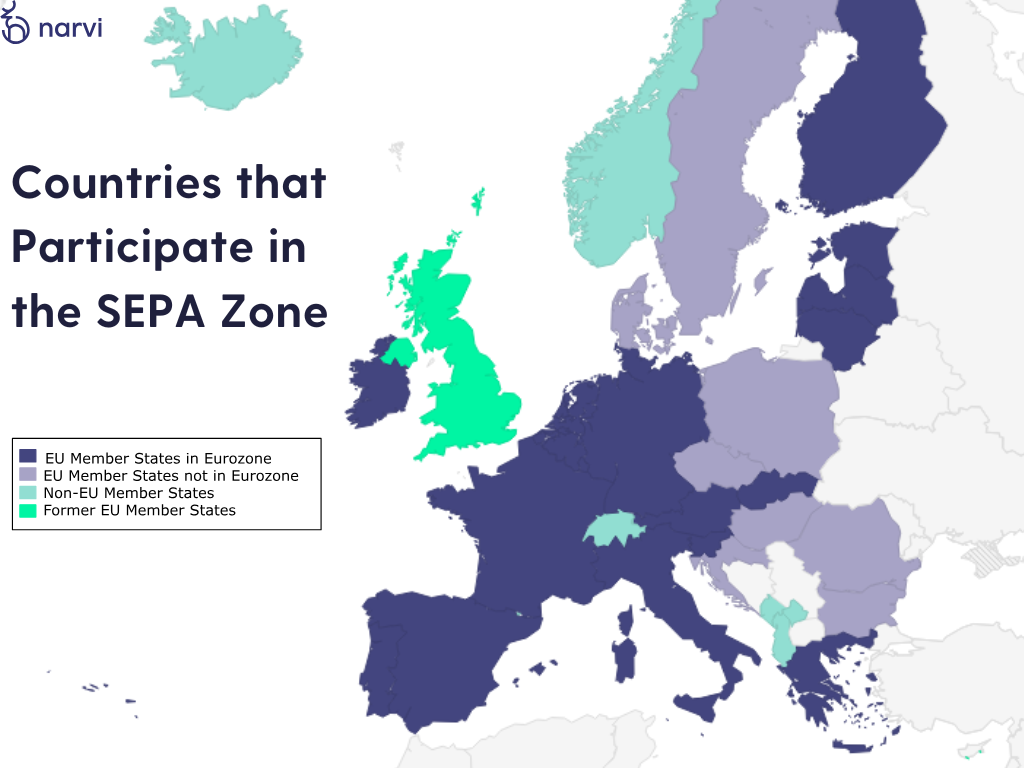
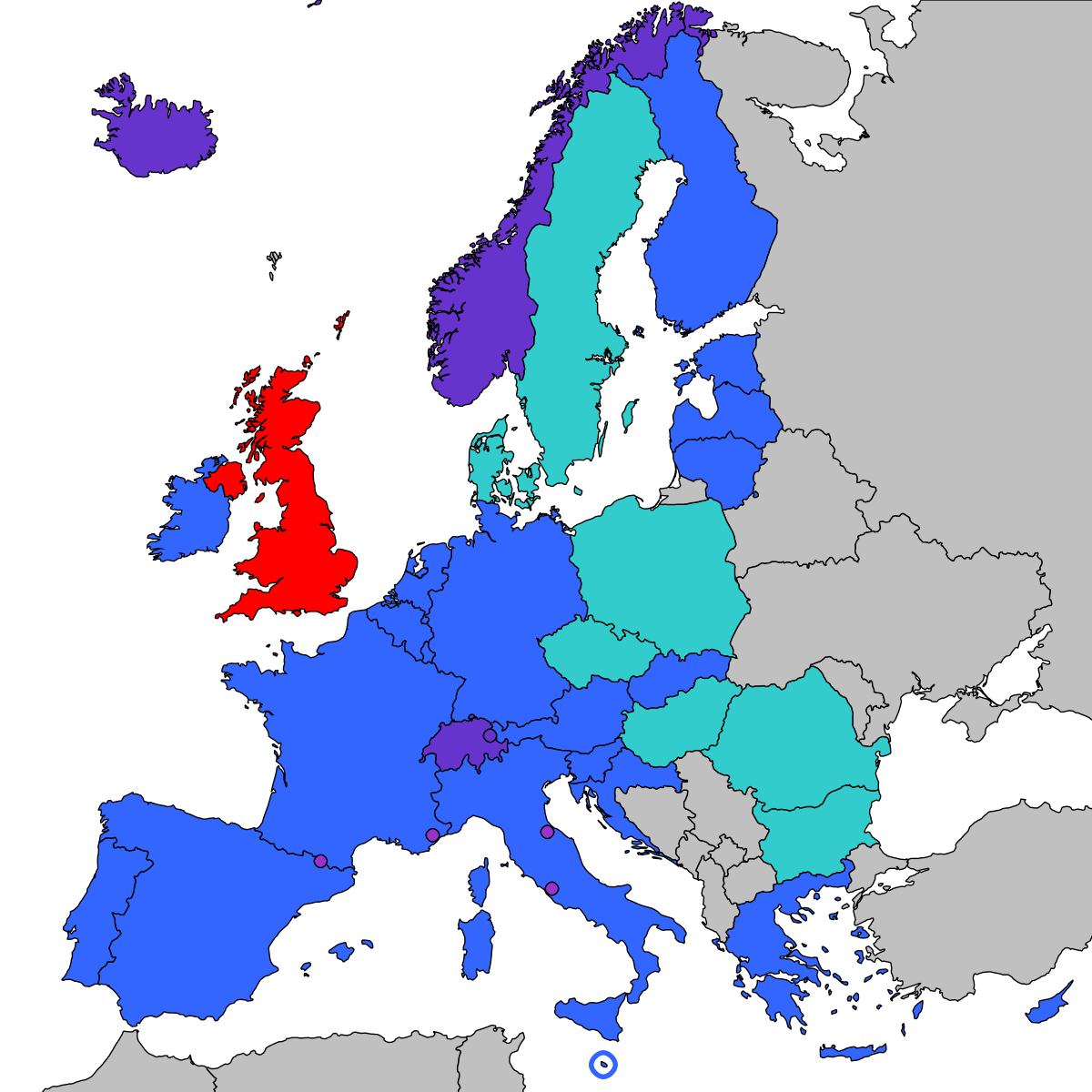
As of the current financial landscape, the SEPA zone comprises 36 countries. It is a common misconception that SEPA is limited strictly to the European Union or the Eurozone. In reality, the network extends to several non-EU nations that have agreed to adopt SEPA’s technical and legal standards to facilitate easier trade and financial interaction with the bloc.
The Eurozone Members
The core of the SEPA zone consists of the 20 countries that use the euro as their official currency. These include major economies like Germany, France, Italy, and Spain, as well as smaller nations like Estonia, Malta, and Cyprus. Within these countries, SEPA is the default method for virtually all electronic transfers, and the integration is seamless.
Non-Eurozone EU Members
SEPA also includes the seven European Union member states that have not yet adopted the euro: Bulgaria, Czech Republic, Denmark, Hungary, Poland, Romania, and Sweden. While these countries maintain their own national currencies, they are full participants in the SEPA schemes for euro-denominated transactions. If you are a business owner in Poland sending euros to a partner in Germany, you utilize the SEPA network, though your bank may apply a currency conversion fee if your primary account is in Polish Zloty.
Non-EU Participants and EFTA Members
The reach of SEPA extends beyond the political borders of the EU. The members of the European Free Trade Association (EFTA)—Iceland, Liechtenstein, Norway, and Switzerland—are all part of the SEPA zone. Furthermore, the United Kingdom remained a member of SEPA even after its exit from the European Union (Brexit). This continuity has been vital for maintaining the flow of capital and trade between the UK and the continent.
Microstates and Special Territories
Finally, SEPA includes several microstates that have close financial ties to the EU, namely Andorra, Monaco, San Marino, and Vatican City. Certain territories belonging to member states, such as the Canary Islands (Spain), the Azores (Portugal), and French Guiana (France), are also included. However, it is important to note that some overseas territories of EU countries, such as those associated with the Netherlands or the UK, may not be part of the SEPA zone.
The Financial Benefits of SEPA for Individuals and Businesses
The transition to a unified payment area has yielded massive dividends for those involved in business finance and personal wealth management. By treating the entire region as a single entity, SEPA has introduced efficiencies that were previously unattainable.
Reducing Transaction Costs
One of the most immediate benefits of the SEPA framework is the reduction or elimination of transfer fees. Under EU regulation, banks are prohibited from charging more for a cross-border SEPA transfer than they would for an equivalent domestic transfer in euros. For many modern digital banks and fintech platforms, this means that SEPA transfers are often entirely free, providing a massive advantage over the expensive SWIFT network traditionally used for international wires.
Speed and Efficiency of Transfers
Standard SEPA Credit Transfers typically settle within one business day. However, the introduction of SEPA Instant Credit Transfers has revolutionized liquidity management. This scheme allows for the transfer of funds in less than ten seconds, 24/7/365, across the entire SEPA zone. For businesses managing “just-in-time” supply chains or individuals needing to move funds urgently for investment opportunities, this speed is a game-changer.
Simplifying Cross-Border Side Hustles and Remote Work
In the modern economy, many individuals earn income through online side hustles, freelance work, or remote employment for foreign companies. SEPA makes this possible without the need to maintain multiple bank accounts across different countries. A freelancer living in Portugal can receive their salary from a company in Luxembourg directly into their local account using their IBAN, with no extra fees or delays. This “financial passporting” of bank accounts simplifies tax reporting and personal financial planning.
Key SEPA Payment Instruments: How Money Moves
To participate in the SEPA zone, financial institutions must adhere to specific payment schemes managed by the European Payments Council (EPC). There are three primary instruments that businesses and consumers use daily.
SEPA Credit Transfer (SCT)
The SEPA Credit Transfer is the standard “push” payment. It is used for one-off payments, such as paying a bill, sending money to a friend, or a business paying a vendor. It is the most common form of electronic payment in Europe. The system ensures that the full amount of the transfer reaches the recipient’s account without any deductions by intermediary banks.
SEPA Direct Debit (SDD)
The SEPA Direct Debit is a “pull” payment, allowing a creditor to collect funds from a debtor’s account, provided that a mandate has been signed. This is used extensively for recurring payments like utility bills, subscriptions, and mortgage repayments. For businesses, the SDD Core and SDD B2B schemes provide a powerful tool for managing receivables across borders, ensuring that they can collect payments from customers anywhere in the SEPA zone as easily as they do locally.
SEPA Instant Credit Transfer (SCT Inst)
As mentioned, SCT Inst is the “fast-track” version of the credit transfer. While not all banks in the SEPA zone are yet required to offer instant payments (though recent EU legislation is moving toward making this mandatory), those that do allow for the near-instantaneous movement of capital. This is particularly beneficial for high-frequency trading, real-time retail payments, and emergency business funding.
Strategic Financial Management: Navigating IBAN Discrimination
Despite the clear legal framework of SEPA, a challenge known as “IBAN discrimination” still persists in some corners of the market. This occurs when a company or employer refuses to accept an IBAN for a payment or direct debit simply because it is not from the same country where they are based.
For example, if a French utility company refuses to accept a German IBAN for a monthly bill, they are practicing IBAN discrimination, which is illegal under Article 9 of the SEPA Regulation. For the savvy financial manager, being aware of these rights is crucial. Modern fintech companies often provide IBANs from various jurisdictions, and the SEPA framework ensures that these accounts must be treated equally across all 36 member nations. Overcoming these hurdles allows for more centralized corporate treasury management, as a company can consolidate all its European operations into a single primary bank account.
The Future of SEPA in a Digital Economy
The SEPA zone is not a static entity; it continues to evolve in response to technological shifts and the rise of digital finance. As we look forward, several trends are set to further enhance the utility of this payment area.
Integration with Open Banking
The advent of PSD2 (Payment Services Directive 2) has paved the way for Open Banking, allowing third-party providers to initiate SEPA payments on behalf of users. This has led to the rise of “Payment Initiation Services,” which can be used at e-commerce checkouts to pay directly from a bank account via SEPA, bypassing traditional card networks like Visa or Mastercard. This often results in lower merchant fees and better security.
SEPA and the Rise of Fintech
The proliferation of “neobanks” and financial tools has been largely fueled by the SEPA infrastructure. These platforms leverage the standardized SEPA rails to offer cross-border accounts with minimal overhead. As these tools become more sophisticated, we are seeing the integration of SEPA payments with automated accounting software, tax compliance tools, and multi-currency wallets, making it easier than ever to manage a pan-European business portfolio.
The Prospect of the Digital Euro
While still in the investigative phase, the European Central Bank’s potential Digital Euro would likely be built to complement or integrate with the SEPA framework. A central bank digital currency (CBDC) could further accelerate the speed of transactions and provide a public alternative to private digital payment solutions, ensuring that the SEPA zone remains at the forefront of global financial innovation.
By understanding the scope and mechanics of the SEPA countries, individuals and businesses can navigate the European market with confidence. The ability to move capital freely, quickly, and at a low cost is the cornerstone of modern wealth management and corporate strategy in the 21st century. Whether you are an investor looking to diversify across the continent or an entrepreneur scaling a startup, the SEPA network is the essential tool that makes the European financial market truly borderless.
aViewFromTheCave is a participant in the Amazon Services LLC Associates Program, an affiliate advertising program designed to provide a means for sites to earn advertising fees by advertising and linking to Amazon.com. Amazon, the Amazon logo, AmazonSupply, and the AmazonSupply logo are trademarks of Amazon.com, Inc. or its affiliates. As an Amazon Associate we earn affiliate commissions from qualifying purchases.