
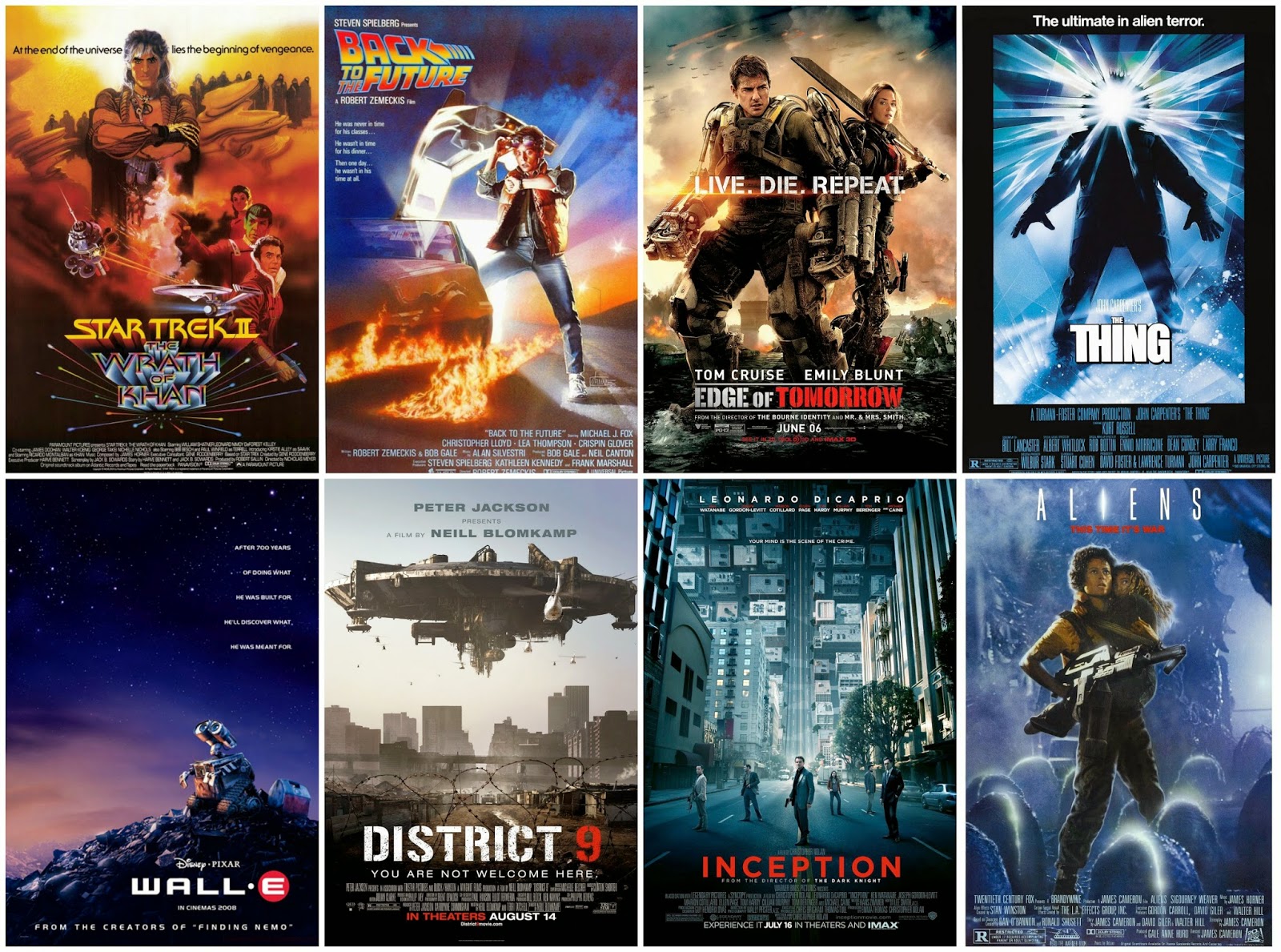
Science fiction movies have long served as more than just a source of escapism or cinematic wonder; they are a profound laboratory for the human imagination, exploring the intersection of humanity and technology. At its core, the science fiction (sci-fi) genre is defined by its focus on speculative science and the technological advancements that could redefine our existence. Whether it is the exploration of deep space, the creation of artificial sentience, or the visualization of dystopian futures governed by digital surveillance, sci-fi movies act as a mirror to our current technological trajectory and a blueprint for future innovation.

In the modern tech industry, the influence of sci-fi is undeniable. Silicon Valley engineers, software developers, and aerospace pioneers often cite cinematic masterpieces as the spark for their professional pursuits. To understand what science fiction movies are is to understand the narrative framework of technological evolution itself. They are stories that ask “What if?” regarding the tools we build and the digital frontiers we cross.
The Technological Architecture of Sci-Fi: Defining the Genre
To categorize a film as science fiction, one must look at the role technology plays within the narrative. Unlike fantasy, which relies on magic and the supernatural, sci-fi is grounded—however loosely—in scientific principles and the potential of human ingenuity.
The Speculative Nature of Sci-Fi Technology
The primary pillar of sci-fi is speculation. These films take existing technological trends, such as Artificial Intelligence (AI) or quantum computing, and project them decades or centuries into the future. By doing so, they allow us to test-drive the social and ethical consequences of these tools before they actually exist. For example, movies that feature ubiquitous high-speed networks or immersive virtual worlds allow us to contemplate the loss of privacy or the blurring of reality long before such tech becomes a consumer standard.
From Hard Sci-Fi to Cyberpunk: Technical Accuracy and Aesthetic
The genre is often divided into “hard” and “soft” science fiction. Hard sci-fi, such as 2001: A Space Odyssey or The Martian, prioritizes technical accuracy and the laws of physics. These movies are highly regarded by the tech community for their commitment to realistic engineering and orbital mechanics. Conversely, sub-genres like “Cyberpunk” focus on “high tech, low life.” Films like Blade Runner or Ghost in the Shell examine the integration of tech into the human body (cybernetics) and the societal decay that can occur when corporations control the digital infrastructure.
Science Fiction as a Blueprint for Real-World Innovation
One of the most fascinating aspects of science fiction movies is their ability to influence actual technological development. This phenomenon, often called “design fiction,” occurs when designers and engineers are inspired by the gadgets and interfaces seen on screen.
Communications and Handheld Gadgets: The Star Trek Influence
Perhaps the most famous example of sci-fi influencing hardware is the Star Trek communicator. Long before the first mobile phone was marketed, the concept of a wireless, handheld communication device was popularized on the bridge of the Enterprise. Similarly, the “PADD” (Personal Access Display Device) featured in later iterations of the series served as a direct conceptual predecessor to the modern tablet and iPad. These films didn’t just predict the future; they provided a visual target for researchers at companies like Motorola and Apple to aim for.
Gesture-Based Interfaces and Augmented Reality
The 2002 film Minority Report is frequently cited in the tech world for its depiction of gesture-based computing. The scene where Tom Cruise navigates a digital interface using hand movements in mid-air became a benchmark for User Interface (UI) and User Experience (UX) designers. Today, with the rise of Augmented Reality (AR) headsets like the Apple Vision Pro and Meta Quest, the “Minority Report interface” is no longer a cinematic trick—it is a functional software paradigm. Sci-fi movies provide the visual language that helps developers explain complex tech concepts to the general public.
The Ethical Frontier: AI and Digital Security in Film
As we move deeper into the era of Large Language Models (LLMs) and autonomous systems, the themes found in sci-fi movies regarding AI and digital security have moved from the fringe to the center of global tech policy discussions.
Artificial Intelligence: Sentience, Risk, and the Turing Test
Sci-fi movies are the primary medium through which society explores the “Alignment Problem”—the challenge of ensuring AI goals match human values. Films like Ex Machina and Her move away from the “killer robot” trope to explore the subtle, psychological complexities of human-AI interaction. They force us to consider the ethics of AI sentience and the potential for emotional manipulation. For tech professionals, these narratives serve as a reminder that building AI is not just a coding challenge, but a philosophical and ethical one.
Virtual Realities and the Risks of Digital Surveillance
The concept of the “Metaverse” was popularized in fiction, but movies like The Matrix and Tron provided the most visceral look at what happens when our lives are fully digitized. These films explore the tech-heavy themes of digital security, data encryption, and the loss of individual autonomy within a controlled network. In a world where data is the new oil, sci-fi movies warn us about the dangers of centralized digital control and the importance of cybersecurity. They visualize the “worst-case scenarios” of data breaches and algorithmic control, prompting modern developers to prioritize privacy-by-design.
Future Horizons: Biotechnology and Space Exploration
The scope of science fiction movies extends beyond the digital realm and into the very fabric of biology and the vastness of the cosmos. As our real-world tech pushes into CRISPR gene editing and private spaceflight, the genre continues to evolve.
Genetic Engineering and the Bio-Tech Revolution
Movies like Gattaca present a sophisticated look at the future of biotechnology. They explore a world where genetic profiles determine social status, touching on the tech-adjacent fields of bioinformatics and genomic sequencing. As we develop the ability to “code” DNA, these films provide a necessary critique of the potential for a new digital-biological divide. They highlight the need for strict ethical frameworks in the biotech industry, ensuring that innovation does not lead to a new form of technological eugenics.
Propulsion Systems and the Logistics of Interstellar Travel
The tech required for deep-space exploration is a recurring theme in sci-fi. Films like Interstellar and Ad Astra dive deep into the technicalities of cryosleep, wormholes, and relativistic time dilation. While some of these concepts remain theoretical, the visual representation of spacecraft—utilizing modular design and advanced life-support systems—parallels the work being done by organizations like SpaceX and NASA. These movies keep the public and the scientific community invested in the “long game” of technological progress, reminding us that the hardware we build today is the foundation for the interstellar journeys of tomorrow.

The Symbiotic Relationship Between Cinema and Silicon
In conclusion, science fiction movies are far more than a sub-category of the film industry; they are an integral part of the global technological ecosystem. They serve as a sandbox for innovators, a warning system for ethicists, and an inspiration for the next generation of engineers. By visualizing the “next big thing,” sci-fi movies help bridge the gap between abstract scientific theory and tangible consumer technology.
Whether it is through the depiction of sleek holographic displays, the exploration of the moral limits of artificial intelligence, or the envisioning of sustainable cities on distant planets, science fiction remains the ultimate “white paper” for the future. As long as there are inventors pushing the boundaries of what is possible, there will be science fiction movies to show them where we might go next—and what we should be careful of along the way. In the end, the genre proves that to build a better future, we must first be able to imagine it on the screen.
aViewFromTheCave is a participant in the Amazon Services LLC Associates Program, an affiliate advertising program designed to provide a means for sites to earn advertising fees by advertising and linking to Amazon.com. Amazon, the Amazon logo, AmazonSupply, and the AmazonSupply logo are trademarks of Amazon.com, Inc. or its affiliates. As an Amazon Associate we earn affiliate commissions from qualifying purchases.