
In an increasingly complex financial world, the fundamental concept of “savings” often gets oversimplified or, worse, overlooked. At its core, savings refers to the portion of income not spent on current consumption. It’s money set aside for future use, a deliberate act of deferring gratification to achieve future financial stability, security, or specific goals. However, to truly grasp the power and purpose of savings, one must delve deeper than this basic definition. Savings is not merely about accumulating money; it’s about building resilience, creating opportunities, and ultimately, securing peace of mind.
This article will meticulously explore the multifaceted nature of savings, dissecting its core principles, elucidating its profound importance, outlining various types and strategies, and addressing common hurdles. Understanding “what are savings” is the first critical step toward mastering personal finance and forging a robust financial future. It’s a journey from passive accumulation to active financial empowerment, paving the way for individuals to navigate life’s inevitable uncertainties and seize emerging opportunities with confidence.
The Fundamental Concept of Savings
Savings isn’t just about putting spare change into a jar; it’s a critical component of personal finance that underpins economic stability for individuals and nations alike. It’s a conscious decision to allocate current resources for future benefit, a practice that has evolved significantly from its rudimentary origins.
Beyond the Piggy Bank: A Modern Definition
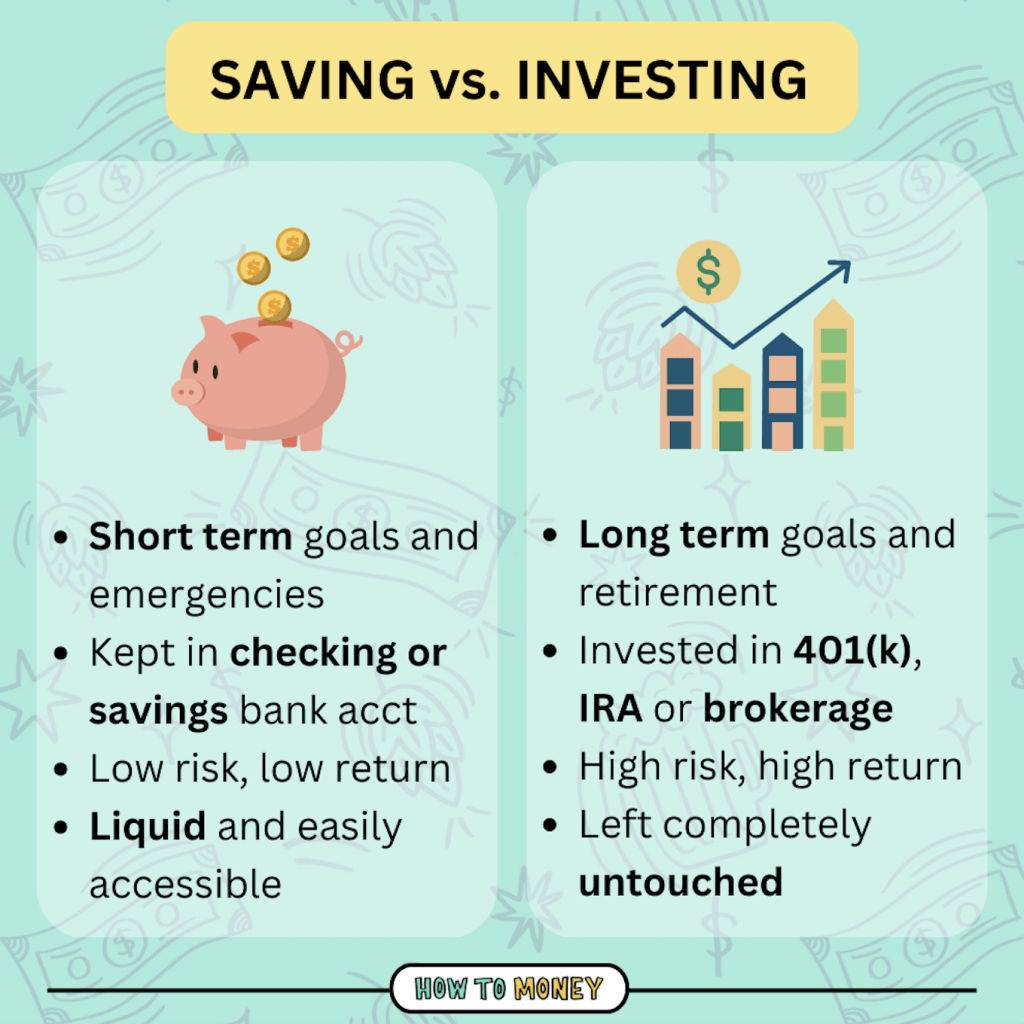
While the image of a child’s piggy bank remains a charming symbol, modern savings encompass a much broader and more sophisticated landscape. In contemporary terms, savings can refer to funds held in checking accounts, high-yield savings accounts, money market accounts, certificates of deposit (CDs), or even certain investment vehicles specifically earmarked for future expenditures. It’s liquid or semi-liquid capital that is readily accessible and relatively low-risk, distinct from long-term investments primarily focused on significant capital growth, though the lines can sometimes blur.
The defining characteristic of savings is its purpose: to provide a financial cushion, fund specific upcoming expenses, or serve as a foundational step towards larger investment goals. It’s about creating a buffer between current income and future needs, ensuring that anticipated outlays, or unexpected emergencies, do not derail one’s financial equilibrium. This deferred consumption is a strategic choice, reflecting foresight and a commitment to long-term well-being over immediate gratification.
The Psychological and Economic Drivers of Saving
The decision to save is influenced by a complex interplay of psychological and economic factors. Psychologically, saving is often driven by a desire for security, autonomy, and the pursuit of future happiness or freedom. The fear of uncertainty, the inherent human need for control, and the aspiration for specific life events (like homeownership or retirement) all motivate individuals to put money aside. Behavioral economics has shed light on how biases, such as present bias (preferring immediate rewards) and loss aversion (fear of losing money), can both hinder and help saving efforts.
Economically, savings are crucial for capital formation. For individuals, savings can become capital for personal investments, such as education or starting a business. On a macro level, aggregated individual savings contribute to the national pool of capital, which can then be borrowed by businesses for investment in new projects, driving economic growth and creating jobs. Interest rates, inflation, and economic stability all play significant roles in influencing saving behavior, with higher interest rates generally incentivizing more saving, and high inflation eroding the purchasing power of accumulated funds. Understanding these drivers is key to developing effective personal saving habits and policies that encourage economic prudence.
Why Saving Matters: The Pillars of Financial Security
The importance of savings cannot be overstated. It serves as the bedrock of personal financial security, offering protection, opportunity, and peace of mind in a world characterized by change and unpredictability. Without a robust savings habit, individuals are perpetually vulnerable to life’s curveballs and often miss out on significant opportunities for growth and advancement.
Building an Emergency Fund: Your First Line of Defense
Perhaps the most critical function of savings is the creation of an emergency fund. This dedicated pool of money is specifically designed to cover unexpected expenses or income disruptions, such as job loss, medical emergencies, car repairs, or urgent home repairs. Experts typically recommend having 3 to 6 months’ worth of essential living expenses stashed away in a readily accessible, low-risk account.
An emergency fund acts as a financial shock absorber, preventing minor setbacks from spiraling into major financial crises. Instead of resorting to high-interest credit cards or loans, which can trap individuals in cycles of debt, an emergency fund allows one to navigate these challenges without compromising their financial future. It provides a crucial safety net, insulating individuals from the most damaging effects of unforeseen circumstances and allowing them to recover more quickly.
Funding Future Goals: From Down Payments to Retirement
Beyond emergencies, savings are the primary mechanism for achieving significant life goals. Whether it’s making a down payment on a house, funding a child’s education, purchasing a new car, taking a dream vacation, or starting a business, these aspirations require substantial capital. Consistent saving, often directed into specific goal-oriented accounts, makes these ambitions attainable.
For many, the ultimate long-term financial goal is a comfortable retirement. Retirement savings, often channeled through tax-advantaged accounts like 401(k)s and IRAs, are a critical form of long-term saving that compounds over decades. Starting early and contributing consistently allows individuals to leverage the power of compound interest, transforming modest regular contributions into a substantial nest egg capable of supporting their post-working life. Without dedicated savings for these future goals, they often remain just dreams, perpetually out of reach.
Mitigating Financial Stress and Uncertainty
One of the less tangible, yet profoundly impactful, benefits of saving is the reduction of financial stress and the increase in overall well-being. Knowing that you have money set aside for emergencies and future goals provides a profound sense of security and control. This psychological relief allows individuals to make decisions based on what’s best for them, rather than being forced into difficult choices by financial constraints.
When unexpected expenses arise, individuals with savings can address them calmly, without the anxiety and panic that often accompany a lack of funds. This reduces stress, improves mental health, and frees up cognitive resources to focus on other aspects of life. Moreover, having a savings buffer provides the flexibility to take calculated risks, pursue new opportunities, or even take a break when needed, all contributing to a more resilient and fulfilling life. Savings isn’t just about money; it’s about buying peace of mind and unlocking freedom.
Different Types of Savings and How They Work
Just as there are different financial goals, there are various approaches and “types” of savings, each tailored to a specific timeframe and purpose. Understanding these distinctions is crucial for developing a comprehensive and effective savings strategy.
Short-Term Savings: Immediate Needs and Wants
Short-term savings are funds earmarked for expenses typically expected within the next 1-2 years. These savings are characterized by their accessibility and low-risk nature. The primary goal is preservation of capital and liquidity, rather than aggressive growth.
Examples of short-term savings goals include building an emergency fund, saving for a vacation, purchasing a new appliance, or covering holiday expenses. These funds are best kept in highly liquid accounts such as high-yield savings accounts or money market accounts. While the interest rates on these accounts may not be substantial, they offer safety and immediate access, ensuring the money is there when needed without exposure to market fluctuations. The focus here is on certainty and convenience, enabling individuals to address immediate financial needs without disruption.
Mid-Term Savings: Larger Purchases and Milestones
Mid-term savings are dedicated to goals that are typically 2-10 years away. These goals often involve larger sums of money and might include a down payment for a house, a new car, funding a child’s college education in the near future, or a significant home renovation.
For mid-term savings, a slightly more aggressive approach might be considered, though capital preservation remains important. While high-yield savings accounts can still be suitable, certificates of deposit (CDs) or short-term bond funds might also be explored for potentially higher returns, provided the investor is comfortable with the slightly reduced liquidity or minor market fluctuations. The key is to match the investment horizon with the risk tolerance, ensuring that the funds are available when the goal arrives, having grown modestly but securely. The planning for mid-term savings often requires a more structured approach, with specific targets and timelines.

Long-Term Savings: Retirement and Wealth Accumulation
Long-term savings refer to funds set aside for goals more than 10 years in the future, with retirement being the quintessential example. These savings are primarily focused on wealth accumulation and maximizing growth over an extended period.
Due to the long time horizon, long-term savings are typically invested in accounts that offer greater growth potential, such as stocks, mutual funds, exchange-traded funds (ETFs), or real estate. These investments carry higher risk than traditional savings accounts but also offer the potential for significantly higher returns through capital appreciation and compound interest. Tax-advantaged accounts like 401(k)s, 403(b)s, and IRAs are instrumental for long-term retirement savings, offering tax benefits that further accelerate growth. The strategy for long-term savings involves embracing market volatility with the understanding that historical trends suggest upward growth over decades. Patience, consistency, and diversification are paramount in this category, allowing the power of compounding to work its magic.
Strategies for Effective Saving in Today’s Economy
While the “what” and “why” of savings are crucial, the “how” often presents the greatest challenge. In an economy marked by inflation, varied income streams, and constant consumer temptation, deliberate and effective strategies are essential for building a robust savings habit.
Budgeting and Tracking Your Expenses
The cornerstone of any effective saving strategy is a clear understanding of your income and expenses. Budgeting provides a roadmap for your money, allowing you to allocate funds intentionally. By tracking every dollar earned and spent, you can identify where your money is actually going versus where you think it’s going. This visibility helps pinpoint areas where spending can be reduced or optimized, freeing up more money for savings.
Tools range from simple spreadsheets and pen-and-paper methods to sophisticated budgeting apps and software. The key is consistency. Regularly reviewing your budget and actual spending allows you to make informed adjustments, ensuring you stay on track with your saving goals. This process transforms abstract financial figures into actionable insights, making savings a tangible and manageable part of your financial life.
Automating Your Savings: The “Pay Yourself First” Principle
One of the most powerful and effortless saving strategies is automation, often encapsulated by the “Pay Yourself First” principle. This involves setting up automatic transfers from your checking account to your savings or investment accounts immediately after you get paid. By treating savings as a non-negotiable expense, much like rent or utilities, you prioritize your future financial well-being.
This strategy removes the psychological burden of “finding” money to save at the end of the month. If the money is moved automatically before you even see it in your checking account, you’re less likely to spend it. Most banks offer free automated transfer services, and employers often allow direct deposit into multiple accounts. Start with a small, manageable amount and gradually increase it as your income grows or your expenses decrease. Automation makes saving consistent, effortless, and highly effective.
Debt Management as a Catalyst for Savings
While seemingly distinct, effective debt management is intrinsically linked to building robust savings. High-interest debt, such as credit card balances, can severely impede your ability to save. The money spent on interest payments is money that could otherwise be contributing to your savings goals.
Prioritizing the reduction and elimination of high-interest debt, often using strategies like the debt snowball or debt avalanche, effectively “frees up” more discretionary income. Once debt payments are retired, those funds can be redirected directly into savings accounts or investment portfolios. Viewing debt repayment as a form of “negative savings” can be helpful; by reducing liabilities, you are effectively improving your net worth and creating greater capacity for positive savings in the future. It’s a crucial step in optimizing your financial flow.
Maximizing Your Savings Through Smart Choices
Beyond the foundational strategies, several smart choices can significantly enhance your saving potential. This includes opting for high-yield savings accounts that offer better interest rates than traditional banks, ensuring your money works harder for you even in a low-risk environment. Taking advantage of employer-sponsored retirement plans, especially those with matching contributions, is effectively receiving “free money” and a critical boost to long-term savings.
Regularly reviewing and negotiating recurring expenses like insurance premiums, subscription services, and utility bills can also free up substantial amounts. Furthermore, making conscious consumer choices, such as delaying gratification on non-essential purchases or seeking out alternatives, can reinforce your saving discipline. Financial literacy – continuously educating yourself about investment options, tax strategies, and market trends – also empowers you to make smarter decisions that maximize your saving and wealth accumulation efforts over time.
Overcoming Common Obstacles to Saving
Despite the clear benefits, many individuals struggle to save effectively. Understanding and addressing common obstacles is as important as implementing robust strategies. These challenges often stem from behavioral biases, economic realities, or a lack of financial discipline.
Tackling Lifestyle Inflation
Lifestyle inflation, also known as “lifestyle creep,” is a pervasive obstacle to saving. As income increases, so too does discretionary spending, leading to an expansion of wants that quickly become perceived needs. A raise, bonus, or promotion often triggers an upgrade in housing, vehicles, dining habits, or entertainment, rather than a proportional increase in savings. This continuous upward adjustment of living standards means that despite earning more, many individuals find their savings rate stagnant or even declining.
To combat lifestyle inflation, it’s crucial to consciously “pay yourself first” every time your income rises. Allocate a significant portion of any new income towards savings or investments before it becomes absorbed into increased expenses. Practice mindful spending, distinguishing between genuine needs and fleeting desires. Regularly review your budget to ensure your spending aligns with your values and financial goals, rather than passively allowing your lifestyle to expand to meet your income.
The Impact of Debt on Saving Capacity
As touched upon earlier, substantial debt, particularly high-interest consumer debt, is a formidable barrier to saving. When a significant portion of one’s income is allocated to debt servicing—making minimum payments, often mostly consisting of interest—there is little left over to put into savings. The psychological burden of debt can also be paralyzing, making the idea of saving seem futile or out of reach.
A focused and aggressive debt repayment plan is often the most effective “saving” strategy in such scenarios. By systematically eliminating high-interest debt, individuals not only free up cash flow for future savings but also reduce the overall cost of their financial life. Once debt is under control, the money previously used for payments can be redirected into building an emergency fund, investing for retirement, or saving for other goals, creating a positive feedback loop that accelerates wealth accumulation.
Cultivating Financial Discipline and Patience
Saving is not always glamorous or immediately rewarding; it requires consistent financial discipline and a healthy dose of patience. Instant gratification is often more appealing than the distant promise of a secure future, making it challenging to stick to a saving plan, especially when temptations arise. This lack of discipline can manifest as impulse purchases, neglecting to track expenses, or consistently dipping into savings for non-emergencies.
Cultivating financial discipline involves establishing clear goals, creating a realistic budget, automating savings, and regularly reviewing progress. Celebrating small milestones can provide positive reinforcement. Patience is equally vital, especially for long-term goals like retirement. Understanding the power of compound interest can be a strong motivator, as it illustrates how small, consistent contributions grow significantly over time. Surround yourself with supportive communities, seek advice from financial professionals, and continuously educate yourself to reinforce positive financial habits and maintain the discipline required for long-term saving success.
Conclusion
Understanding “what are savings” transcends a simple definition; it’s an exploration of financial prudence, foresight, and personal empowerment. Savings are not merely leftover money; they are a strategic allocation of resources designed to build resilience against life’s uncertainties, fund cherished future aspirations, and ultimately, pave the way for a life of greater financial freedom and less stress. From the foundational emergency fund that acts as a financial shield to the long-term retirement accounts that promise future independence, each form of saving plays a crucial role in constructing a robust financial edifice.
By embracing effective strategies such as disciplined budgeting, automating contributions, intelligently managing debt, and making smart financial choices, anyone can cultivate a powerful saving habit. While obstacles like lifestyle inflation and the allure of immediate gratification are real, they can be overcome with conscious effort, persistent discipline, and a clear vision of one’s financial future. Ultimately, saving is an act of self-care and a testament to one’s commitment to long-term well-being. It’s an ongoing journey, but one that undeniably lays the groundwork for a secure, prosperous, and peaceful financial life.
aViewFromTheCave is a participant in the Amazon Services LLC Associates Program, an affiliate advertising program designed to provide a means for sites to earn advertising fees by advertising and linking to Amazon.com. Amazon, the Amazon logo, AmazonSupply, and the AmazonSupply logo are trademarks of Amazon.com, Inc. or its affiliates. As an Amazon Associate we earn affiliate commissions from qualifying purchases.