
In the world of personal finance and high-stakes real estate investing, the most significant threats to a portfolio are often the ones that remain invisible until they become catastrophic. While investors frequently focus on interest rates, cap rates, and tenant acquisition, the physical integrity of the asset remains the primary bedrock of value. Within the realm of property maintenance and structural preservation, “roof flashings” represent one of the most critical, yet frequently overlooked, components of a sound financial strategy.
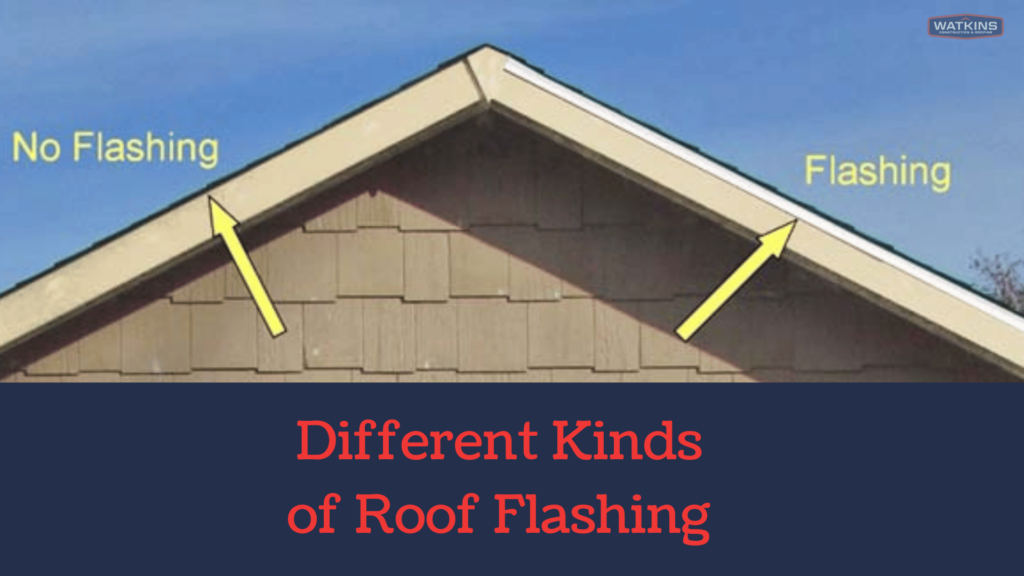
Technically, roof flashings are thin pieces of impervious material—typically galvanized steel, aluminum, or copper—installed to prevent water from passing into a structure from a joint or angle. However, from a financial perspective, roof flashings are a high-leverage risk management tool. They are the primary line of defense against moisture-related depreciation. Understanding the mechanics and the economic implications of roof flashings is essential for any property owner, house flipper, or commercial real estate mogul looking to protect their equity and ensure long-term profitability.
The ROI of Preventative Maintenance: Why Flashings are a Financial Priority
The fundamental principle of personal finance is the preservation of capital. In real estate, this translates to maintaining the structural integrity of the asset to prevent “leaks” in the cash flow. Roof flashings are strategically placed at the most vulnerable points of a building: chimneys, dormers, vent pipes, and valley transitions.
Avoiding Capital Expenditure (CapEx) Blowouts
A failure in a few dollars’ worth of flashing can lead to tens of thousands of dollars in interior damage. When water bypasses a flashing seal, it doesn’t just damage the roof deck; it migrates into the insulation, creates mold in the drywall, and can eventually compromise the structural framing. For an investor, this represents a transition from a low-cost operational expense (OpEx) to a massive, unplanned capital expenditure (CapEx). By prioritizing the inspection and maintenance of flashings, investors can extend the lifecycle of the entire roofing system by 25–40%, significantly improving the Net Present Value (NPV) of the property.
Impact on Property Valuation and Resale
During the due diligence phase of a property sale, savvy buyers and institutional investors pay close attention to the “envelope” of the building. Corroded or improperly installed flashings are a red flag for inspectors. In a competitive market, these defects become powerful negotiation chips that buyers use to demand “credits” or price reductions. Conversely, a documented history of professional flashing maintenance signals to the market that the asset has been meticulously managed, allowing the seller to command a premium price and justify a lower cap rate based on reduced future risk.
Strategic Budgeting: The Economics of Flashing Materials and Labor
When managing a real estate portfolio, the choice of materials is a direct reflection of your financial horizon. Not all flashings are created equal, and the “cheapest” option often results in the highest Total Cost of Ownership (TCO).
Materials vs. Labor Costs: The “Buy Once, Cry Once” Philosophy
In the roofing industry, labor typically accounts for the largest portion of the invoice. This creates a financial opportunity: the price delta between a low-grade aluminum flashing and a high-performance copper or stainless steel flashing is relatively small when viewed as a percentage of the total job cost. For long-term “buy and hold” investors, investing in premium, corrosion-resistant metals like 24-gauge galvanized steel or copper is a hedge against inflation. These materials can last 50 years or more, effectively removing the need for a second or third replacement cycle within the investment’s holding period.
Lifecycle Cost Analysis
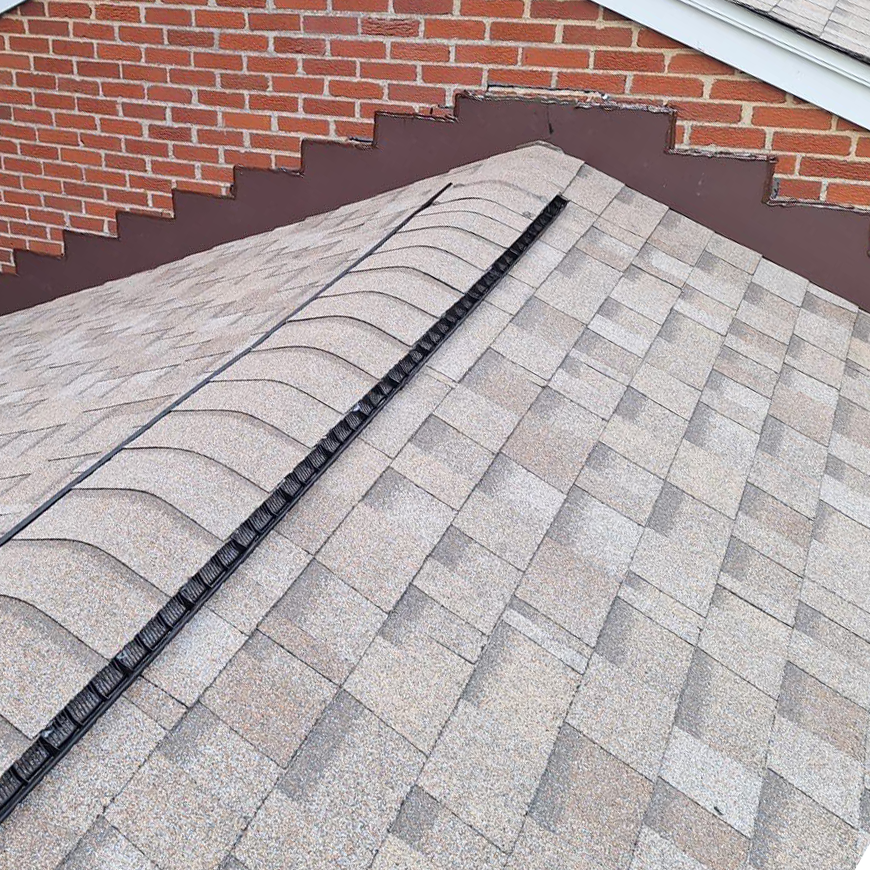
A lifecycle cost analysis (LCCA) reveals that “economy-grade” roof flashings often fail within 10 to 15 years due to thermal expansion and contraction. In contrast, high-quality, professionally integrated flashings often outlast the shingles themselves. From a business finance perspective, it is almost always more profitable to over-spec the flashing during the initial roof installation than to pay for a specialized repair crew to “rip and replace” flashings five years later. The cost of a specialized repair is disproportionately high because of the surgical nature of the work, making preventative quality a superior financial move.
Risk Management and Insurance: Mitigating Liability through Structural Integrity
Insurance is a cornerstone of financial planning. However, many property owners fail to realize how roof flashings directly impact their insurability and the cost of their premiums.
Mitigating Liability and Insurance Premiums
Water damage is the leading cause of insurance claims in both residential and commercial real estate. Insurance companies are increasingly using aerial drone technology and AI-driven risk modeling to assess roof conditions before renewing policies. If flashings appear neglected or are visibly failing, insurers may increase premiums, exclude water damage coverage, or deny the policy altogether. By maintaining robust roof flashings, a business owner reduces the probability of a “loss event,” which helps maintain a clean claims history and keeps insurance costs—a major line item in property management—predictable and low.
Due Diligence during Acquisitions
For those involved in the “side hustle” of house flipping or the professional pursuit of distressed asset acquisition, the roof flashing is a diagnostic tool. A roof with “layered” or “caulked” flashings (rather than properly stepped or counter-flashed ones) is an indicator of “lipstick on a pig” renovation tactics. Identifying these shortcuts during the inspection period allows an investor to renegotiate the purchase price or walk away from a potential money pit. It is a critical component of the “margin of safety” that prevents a promising investment from turning into a financial liability.
Strategic Financial Planning for Roof Life Cycles
Ultimately, the management of roof flashings is an exercise in long-term financial foresight. It requires moving away from a “break-fix” mindset toward a proactive asset management strategy.
Financing Options for Commercial Roofing
For commercial property owners, the maintenance or replacement of roof flashings can often be bundled into larger energy-efficiency upgrades or structural renovations. Utilizing tools like PACE (Property Assessed Clean Energy) financing or low-interest SBA (Small Business Administration) loans can allow an owner to upgrade their roofing system—including high-performance flashings—with zero upfront capital. This preserves liquid cash for other investments while the repair pays for itself through increased property value and decreased maintenance costs.

Tax Implications and Depreciation
From a tax perspective, the way roof flashing work is categorized can have significant implications for a business’s bottom line. General repairs and maintenance (keeping the property in an ordinarily efficient operating condition) are typically deductible as business expenses in the year they are incurred. However, a full roof replacement is a capital improvement that must be depreciated over 27.5 years (residential) or 39 years (commercial). Understanding where flashing work falls under current tax codes—such as the Section 179 deduction for certain roof improvements—allows a property owner to maximize their tax efficiency and improve their annual cash flow.
In conclusion, “what are roof flashings?” is a question with a two-part answer. Technically, they are barriers to moisture. Financially, they are barriers to loss. Whether you are a retail investor managing a single-family rental or a corporate treasurer overseeing a massive industrial portfolio, the humble roof flashing is a vital variable in your wealth-building equation. By treating these structural components as strategic financial assets, you protect your equity, minimize your liabilities, and ensure that your real estate investments remain “waterproof” in every sense of the word.
aViewFromTheCave is a participant in the Amazon Services LLC Associates Program, an affiliate advertising program designed to provide a means for sites to earn advertising fees by advertising and linking to Amazon.com. Amazon, the Amazon logo, AmazonSupply, and the AmazonSupply logo are trademarks of Amazon.com, Inc. or its affiliates. As an Amazon Associate we earn affiliate commissions from qualifying purchases.