
In the realm of modern architecture and construction technology, the “roof” is no longer just a protective lid over a building; it is a sophisticated data-driven system. At the heart of this system lies the rafter. To the untrained eye, rafters are simply the sloped wooden beams that support a roof’s deck. However, through the lens of modern technology, rafters represent a complex intersection of structural engineering, parametric design, and material science. Understanding what rafters are in today’s tech-forward construction landscape requires looking past the timber and into the software and innovations that make modern shelter possible.
The Engineering Logic of Rafters in the Digital Age
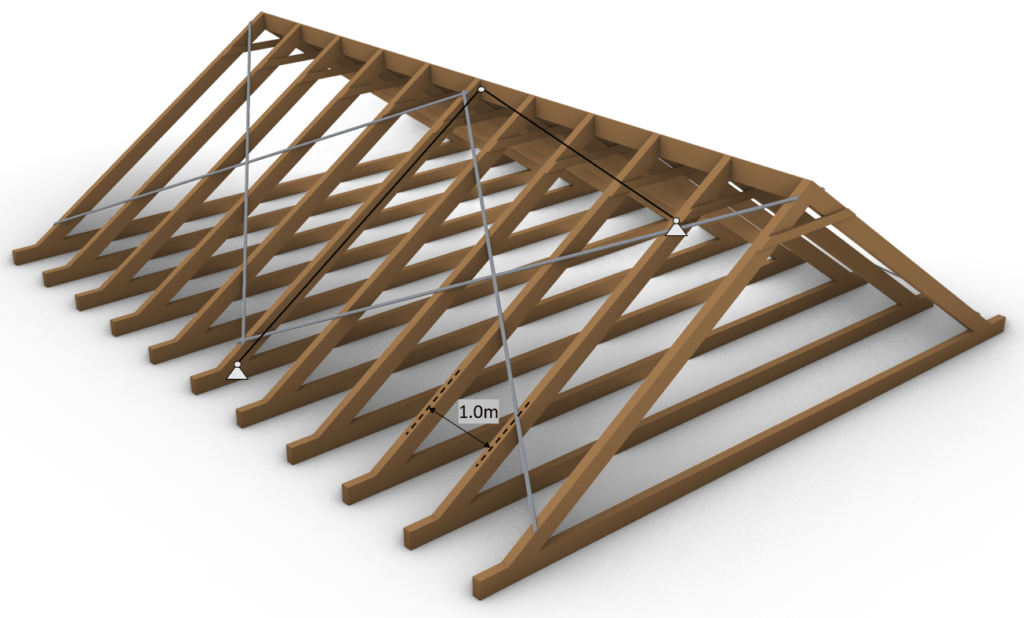
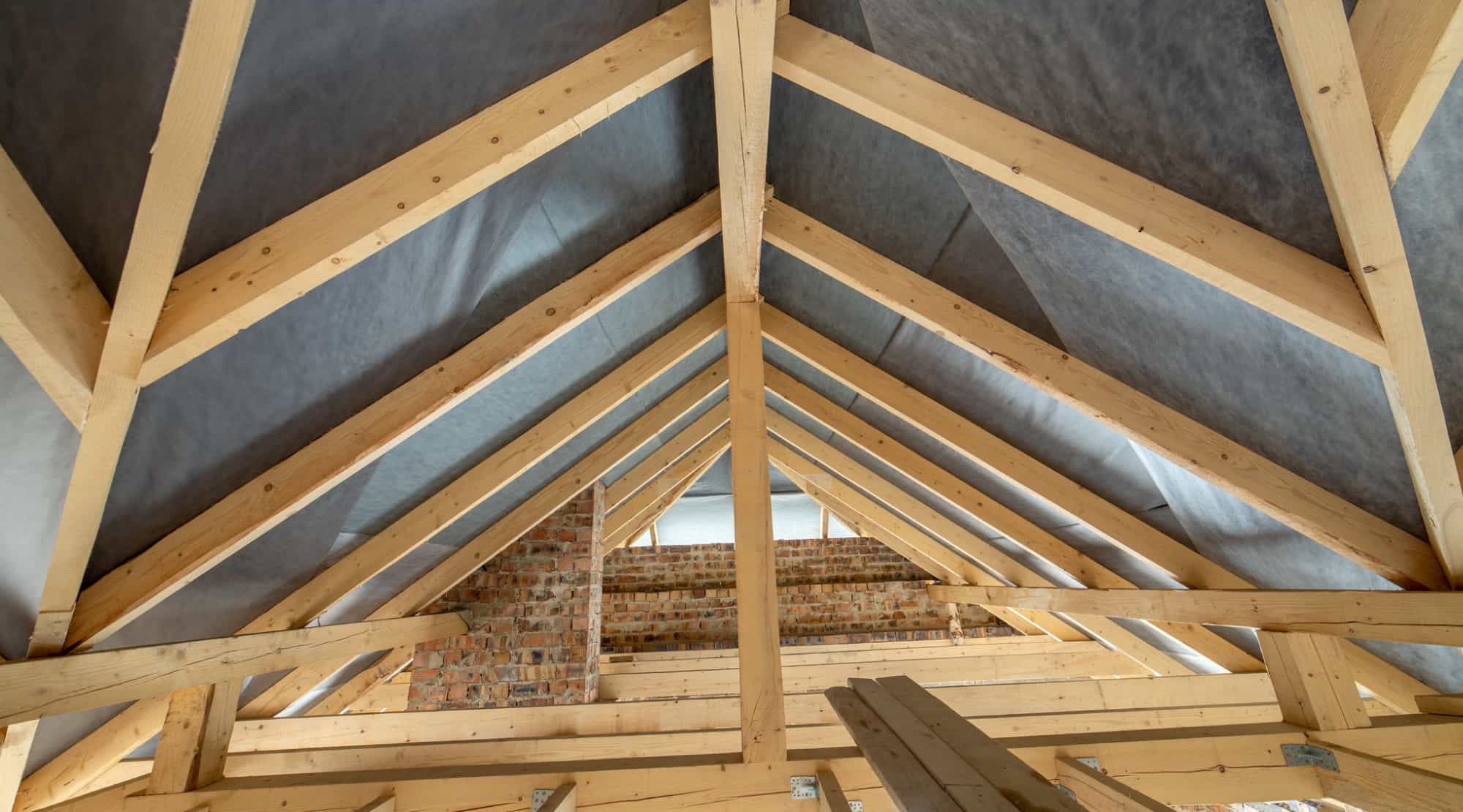
Traditionally, a rafter is defined as one of several internal beams extending from the eaves to the peak of a roof, providing the structural framework for the roof covering. In the past, these were calculated using manual geometry and “rule of thumb” carpentry. Today, the definition has evolved. In a tech-centric environment, rafters are the physical manifestation of structural load-path algorithms.
From Euclidean Geometry to Parametric Modeling
The transition from hand-drawn blueprints to Building Information Modeling (BIM) has fundamentally changed how we conceptualize rafters. Architects now use parametric modeling software—such as Rhino with Grasshopper or Autodesk Revit—to define the rafter’s role. In these environments, a rafter is a dynamic component. If a designer changes the pitch of the roof in the software, the rafters automatically resize, recalculate their volume, and adjust their joinery logic. This automation ensures that the “bones” of the roof are mathematically perfect before a single piece of wood is cut.
Load-Bearing Algorithms: How Software Calculates Stress
Modern rafters must withstand a variety of forces: “dead loads” (the weight of the roof materials themselves), “live loads” (temporary weight like workers), and environmental loads (snow, wind, and seismic activity). Technology has replaced manual load tables with Finite Element Analysis (FEA). This software simulates how a rafter will behave under extreme conditions, identifying potential points of failure. By inputting local climate data into the design software, engineers can determine the exact spacing (on-center measurement) and thickness required for rafters to ensure maximum safety with minimum material waste.
Building Information Modeling (BIM) and Rafter Accuracy
In the modern construction workflow, a rafter is a “smart object” within a BIM ecosystem. This means that a virtual rafter carries metadata—information about its material grade, moisture content, carbon footprint, and cost. This integration of technology ensures that the structural framework of the roof is synchronized with every other aspect of the building’s lifecycle.
Real-time Collaboration in Cloud-Based Architectural Suites
One of the greatest technological leaps in roofing is the ability for multi-disciplinary teams to collaborate on the roof structure in real-time. Using cloud-based platforms like Procore or BIM 360, a structural engineer can modify a rafter’s specification in London, and a site supervisor in New York will see the update instantly on their tablet. This eliminates the “version control” errors that historically led to rafters being cut to the wrong dimensions, saving thousands of dollars in tech-enabled precision.
Reducing Material Waste through Precision Cutting Software
Once the rafter design is finalized in a digital environment, the data is exported to Computer Numerical Control (CNC) machines. Traditional “stick framing”—where rafters are cut by hand on-site—is increasingly being replaced by off-site prefabrication. Tech-driven saws use the BIM data to cut rafters with sub-millimeter accuracy, including complex birdsmouth joints and ridge cuts. This precision not only ensures a tighter, more energy-efficient roof envelope but also significantly reduces timber waste, aligning structural tech with modern sustainability goals.
Smart Materials and the Evolution of Rafter Composition

The “what” of rafters is changing just as much as the “how.” While traditional lumber remains common, technology has introduced engineered materials that outperform natural wood in every metric. These materials are the product of advanced chemical engineering and high-pressure manufacturing processes.
Engineered Wood Products (EWPs) vs. Traditional Timber
The most significant technological advancement in rafter materials is the rise of Engineered Wood Products (EWPs), such as Laminated Veneer Lumber (LVL) and Glulam. Unlike a standard 2×10 board cut from a single tree, an LVL rafter is composed of thin layers of wood veneers bonded together with high-tech adhesives under intense heat and pressure.
From a tech perspective, these rafters are superior because they are “isotropic”—they have uniform strength properties throughout. Natural wood has knots and grain deviations that act as structural “bugs” or glitches. Engineered rafters are programmed for consistency, allowing for much longer spans and thinner profiles without the risk of warping or splitting.
Integrating IoT Sensors within Rafter Frameworks
The most futuristic application of technology in rafters is the integration of the Internet of Things (IoT). In high-end commercial tech-hubs and “smart” homes, sensors are being embedded directly into the rafter systems. These sensors monitor moisture levels, wood temperature, and structural deflection (bending).
If a leak occurs in the roof membrane, the moisture sensor in the rafter can send an alert to the building manager’s smartphone before the water even reaches the ceiling. This shift turns the rafter from a passive structural element into an active component of the building’s “nervous system,” utilizing data to prolong the life of the asset.
AI and Generative Design in Roof Framing
Artificial Intelligence is the latest frontier in defining what rafters can be. We are moving away from standard “A-frame” roofs toward generative designs that optimize for factors humans might overlook, such as solar gain or aerodynamic wind resistance.
Generative Design: Letting AI Optimize the Roof Plan
With generative design software, an architect doesn’t draw the rafters. Instead, they input the constraints: the footprint of the building, the required snow load capacity, and the desired budget. The AI then runs thousands of simulations to find the most efficient rafter configuration. Often, these AI-generated structures look “organic” or “biomorphic,” placing rafters in patterns that maximize strength while using 30% less material than a human-designed equivalent. This is the pinnacle of construction tech—using raw computing power to redefine the very geometry of shelter.
Robotic On-Site Fabrication
Finally, the physical installation of rafters is being disrupted by robotics. In specialized tech-driven construction sites, robotic arms are being used to position and fasten rafters with a level of speed and safety that humans cannot match. These robots are guided by LIDAR and computer vision, ensuring that each rafter is placed exactly according to the digital twin model. This synergy between software and hardware represents the future of the industry, where the rafter is the bridge between a digital concept and a physical reality.
The Future of the Rafter
To ask “what are rafters in a roof” today is to ask about the state of modern structural technology. They are no longer just pieces of wood; they are the result of complex simulations, the subjects of precision CNC fabrication, and the hosts of intelligent sensors. As we move toward more sustainable and “smart” cities, the technology embedded within our roofs will only become more sophisticated.
The humble rafter has been digitized. It has been optimized by AI, strengthened by material science, and integrated into the global cloud. Whether you are an investor looking at the ROI of sustainable building tech or a developer utilizing BIM to streamline your workflow, understanding the technological depth of the rafter is essential. The roof over our heads is a masterpiece of engineering, held up by rafters that are as much a product of Silicon Valley logic as they are of traditional craftsmanship. In the intersection of these two worlds, we find the future of how we live, work, and build.
aViewFromTheCave is a participant in the Amazon Services LLC Associates Program, an affiliate advertising program designed to provide a means for sites to earn advertising fees by advertising and linking to Amazon.com. Amazon, the Amazon logo, AmazonSupply, and the AmazonSupply logo are trademarks of Amazon.com, Inc. or its affiliates. As an Amazon Associate we earn affiliate commissions from qualifying purchases.