
In the landscape of global economics, the concept of non-renewable resources serves as a cornerstone for industrial growth, geopolitical power, and investment strategy. From a financial perspective, a non-renewable resource is more than just a physical substance; it is a finite capital asset that cannot be replenished on a human timescale once it has been extracted and consumed. For investors, business leaders, and financial analysts, understanding the mechanics of these resources is essential for navigating market volatility, assessing long-term corporate viability, and capitalizing on the shifting energy paradigm.
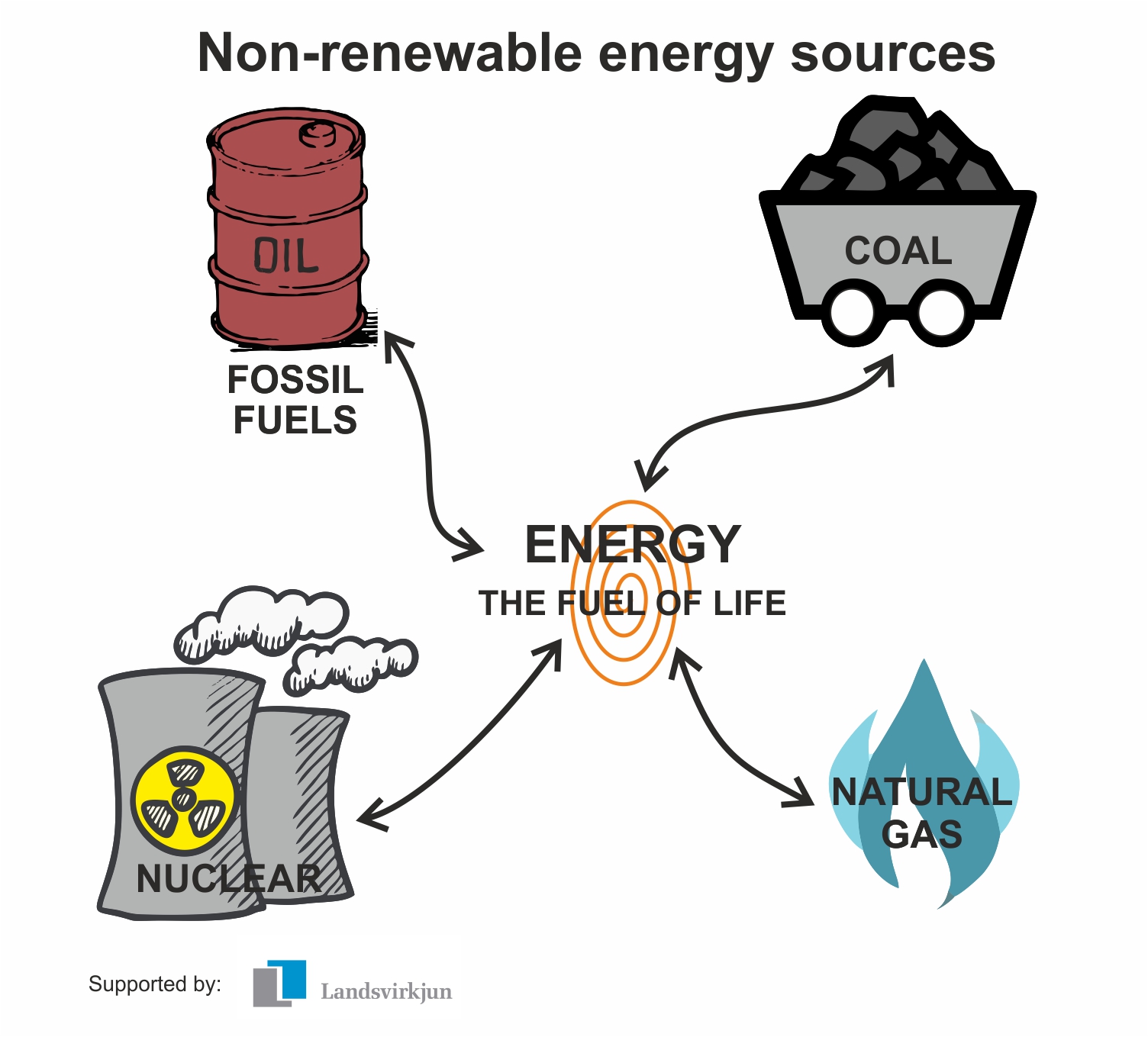
The value of non-renewable resources—ranging from fossil fuels like crude oil and coal to precious minerals and rare earth elements—is inherently tied to the principle of scarcity. As these resources are depleted, their “scarcity rent” increases, influencing global inflation rates, trade balances, and the valuation of multinational corporations. This article explores the financial intricacies of non-renewable resources, their role in modern investment portfolios, and the economic challenges posed by their inevitable exhaustion.
The Financial Taxonomy of Non-Renewable Resources
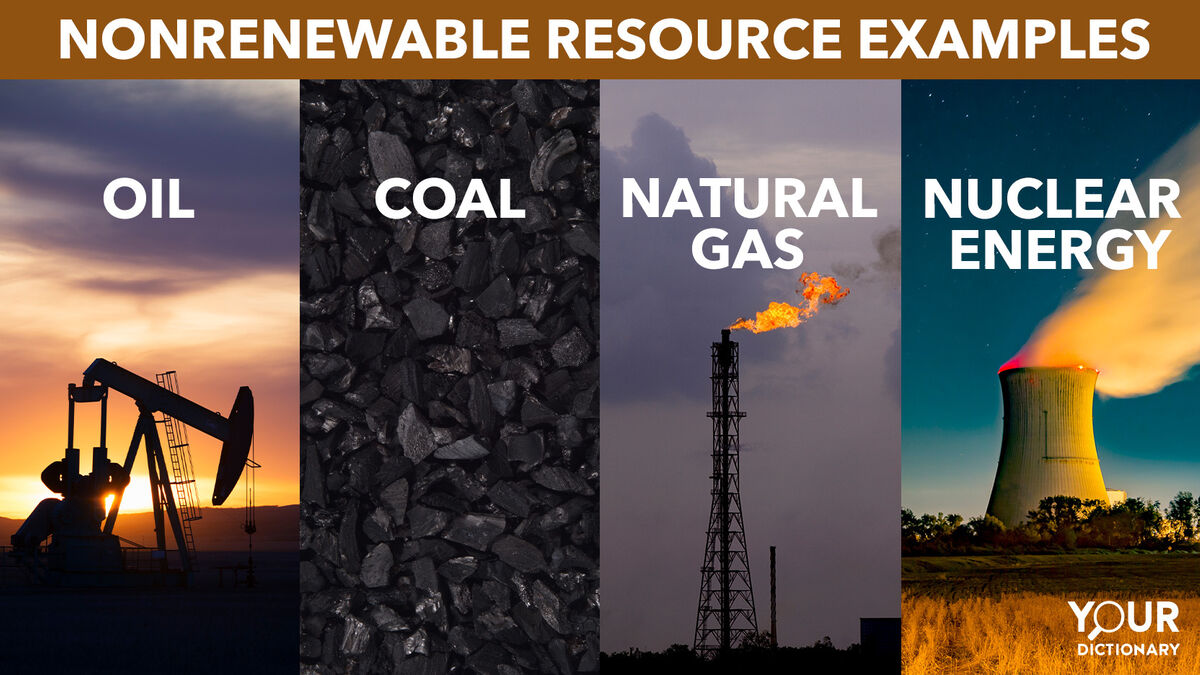
To manage a portfolio or a corporate balance sheet effectively, one must first categorize non-renewable resources based on their utility and market behavior. In finance, these are generally divided into three primary sectors: fossil fuels, mineral commodities, and nuclear fuels. Each carries a unique risk profile and set of market drivers.
Fossil Fuels and the Energy Market
Fossil fuels, including petroleum, natural gas, and coal, remain the most heavily traded non-renewable resources in the world. From a “Money” perspective, these are high-liquidity assets. Crude oil, often referred to as “black gold,” serves as a primary benchmark for global economic health. When oil prices rise, production costs across nearly every industry follow suit, leading to cost-push inflation. Investors track indices like West Texas Intermediate (WTI) and Brent Crude not just to trade the commodity, but to hedge against broader market downturns.
Industrial and Precious Minerals
Unlike fossil fuels, which are consumed for energy, minerals like copper, iron ore, gold, and lithium are utilized in production and as stores of value. In the financial sector, gold is the ultimate non-renewable “safe haven” asset, often used to hedge against currency devaluation. Meanwhile, “battery metals” like lithium and cobalt have seen a massive influx of venture capital and speculative investment due to their essential role in the technology supply chain. The finite nature of these minerals creates a “supply-demand crunch” that can lead to exponential returns for early-stage mining investors.
Nuclear Energy: Uranium as a Controlled Asset
Uranium is a distinct category of non-renewable resource. While it is not a fossil fuel, it is finite. The market for uranium is highly regulated and characterized by long-term contracts rather than the high-frequency spot trading seen in oil. For institutional investors, uranium represents a bet on a “decarbonized” but energy-intensive future, offering a hedge against the intermittency issues of renewable energy sources like wind and solar.
Non-Renewable Resources in Modern Portfolio Theory
For decades, non-renewable resources have been a staple of diversified investment portfolios. Their inclusion is often justified by their low correlation with traditional equities and bonds, providing a buffer during periods of geopolitical instability or high inflation.
Commodity Trading and Hedging
Institutional investors use non-renewable resources as a hedge. Because the prices of commodities like natural gas often move independently of the S&P 500, they provide essential diversification. Futures contracts allow airlines, manufacturing firms, and logistics companies to “lock in” prices for non-renewable inputs, protecting their profit margins from sudden price spikes. For the individual investor, Exchange Traded Funds (ETFs) provide a way to gain exposure to these resources without the need to hold physical barrels of oil or gold bullion.
Dividend Yields and the “Value” Factor
Major corporations involved in the extraction and processing of non-renewable resources—often referred to as “Big Oil” or “Mining Giants”—are traditionally viewed as value stocks. Companies like ExxonMobil, Chevron, or Rio Tinto have historically provided high dividend yields, making them attractive to income-focused investors. These companies possess massive “proved reserves,” which are essentially underground bank accounts of non-renewable wealth that underpin the company’s market capitalization.
The Impact of Volatility on Capital Expenditure
The non-renewable sector is notorious for its “boom and bust” cycles. When prices are high, companies pour billions into capital expenditure (CapEx) to find new deposits. When prices crash, these projects are mothballed, leading to supply shortages years down the line. Understanding this cycle is vital for “Money” focused professionals who seek to time their entry into the energy or materials sectors.
The Macroeconomics of Depletion and Supply Chains
The transition of a resource from “in the ground” to “on the market” involves complex economic theories, most notably Hotelling’s Rule, which suggests that owners of non-renewable resources will only produce if the price is expected to rise at a rate at least equal to the interest rate.
The “Peak Oil” Theory and Price Elasticity
A recurring theme in the economics of non-renewables is the concept of “Peak Oil”—the point at which the maximum rate of extraction is reached. While technological advancements like hydraulic fracturing (fracking) have pushed this date further into the future, the economic reality remains: as the “easy” resources are extracted, the marginal cost of production rises. This increases the “break-even” price for energy companies, which eventually trickles down to consumer prices and affects the purchasing power of the general public.
Geopolitical Risk and the Petrodollar
Non-renewable resources are rarely distributed evenly across the globe. This geographical concentration creates significant geopolitical risk. The “Petrodollar” system, where international oil sales are denominated in U.S. dollars, provides the United States with significant financial leverage and influences global liquidity. For investors, a conflict in a resource-rich region like the Middle East or Eastern Europe isn’t just a political event; it is a direct threat to the global supply chain that can wipe out trillions in market value overnight.
The Resource Curse and Emerging Markets
From a developmental finance perspective, many nations suffer from the “resource curse” or “Dutch Disease.” This occurs when a country’s reliance on exporting non-renewable resources leads to an overvalued currency, making other sectors of the economy (like manufacturing) less competitive. Investors looking at emerging markets must carefully evaluate whether a country is using its finite resource wealth to diversify its economy or if it is trapped in a cycle of commodity dependence.
The Financial Transition: Stranded Assets and ESG
The most significant shift in the “Money” niche regarding non-renewable resources is the rise of Environmental, Social, and Governance (ESG) investing. This movement is fundamentally changing how capital is allocated to finite resource projects.
The Threat of Stranded Assets
A “stranded asset” is something that has suffered from unanticipated or premature write-downs, devaluations, or conversion to liabilities. In the context of non-renewables, there is a growing financial fear that as carbon taxes increase and renewable technology becomes cheaper, vast reserves of coal and oil will become “unburnable.” If these reserves cannot be extracted and sold, the valuations of the companies holding them could collapse. This represents a systemic risk to the global financial system, prompting central banks to conduct “climate stress tests” on major lending institutions.
The Shift Toward Green Finance
As the world pivots toward a circular economy, capital is migrating from non-renewable extraction to renewable infrastructure. However, this transition itself is ironically dependent on non-renewable minerals. To build solar panels and electric vehicle batteries, the world requires a massive increase in the mining of silver, copper, and lithium. This has created a new investment frontier: “Green Mining.” Investors are now looking for companies that can extract these non-renewable minerals with the lowest possible carbon footprint, blending the old world of mining with the new world of sustainable finance.
Carbon Pricing as a Financial Tool
Governments are increasingly using carbon pricing and cap-and-trade systems to internalize the “externalities” of non-renewable resource consumption. For a business, carbon is now a line item on the balance sheet. Companies that rely heavily on non-renewable energy sources face higher operational costs, while those that transition early to efficient or renewable sources gain a competitive financial advantage. Understanding the regulatory landscape of carbon credits is now a mandatory skill for modern financial analysts.

Conclusion: Navigating a Finite Future
Non-renewable resources are the engines that have powered the modern financial world, but their finite nature presents a unique set of challenges and opportunities for the “Money” sector. As an investor or business leader, the goal is not simply to avoid these resources, but to understand their evolving role in a changing global economy.
Whether it is hedging against inflation through gold, seeking dividends from established energy giants, or navigating the risks of stranded assets in a decarbonizing world, the financial mastery of non-renewable resources requires a balance of historical perspective and forward-looking strategy. As we move deeper into the 21st century, the most successful financial actors will be those who recognize that while the resources themselves may be limited, the opportunities for innovation and strategic capital allocation in the energy and materials sectors remain vast.
aViewFromTheCave is a participant in the Amazon Services LLC Associates Program, an affiliate advertising program designed to provide a means for sites to earn advertising fees by advertising and linking to Amazon.com. Amazon, the Amazon logo, AmazonSupply, and the AmazonSupply logo are trademarks of Amazon.com, Inc. or its affiliates. As an Amazon Associate we earn affiliate commissions from qualifying purchases.