
For many, purchasing a new car represents a significant life event, a blend of excitement and practical necessity. Yet, amidst the thrill of selecting the perfect model and features, a crucial element often takes center stage: the car loan rate. Understanding “what are new car loan rates” isn’t just about finding a good deal; it’s about making an informed financial decision that impacts your budget for years to come. In today’s dynamic economic climate, auto loan rates are a constantly shifting target, influenced by a myriad of factors from global economic indicators to individual creditworthiness. This comprehensive guide aims to demystify new car loan rates, offering insights into their determinants, how to secure the most favorable terms, and critical considerations that extend beyond the headline interest figure. Whether you’re a first-time buyer or a seasoned car owner, grasping the nuances of auto financing is paramount to driving away with not just a new vehicle, but also a smart financial outcome.
Understanding the Dynamics of Auto Loan Rates
The interest rate you secure on a new car loan is not a static figure; it’s a dynamic variable influenced by a complex interplay of personal financial health, market conditions, and lending institution policies. Grasping these underlying dynamics is the first step toward becoming an empowered car buyer.
Key Factors Influencing Your Interest Rate
Several individual-specific factors weigh heavily on the interest rate lenders are willing to offer you. The stronger you are in these areas, the lower your potential rate.
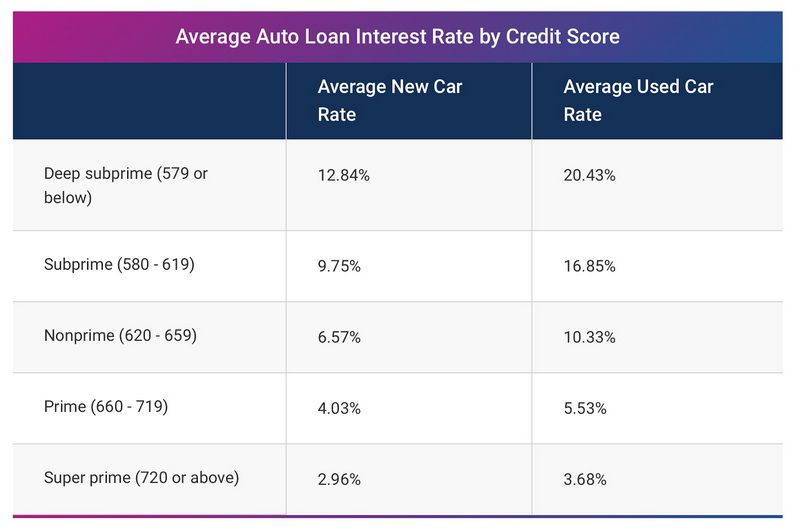
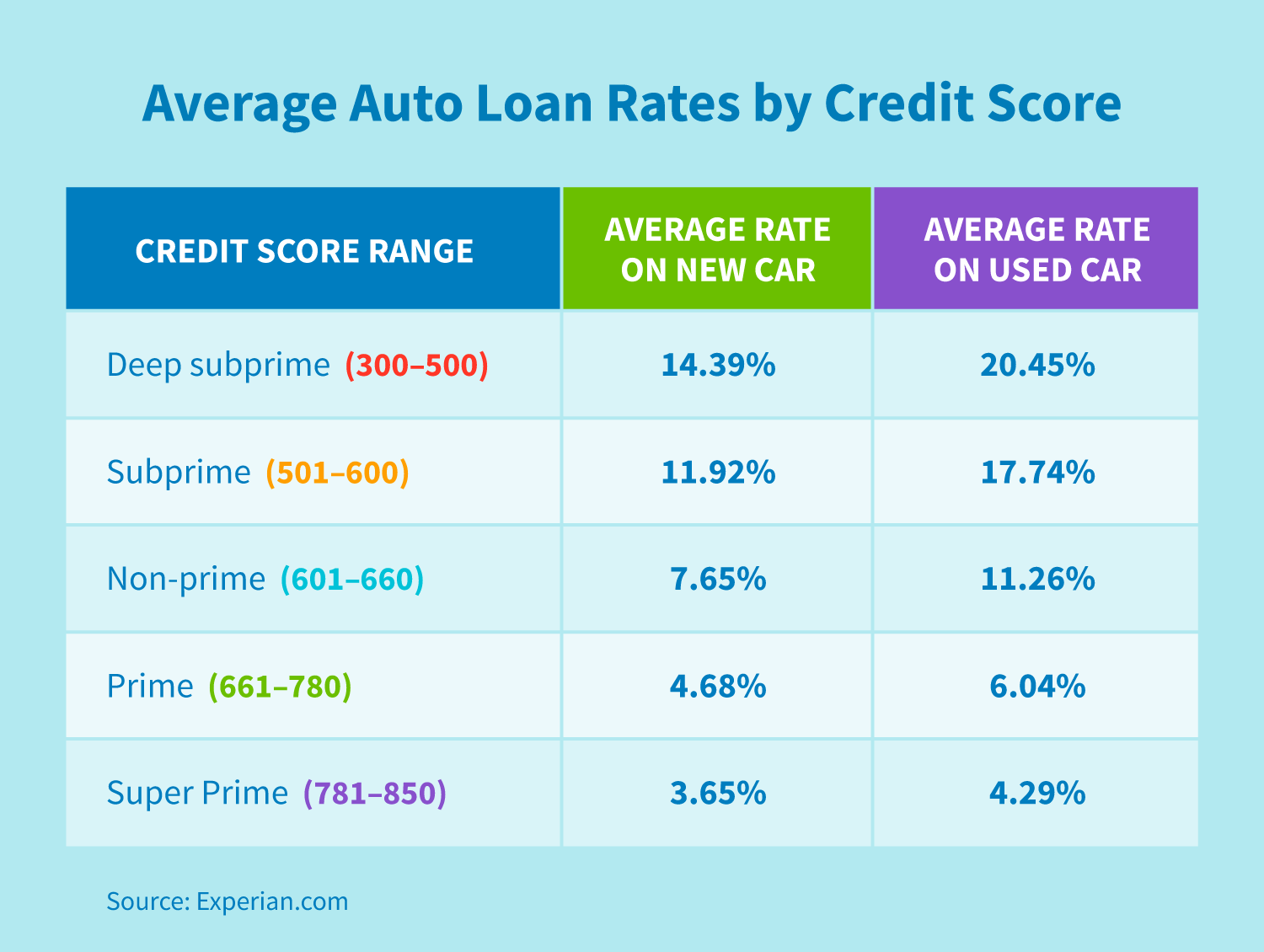
- Credit Score: This is arguably the most significant determinant. A higher credit score (generally 720 and above for “excellent” credit) signals to lenders that you are a low-risk borrower, making you eligible for the most competitive rates. Conversely, a lower score suggests higher risk, leading to higher interest rates to compensate the lender for that perceived risk. Lenders categorize scores into tiers, and moving up even one tier can translate into substantial savings over the life of the loan.
- Loan Term: The length of your repayment period plays a crucial role. Shorter loan terms (e.g., 36 or 48 months) typically come with lower interest rates because the lender’s money is tied up for less time and the risk of default is perceived as lower. Longer terms (e.g., 60, 72, or even 84 months) often have higher interest rates, despite offering lower monthly payments, as they increase the overall risk for the lender.
- Down Payment Amount: A larger down payment reduces the amount you need to borrow, which, in turn, reduces the lender’s risk. Lenders view a significant down payment as a sign of financial stability and commitment, often rewarding borrowers with lower interest rates. It also helps to prevent you from being “upside down” on your loan, where you owe more than the car is worth.
- Debt-to-Income (DTI) Ratio: Lenders assess your DTI ratio to understand your capacity to take on new debt. A lower DTI indicates that a smaller portion of your income is allocated to existing debt payments, leaving more room for a new car payment and thus making you a more attractive borrower.
- Vehicle Type and Age: While less impactful than credit score, some lenders may offer slightly different rates based on the vehicle itself. New cars generally qualify for lower rates than used cars due to their predictable depreciation and lower maintenance risk. Luxury or high-performance vehicles, depending on the lender’s portfolio and risk assessment, might also see slightly varied rates.
Current Market Trends and Economic Indicators
Beyond individual factors, the broader economic environment profoundly influences auto loan rates. These macro trends create the backdrop against which all loans are offered.
- Federal Reserve Policy: The Federal Reserve’s actions, particularly changes to the federal funds rate, have a ripple effect across the entire financial system. When the Fed raises rates to combat inflation, borrowing costs for banks increase, which then trickles down to consumers in the form of higher interest rates for auto loans, mortgages, and credit cards. Conversely, rate cuts typically lead to lower borrowing costs.
- Inflation: High inflation often prompts central banks to raise interest rates, as mentioned above, to cool down the economy. This direct relationship means that in inflationary periods, new car loan rates are likely to be higher.
- Economic Outlook and Consumer Confidence: Lenders are more aggressive in offering competitive rates during periods of economic stability and high consumer confidence, as the risk of default is lower. Economic uncertainty, potential recession, or high unemployment can lead lenders to become more cautious, resulting in tighter lending standards and higher rates.
- Supply Chain and Inventory Levels: While not directly affecting interest rates, supply chain issues (like semiconductor shortages) that limit new car inventory can indirectly impact the loan market. Reduced supply can lead to higher car prices, necessitating larger loans and potentially affecting affordability, though the core interest rate is more tied to monetary policy.
How Lenders Determine Your Rate
When you apply for a car loan, lenders don’t just pull a number out of thin air. They employ sophisticated models to assess your risk profile and determine a rate that is both competitive and profitable for them. This involves:
- Risk Assessment: Lenders categorize applicants based on their credit scores, DTI, employment history, and other financial metrics to assign a risk level. Lower risk typically means lower rates.
- Cost of Funds: This refers to what it costs the bank to borrow money itself. As the Fed rate changes, so does the bank’s cost of funds, directly impacting the rates they can offer and still make a profit.
- Competitive Landscape: Lenders also keep a close eye on what their competitors are offering. To attract borrowers, they need to remain competitive within the market, which can sometimes lead to special promotions or slightly better rates.
- Profit Margins: Ultimately, lending is a business. The rate includes a margin that covers the lender’s operational costs and generates profit. This margin can vary based on the lender’s business model and risk appetite.
Deciphering the Various Types of Auto Loans
The term “car loan” is often used generically, but in reality, there are several distinct types of financing options, each with its own structure and implications for your interest rate and overall cost. Understanding these categories is essential for making an informed choice.
Direct Loans vs. Dealership Financing
This is a fundamental distinction that every car buyer should be aware of, as it directly impacts your shopping strategy and potential savings.
- Direct Loans: These are loans secured directly from a financial institution such as a bank, credit union, or online lender before you even step foot in a dealership.
- Pros: Often offer competitive interest rates, allow you to shop for the car as a cash buyer (giving you leverage in price negotiation), and provide clarity on your budget beforehand. You can compare offers from multiple lenders at your leisure.
- Cons: Requires an extra step of applying and securing approval before car shopping.
- Dealership Financing: This refers to loans arranged through the car dealership itself. While the dealership facilitates the loan, the actual lender is usually a bank or a captive finance company (e.g., Toyota Financial Services, Ford Credit) that partners with the dealership.
- Pros: Convenience, “one-stop shop” experience, and access to special manufacturer incentives (low APR offers) that might not be available through direct lenders.
- Cons: Dealers might mark up the interest rate to earn a commission, potentially leading to a higher APR than what you could get directly. Less transparency in the negotiation process, as you’re discussing both car price and loan terms simultaneously.
Fixed-Rate vs. Variable-Rate Loans
For auto loans, the choice between fixed and variable rates is quite straightforward, with fixed rates almost always being the preferred and more common option.
- Fixed-Rate Loans: The interest rate remains constant for the entire duration of the loan. Your monthly payment for the principal and interest will never change.
- Pros: Predictability and stability in your monthly budget. You are protected if market interest rates rise.
- Cons: You won’t benefit if market interest rates fall significantly after you’ve secured your loan.
- Variable-Rate Loans: The interest rate can fluctuate over the life of the loan, typically tied to a benchmark index (like the prime rate). Your monthly payments can therefore rise or fall.
- Pros: You might benefit if market rates drop.
- Cons: Unpredictability in monthly payments, making budgeting more challenging. Higher risk if interest rates rise. Due to the relatively shorter terms of car loans and the desire for payment stability, variable-rate auto loans are very uncommon and generally not recommended for consumers.
Special Financing Programs and Incentives
Manufacturers and dealerships frequently offer special financing deals to stimulate sales, particularly for new models or to clear out inventory.
- Low APR Offers: These are often advertised as 0% or extremely low interest rates (e.g., 0.9%, 1.9%) for a limited time or specific models. They are typically reserved for buyers with excellent credit and may be offered in lieu of other incentives like cash rebates. If you qualify, these can result in substantial savings.
- Cash Rebates: Sometimes, manufacturers offer a choice between a low APR financing deal or a cash rebate. It’s crucial to calculate which option saves you more money overall. A significant cash rebate might be more beneficial if you can secure a competitive interest rate from an external lender.
- Lease-to-Own Options: While not strictly a loan, some leasing programs offer an option to purchase the vehicle at the end of the lease term. This can involve new financing based on the residual value of the car. It’s a different pathway to ownership with distinct financial implications.
Strategies for Securing the Best Possible Car Loan Rate
Armed with an understanding of how rates are determined and the types of loans available, your next step is to actively implement strategies to position yourself for the most favorable terms. A proactive approach can save you thousands over the life of your loan.
Boosting Your Credit Score
Your credit score is your financial resume when it comes to borrowing. A strong score is your most potent tool for unlocking lower interest rates.
- Review Your Credit Report: Obtain a free copy of your credit report from each of the three major bureaus (Equifax, Experian, TransUnion) annually. Check for errors or inaccuracies that could be dragging down your score and dispute them immediately.
- Pay Bills on Time: Payment history is the biggest factor in your credit score. Make sure all your credit card bills, utility bills, and loan payments are submitted punctually. Consider setting up automatic payments.
- Reduce Existing Debt: Lowering your credit utilization ratio (the amount of credit you’re using compared to your total available credit) can significantly boost your score. Pay down credit card balances and other revolving debts.
- Avoid New Credit Applications: Limit applying for new credit cards or loans in the months leading up to your car purchase, as each application can temporarily ding your score.
Shopping Around for Lenders
Never take the first loan offer you receive. Just as you comparison shop for a car, you should comparison shop for the loan itself.
- Banks: Traditional banks offer a wide range of auto loans. Check with your current bank, as they might offer preferential rates or streamlined processes for existing customers.
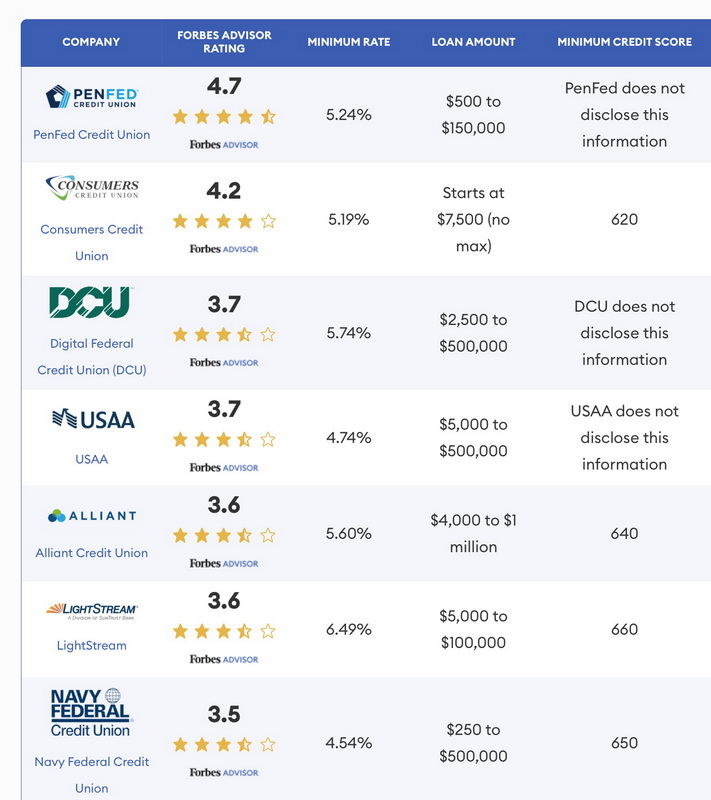
- Credit Unions: Often lauded for their competitive rates and personalized service, credit unions are member-owned, meaning profits are returned to members in the form of lower fees and better rates. Consider joining one if you’re eligible.
- Online Lenders: The digital age has brought forth a host of online-only lenders specializing in auto financing. They often have streamlined application processes and can offer very competitive rates due to lower overheads. Examples include Capital One Auto Finance, LightStream, and many others. Use comparison websites to get multiple quotes with a single application.
- Get Pre-Approved: Applying for pre-approval from several lenders within a short window (typically 14-45 days, depending on the credit scoring model) will usually count as only a single hard inquiry on your credit report. This allows you to compare actual offers.
The Power of a Down Payment
A substantial down payment works wonders for your loan prospects.
- Lower Loan Amount: Directly reduces the principal you need to borrow, which means less interest paid overall.
- Reduced Risk for Lender: A larger down payment signals greater commitment and reduces the lender’s exposure, making them more likely to offer a lower interest rate.
- Avoid Negative Equity: Helps ensure you don’t owe more than the car is worth, especially in the early years of ownership when depreciation is highest. This can be critical if you need to sell or trade in the car sooner than expected.
- Lower Monthly Payments: A larger down payment directly translates to lower monthly outlays, easing your budget.
Negotiating the Loan Terms
While the interest rate is crucial, don’t overlook other negotiable aspects of your loan.
- Loan Term: While shorter terms typically mean lower rates, negotiate the shortest term that fits comfortably within your budget to minimize total interest paid. Be wary of extending the loan term solely to achieve a lower monthly payment if it significantly increases the total cost.
- Fees: Inquire about all associated loan fees (origination, documentation, early payoff penalties). Some fees may be negotiable or avoidable by choosing a different lender.
- Dealer Markups: When using dealership financing, remember that the rate they quote you might have a markup. If you have pre-approval offers from other lenders, use them as leverage to negotiate a lower rate with the dealership.
Pre-Approval: Your Secret Weapon
Getting pre-approved for a loan before visiting the dealership is one of the most powerful strategies.
- Separates Negotiations: It allows you to negotiate the car’s price independently, as if you were a cash buyer, without the added pressure or confusion of simultaneously discussing financing.
- Sets a Benchmark: You’ll know the best rate you qualify for, providing a strong benchmark against which to compare any financing offers from the dealership. If the dealership can’t beat your pre-approved rate, you already have a fallback.
- Empowerment: You walk into the dealership with confidence, knowing your maximum budget and your financing terms, which can prevent you from being swayed by less favorable deals.
Beyond the Rate: Hidden Costs and Important Considerations
While the interest rate is undeniably a critical component of your car loan, focusing exclusively on it can lead to overlooking other significant factors that impact the true cost of your financing. A holistic view is essential for a truly smart financial decision.
Annual Percentage Rate (APR) vs. Interest Rate
This distinction is fundamental and often misunderstood, yet it’s crucial for comparing loan offers accurately.
- Interest Rate: This is the percentage charged by the lender for the use of borrowed money, expressed as a yearly rate. It represents the cost of borrowing the principal amount.
- Annual Percentage Rate (APR): The APR is the true annual cost of your loan, encompassing not only the interest rate but also any additional fees or charges levied by the lender (e.g., origination fees, documentation fees). The APR provides a more comprehensive and accurate representation of the total cost of borrowing.
- Why APR Matters More: When comparing loan offers, always look at the APR, not just the interest rate. A loan with a slightly lower interest rate but high fees could end up having a higher APR—and thus be more expensive—than a loan with a slightly higher interest rate but no fees. Federal law requires lenders to disclose the APR, so make sure you review it carefully.
Loan Fees and Charges
Interest rates aren’t the only costs associated with borrowing. Various fees can add to your loan’s total expense.
- Origination Fees: A fee charged by the lender for processing a new loan application. Not all auto loans have this, but it’s common in some types of lending.
- Documentation Fees (Doc Fees): Charged by dealerships for preparing and processing the sales paperwork. These vary by state and dealership and may or may not be negotiable, but they add to the overall cost.
- Prepayment Penalties: Some loan agreements include clauses that charge a penalty if you pay off your loan early. While less common with new car loans from reputable lenders, always check your loan agreement to ensure you have the flexibility to pay down your loan without extra charges if your financial situation improves.
- Late Payment Fees: Standard across all loans, these are penalties for missing or delaying a monthly payment.
The Impact of Loan Term on Total Cost
While a longer loan term means lower monthly payments, it almost always translates to a significantly higher total cost due to accumulated interest.
- Shorter Terms (e.g., 36-48 months):
- Pros: Lower total interest paid, quicker path to ownership, higher equity in the vehicle faster.
- Cons: Higher monthly payments.
- Longer Terms (e.g., 72-84 months):
- Pros: Lower monthly payments, making expensive cars seem more affordable.
- Cons: Significantly higher total interest paid, extended period of debt, increased risk of being “upside down” on your loan, and you’ll own the car for longer before it’s paid off, potentially past its prime reliability.
Always consider the total cost of the loan (principal + total interest paid) rather than just the monthly payment when deciding on a loan term. Use an online car loan calculator to compare different scenarios.
Understanding Your Monthly Payment and Budgeting
Your monthly car payment should be a comfortable fit within your overall budget, not a strain.
- The 20/4/10 Rule: A common guideline suggests:
- A down payment of at least 20% of the car’s price.
- A loan term no longer than 4 years (48 months).
- Your total car expenses (loan payment, insurance, fuel, maintenance) should not exceed 10% of your gross monthly income.
- Beyond the Loan Payment: Remember that the monthly loan payment is just one component of car ownership. Factor in insurance premiums (which can be substantial for new vehicles), fuel costs, routine maintenance, and potential repair costs. Failing to budget for these can lead to financial stress.
- Emergency Fund: Ensure you have an emergency fund separate from your car budget to cover unexpected repairs or financial setbacks, preventing you from defaulting on your loan.
By diligently considering the APR, understanding all associated fees, choosing an appropriate loan term, and budgeting comprehensively, you can ensure that your new car loan is a manageable and well-understood financial commitment, not a hidden burden.
The Future of Car Financing: What to Expect
The automotive industry is in a constant state of evolution, and financing practices are changing alongside it. Keeping an eye on emerging trends can help future buyers navigate an increasingly complex landscape.
Impact of EV Adoption on Loan Structures
As electric vehicles (EVs) become more mainstream, their unique characteristics may influence financing.
- Higher Upfront Costs: EVs often have a higher sticker price than comparable gasoline-powered cars, potentially leading to larger loan amounts or longer loan terms to keep monthly payments affordable.
- Lower Running Costs: While the loan might be higher, significantly lower fuel and maintenance costs could offset the higher monthly payment, a factor lenders and consumers may start to weigh more heavily.
- Battery Degradation Concerns: The long-term value and battery health of EVs are still subjects of ongoing study. Lenders might adjust residual value calculations and, by extension, financing terms (especially for leases) as more data on battery longevity becomes available.
- Green Incentives: Government tax credits and rebates for EVs can impact the net price of the vehicle, reducing the loan amount needed and making financing more accessible.
Digitalization of the Loan Application Process
The move towards a fully digital loan experience is accelerating, enhancing convenience and efficiency.
- Online Platforms: The ability to research, compare, apply for, and even close on car loans entirely online is becoming standard. This streamlined process reduces paperwork and speeds up approval times.
- AI and Machine Learning: Lenders are increasingly using AI to analyze creditworthiness and process applications, potentially leading to faster decisions and more personalized rate offers based on a wider array of data points.
- E-Signatures and Digital Documents: The process of signing loan agreements and submitting necessary documentation is largely moving to digital platforms, simplifying the final steps of securing a loan.
The Role of Personalized Finance Platforms
The rise of financial technology (FinTech) is bringing more tailored and integrated solutions to car financing.
- Aggregators and Comparison Sites: Platforms that allow consumers to input their financial data once and receive multiple loan offers from various lenders are growing in popularity, making comparison shopping easier than ever.
- Integrated Buying Experiences: Some platforms are emerging that integrate the car shopping experience (finding the car) with the financing experience (securing the loan), aiming for a seamless “click-to-drive” process.
- Data-Driven Customization: With more data available, future financing may become even more personalized, with algorithms matching buyers to the most suitable loan products and even predicting optimal times to buy or refinance based on individual financial patterns and market trends.
The landscape of new car loan rates is continuously evolving, shaped by economic forces, technological advancements, and shifting consumer preferences. Staying informed about these trends will not only help you secure the best possible rate today but also prepare you for future car purchases, ensuring that your financial journey remains as smooth as your drive.
aViewFromTheCave is a participant in the Amazon Services LLC Associates Program, an affiliate advertising program designed to provide a means for sites to earn advertising fees by advertising and linking to Amazon.com. Amazon, the Amazon logo, AmazonSupply, and the AmazonSupply logo are trademarks of Amazon.com, Inc. or its affiliates. As an Amazon Associate we earn affiliate commissions from qualifying purchases.