
The boundary between science fiction and engineering reality has never been thinner than it is today. For decades, the concept of “nanites”—microscopic robots capable of performing complex tasks at the atomic or molecular level—was the exclusive domain of futuristic novels and cinematic universes. However, as our understanding of materials science, molecular biology, and artificial intelligence converges, nanites are transitioning from the silver screen to the research laboratory.
At its core, a nanite (often referred to interchangeably as a nanobot or nanorobot) is a machine designed to operate at the nanoscale, typically ranging from 1 to 100 nanometers. To put this into perspective, a single strand of human hair is approximately 80,000 to 100,000 nanometers wide. At this level, the laws of classical physics often yield to the strange and counterintuitive behaviors of quantum mechanics, presenting both immense challenges and revolutionary opportunities for the next generation of technology.
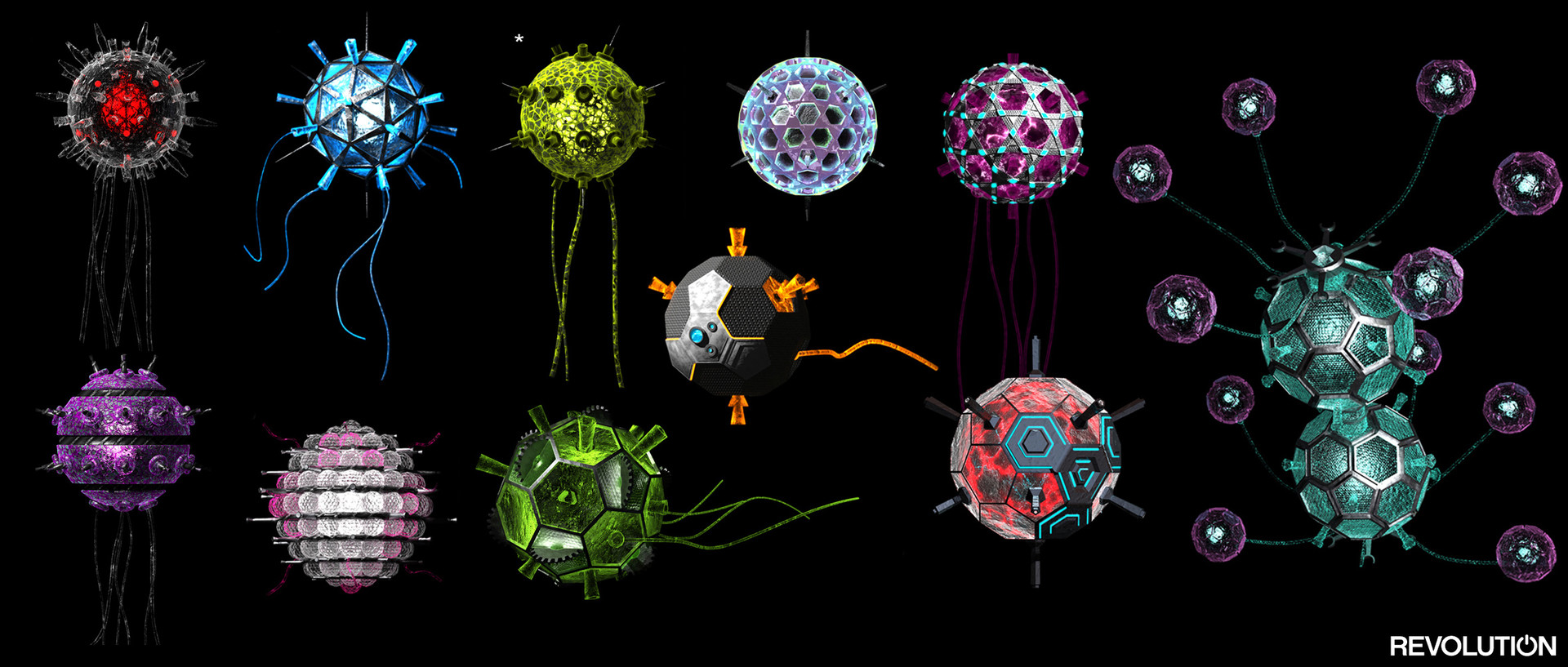
The Mechanics of Nanites: Engineering at the Atomic Scale
The construction of a machine so small that it cannot be seen by a traditional light microscope requires a complete reimagining of traditional engineering principles. Unlike the macro-scale robots we see in factories, which are assembled from gears, motors, and silicon chips, nanites are often constructed using molecular assembly techniques.
Molecular Manufacturing and DNA Origami
One of the most promising avenues in nanite construction is “DNA origami.” This technique involves folding long strands of DNA into specific shapes to create scaffolds for nanodevices. Because DNA is naturally programmed to pair in specific sequences, engineers can use it as a biological “software” to guide the assembly of hardware. These DNA-based nanites can be programmed to carry payloads, such as medicine or chemical catalysts, and release them only when they encounter a specific biological trigger.
Powering the Micro-Machines
A significant hurdle in nanite development is the power source. Traditional batteries cannot be shrunk to the nanoscale while maintaining efficiency. Instead, researchers are looking toward chemical energy and external fields. Some nanites are “bio-hybrid,” utilizing the ATP (adenosine triphosphate) that fuels our own cells. Others are powered by external magnetic fields or ultrasound waves, allowing operators to steer and activate the machines from outside the body or the environment in which they are deployed.
Swarm Intelligence and Communication
Individual nanites are limited by their size, but their true potential lies in “swarm intelligence.” By utilizing protocols similar to those seen in ant colonies or beehives, millions of nanites can work in synchronization to achieve a single goal. This requires sophisticated communication tools, often utilizing chemical signals or electromagnetic resonance, to coordinate movements and share data across the collective.
Real-World Applications: From Medicine to Material Science
The implications of nanite technology span nearly every industry, but the most immediate and profound impacts are being felt in the fields of medicine, environmental science, and advanced manufacturing.
Targeted Drug Delivery and Nanomedicine
In current medical practice, many treatments are “systemic,” meaning they affect the entire body even if they are only needed in one specific location. Chemotherapy is a prime example, where toxic drugs circulate throughout the bloodstream, causing significant side effects. Nanites offer a “smart” alternative. A swarm of nanites could be injected into a patient, programmed to navigate to a specific tumor, and then release a high-concentration dose of medication directly into the cancerous cells, leaving healthy tissue untouched.
Beyond drug delivery, nanites could act as microscopic surgeons. Researchers are already testing nanobots that can clear arterial plaque, repair damaged tissue at the cellular level, or even perform precise neurological repairs that are currently impossible for human hands or macro-scale surgical tools.
Environmental Remediation
The ability of nanites to interact with matter at the molecular level makes them ideal candidates for cleaning our planet. “Nano-remediators” are being developed to identify and neutralize toxins in water supplies. For instance, nanites could be deployed into an oil spill to break down hydrocarbons into harmless organic compounds or used to filter heavy metals from industrial runoff with near-perfect efficiency.

Advanced Manufacturing and Self-Healing Materials
In the realm of materials science, nanites represent the ultimate tool for precision. Imagine a structural material infused with dormant nanites. If a crack forms in a bridge or an aircraft wing, the nanites at the site of the damage could activate, harvesting ambient carbon or specialized “filler” molecules to knit the structure back together. This concept of self-healing materials would dramatically increase the lifespan of infrastructure and consumer electronics while reducing waste.
The Computing Power of Nanites: Integration with AI
The true intelligence of a nanite does not come from its physical structure alone, but from the software that governs its behavior. As artificial intelligence continues to evolve, its integration with nanotechnology is creating a new field of “molecular computing.”
Edge Computing at the Cellular Level
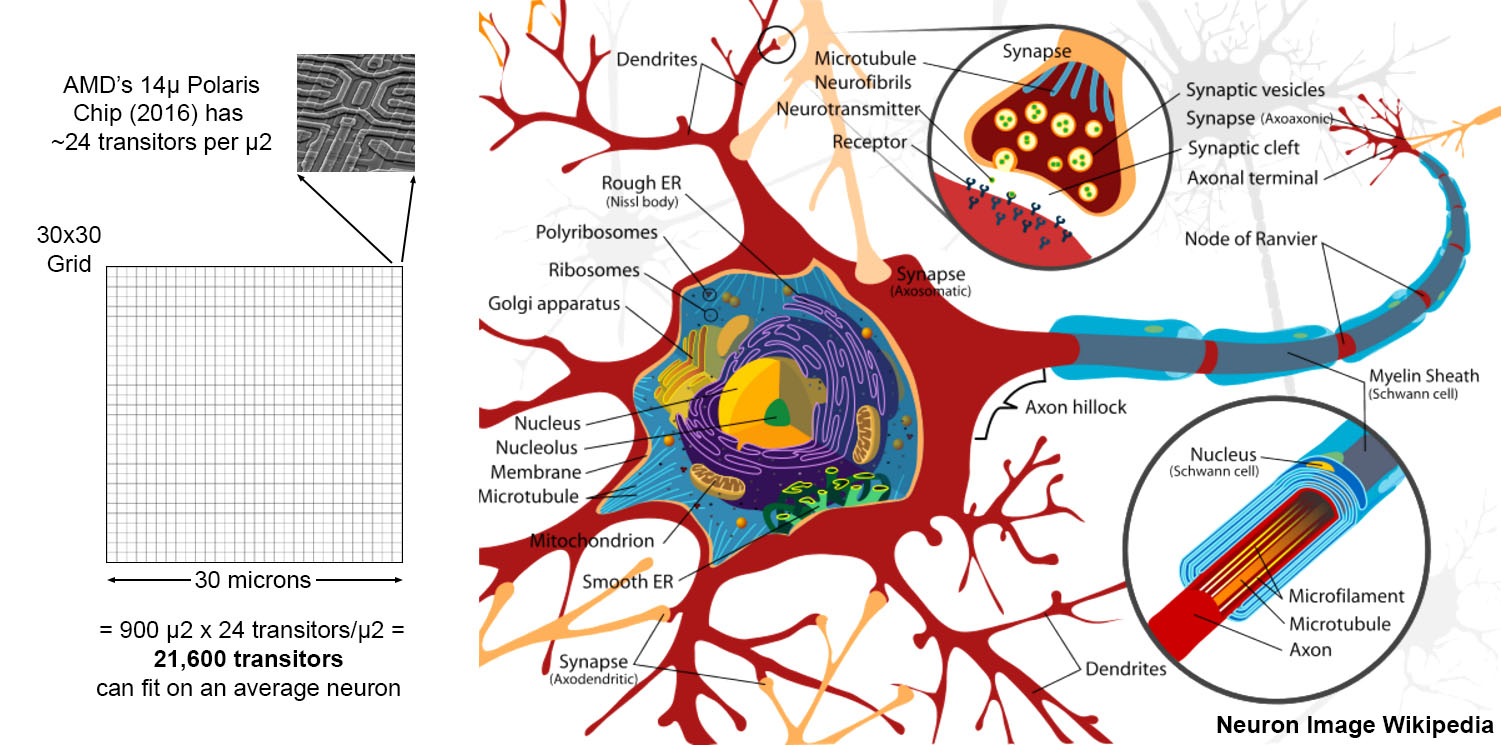
Traditional computing relies on the movement of electrons through silicon. Molecular computing, however, uses chemical reactions and molecular states to represent data. This allows nanites to process information locally. Instead of needing to send a signal back to a central computer to “ask” what to do next, a nanite can sense its environment, process that data using onboard molecular logic gates, and make an autonomous decision. This is the ultimate form of “edge computing,” where the processing happens at the exact point where the data is collected.
The Role of Machine Learning in Design
Developing the shapes and behaviors of nanites is a task so complex that it often exceeds human design capabilities. Engineers are now using machine learning algorithms to simulate millions of different nanite designs in virtual environments to see which ones are most effective at specific tasks. These AI-driven simulations allow us to bypass years of trial-and-error in the lab, accelerating the roadmap to functional, real-world nanite deployment.
Ethical Considerations and the “Grey Goo” Scenario
As with any transformative technology, nanites bring with them a host of ethical and security concerns. The very traits that make them useful—their invisibility, their ability to self-replicate, and their capacity to manipulate matter—also make them potentially dangerous if mismanaged.
Security and Privacy in the Nano-Era
The prospect of “nanoscale surveillance” is a concern for digital security experts. Nanites equipped with sensors could theoretically gather data in ways that are impossible to detect. Furthermore, if nanites are used for medical purposes, the security of the software controlling them becomes a matter of life and death. Ensuring that medical nanobots are “unhackable” is a primary focus for researchers developing the communication protocols for these devices.
The Grey Goo Theory
In 1986, Eric Drexler popularized the “grey goo” scenario—a hypothetical end-of-the-world event where self-replicating nanobots consume all biomass on Earth while building more of themselves. While modern scientists largely view this as an impossibility due to the energy requirements and biological constraints of nanites, it serves as a powerful metaphor for the need for strict regulation. Current research focuses on “limited-cycle” nanites that are physically incapable of replicating beyond a certain point or that require a specific, non-natural catalyst to function.
The Roadmap to Mass Adoption: When Will Nanites Arrive?
While we are not yet at the stage of “universal assemblers” that can build anything from a pile of dirt, the progress in nanite technology is moving at an exponential rate. We are currently in the “functional nanostructure” phase, where we can create complex molecules that perform simple, repetitive tasks.
The next decade will likely see the first FDA-approved clinical trials for nanite-based drug delivery systems. Simultaneously, we will see nanites being used in high-end industrial applications, such as the manufacturing of more efficient semiconductors and high-capacity batteries.
The transition from “smart materials” to “autonomous nanites” will be gradual but inevitable. As our ability to program matter becomes as sophisticated as our ability to program computers, nanites will move from the fringes of tech trends to the core of our industrial and biological reality. They represent the ultimate triumph of human ingenuity: the ability to master the smallest building blocks of the universe to solve the largest problems of our time.
aViewFromTheCave is a participant in the Amazon Services LLC Associates Program, an affiliate advertising program designed to provide a means for sites to earn advertising fees by advertising and linking to Amazon.com. Amazon, the Amazon logo, AmazonSupply, and the AmazonSupply logo are trademarks of Amazon.com, Inc. or its affiliates. As an Amazon Associate we earn affiliate commissions from qualifying purchases.