
In the realm of personal finance, few numbers hold as much weight as the current mortgage interest rate. For the aspiring homeowner, a fluctuation of even half a percentage point can mean the difference between an affordable monthly payment and a financial burden that stretches the budget to its breaking point. For the investor, mortgage rates represent the cost of capital, directly impacting the cap rate and the overall viability of a real estate portfolio.
As we navigate the current economic landscape, understanding “what mortgage interest rates are today” requires more than just looking at a daily ticker. It requires a deep dive into the macroeconomic forces at play, the internal logic of the lending industry, and the personal financial metrics that determine the specific rate a bank offers an individual borrower.
The Macroeconomic Engine: What Drives Mortgage Rates?
Mortgage rates do not exist in a vacuum. They are the product of complex global and national economic shifts. While many people believe the Federal Reserve sets mortgage rates directly, the reality is more nuanced.
The Role of the Federal Reserve and the Federal Funds Rate
The Federal Reserve influences mortgage rates primarily through the Federal Funds Rate—the interest rate at which commercial banks borrow and lend to one another overnight. When the Fed raises this rate to combat inflation, the cost of borrowing increases across the board. While this doesn’t move mortgage rates in a 1:1 ratio, it sets the floor for consumer lending. When the Fed signals a “hawkish” stance (maintaining or raising rates), mortgage lenders typically price in that future risk, leading to higher rates for consumers.
The 10-Year Treasury Yield Connection
Perhaps the most accurate daily barometer for mortgage rates is the yield on the 10-year U.S. Treasury note. Mortgage-backed securities (MBS) compete with Treasury bonds for investors’ dollars. Because Treasuries are backed by the “full faith and credit” of the U.S. government, they are seen as the safest investment. To attract investors to mortgages, which carry more risk, the yield on MBS must be higher than the 10-year Treasury. Historically, the “spread” between the 10-year yield and a 30-year fixed mortgage is about 1.5 to 3 percentage points. When Treasury yields rise, mortgage rates almost inevitably follow.
Inflation and Purchasing Power
Inflation is the enemy of fixed-income investors. If a bank lends money at a 6% interest rate but inflation is running at 4%, the “real” return for the bank is only 2%. To protect their profit margins against the eroding power of inflation, lenders demand higher interest rates during periods of rising prices. This is why mortgage rates often spike even before official government rate hikes occur; the market is pricing in the expectation of future inflation.
Understanding Different Mortgage Products and Their Rates
When asking what rates are today, it is important to specify which type of mortgage is being discussed. Not all loans are created equal, and the structure of the debt significantly impacts the interest charged.
30-Year Fixed-Rate Mortgages
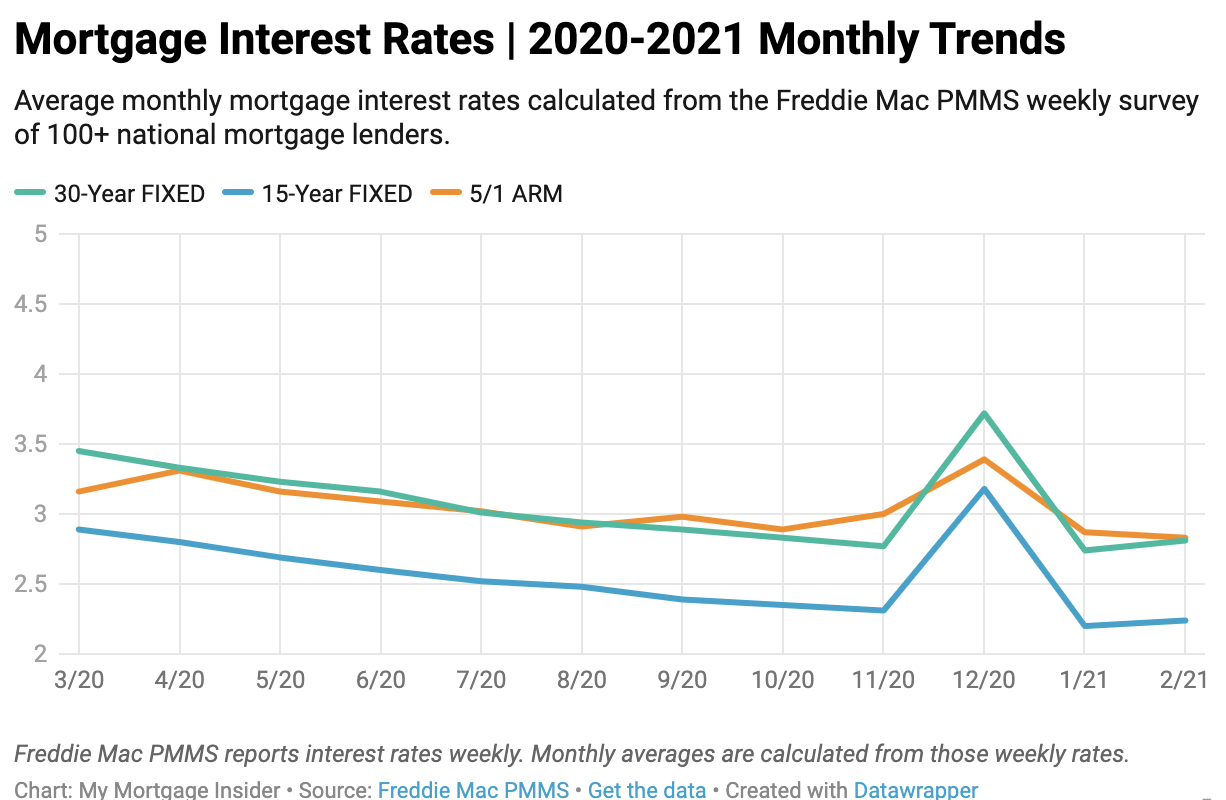
The 30-year fixed-rate mortgage is the gold standard of the American housing market. It offers stability, with a locked-in interest rate and monthly payment for three decades. Because the lender is taking on the risk of inflation and interest rate changes for 30 years, these loans typically carry a higher interest rate than shorter-term or variable-rate products.
15-Year Fixed-Rate Mortgages
For those who can afford higher monthly payments, the 15-year fixed-rate mortgage is a powerful wealth-building tool. Because the loan duration is shorter, the lender’s risk exposure is reduced. Consequently, 15-year rates are usually significantly lower—often by 0.5% to 1%—than 30-year rates. Furthermore, the accelerated equity buildup saves the borrower tens of thousands of dollars in total interest over the life of the loan.
Adjustable-Rate Mortgages (ARMs)
Adjustable-rate mortgages offer an initial “teaser” period—usually 5, 7, or 10 years—where the interest rate is lower than a standard fixed-rate mortgage. After this period, the rate adjusts annually based on market indices. In a high-rate environment, ARMs become popular because they offer immediate relief on monthly payments. However, they carry the risk of “payment shock” if rates are significantly higher when the adjustment period begins.
Personal Financial Factors: The Rate You See vs. The Rate You Get
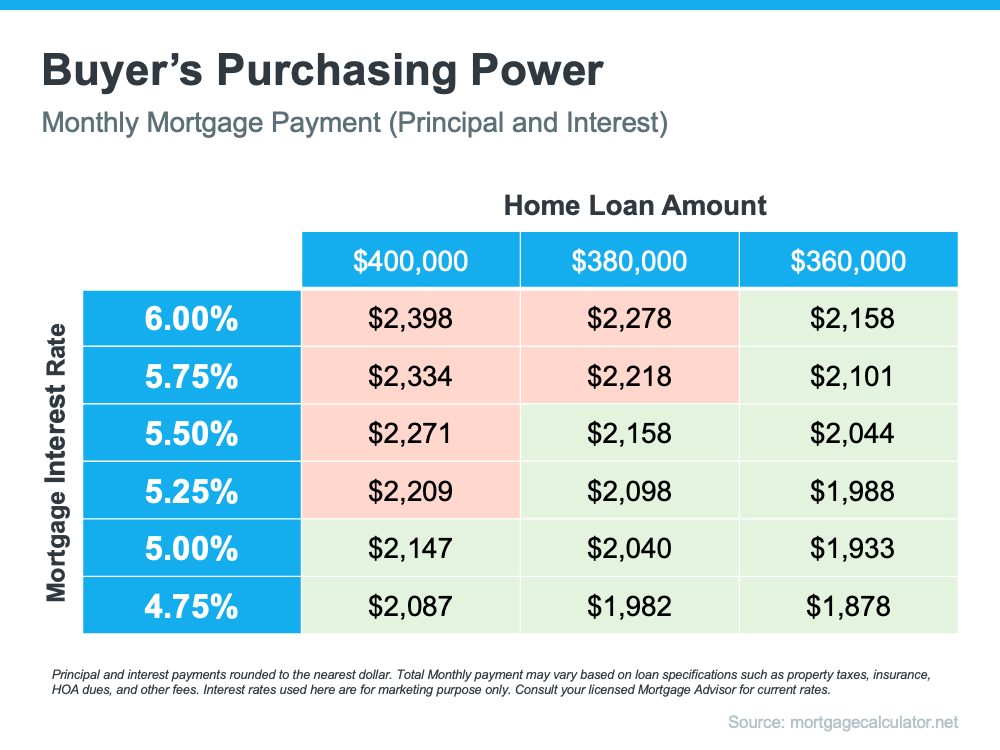
National averages reported in the news are typically based on “prime” borrowers—those with impeccable credit and large down payments. The rate a specific individual receives depends on their unique financial profile.
The Power of the Credit Score
In the world of mortgage lending, your FICO score is the primary determinant of your risk profile. A borrower with a score of 760 or higher will likely receive the lowest advertised rates. Conversely, a borrower with a score in the low 600s might face an interest rate 1% to 2% higher, or may be required to pay “points” to secure the loan. Improving a credit score by just 20 points before applying for a mortgage can result in savings of hundreds of dollars per month.
Loan-to-Value Ratio (LTV) and Down Payments
The LTV ratio represents how much of the home’s value you are borrowing versus how much you own outright. A standard 20% down payment results in an 80% LTV. Lenders view lower LTVs as lower risk. If a borrower puts down only 3% or 5%, the lender often compensates for that risk by slightly increasing the interest rate or requiring Private Mortgage Insurance (PMI), which adds to the effective monthly cost.
Debt-to-Income Ratio (DTI)
Lenders examine your DTI to ensure you have enough cash flow to cover the new mortgage alongside existing obligations like car loans, student debt, and credit card payments. While a high DTI might not always increase the interest rate directly, it can disqualify a borrower from certain “preferred” loan programs that offer the most competitive rates.
Strategies to Secure a Lower Interest Rate Today
Even in a high-rate environment, there are strategic moves borrowers can make to optimize their financing and reduce the long-term cost of their home.
Buying Down the Rate with Discount Points
“Points” are essentially prepaid interest. One point typically costs 1% of the total loan amount and reduces the interest rate by approximately 0.25%. For a borrower who intends to stay in their home for a long time (typically more than 7–10 years), paying for points upfront can be a wise financial move, as the monthly savings will eventually surpass the initial cost.
The Importance of Shopping Multiple Lenders
Mortgage rates are not uniform across the industry. Large national banks, local credit unions, and online mortgage brokers all have different overhead costs and risk appetites. Research consistently shows that borrowers who get at least three quotes can save thousands of dollars over the life of their loan. When shopping, it is vital to compare the “APR” (Annual Percentage Rate), which includes both the interest rate and the fees, providing a true apples-to-apples comparison.
Rate Locks and Timing the Market
Because mortgage rates can change multiple times in a single day, “locking” a rate is a crucial step in the home-buying process. Once a borrower finds a rate they are comfortable with, they can lock it in for a period (usually 30 to 60 days) while the loan goes through underwriting. This protects the borrower from sudden market spikes before the closing date.
The Long-Term Perspective: Interest Rates and Wealth Building
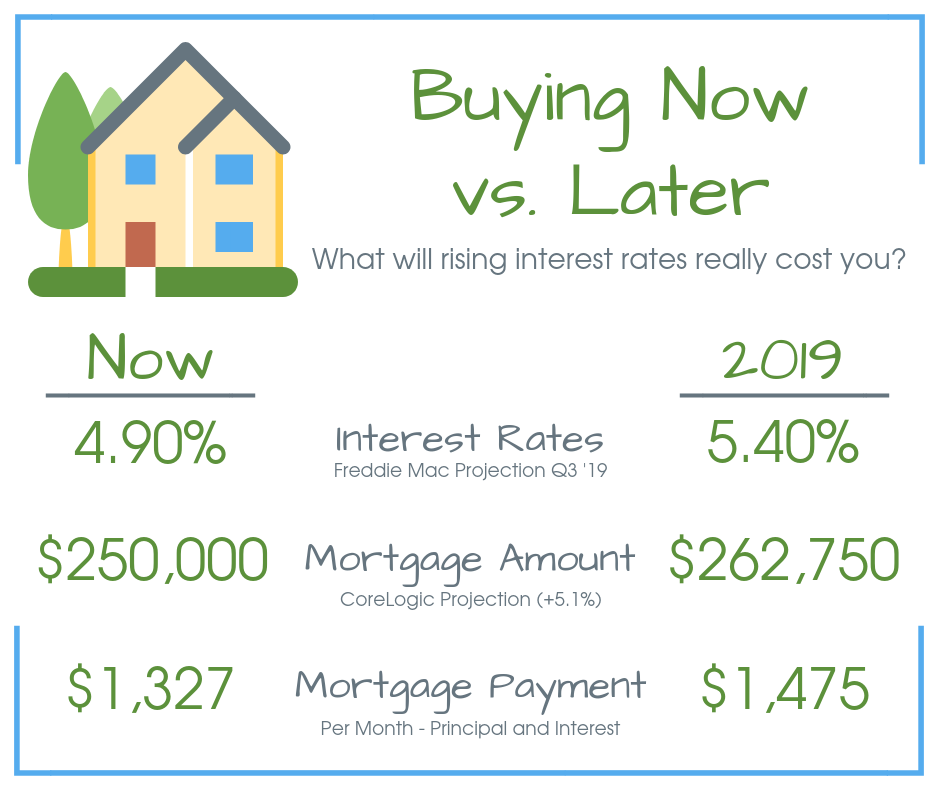
While it is tempting to obsess over daily fluctuations, successful personal finance requires a broader perspective. In the 1980s, mortgage rates peaked near 18%. In the early 2020s, they dropped to historic lows of 2-3%. Today’s rates, while higher than the recent past, are actually much closer to the 50-year historical average.
Real estate remains one of the most consistent ways to build generational wealth, primarily through the power of amortization and appreciation. An interest rate is simply the cost of “renting” the bank’s money to own an asset that historically appreciates over time. Furthermore, mortgage interest is often tax-deductible for those who itemize, which effectively lowers the net interest rate.
The most important takeaway for any borrower is that a mortgage is not necessarily a permanent commitment to a specific rate. If rates drop in the future, refinancing remains a viable option to lower the monthly commitment. However, if rates continue to rise, those who secured a home today will look back at their current rate as a bargain. In the journey of financial independence, waiting for the “perfect” rate is often less productive than securing a manageable rate and allowing the passage of time to build equity and net worth.
aViewFromTheCave is a participant in the Amazon Services LLC Associates Program, an affiliate advertising program designed to provide a means for sites to earn advertising fees by advertising and linking to Amazon.com. Amazon, the Amazon logo, AmazonSupply, and the AmazonSupply logo are trademarks of Amazon.com, Inc. or its affiliates. As an Amazon Associate we earn affiliate commissions from qualifying purchases.