
The dream of homeownership, for many, remains a cornerstone of financial aspiration. Yet, navigating the intricate landscape of mortgage interest rates can often feel like deciphering a complex financial code. For prospective homebuyers and current homeowners alike, understanding “what are mortgage interest rates today” is not merely an academic exercise; it’s a critical component of personal financial planning that dictates affordability, monthly payments, and the overall cost of borrowing for decades. Rates are dynamic, influenced by a confluence of economic indicators, Federal Reserve policies, and global events, making it imperative to stay informed.
This article aims to demystify current mortgage interest rates, exploring the fundamental forces that shape them, the different types of loans available, and actionable strategies borrowers can employ to secure the most favorable terms. By understanding these elements, individuals can make more informed decisions, whether they are stepping into the housing market for the first time, looking to refinance, or simply assessing their financial position.
Understanding the Current Landscape of Mortgage Rates
Mortgage interest rates are never static. They ebb and flow, reacting to a myriad of economic signals, making “today’s rate” a fleeting snapshot in a continuous stream of financial data. Grasping the immediate situation and the underlying drivers is the first step toward informed borrowing.
The Immediate Snapshot: Where Rates Stand
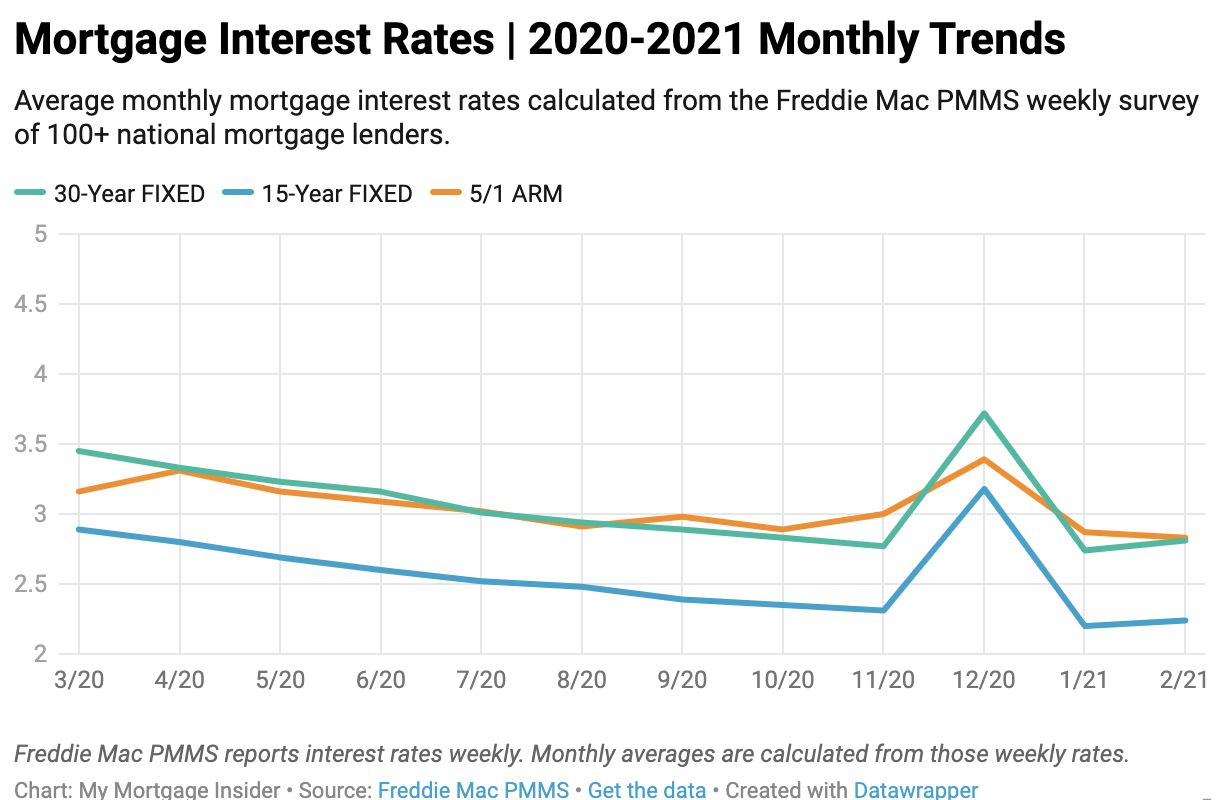
As of now, mortgage rates generally reflect a period of elevated inflation and a tightening monetary policy by central banks, particularly the Federal Reserve. This has pushed rates higher than the historically low levels seen in the immediate post-pandemic era, though they can still fluctuate significantly week-to-week, or even day-to-day.
-
30-Year Fixed-Rate Mortgages: These remain the most popular choice due to their predictable monthly payments and longer amortization period. Current rates often hover in a range that is notably higher than the sub-3% rates witnessed a few years ago, typically reflecting the broader economic environment and the Fed’s stance on inflation.
-
15-Year Fixed-Rate Mortgages: Offering a quicker path to homeownership and generally lower overall interest paid, 15-year fixed rates are usually slightly lower than their 30-year counterparts. However, they come with significantly higher monthly payments.
-
Adjustable-Rate Mortgages (ARMs): ARMs often start with a lower introductory rate for a fixed period (e.g., 5, 7, or 10 years) before adjusting periodically. Their initial rates can be attractive in a higher-rate environment, but borrowers assume the risk of future payment increases.
-
Government-Backed Loans (FHA, VA, USDA): These loans, designed to make homeownership more accessible, often carry slightly different rate structures and can sometimes be more favorable for eligible borrowers, though they come with specific requirements and fees (like mortgage insurance premiums).
It’s crucial to remember that these are general trends. The actual rate an individual receives will depend on a combination of broader market conditions and their personal financial profile.
Key Factors Driving Today’s Rates
The forces that dictate mortgage interest rates are complex and interconnected. Understanding them provides insight into potential future movements.
-
Inflation: Perhaps the most significant driver today. When inflation is high, the purchasing power of money erodes. Lenders, to protect their returns, demand higher interest rates to compensate for this erosion. Central banks, like the Federal Reserve, respond to inflation by raising their benchmark interest rates, which indirectly impacts mortgage rates.
-
Federal Reserve Policy: While the Fed doesn’t directly set mortgage rates, its actions profoundly influence them. The Federal Funds Rate, which the Fed controls, affects short-term borrowing costs for banks. More importantly, the Fed’s quantitative easing or tightening policies (buying or selling Treasury bonds and mortgage-backed securities) directly impact the supply and demand for these securities, thereby influencing long-term interest rates, including mortgages.
-
10-Year Treasury Yield: This is often considered the primary benchmark for 30-year fixed mortgage rates. Mortgage rates tend to move in tandem with the yield on the 10-Year Treasury note. When bond yields rise, mortgage rates typically follow suit, and vice versa.
-
Economic Data: Key economic indicators such as Gross Domestic Product (GDP) growth, employment reports (e.g., jobless claims, non-farm payrolls), consumer confidence indices, and manufacturing data all provide clues about the health and direction of the economy. Strong economic data can lead to fears of inflation and higher rates, while weak data might suggest the opposite.
-
Global Events: Geopolitical instability, global economic slowdowns, or crises can prompt investors to seek the safety of U.S. Treasury bonds, which can push yields down and, consequently, mortgage rates. Conversely, a surge in global demand for capital can exert upward pressure on rates.
The Mechanics Behind Mortgage Rate Determination
While external economic factors set the general direction, a lender’s internal processes and a borrower’s specific financial situation determine the exact interest rate offered.
How Lenders Set Their Rates
Mortgage lenders don’t just pull rates out of thin air; they operate within a framework that balances risk, cost, and profit.
-
Cost of Capital: Lenders themselves borrow money (e.g., from the wholesale market or through deposits) to fund mortgages. The interest they pay for this capital forms the base of the mortgage rate they offer.
-
Profit Margins: Like any business, lenders need to make a profit. A portion of the interest rate covers their operational costs, administrative expenses, and desired profit margin.
-
Loan-Level Price Adjustments (LLPAs): These are risk-based adjustments that lenders apply to the base rate. Factors such as the borrower’s credit score, loan-to-value (LTV) ratio (the amount borrowed relative to the home’s value), property type (single-family, condo, multi-unit), and even the loan amount can influence LLPAs. Borrowers with lower credit scores or higher LTVs will generally face higher LLPAs, resulting in a higher interest rate.
-
Competition: The competitive landscape among lenders also plays a role. In a highly competitive market, lenders might offer slightly lower rates to attract more borrowers, even if it means slightly reduced profit margins.
The Difference Between APR and Interest Rate
When comparing mortgage offers, it’s crucial to distinguish between the stated “interest rate” and the “Annual Percentage Rate” (APR).
-
Interest Rate: This is the nominal cost of borrowing the principal amount of the loan. It’s the percentage of the principal that you pay each year to borrow money, and it’s used to calculate your monthly principal and interest payment.
-
APR (Annual Percentage Rate): The APR represents the true annual cost of the loan, encompassing not only the interest rate but also most of the other upfront fees associated with the loan, such as origination fees, discount points, mortgage insurance premiums, and other charges. The APR aims to give borrowers a more comprehensive understanding of the total cost of credit over the life of the loan.
Comparing offers solely based on the interest rate can be misleading. A loan with a slightly lower interest rate but higher fees might actually have a higher APR than a loan with a slightly higher interest rate and fewer fees. Always use the APR for an apples-to-apples comparison between different loan products.
Types of Mortgages and Their Rate Implications
The choice of mortgage type significantly impacts the interest rate you receive and your financial commitment over time.
Fixed-Rate Mortgages: Stability in an Uncertain Market
Fixed-rate mortgages are the most common and perhaps the most straightforward. The interest rate remains constant for the entire duration of the loan, offering predictable monthly payments.
-
30-Year Fixed: The most popular option, offering lower monthly payments due to the extended repayment period. However, borrowers typically pay more interest over the life of the loan. It provides long-term stability and is ideal for those planning to stay in their home for an extended period.
-
15-Year Fixed: Features a lower interest rate compared to a 30-year fixed, allowing borrowers to pay off their loan much faster and save significantly on total interest. The trade-off is higher monthly payments, which require a more robust budget.
In an environment where rates are expected to rise or remain high, a fixed-rate mortgage offers invaluable protection against future payment increases, providing peace of mind and budgeting predictability.
Adjustable-Rate Mortgages (ARMs): Potential for Savings or Risk
ARMs offer an initial fixed interest rate for a specific period (e.g., 5, 7, or 10 years), after which the rate adjusts periodically based on a market index (like the Secured Overnight Financing Rate – SOFR) plus a margin.

-
How ARMs work: A common ARM is a 5/1 ARM, meaning the rate is fixed for the first five years, then adjusts annually for the remainder of the loan term. Most ARMs have interest rate caps (periodic and lifetime) that limit how much the rate can change, but payments can still increase substantially.
-
When ARMs might be appealing: ARMs often start with a lower interest rate than fixed-rate mortgages, making them attractive to borrowers who plan to sell or refinance before the fixed period ends, or those who anticipate their income will increase significantly. They can also be a strategic choice if current fixed rates are exceptionally high and you expect them to fall in the future, allowing for a refinance into a fixed rate later.
-
The risks associated with ARMs: The primary risk is that rates could rise significantly after the initial fixed period, leading to substantially higher monthly payments that could strain a borrower’s budget.
Government-Backed Loans: FHA, VA, and USDA
These programs are designed to assist specific groups of borrowers, often those who might struggle to qualify for conventional loans.
-
FHA Loans: Insured by the Federal Housing Administration, these loans are popular for first-time homebuyers due to lower down payment requirements (as little as 3.5%) and more flexible credit guidelines. While rates can be competitive, FHA loans require both upfront and annual mortgage insurance premiums.
-
VA Loans: Guaranteed by the Department of Veterans Affairs, these loans are available to eligible service members, veterans, and surviving spouses. They offer significant benefits, including no down payment requirement, no private mortgage insurance (PMI), and competitive interest rates.
-
USDA Loans: Backed by the U.S. Department of Agriculture, these loans aim to promote homeownership in eligible rural and suburban areas. They offer 100% financing (no down payment) for qualified low-to-moderate-income borrowers, along with competitive rates and modest mortgage insurance fees.
While the general rate environment affects these loans too, their unique features and backing can sometimes result in slightly different rate structures compared to conventional mortgages.
Strategies for Securing the Best Mortgage Rate Today
Regardless of market conditions, borrowers have agency in securing the most favorable mortgage interest rate. Strategic preparation and diligent shopping are key.
Improving Your Borrower Profile
Lenders assess risk, and a stronger borrower profile translates to lower perceived risk and, typically, a better interest rate.
-
Credit Score: This is paramount. A high credit score (generally 740+) indicates a responsible borrower and unlocks the best rates. Focus on paying bills on time, keeping credit utilization low, and addressing any errors on your credit report.
-
Debt-to-Income (DTI) Ratio: Your DTI is the percentage of your gross monthly income that goes towards debt payments. Lenders prefer lower DTIs (typically below 43% for conventional loans). Reducing credit card debt, personal loans, or even student loan payments can improve this ratio.
-
Down Payment: A larger down payment reduces the loan-to-value (LTV) ratio, signaling less risk to the lender. A lower LTV can qualify you for a better interest rate and, if you put down 20% or more on a conventional loan, eliminate the need for private mortgage insurance (PMI).
The Power of Shopping Around
This is perhaps the most impactful strategy. Do not settle for the first quote you receive.
-
Get Multiple Quotes: Contact several different types of lenders—large national banks, local credit unions, and independent mortgage brokers. Each may have slightly different rate sheets, fees, and loan programs.
-
Compare Loan Estimates: Once you apply, lenders are required to provide a “Loan Estimate” form. This standardized document makes it easy to compare interest rates, APRs, closing costs, and other fees side-by-side. Pay close attention to the “Cash to Close” and ensure all fees are transparent.
-
Understand Rate Locks: A rate lock guarantees your interest rate for a specific period (e.g., 30, 45, or 60 days) while your loan is being processed. This protects you from rate increases, but you might miss out if rates fall. Discuss the terms and cost of a rate lock with your lender.
Understanding Mortgage Points and Buy-Downs
Mortgage points are a way to influence your interest rate by paying an upfront fee.
-
Discount Points: These are prepaid interest that you pay at closing to “buy down” your interest rate. One point typically costs 1% of the loan amount. For example, on a $300,000 loan, one point would cost $3,000 and could reduce your rate by 0.125% to 0.25%.
-
Origination Points: These are fees charged by the lender for processing your loan, distinct from discount points.
-
When Buying Down Makes Sense: Paying points can save you money over the long term, but it requires calculating a “break-even point.” Divide the cost of the points by the monthly savings to see how many months it will take to recoup the upfront expense. If you plan to stay in the home longer than the break-even period, paying points can be a smart financial move.
Future Outlook and Considerations for Borrowers
Predicting the future of mortgage rates is notoriously difficult, but understanding potential influences and having a solid financial plan can help borrowers navigate uncertainty.
What Could Influence Rates Moving Forward?
The same factors that influence rates today will continue to shape them:
-
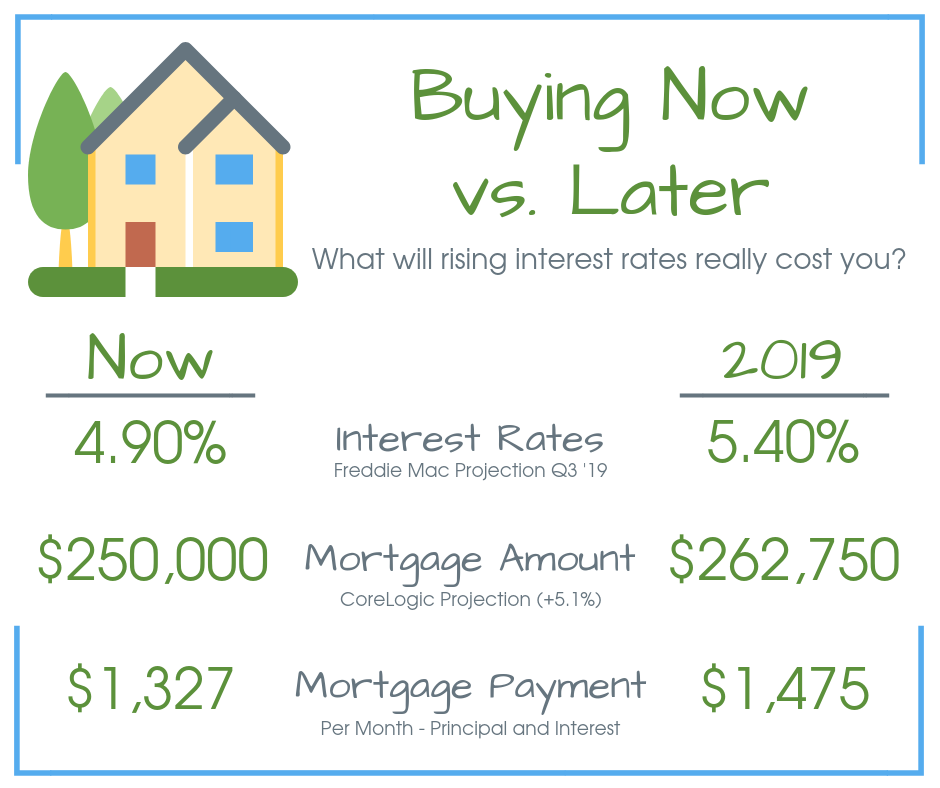
Inflationary Pressures and Central Bank Responses: Whether inflation subsides or persists will heavily dictate central bank actions. If inflation cools, the Fed might ease its tightening, potentially allowing rates to stabilize or even decline. Persistent inflation could lead to continued rate hikes.
-
Economic Growth/Recession Fears: A strong economy can lead to higher rates due to increased demand for capital and inflation fears. Conversely, a significant economic downturn or recession might prompt the Fed to lower rates to stimulate activity.
-
Geopolitical Stability: Major global events can quickly shift investor sentiment, leading to unpredictable movements in bond yields and, subsequently, mortgage rates.
-
Supply and Demand in the Housing Market: While less direct, the health of the housing market (inventory levels, buyer demand) can also play a role in influencing lender behavior and broader economic sentiment.
Is It a Good Time to Buy or Refinance?
This is a profoundly personal question with no universal answer.
-
For Buyers: If you can comfortably afford the monthly payments at current rates and find a home that meets your needs, waiting for rates to drop could mean missing out on your ideal home or facing higher home prices later. Focus on your financial readiness (down payment, emergency fund, DTI) rather than trying to time the market perfectly.
-
For Refinancing: A refinance makes sense if it significantly lowers your monthly payment, reduces your loan term, or allows you to consolidate debt at a lower rate. Calculate your break-even point for any refinancing costs to ensure the savings outweigh the expenses. In a high-rate environment, a “cash-out” refinance might be less appealing due to the higher cost of borrowing.
Long-Term Financial Planning
Don’t let the obsession with the lowest possible interest rate overshadow your broader financial goals.
-
Holistic View: Consider the mortgage as one piece of your financial puzzle. Ensure you have an emergency fund, contribute to retirement savings, and manage other debts responsibly.
-
Budgeting: Develop a realistic household budget that accounts for your mortgage payment, property taxes, insurance, and potential home maintenance costs.
-
Flexibility: Build financial flexibility into your plan. Could you still afford your payments if your income changed or if rates increased significantly (for ARMs)?
Conclusion
Understanding “what are mortgage interest rates today” is a dynamic and essential aspect of personal financial literacy. While external economic forces largely dictate the general direction of rates, your proactive engagement in improving your financial profile, diligently shopping for lenders, and understanding different loan products can significantly impact the terms you secure. In an ever-evolving economic landscape, knowledge, preparation, and a strategic approach empower you to make informed decisions that align with your financial goals, transforming the complex world of mortgage rates into a navigable path toward stable homeownership.
aViewFromTheCave is a participant in the Amazon Services LLC Associates Program, an affiliate advertising program designed to provide a means for sites to earn advertising fees by advertising and linking to Amazon.com. Amazon, the Amazon logo, AmazonSupply, and the AmazonSupply logo are trademarks of Amazon.com, Inc. or its affiliates. As an Amazon Associate we earn affiliate commissions from qualifying purchases.